
Cat Breeds: The Complete Guide to 58 Types of Cats
Walk into any shelter and you’ll notice something: no two cats greet you the same way. Some trot straight to the front of the cage. Others watch from the back, deciding if you’re worth the effort. Cat breeds explain a surprising amount of that difference coat, size, energy, even how vocal a cat turns out to be.

Spoiler: there’s no single “best” breed. There’s only the breed that fits how you actually live. This guide covers all 58 major cat breeds in one place, organized so you can jump straight to what matters to you whether that’s allergies, apartment size, or a coat you’re willing to brush.
Spoiler: there’s no single “best” breed. There’s only the breed that fits how you actually live. This guide covers all 58 major cat breeds in one place, organized so you can jump straight to what matters to you whether that’s allergies, apartment size, or a coat you’re willing to brush.
Quick Facts: There are 58 widely recognized cat breeds covered here, ranging from the hairless Sphynx to the 20-pound Maine Coon. Roughly a dozen dominate search interest and adoption demand; the rest are rarer, often harder to find outside dedicated breeders.
What’s on This Page
Jump to: Hypoallergenic Cat Breeds, Hairless Cat Breeds, Large Cat Breeds, Small Cat Breeds, Fluffy & Longhair Cat Breeds, the full A-Z Directory of all 58 breeds, and a quick FAQ at the end.
Hypoallergenic Cat Breeds
No cat is 100% allergen-free the Fel d 1 protein that triggers most cat allergies comes from saliva and skin, not fur, so even hairless breeds still produce it. That said, some breeds shed less of that protein or shed less fur overall, which is what people usually mean by “hypoallergenic.”
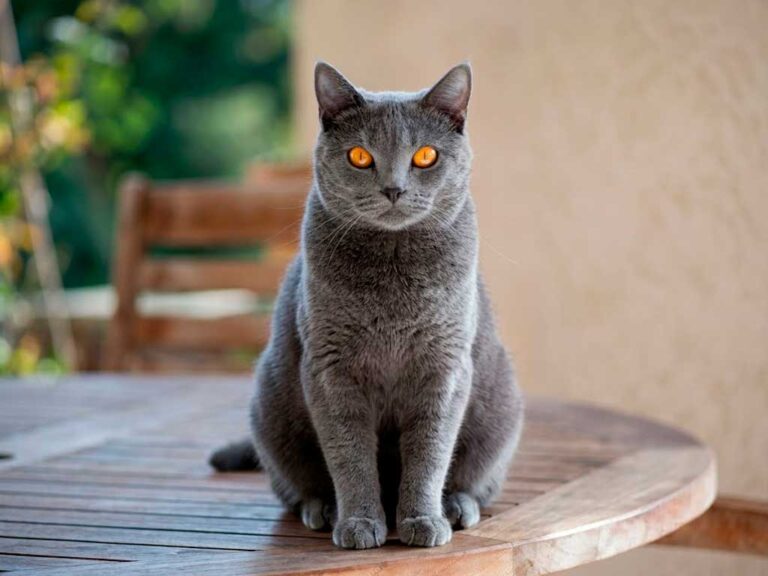
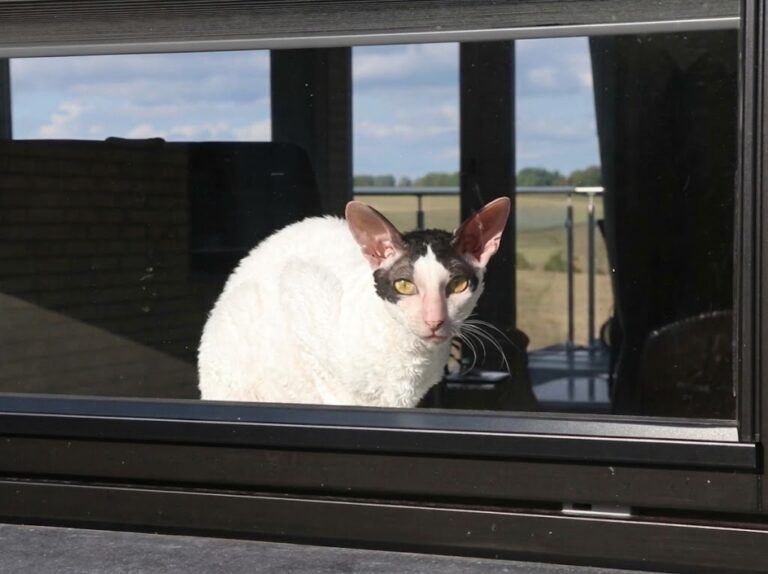
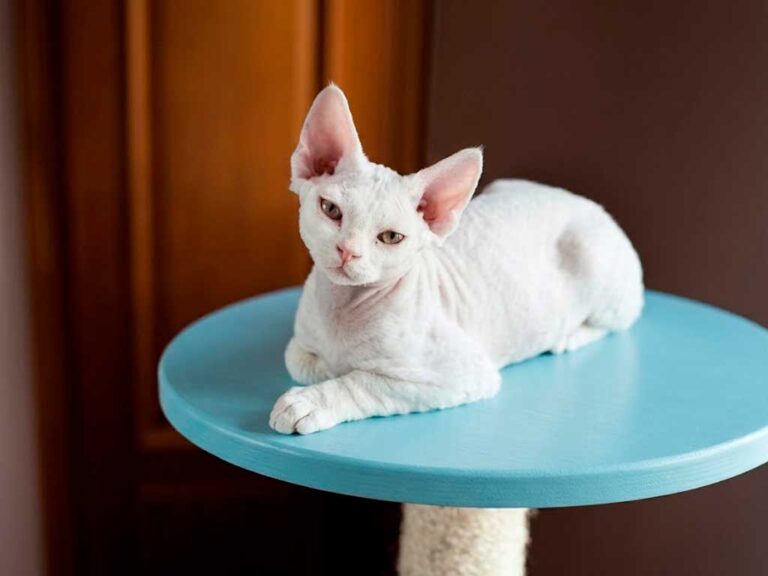
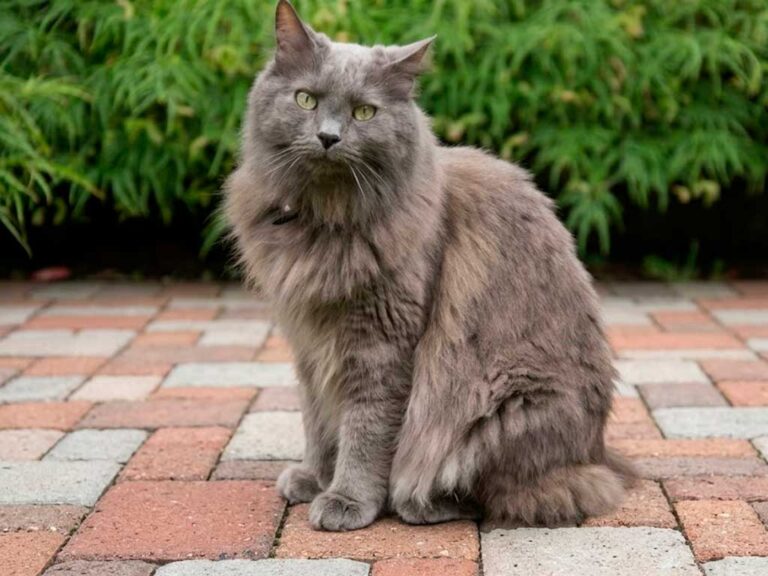
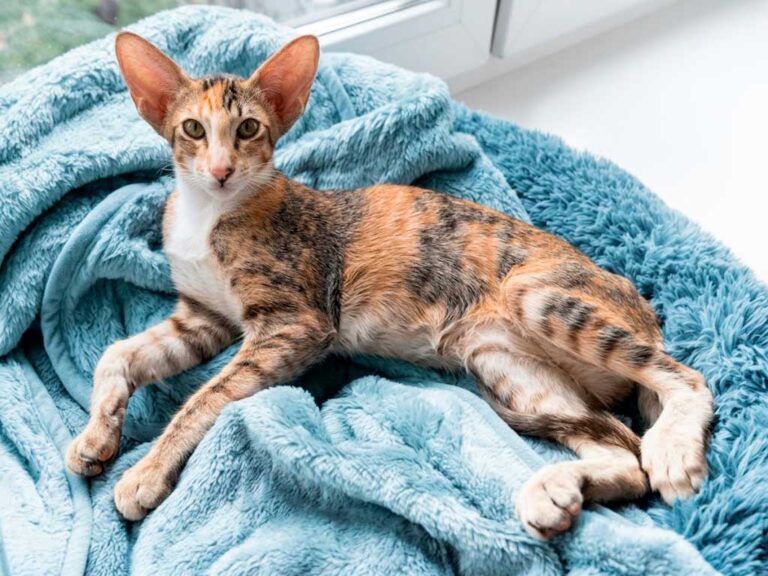
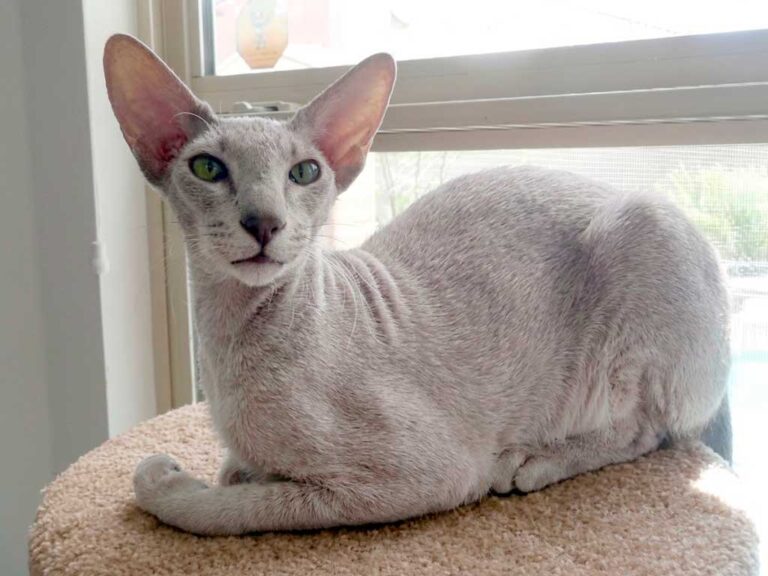
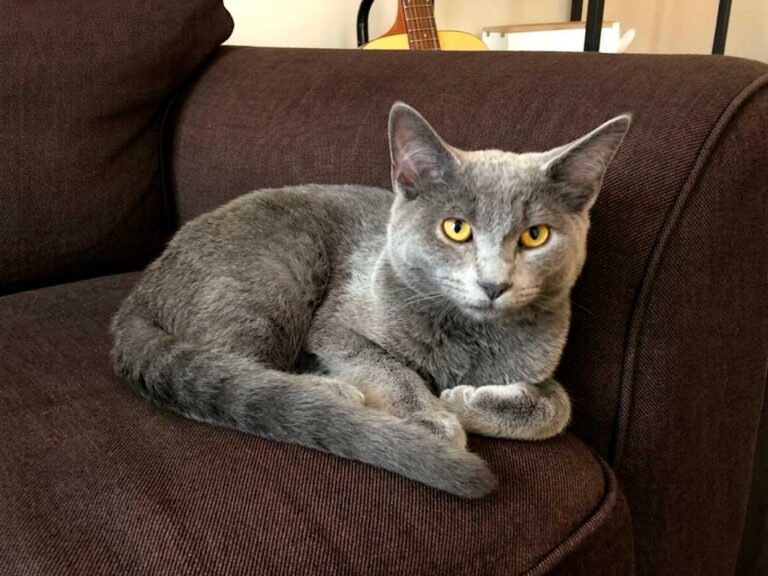
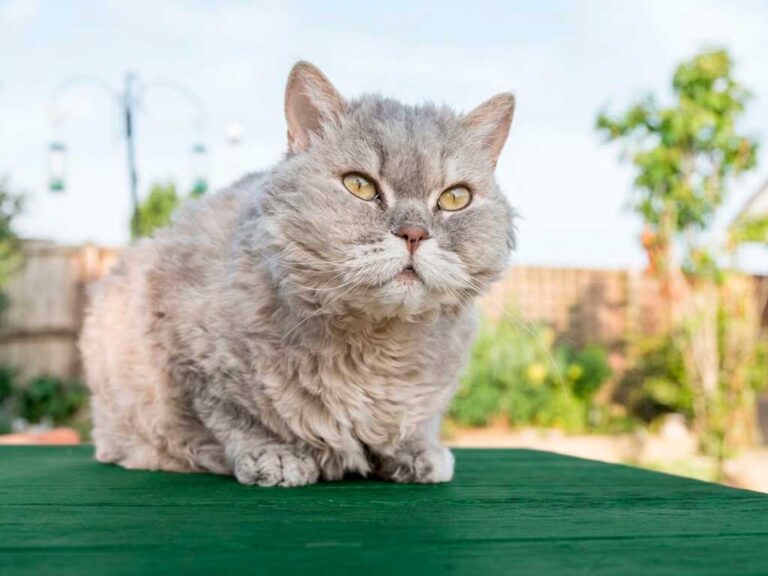
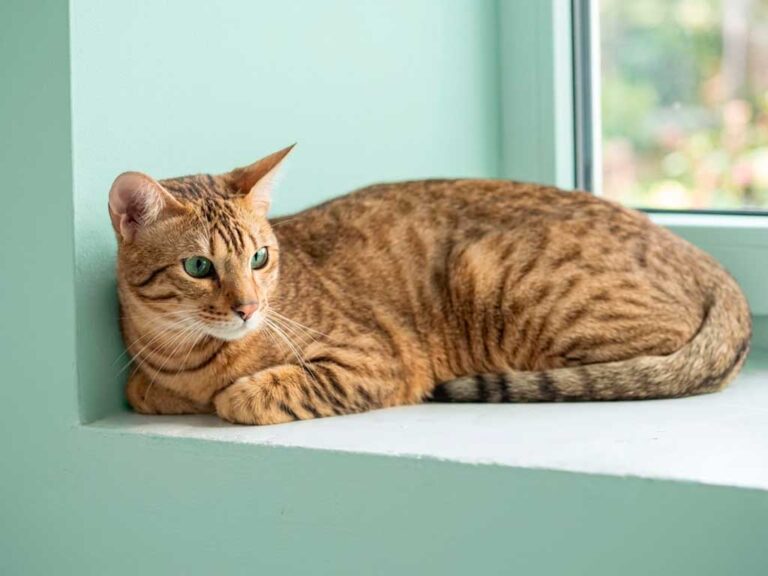
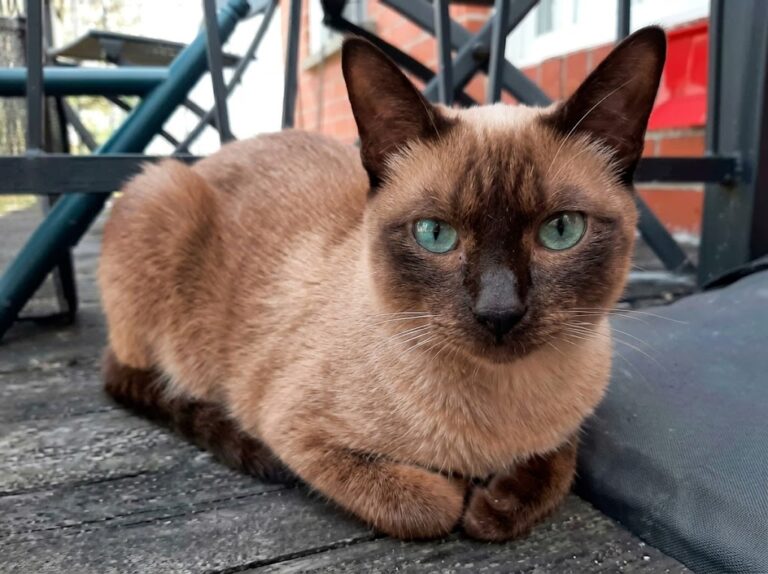
Breeds commonly recommended for allergy-sensitive households: Devon Rex, Sphynx, Balinese, Siberian, Oriental Shorthair, Russian Blue, Cornish Rex, LaPerm, and Javanese. Full profiles for each are below in the A-Z directory.
Hairless Cat Breeds
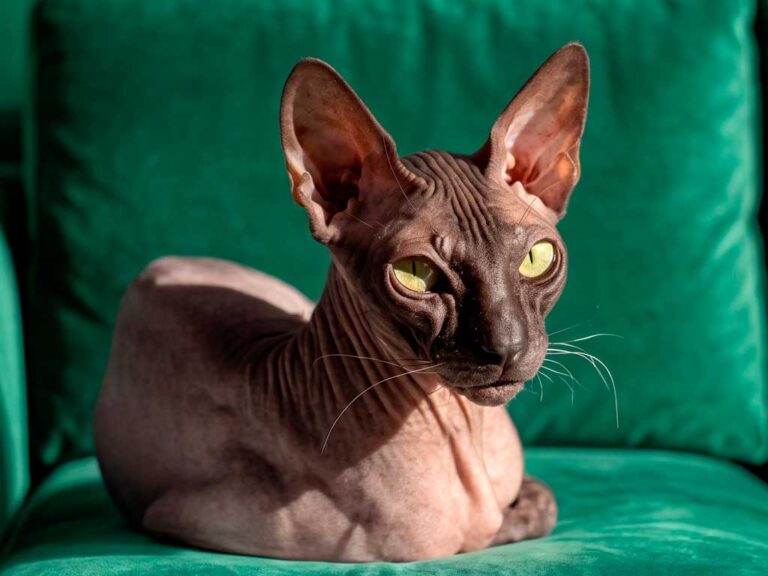
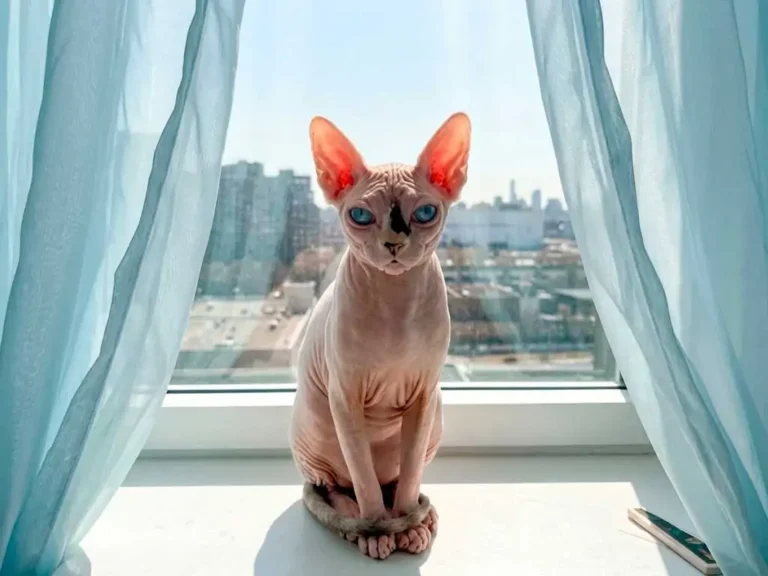
Four breeds skip fur almost entirely, or come close: Sphynx, Donskoy, and Peterbald, along with the partially-coated Lykoi. These breeds need sunscreen outdoors, regular bathing to manage skin oils that fur would normally absorb, and warmer indoor temperatures than a coated cat.
Large Cat Breeds
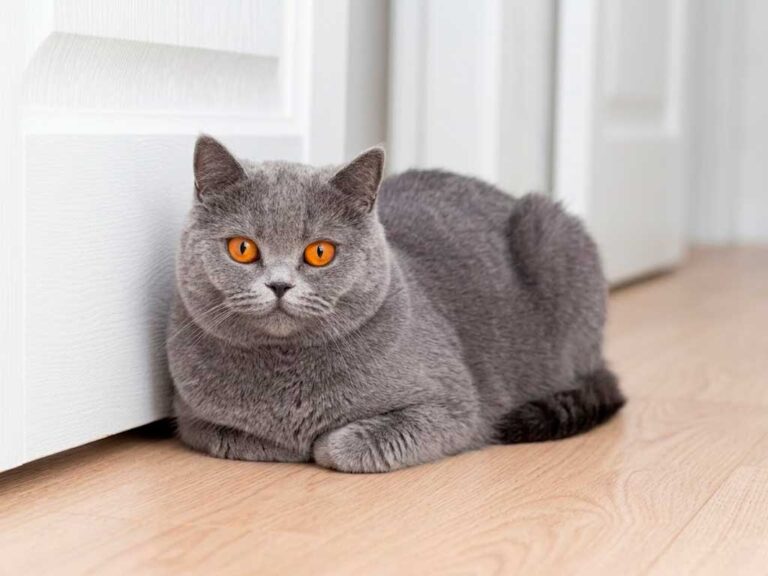
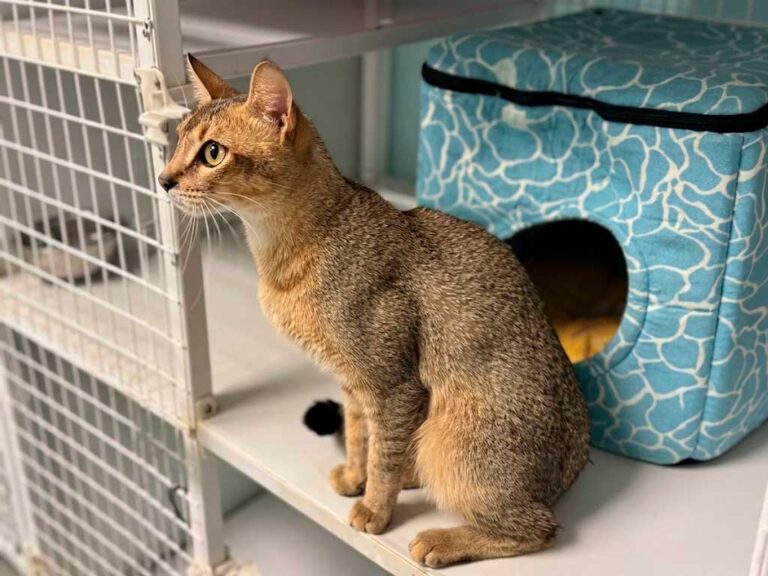
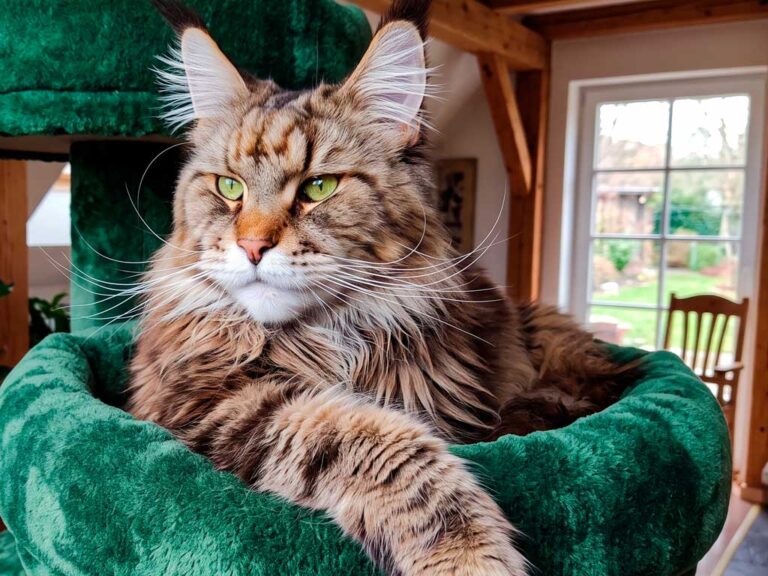
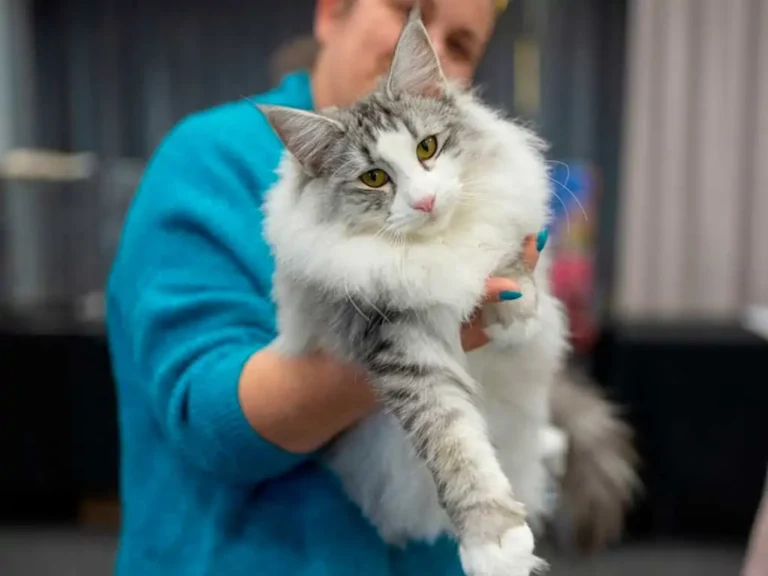
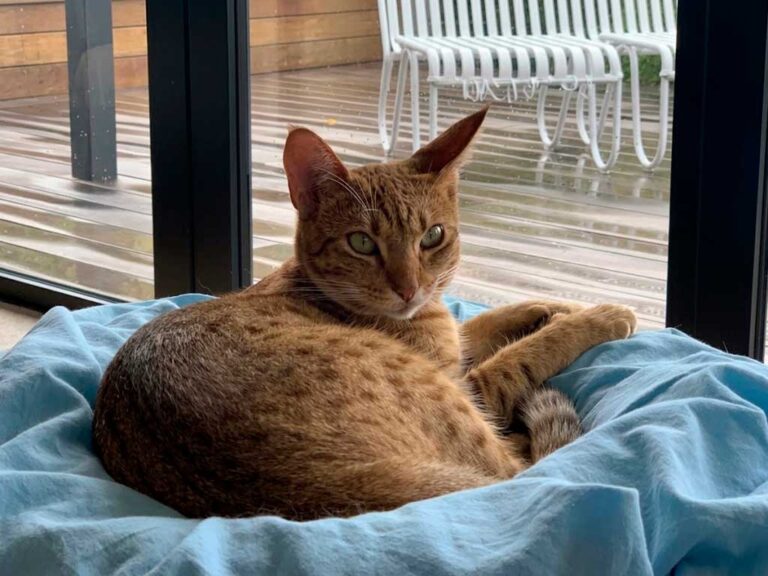
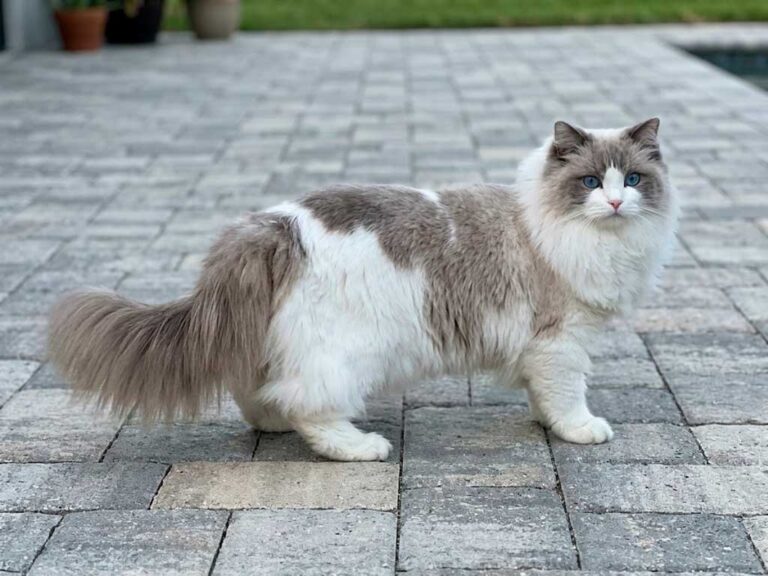
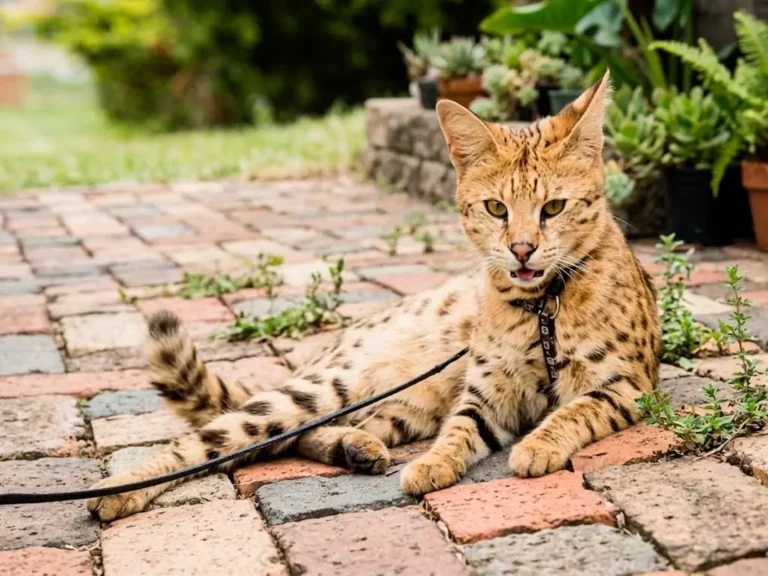
If you want a cat with real physical presence, look at Maine Coon, Ragdoll, Savannah, Norwegian Forest Cat, Siberian, British Shorthair, and Chausie. Several of these can reach 15-20 pounds at maturity, so factor in a sturdier litter box and cat tree than you’d buy for an average-sized cat.
Small Cat Breeds
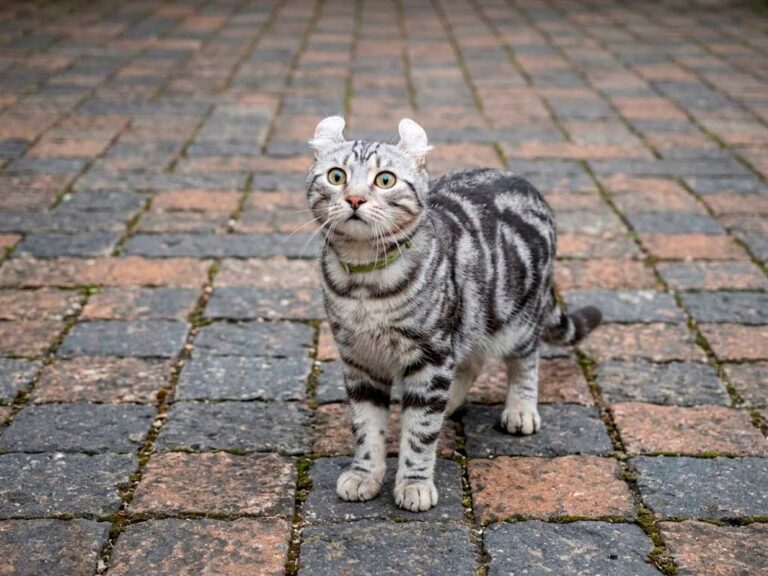
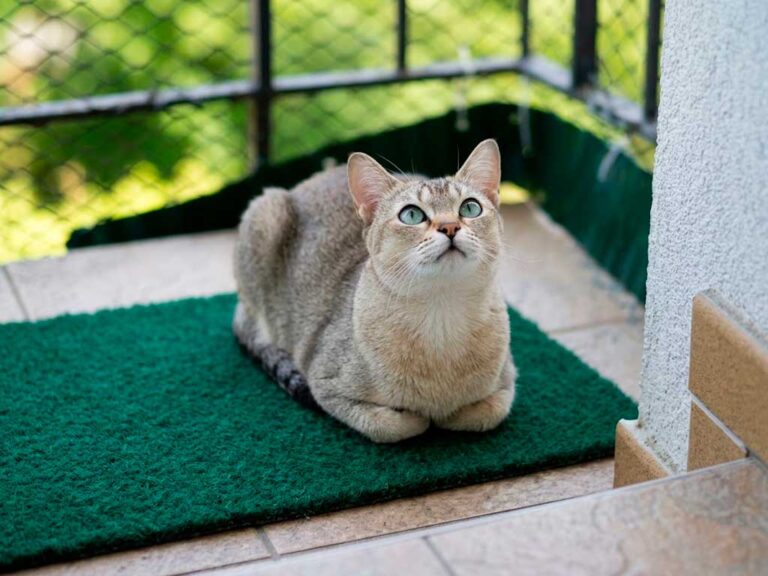
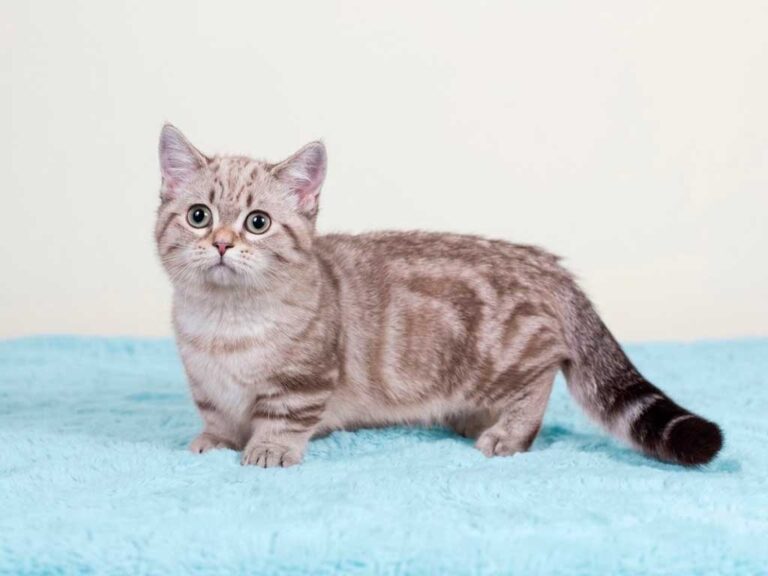
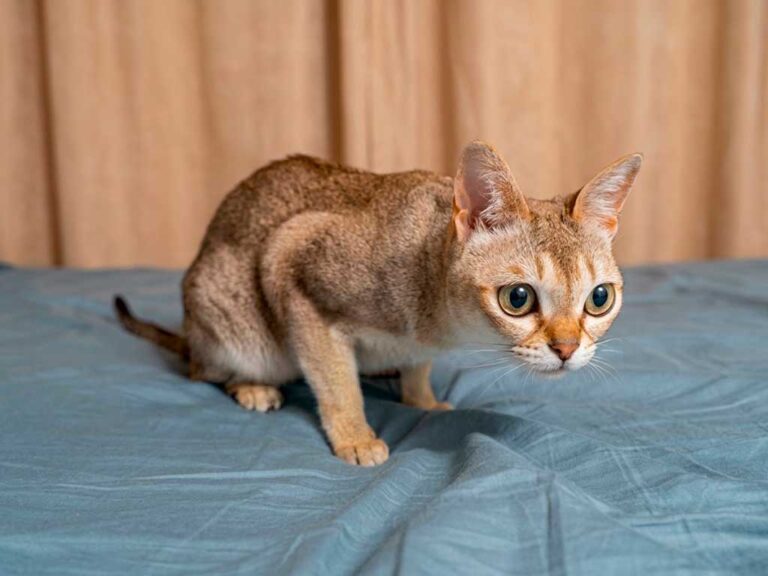
On the other end, Singapura, Munchkin, American Curl, Devon Rex, and Cornish Rex run noticeably smaller and lighter than the average domestic cat. Small size doesn’t mean low energy, though Devon Rex and Cornish Rex in particular are famously active.
Fluffy & Longhair Cat Breeds
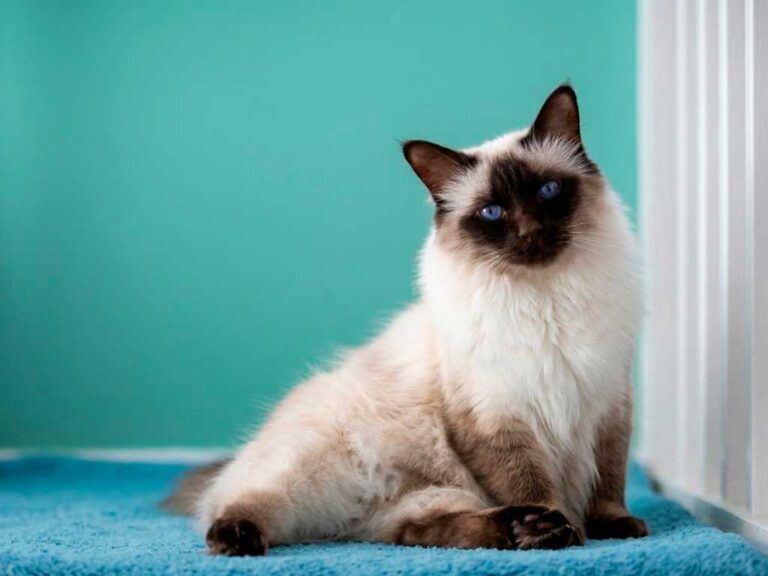
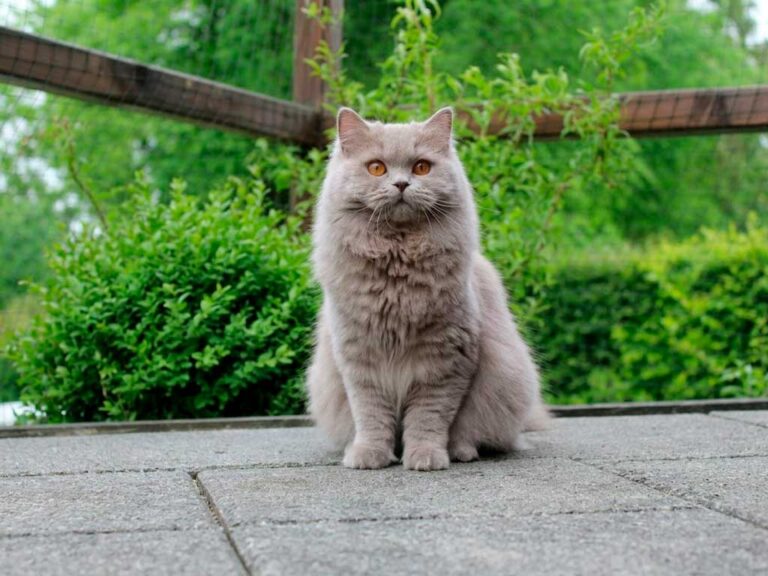
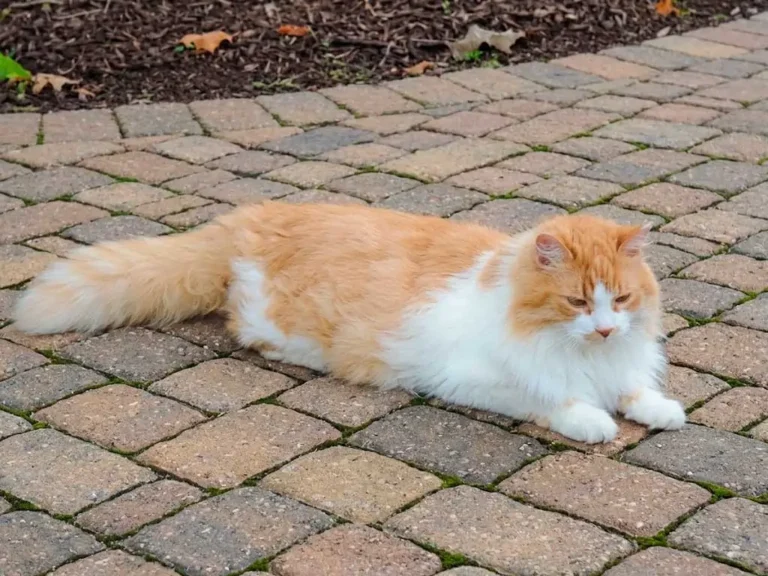
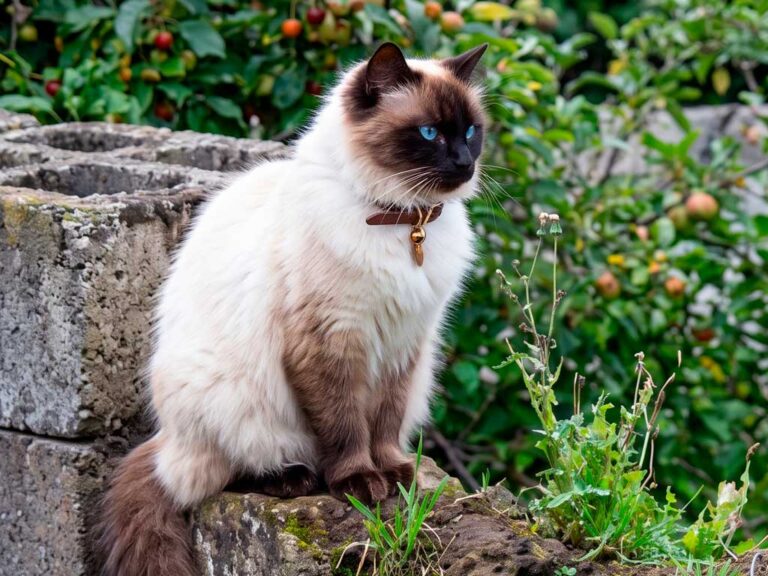
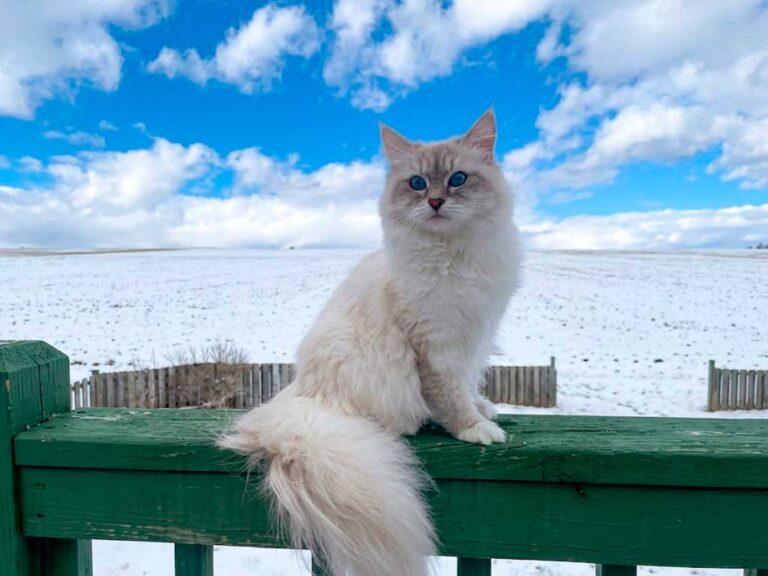
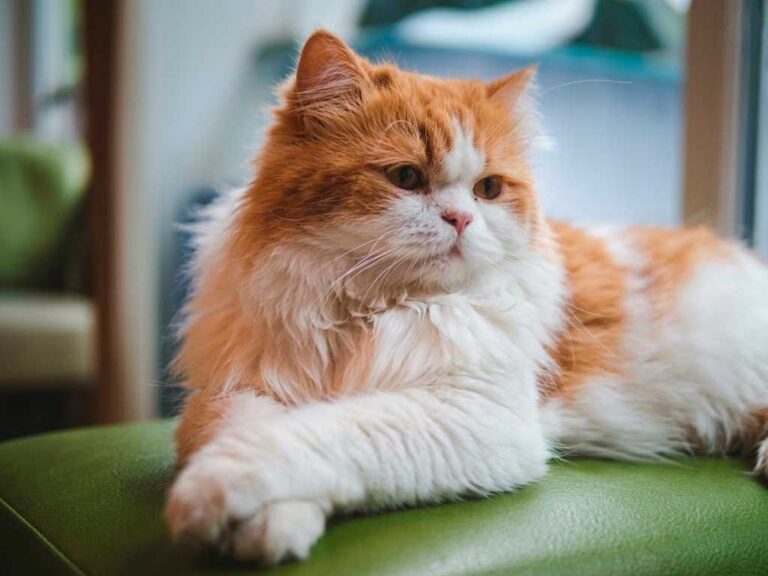
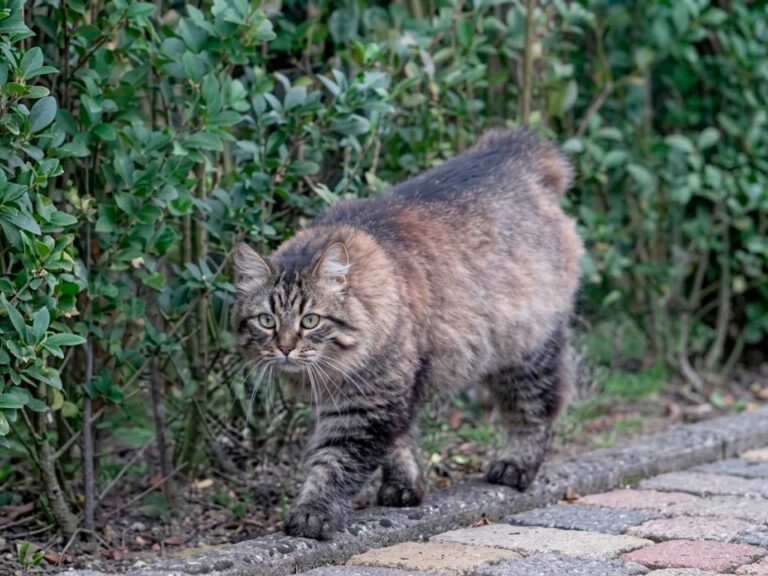
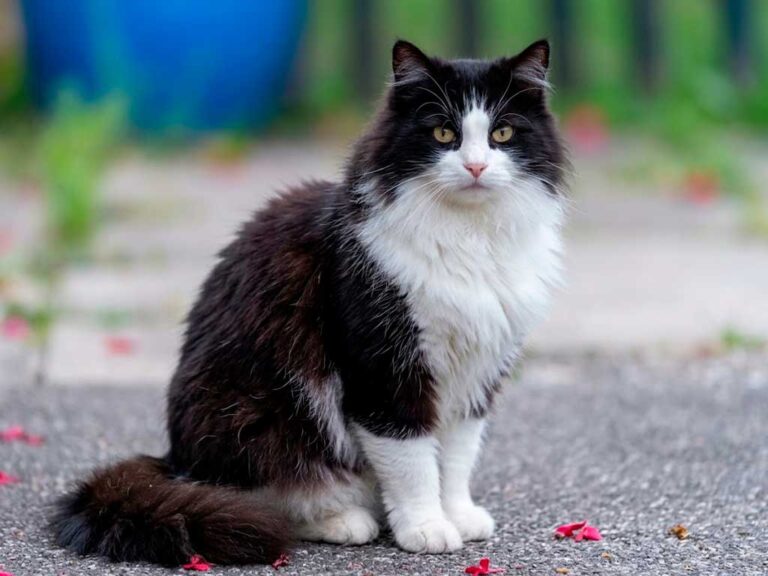
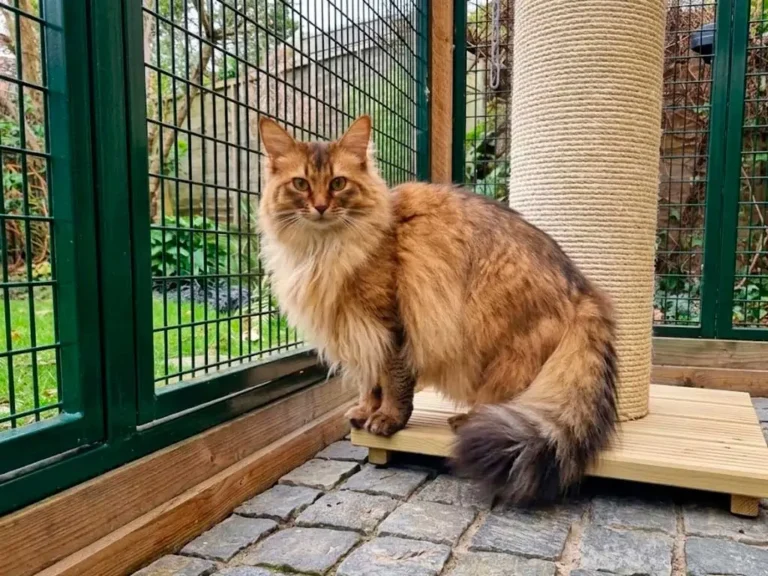
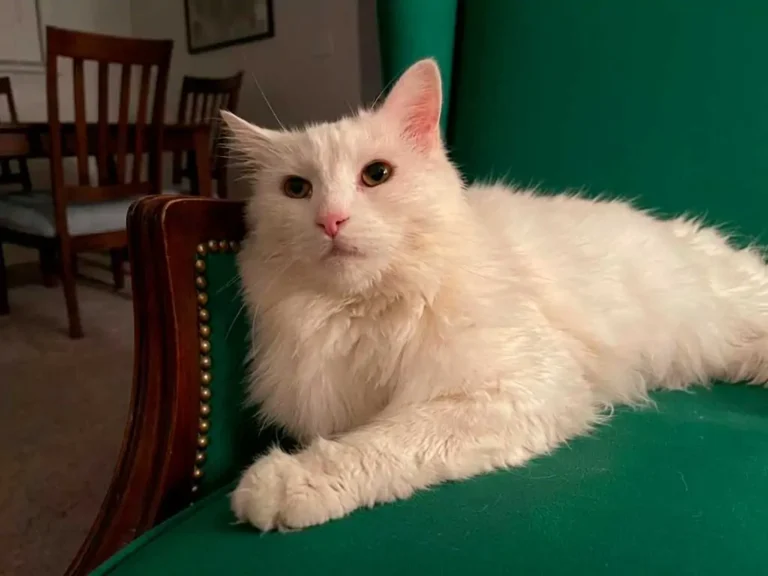
For owners who don’t mind regular brushing: Persian, Maine Coon, Ragdoll, Norwegian Forest Cat, Birman, Turkish Angora, Somali, Balinese, Himalayan, British Longhair, and Ragamuffin all carry long or semi-long coats that need weekly to daily grooming, depending on the breed.
Complete A-Z Cat Breed Directory
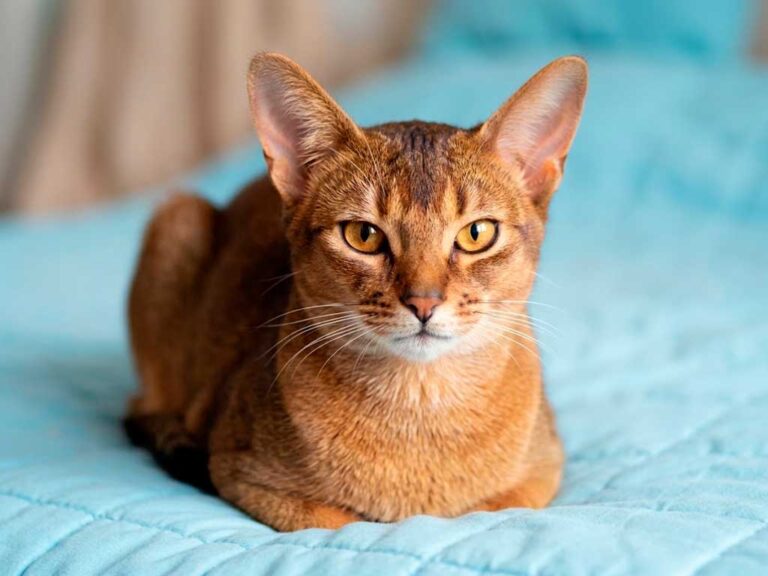
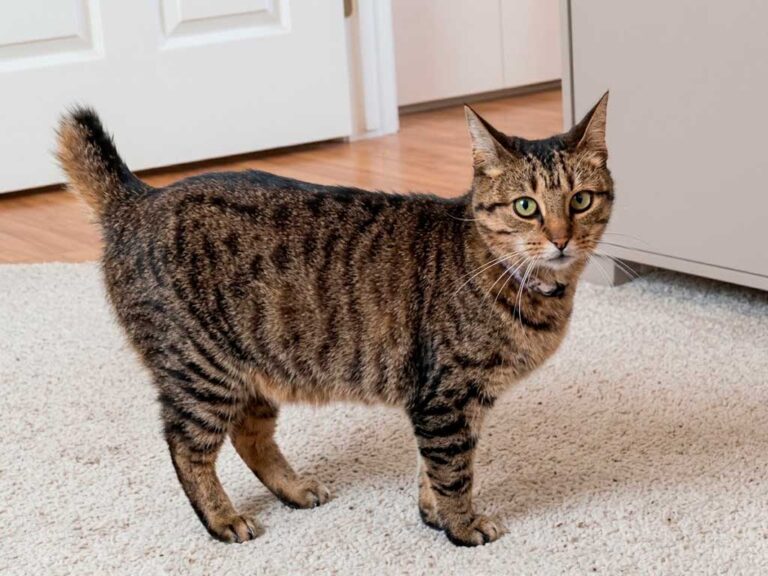
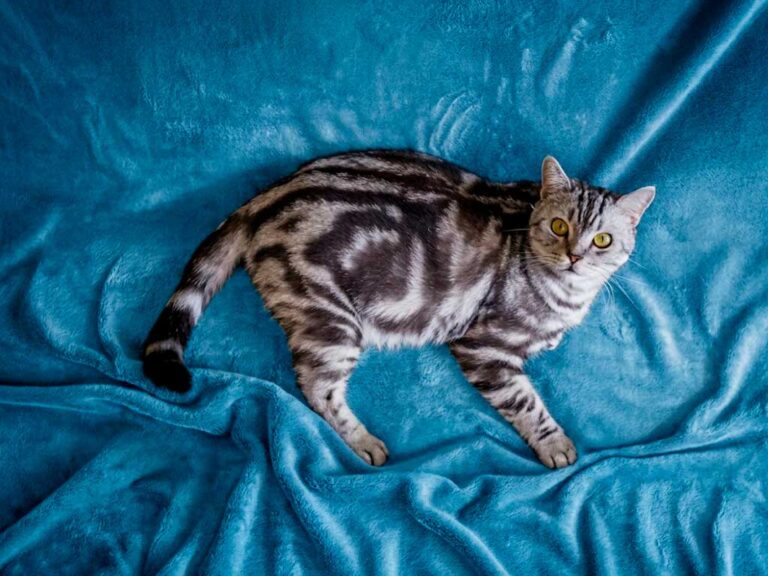
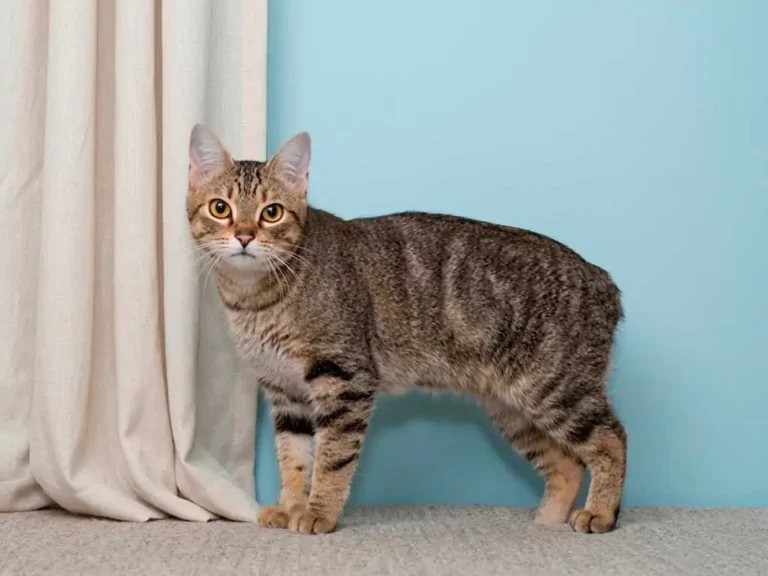
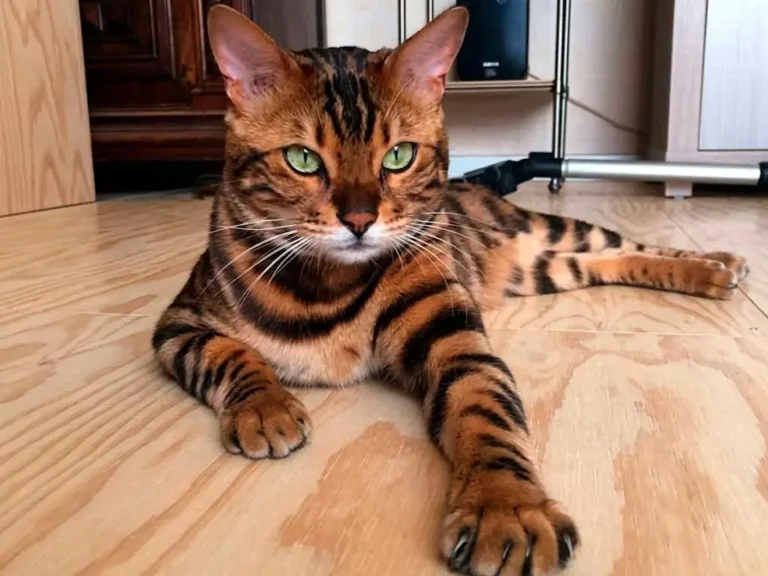
Every breed below follows the same format coat, size, and personality at a glance, plus one fact that actually explains something about the breed rather than just describing what it looks like.
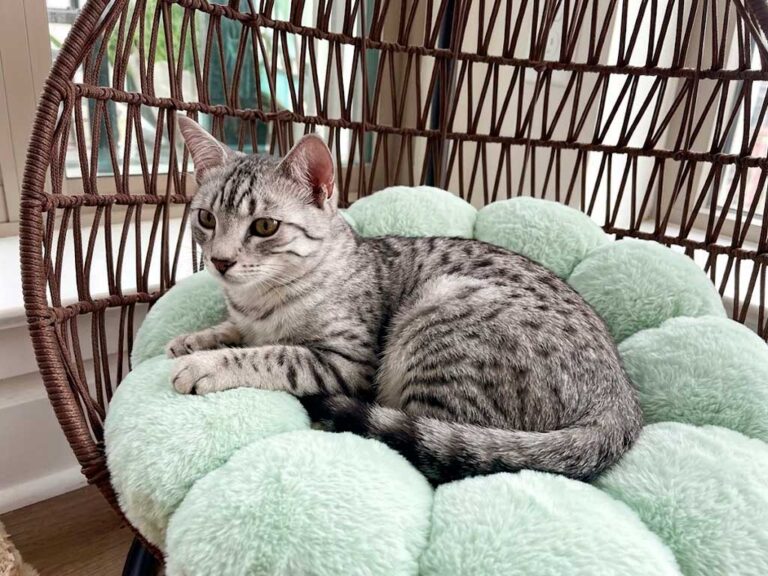
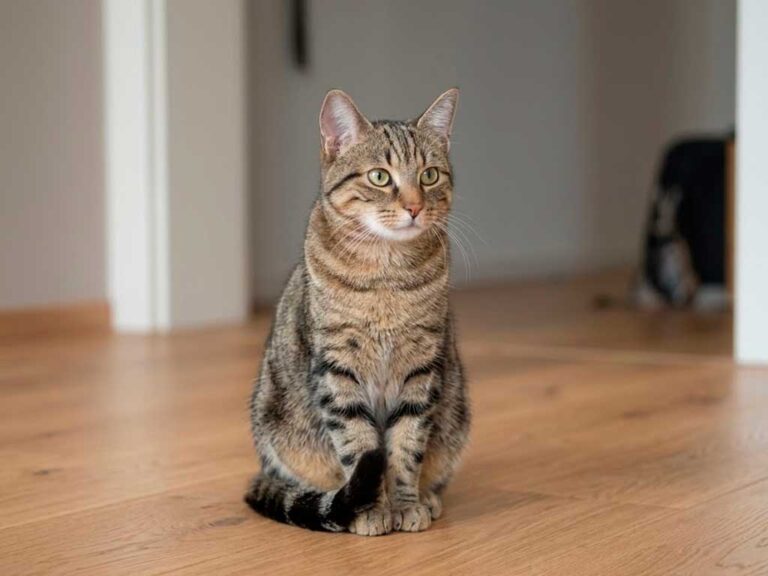
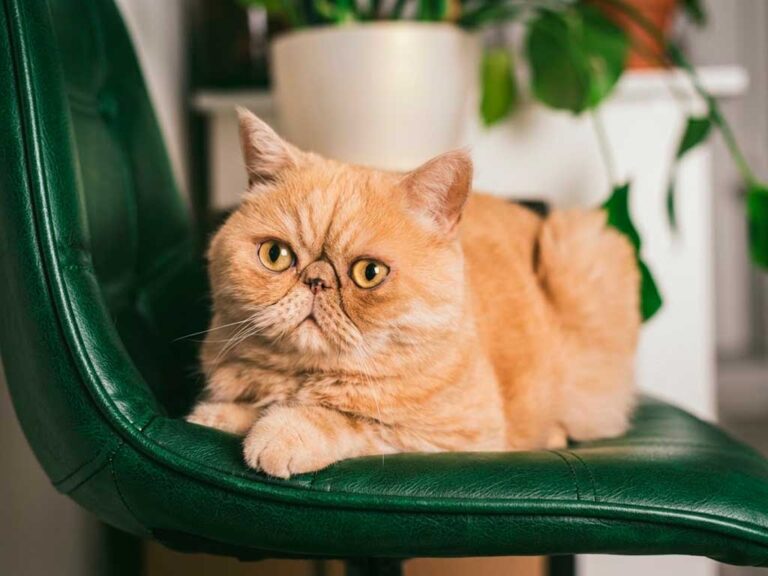
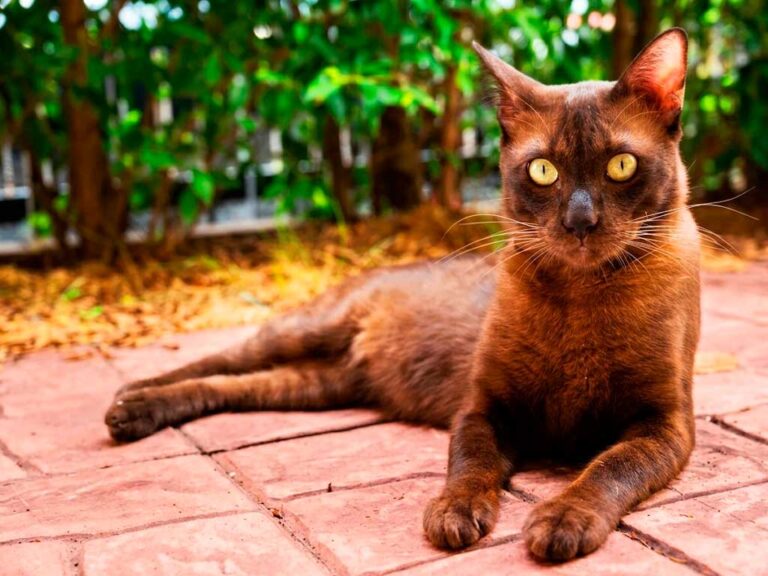
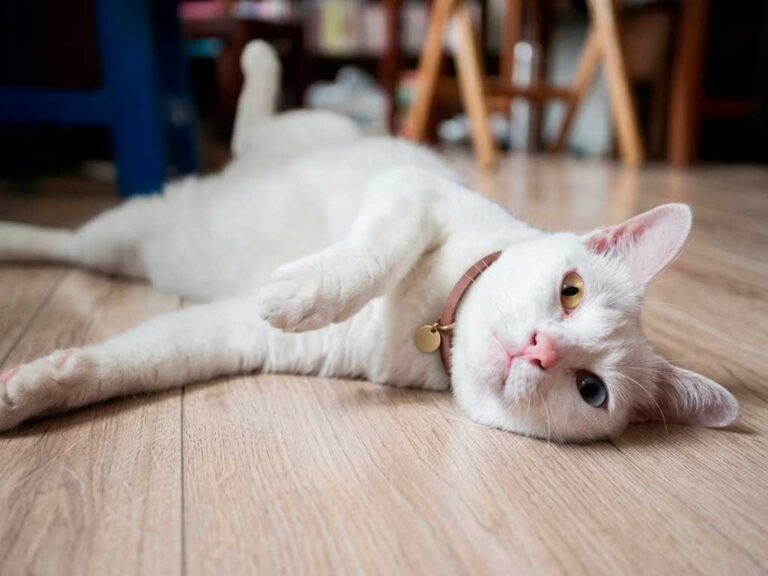
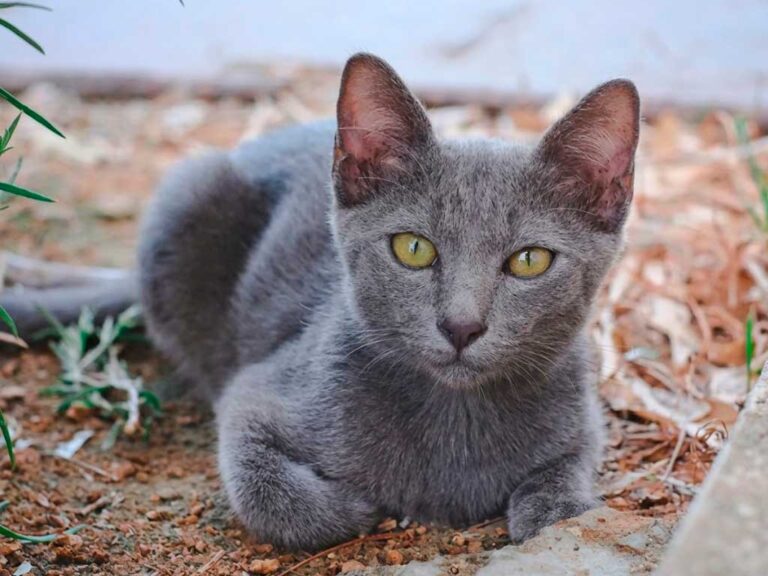
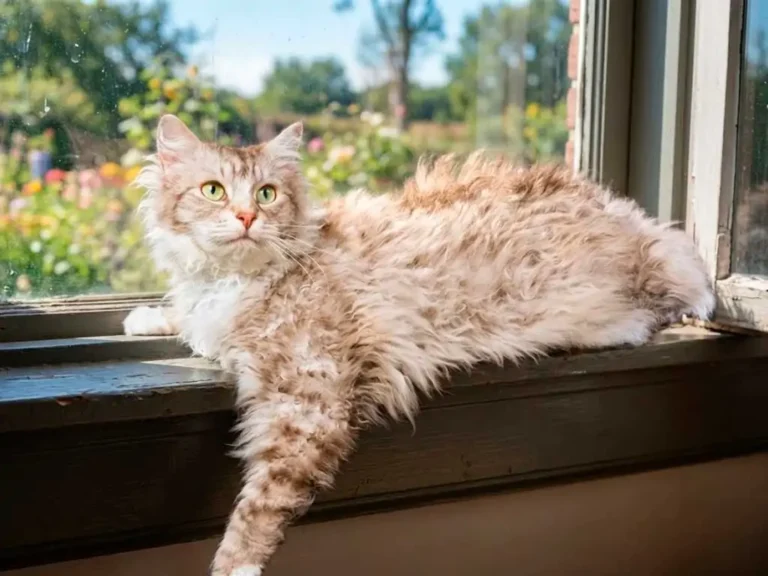
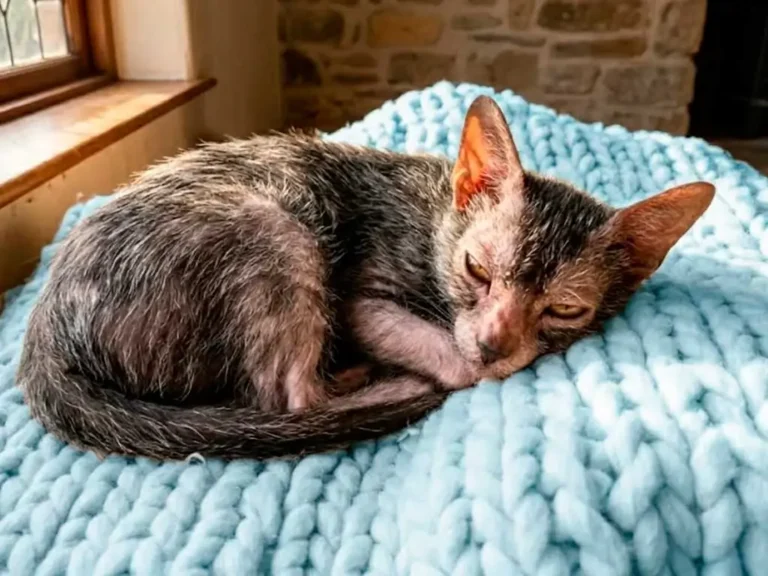

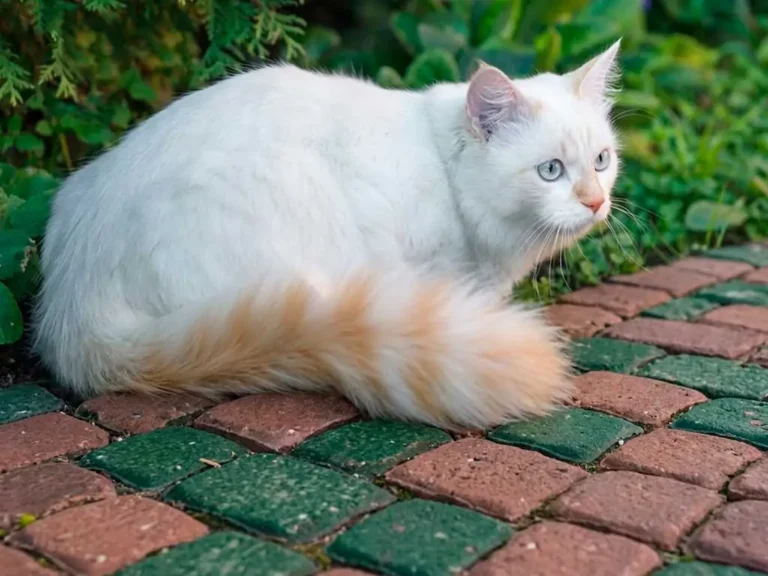
Fifty-eight breeds is a lot to compare, but the decision usually comes down to three things: how much space you have, how much grooming you’re willing to do, and how much noise and energy you actually want in your home. Start there, and the right breed tends to reveal itself pretty quickly.
Health Disclaimer: This guide is for educational purposes only and doesn’t replace professional veterinary advice. Several breeds mentioned above carry known genetic health predispositions if you’re considering a specific purebred, ask a veterinarian or reputable breeder about relevant health screening before adopting.
For deep-dive guides on individual breeds, explore the rest of the cat section on Happy Pet Zone.
Frequently Asked Questions
Fifty-eight breeds is a lot to compare, but the decision usually comes down to three things: how much space you have, how much grooming you’re willing to do, and how much noise and energy you actually want in your home. Start there, and the right breed tends to reveal itself pretty quickly.
Health Disclaimer: This guide is for educational purposes only and doesn’t replace professional veterinary advice. Several breeds mentioned above carry known genetic health predispositions if you’re considering a specific purebred, ask a veterinarian or reputable breeder about relevant health screening before adopting.
For deep-dive guides on individual breeds, explore the rest of the cat section on Happy Pet Zone.