Singapura Cat: Singapore’s Icon, Born in America
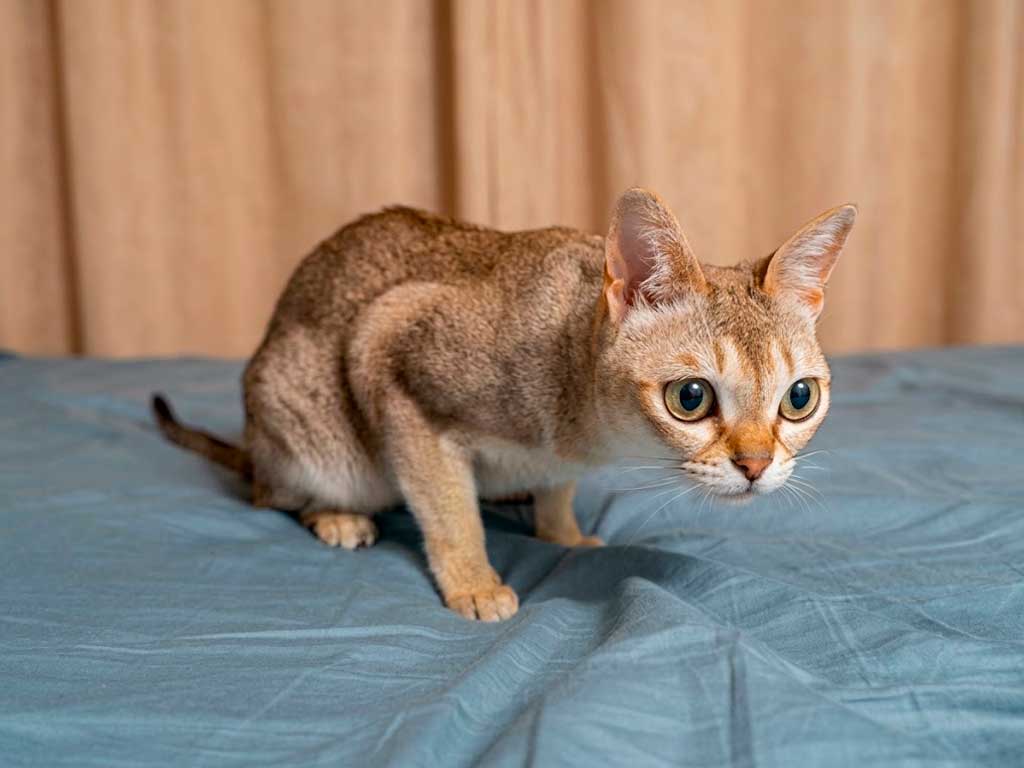
Here’s what’s really going on with Singapore’s official tourism mascot: the founder of the breed admitted, on the record, that she made the origin story up. The Singapura cat is one of the smallest pedigreed cats in the world, sold for decades on a “rescued Singapore street cat” story that its own creator later confessed wasn’t true.
History and Origin
In 1974, American breeders Tommy and Hal Meadow moved to Singapore, and Tommy — already an established Abyssinian and Burmese breeder — told the world she’d found three small, brown-ticked kittens abandoned in a storm drain. She named them Tess, Tickle, and Pusse, brought them back to the US in 1975, and built a breeding program around the story that these were Singapore’s native “drain cats,” known locally as kucinta.
The Cat Fanciers’ Association accepted the breed for registration in 1981 and granted championship status in 1988. Singapore’s Tourism Board adopted the cat as its official mascot in 1991, embracing the romantic story of a scrappy street survivor gone global.
Then the story fell apart. In 1990, Tommy Meadow admitted to The Straits Times that she’d fabricated it. Her revised account: the foundation cats were actually born in the US, descended from four Singapore strays her husband had quietly brought back in 1971 during a business trip he couldn’t discuss for confidentiality reasons. The Singapore Cat Club went further, alleging Meadow had simply crossed her own Abyssinian with a local cat. The CFA investigated and ultimately took no action, keeping the Singapura’s “natural breed” status intact. Later DNA studies found the Singapura’s genetic profile nearly matches the American Burmese, suggesting the breed may be more manufactured than discovered. Despite all of it, Singapore never dropped the mascot.
Physical Characteristics
Whatever its true origin, there’s no faking the look. The Singapura is one of the smallest cat breeds recognized anywhere, with males running 6 to 8 pounds and females often under 6. Every registered Singapura shares a single coat color called sepia agouti — warm ivory with dark brown ticking, plus distinctive dark “cheetah lines” running from the inner eye down the nose bridge. Large, expressive almond eyes in hazel, green, or yellow give the breed its famous imploring look.
Temperament and Personality
Your cat isn’t hovering by accident if it’s a Singapura — this breed treats “helping” as a full-time job. Curious, playful, and determined, Singapuras want to be involved in whatever you’re doing, whether that’s cooking, typing, or making the bed. CFA describes them as taking control of their environment so effortlessly that owners barely notice they’ve been managed. They stay playful well into adulthood and are generally quiet, though they can surprise you with a loud voice when something’s actually worth commenting on. One thing to plan around: this breed startles easily at loud, sudden noise.
Care Guide
Diet and Nutrition
No special dietary needs beyond a quality protein-forward diet suited to an active, muscular small cat. Portion sizes should reflect their genuinely small frame rather than a standard adult-cat serving.
Exercise Requirements
Small doesn’t mean low-energy. Singapuras are muscular, solid, and love to climb, so cat trees and regular interactive play matter more than their size might suggest.
Grooming Needs
The short, close coat barely sheds and needs only a weekly combing, which doubles as bonding time. Baths are rarely necessary outside of show prep.
Health and Longevity
Singapuras are generally healthy, but a genetic diversity study found they carry among the least genetic diversity of any studied breed, tied closely with the Burmese. Two conditions worth knowing about: pyruvate kinase deficiency, which can cause anemia and currently has no treatment beyond bone marrow transplant, and uterine inertia, a weak-muscle condition that often means Singapura litters need to be delivered by cesarean section rather than born naturally.
Health Disclaimer: This guide is for educational purposes only and doesn’t replace professional veterinary advice. Ask breeders about genetic testing history, and keep regular wellness exams on the calendar regardless of the breed’s generally healthy reputation.
Is This the Right Cat for You?
A Singapura suits someone who wants a genuinely tiny cat with a huge personality and doesn’t mind constant “help” with everyday tasks. It’s a poor match for a loud household, since sudden noise genuinely rattles this breed. Because Singapuras remain a minority breed with relatively few breeders, expect a wait for a kitten — and it’s worth checking shelters first, since they occasionally turn up there too.
Frequently Asked Questions
Is the Singapura cat really from Singapore?
The origin is genuinely disputed. The breed’s own founder admitted in 1990 that the “rescued street cat” story was fabricated, and DNA testing suggests a close genetic match to the American Burmese. Singapore still uses the cat as its tourism mascot regardless.
How big do Singapura cats get?
This is one of the smallest pedigreed cat breeds. Males typically weigh 6 to 8 pounds, females often 4 to 6 pounds.
What does “kucinta” mean?
It’s a blend of the Malay words for “cat” (kucing) and “love” (cinta) — Singapore’s affectionate local name for the breed.
Are Singapura cats good with families?
Yes, generally — they’re affectionate and playful, though their sensitivity to loud noise is worth considering in a boisterous household.
How rare are Singapura cats?
Quite rare. There are relatively few breeders worldwide, so expect a wait list for a kitten, and it’s worth checking rescues too.
Whatever actually happened in a Singapore storm drain or a Houston cattery decades ago, the Singapura earned its fans honestly — through sheer, oversized personality packed into one of the smallest cats you’ll ever meet.
Browse more breed profiles in the full Cat Breeds guide, including the Burmese and Abyssinian, the two breeds DNA testing ties most closely to the Singapura.