American Curl Cat: Breed Guide, Personality & Price
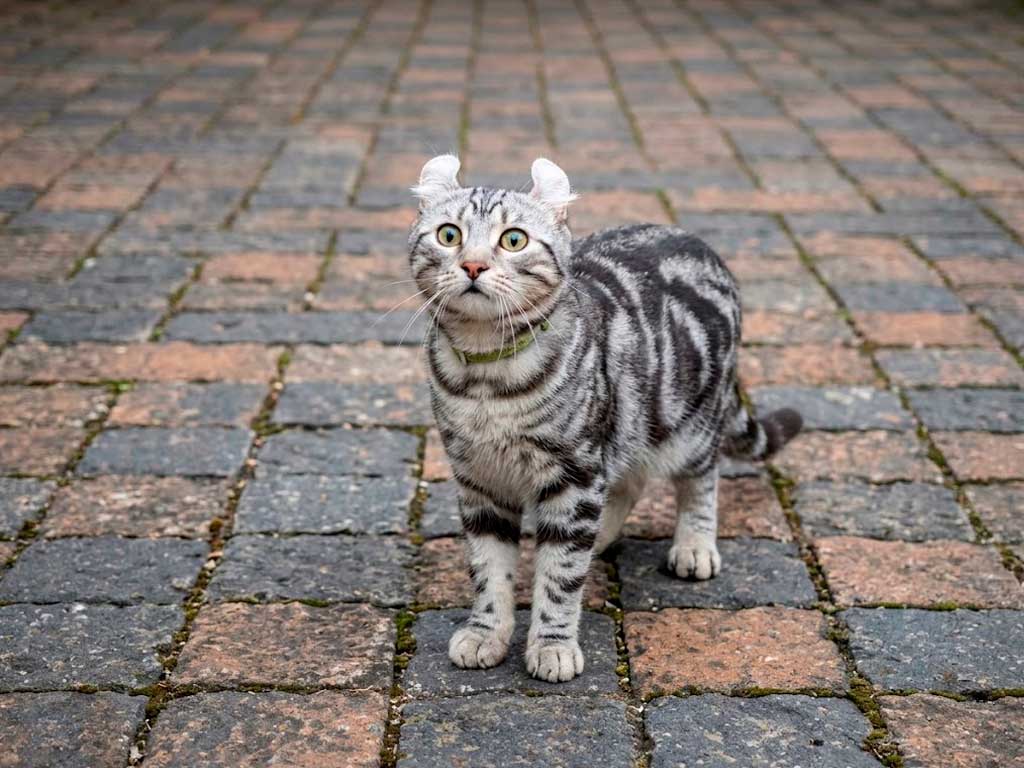
Your cat isn’t wearing a permanent expression of surprise those swept-back ears are just how the breed is built. If you’ve ever done a double take at a cat whose ears curl backward like tiny question marks, you’ve met an American Curl.
Spoiler: every single one of these cats traces back to one stray kitten who showed up on a doorstep in 1981. Here’s the story behind those ears, and everything that comes with owning one.
Quick Facts: Small to medium cat, 5-10 lbs. Ears curl backward within days of birth and fully set by 16 weeks. Lifespan runs 12-16 years. Comes in short and long coat, any color.
History: One Kitten Named Shulamith
In 1981, a black longhaired stray kitten wandered up to Joe and Grace Ruga’s home in Lakewood, California. Her ears curled backward in a way nobody in the family had seen before. They named her Shulamith.
What looked like a fluke turned out to be a spontaneous genetic mutation, and a friendly one the curl trait passes to kittens without any of the joint or cartilage problems that come with some other unusual-eared breeds. Shulamith’s kittens all carried the trait, since it’s dominant: a kitten only needs one copy of the gene to end up with curled ears.
The Cat Fanciers’ Association and TICA both recognized the American Curl within a few years, and breeders outcrossed to domestic shorthairs and longhairs to build a standard around a cat that, until then, existed nowhere else.
Word of the curly-eared cat spread fast. TICA officially recognized the breed in 1987, just six years after Shulamith first showed up, which is a remarkably quick turnaround for a brand-new breed built around a single foundation cat.
What Makes This Breed Unique
Here’s the part that surprises new owners: American Curl kittens are born with straight ears. The curl doesn’t show up until three to five days old, and it keeps changing shape until the ears fully “set” around 16 weeks which is also when breeders can tell a pet-quality curl from a show-quality one.
The degree of curl varies a lot, from a gentle arc to a tight 180-degree curve. No two Curls look quite the same, and unlike the Scottish Fold’s cartilage mutation, this one doesn’t come bundled with joint problems it’s simply cosmetic.
American Curl vs. Scottish Fold: Not the Same Mutation
People mix these two up constantly, and it’s worth clearing up: the Scottish Fold’s ears fold forward due to a cartilage mutation that can also affect joints throughout the body, sometimes painfully. The American Curl’s ears curl backward from a completely different, unrelated gene that carries no known link to joint or cartilage issues. Same general idea unusual ears but genetically and medically, they’re not comparable.
American Curl Personality and Temperament
Your cat isn’t just curious it wants to be involved in literally everything you’re doing. American Curls trail their people from room to room, not out of anxiety but because they genuinely want to be part of the activity, whether that’s cooking dinner or folding laundry.
They keep a kitten-like energy well into adulthood, which means interactive toys and cat trees aren’t optional extras they’re what keeps that curiosity from turning into mischief. Most get along easily with kids, dogs, and other cats, and many will happily ride around on a willing shoulder.
Vocally, they’re on the quieter side, communicating more through presence than noise. Positive-reinforcement training goes a long way with this breed plenty of Curls learn to fetch, come when called, or walk on a harness.
Caring for an American Curl
A high-quality diet formatted to life stage covers the basics, and portion control matters more than people expect this breed’s playful nature doesn’t make it immune to weight gain, and obesity is a common issue across cat breeds generally.
Kittens do best on frequent small meals up to four a day while adults typically settle into two. Look for food that lists real meat as the first ingredient and meets AAFCO nutritional standards for the cat’s life stage, and keep treats under 10% of daily calories to avoid working against that lean, athletic build.
Coat care is genuinely easy: a single, silky coat with minimal undercoat means a weekly brush is usually enough to keep shedding down, on both the shorthair and longhair versions. Baths are rarely needed.
Good enrichment options for this breed: wand toys and feathers to chase, small balls or springs to bat around, tall perches for surveying the room, and the occasional shoulder ride for cats that enjoy it. Two 15-minute play sessions a day go further than one long one.
Ear Care and Health
This is the section that matters most for this breed, so it’s worth its own space. The curled ear shape traps wax more easily than a standard ear does, which creates a welcoming environment for bacteria and yeast making American Curls more prone to ear infections than the average cat.
Watch for head shaking, scratching at the ears, odor, or discharge, and get in the habit of gentle, regular ear cleaning with a vet-approved solution. The ear cartilage itself is delicate, so ask your vet for a proper cleaning demonstration rather than guessing.
Beyond the ears, American Curls are a generally healthy breed with no confirmed breed-specific genetic conditions tied to the curl gene itself. Dental disease is worth watching, as it is in every breed daily or near-daily brushing makes a real difference.
Health Disclaimer: This guide is for educational purposes only and doesn’t replace professional veterinary advice. If your American Curl shows signs of ear discomfort head shaking, scratching, odor, or discharge schedule a vet visit rather than treating it at home.
American Curl Colors and Patterns
Like several breeds in this cluster, the American Curl comes in essentially any genetically possible color and pattern solid, tabby, tortoiseshell, pointed, bi-color, and more, in both short and long coat lengths. There’s no single “standard” Curl look beyond the ears themselves.
American Curl Price and Where to Find One
Expect to pay roughly $1,000 to $2,500 for a kitten from a registered breeder. This is a genuinely rare breed rarer even than the American Bobtail covered elsewhere in our Cat Breeds guide and finding one through a shelter or rescue is uncommon simply because the ears make them desirable enough that few end up surrendered.
Part of that rarity comes down to genetics, not just demand because the curl gene is dominant and simple to trace, breeders can’t mass-produce the trait the way some other novelty features get overbred. That’s arguably worked in the breed’s favor: fewer aggressive breeding practices, and a gene pool that stayed healthy precisely because nobody could rush it.
Be ready to wait for a litter, and to travel if you have a specific color or coat length in mind.
Is an American Curl Right for You?
This breed suits people who want an affectionate, people-focused cat that stays playful for life and doesn’t ask for much beyond attention and a weekly brush. If you’re comfortable with a bit of extra ear-care vigilance, the trade-off is minor.
Apartment living works fine for this breed too, as long as vertical space and regular play fill in for the square footage a house might offer. Curls adapt to most home setups without much fuss, which is part of why owners describe them as easy despite the extra ear-care step.
It’s a tougher fit for anyone who wants a low-touch, independent cat American Curls want to be wherever you are, and they notice when they’re not included. Your cat isn’t needy. It’s just decided you’re the most interesting thing in the room.
Frequently Asked Questions
An American Curl’s whole look started with one lucky doorstep visitor in 1981, and every kitten since carries a piece of that story in its ears. Once you get past the double-takes from visitors, what you’re left with is a genuinely devoted, endlessly curious companion.
Browse more breed profiles in the full Cat Breeds guide.