What Are Aquarium Plants?
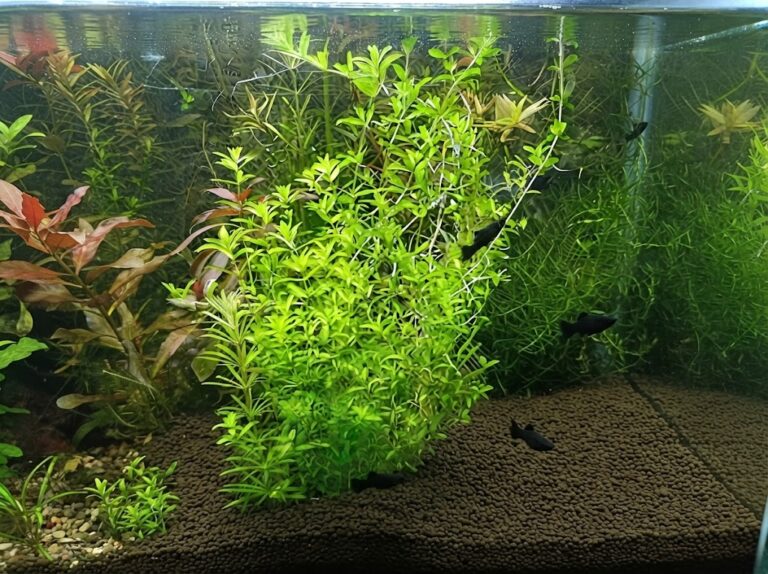
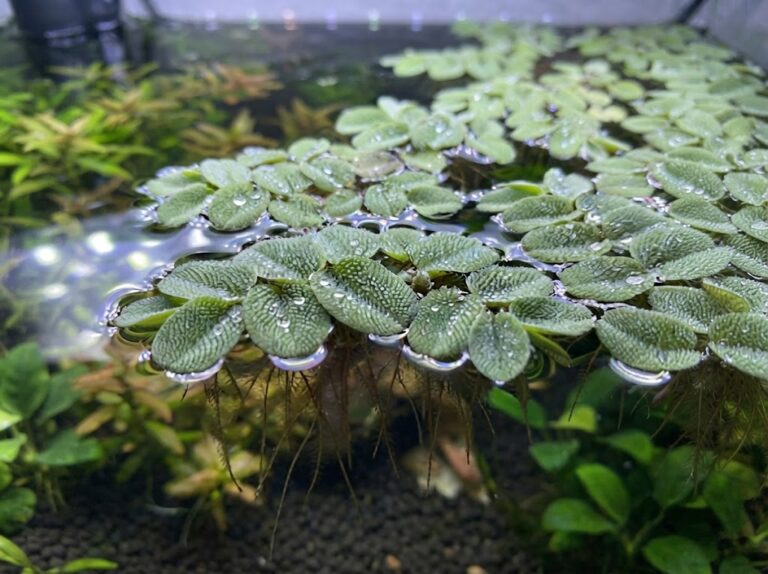
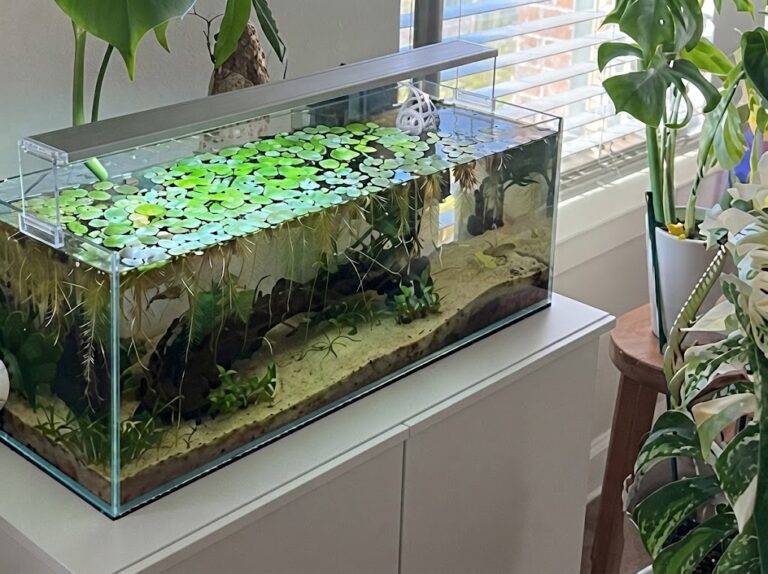
Aquarium plants are live aquatic plants grown in an aquarium to create a more natural environment for fish and other aquatic animals. They come in many forms, from rooted plants such as Amazon Sword and Vallisneria to floating species such as Red Root Floater and Azolla.
Beyond appearance, live plants can provide shelter, cover, and surfaces for small organisms to grow. They also take up nutrients from the water and substrate as they grow, making them an important part of many freshwater aquarium setups.
The key is choosing plants that match your aquarium’s lighting, substrate, available space, and maintenance routine. In practice, the best aquarium plants are the ones that can grow well under the conditions you can consistently provide.
Best Aquarium Plants for Beginners
If you are new to planted aquariums, start with species that tolerate a range of conditions and do not require demanding equipment or intensive maintenance. Among the plants in this guide, these are some of the most beginner-friendly choices:
The best choice depends on your aquarium’s lighting, available space, and maintenance routine. In practice, Java Fern and Java Moss are good starting points when you want simple plants with relatively modest requirements.
Types of Aquarium Plants
Aquarium plants can be grouped by how they grow and where they are positioned in the tank. Understanding these categories makes it easier to choose plants that fit your aquarium and the way you want it to look.
Rhizome Plants
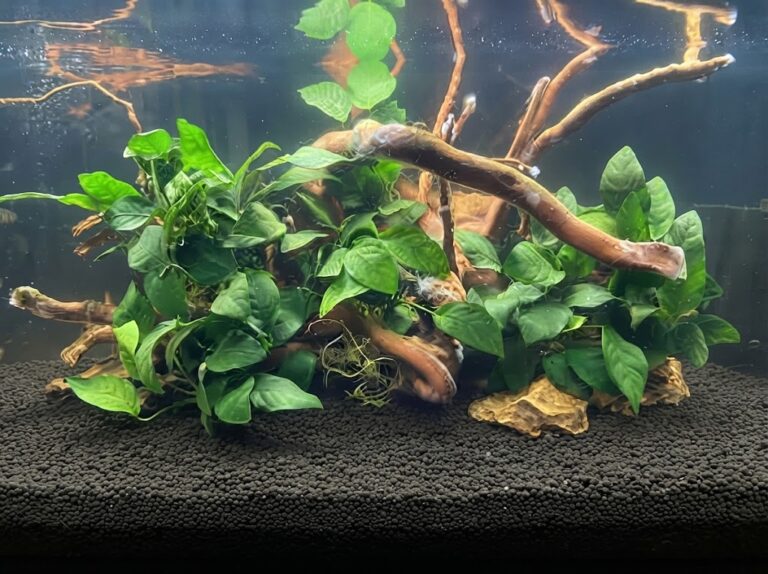
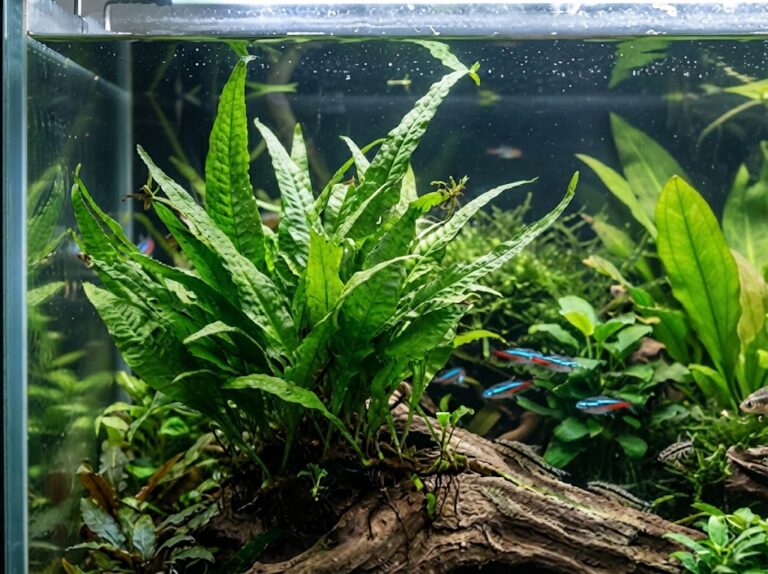
Java Fern grows from a horizontal rhizome rather than being planted deep into the substrate. The rhizome should remain exposed, while the roots can attach to rocks, driftwood, or other surfaces.
Mosses
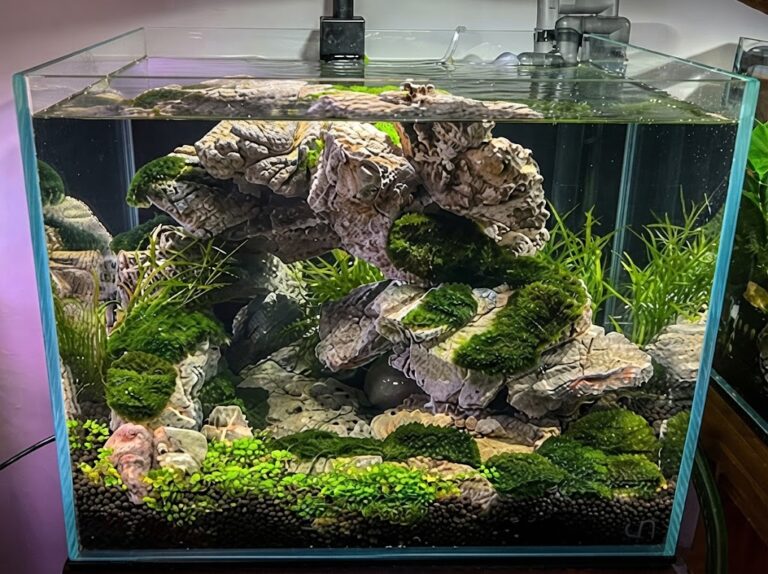
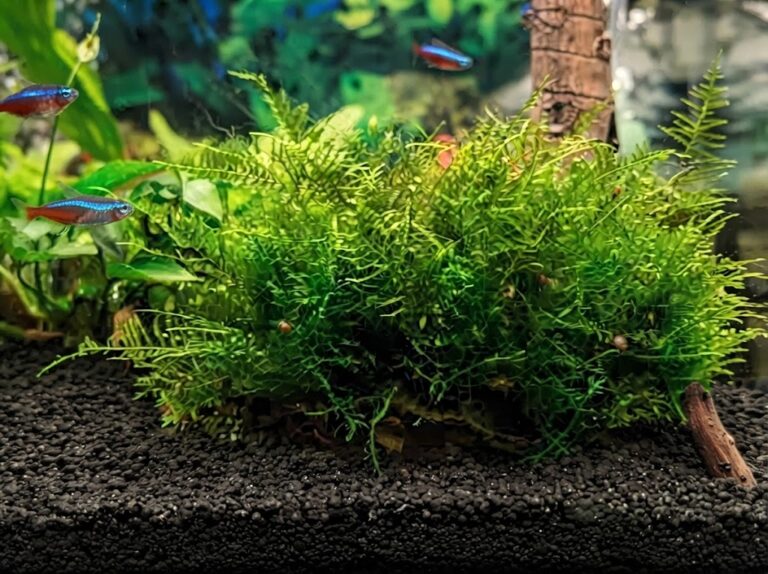
Java Moss is a versatile moss that can attach to hardscape and create dense cover. It works particularly well when you want a low-maintenance plant for smaller aquariums or areas with fish and shrimp.
Rooted Plants
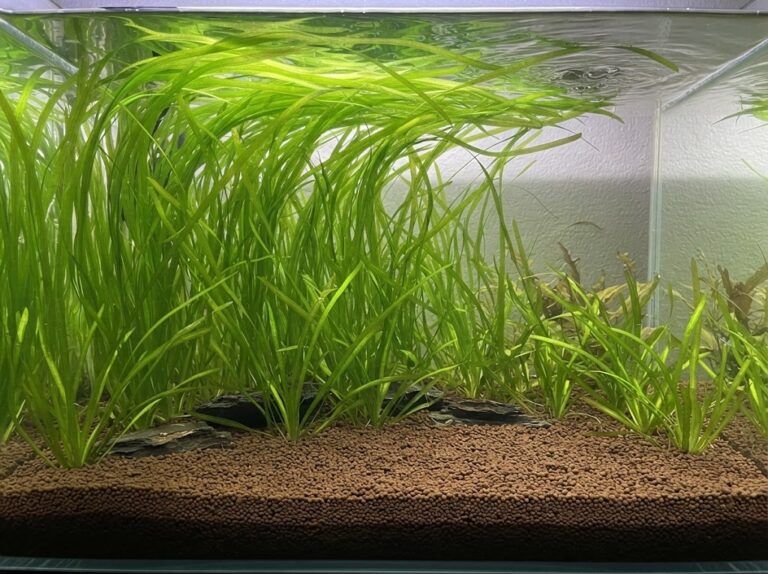
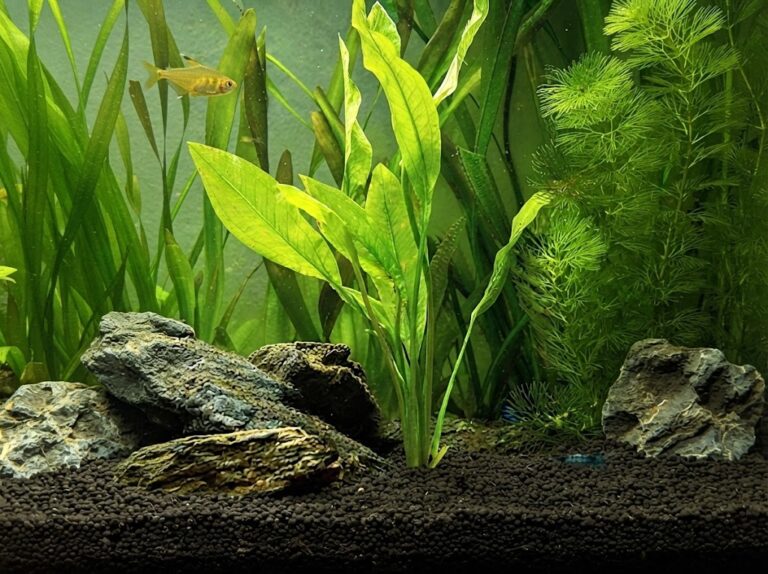
Amazon Sword and Vallisneria are rooted plants that grow from the substrate. They are useful when you want plants that establish a stronger root system and occupy the lower areas of the aquarium.
Floating Plants
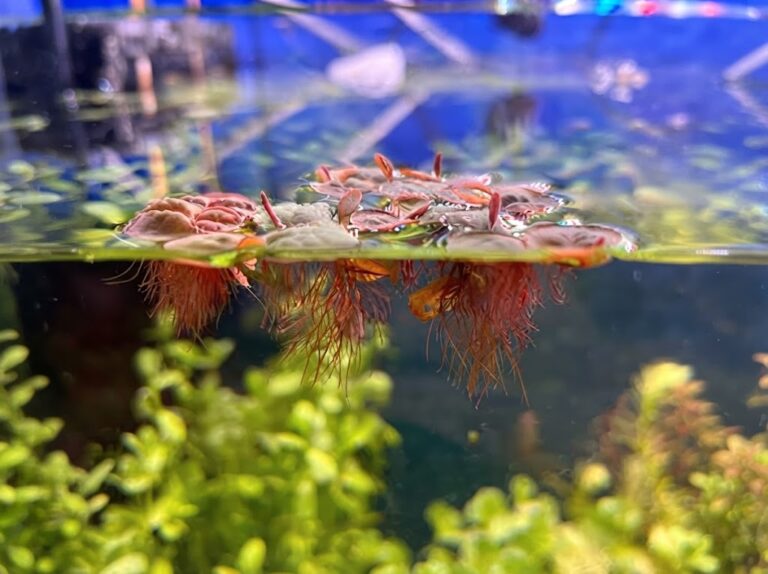
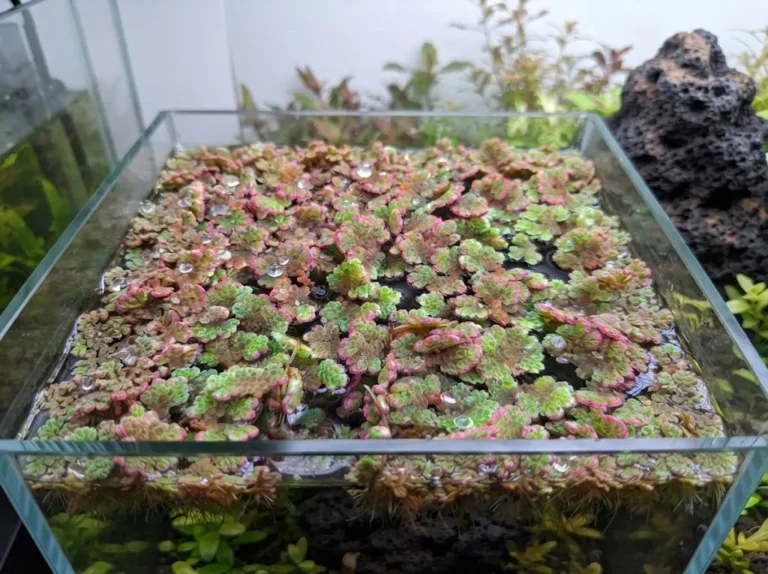
Red Root Floater and Azolla grow at the water’s surface rather than being planted in the substrate. Floating plants can provide shade and cover while also adding another layer of vegetation to the aquarium.
Fast-Growing Plants
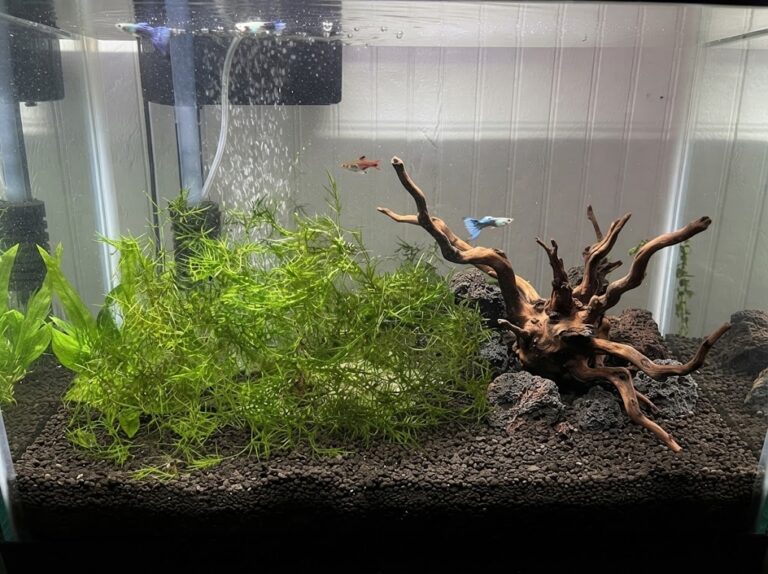
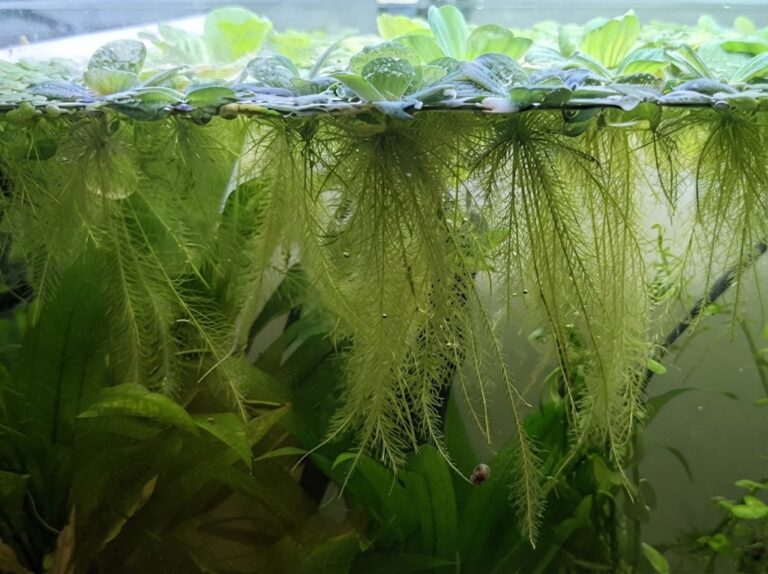
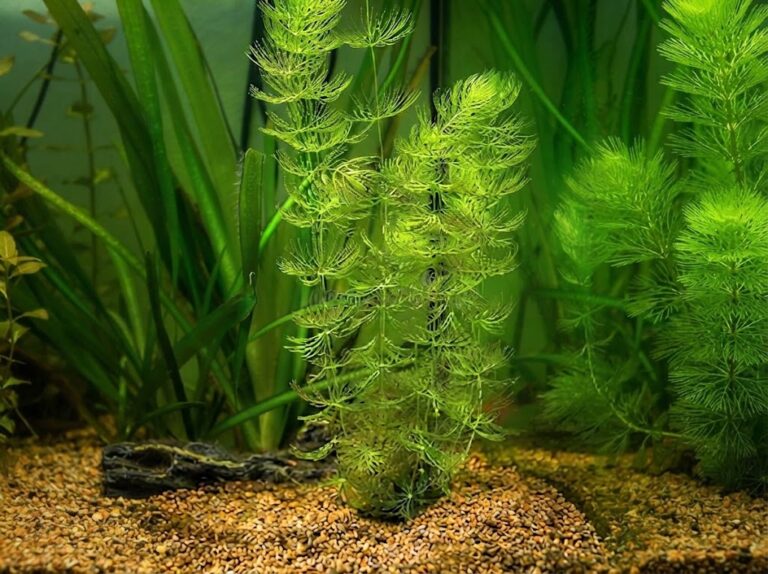
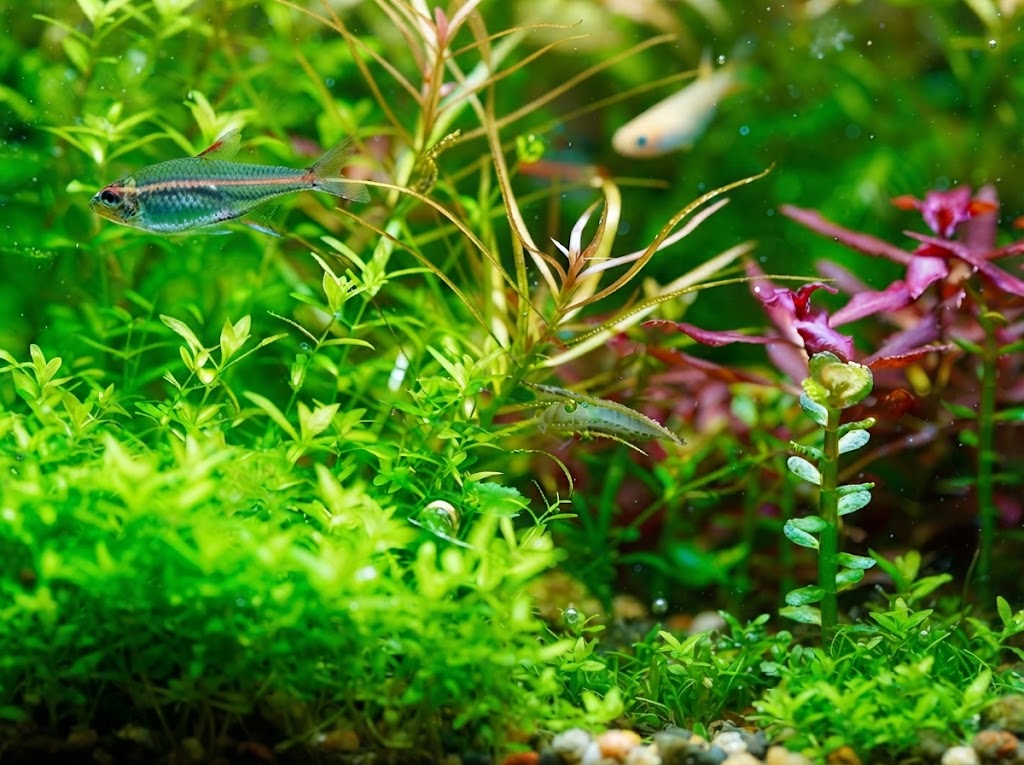
Hornwort and Guppy Grass are fast-growing plants that can quickly add vegetation to an aquarium. Their rapid growth can also make regular trimming important when space is limited.
Carpet Plants
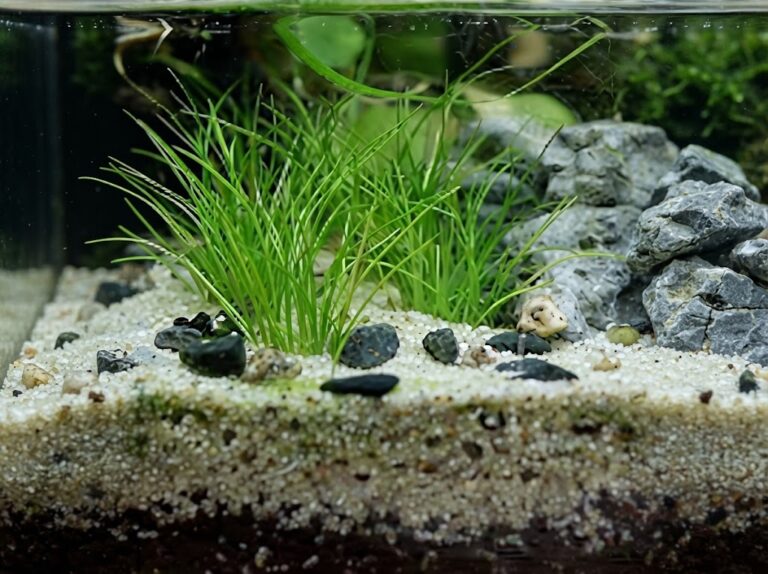
Dwarf Hairgrass is used to create a grass-like carpet across the foreground of an aquarium. With suitable conditions, it can spread horizontally and produce a low-growing planted effect.
Freshwater Aquarium Plants
Freshwater aquarium plants are aquatic plants grown in freshwater tanks, where they become part of the aquarium’s natural environment. They can be used to add structure, provide cover for fish and shrimp, and create a more natural-looking aquascape.
The plants in this guide are focused on freshwater aquariums, with options that grow in different positions and conditions. Java Fern and Java Moss can attach to hardscape, Amazon Sword and Vallisneria grow from the substrate, while Red Root Floater and Azolla remain at the water’s surface.
Choosing the right freshwater aquarium plants depends on your tank size, lighting, substrate, and maintenance routine. With the right match, even a simple freshwater aquarium can support a healthy and attractive planted environment.
Aquarium Plants by Tank Setup
The best aquarium plant depends on more than appearance. Your lighting, equipment, fish, shrimp, and available space all affect which plants are likely to work well. The following options come from the plants covered in this guide.
Low-Tech Aquarium Plants
Low-tech aquariums use relatively simple equipment and usually avoid injected COâ‚‚. Java Fern, Java Moss, Hornwort, and Guppy Grass are practical choices for this type of setup because they can grow without requiring a highly demanding planted-tank system.
Low-Light Aquarium Plants
If your aquarium has modest lighting, Java Fern and Java Moss are good options to consider. They can tolerate lower-light conditions better than plants that depend on stronger illumination for dense growth.
Aquarium Plants for Betta Fish
Plants can give bettas places to explore, rest, and take cover. Java Fern, Java Moss, Amazon Sword, and Red Root Floater can all be considered, with the final choice depending on aquarium size and how much open swimming space your betta needs.
Aquarium Plants for Shrimp
Shrimp benefit from plants that create dense surfaces and cover. Java Moss, Guppy Grass, and Java Fern are useful choices because their structure can provide areas for shrimp to forage and hide.
Aquarium Plants for Goldfish
Goldfish can be challenging in planted aquariums because they may disturb substrate and nibble on vegetation. Java Fern and Anubias-type rhizome plants are often considered more practical because they can be attached to hardscape rather than planted directly in the substrate.
How to Choose Aquarium Plants
Choosing the right aquarium plants starts with matching the plant’s requirements to the conditions you can provide. A plant that looks perfect in a photo may struggle if your lighting, substrate, or maintenance routine does not suit it.
- Light: Lighting is one of the most important factors. Some plants tolerate lower light, while others need stronger lighting to grow well. Check the plant’s light requirements before adding it to your aquarium.
- COâ‚‚: Not every aquarium needs injected COâ‚‚. Many hardy plants can grow without it, while more demanding species may benefit from additional carbon. If you run a low-tech aquarium, prioritize plants that can grow reliably without injected COâ‚‚.
- Substrate: Consider how the plant grows before choosing your substrate. Rooted plants such as Amazon Sword and Vallisneria need access to the substrate, while rhizome plants such as Java Fern can be attached to rocks or driftwood instead.
- Tank Size: The available space matters just as much as the plant’s care requirements. Fast-growing or large plants can quickly outgrow a small aquarium, while compact plants and mosses are easier to manage in nano tanks.
- Growth Rate: Fast-growing plants such as Hornwort and Guppy Grass can establish vegetation quickly, but they may also require more frequent trimming. Slower-growing plants generally need less pruning but can take longer to fill their intended space.
- Maintenance: Think about how much time you want to spend caring for your plants. If you prefer a simple setup, choose hardy species with modest requirements rather than plants that depend on precise lighting, COâ‚‚, and fertilization.
- Fish Compatibility: Finally, consider the animals living in your aquarium. Some fish may uproot, eat, or damage plants, while others benefit from the shelter and structure they provide. Choose plants that can tolerate the behavior of your particular fish and still leave enough open swimming space.
Aquarium Plant Care
- Lighting: Provide the appropriate amount and intensity of light for the plants in your aquarium. Different species have different lighting requirements, so match your lighting setup to the plants you choose.
- Fertilization: Aquarium plants need nutrients to grow. Use appropriate fertilizers based on the plants you keep, your substrate, and the nutrients already available in the aquarium.
- COâ‚‚: Some aquarium plants grow well without injected COâ‚‚, while others benefit from additional carbon. Consider your plants’ requirements before deciding whether COâ‚‚ supplementation is necessary.
- Water Parameters: Keep temperature, pH, and other water conditions stable and appropriate for your plants and aquatic animals. Consistency is often more important than constantly trying to adjust individual parameters.
- Pruning: Trim plants when they become too large, dense, or begin blocking light from reaching other plants. Regular pruning also helps maintain the shape and layout of your aquascape.
- Propagation: Many aquarium plants can be propagated as they grow. Depending on the species, propagation may involve separating plantlets, dividing rhizomes, taking stem cuttings, or allowing new growth to develop.