Abyssinian Cat: Breed Guide, Personality & Price
Your cat isn’t napping on the windowsill it’s already halfway up the bookshelf, working out how to get to the top of the fridge. If that sentence describes the cat you’re picturing, there’s a good chance you’re picturing an Abyssinian cat.
Spoiler: this isn’t a lap cat. It’s a cat that treats your entire house as a climbing gym, and somehow makes that exhausting habit completely endearing. Here’s what’s really going on with one of the oldest, most misunderstood breeds in the cat world.
Quick Facts: Medium-sized, short-coated, and famous for a “ticked” coat where each hair carries multiple bands of color. Average lifespan runs 12-15 years. Weight sits around 8-12 lbs. Not a lap cat, but rarely far from you either.
What Is an Abyssinian Cat?
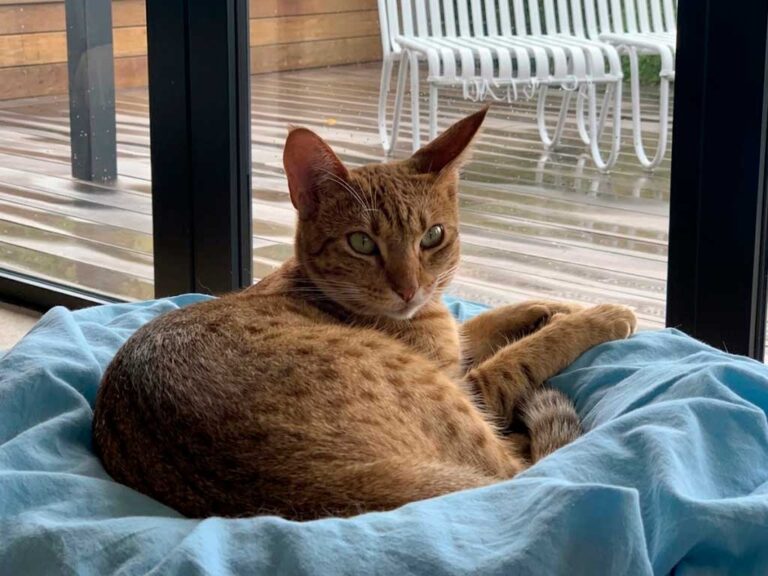
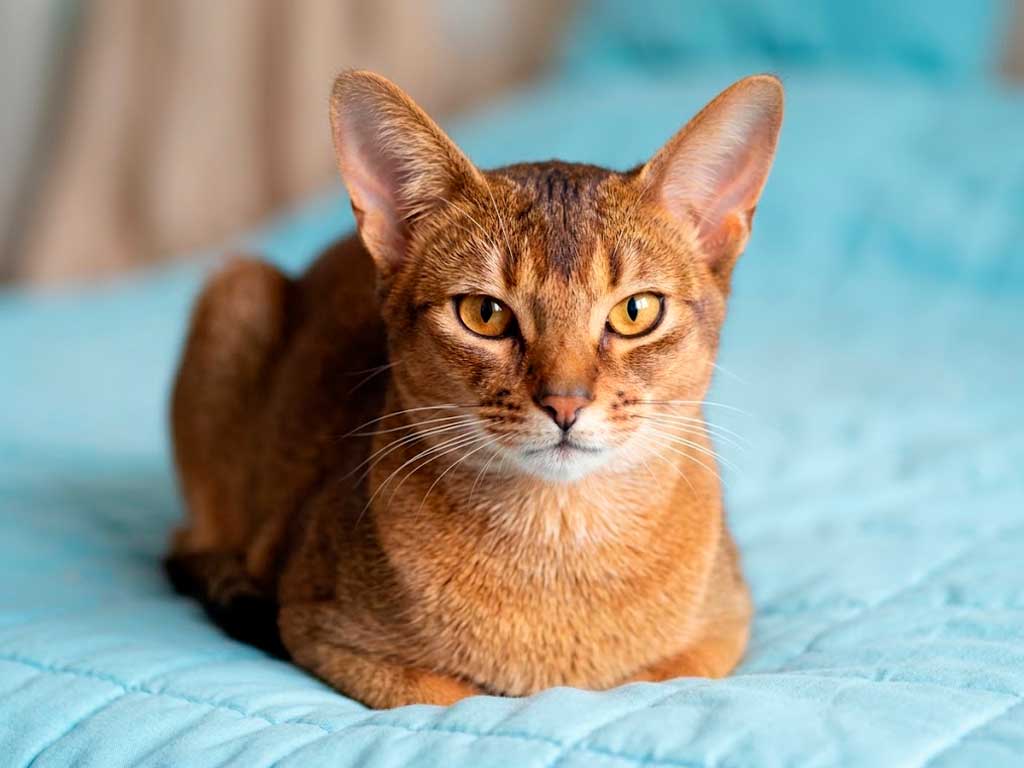
An Abyssinian is a medium-sized, short-haired cat best known for its ticked coat a pattern where individual hairs carry two or three bands of alternating color instead of one solid shade. From a distance, the effect reads as a warm, glowing, almost iridescent coat.
The breed comes in four recognized colors: ruddy (a burnished red-brown, by far the most common), cinnamon, blue, and fawn. If you’ve read our guide to yellow and orange cats, the ruddy Abyssinian sits in that same warm color family, though the genetics behind ticking are entirely separate from the orange gene.
History: Ancient Egypt Myth vs. What Genetics Actually Show
Here’s the myth the Abyssinian looks so much like the cats painted on ancient Egyptian tombs that for decades, breeders and fans assumed a direct bloodline back to the Nile Valley. It’s a great story. It’s also not what the DNA says.
Genetic research has traced the breed’s actual roots to coastal areas of the Indian Ocean and Southeast Asia, not Egypt or Ethiopia. The name comes from geography of a different kind: the first Abyssinians shown at British cat shows in the 1870s happened to arrive from Ethiopia (then called Abyssinia), so the name stuck even though the breed’s real ancestry lies elsewhere entirely.
The Abyssinian was one of the original breeds registered when the Cat Fanciers’ Association formed in 1906, and it remains one of the most consistently popular shorthair breeds in the U.S. today.
The breed nearly didn’t survive to see that popularity. Two world wars devastated cat breeding across Europe, and Abyssinian numbers in Britain dropped sharply. Then, in the late 1960s, a feline leukemia outbreak hit British catteries hard enough that breeders had to import fresh bloodlines just to keep the breed going.
Every Abyssinian alive today descends from a population that came uncomfortably close to disappearing twice.
Physical Characteristics: Coat, Colors, and Eyes
Beyond the ticked coat, Abyssinians carry a distinctive silhouette. The body is lithe and muscular without looking bulky, and the legs are proportionately slim cats of this breed genuinely look like they’re standing on tip-toe.
The ears are large, cupped, and set forward, giving an alert, always-listening expression. Eyes are large and almond-shaped, usually gold or green, often rimmed with a fine dark line that makes them look lined with eyeliner.
Grooming needs are refreshingly low. A weekly comb-through controls shedding, and an occasional rub with a chamois cloth brings out the coat’s natural sheen. Baths are rarely necessary outside of show preparation.
Abyssinian Cat Colors Explained
Ruddy is the original and most common color a burnt-sienna base ticked with black, with black-tipped ears and tail. Cinnamon runs warmer, a rich red ticked with chocolate-brown. Blue shows as a warm beige ticked with slate-blue, and fawn is the softest of the four, a rose-beige ticked with light cocoa.
Blue and fawn kittens are harder to find and often priced higher simply because fewer breeders produce them.
Personality and Temperament
Your cat isn’t ignoring your toys it’s already invented three new games with them that you didn’t design. Abyssinians are relentlessly curious, and if you don’t hand them something interesting to do, they’ll find their own version, which is not always the version your furniture prefers.
This is not, generally, a cat that settles into your lap for an hour. Abys show affection through proximity and play rather than stillness following you room to room, supervising every task, and checking in with a gentle paw tap if they want attention and you haven’t noticed yet.
They tend to be quiet, communicating in soft chirps rather than loud meowing, and they do best with company. A single Aby left alone for long stretches tends to get into more trouble than one with a second cat, a dog, or a household that’s rarely empty.
Caring for an Abyssinian
Diet and Nutrition
A high-quality diet appropriate for age and activity level covers most of what an Abyssinian needs. Because this breed burns through energy fast, portion control matters less here than it does for a more sedentary cat though weight should still be monitored, since obesity affects joint and heart health in every breed.
Exercise and Enrichment
This is the section that actually matters most for this particular breed. Tall cat trees, window perches, and puzzle feeders aren’t optional extras for an Abyssinian they’re closer to a requirement. Without vertical space and mental stimulation, that famous curiosity turns into counter-surfing and cabinet-opening.
Grooming
As covered above, grooming is minimal: a weekly comb session is usually plenty. Nail trims and dental care follow standard cat-care schedules the coat itself is the easy part of owning this breed.
Training and Trainability
Here’s the thing most people don’t think of cats as trainable, but Abyssinians are the exception that makes the case. They’re intensely food-motivated and quick to connect an action with a reward, which makes them unusually receptive to clicker training, leash-walking, and simple tricks like sit or come-when-called.
Short, positive sessions work better than long ones. Five minutes with a treat and a clicker, a few times a week, tends to go further with this breed than it would with most others their problem-solving drive does a lot of the work for you.
Health and Genetic Conditions to Know
Abyssinians are a generally healthy, long-lived breed, but a few inherited conditions show up often enough to be worth knowing before you bring one home.
Pyruvate kinase deficiency is the best known a rare enzyme deficiency that causes red blood cells to break down faster than normal, leading to intermittent anemia. It’s often mild enough to go unnoticed for years.
Progressive retinal atrophy is a genetic eye condition that gradually affects vision. Renal amyloidosis and patellar luxation also appear in the breed at above-average rates.
Genetic tests exist for several of these conditions, and reputable breeders test their breeding cats and share results on request. Reputable dental care matters too — some lines are more prone to gingivitis, and early brushing habits go a long way.
Health Disclaimer: This guide is for educational purposes only and doesn’t replace professional veterinary advice. If you’re adopting or buying an Abyssinian, ask about genetic testing for pyruvate kinase deficiency and PRA, and schedule a vet check soon after bringing your cat home.
Abyssinian Cat Price and Where to Find One
Abyssinian kittens from a registered breeder typically run several hundred to over a thousand dollars, depending on lineage, color, and location ruddy kittens tend to be the most widely available, with blue and fawn often costing more due to lower breeding numbers.
Total lifetime cost runs well beyond the purchase price once you factor in food, litter, preventive care, and the cat tree this breed genuinely needs. Before buying, check local shelters and breed-specific rescues Abyssinians and Aby mixes do turn up in rescue, and adoption costs a fraction of breeder pricing.
Is an Abyssinian Cat Right for You?
This breed rewards owners who want an active, engaged companion rather than a decorative one. If you like the idea of a cat that plays fetch, opens doors, and greets you at the front hallway, an Aby delivers all of that enthusiastically.
It’s a tougher fit for anyone who wants a quiet lap cat or who’s away from home for long stretches without another pet around. Your cat isn’t broken if it doesn’t want to sit still it’s an Abyssinian, and that’s the whole point.
Frequently Asked Questions
An Abyssinian isn’t a cat that fades into the background of your home it’s more likely to be the reason your blinds have a permanent tilt. Once you understand that the constant motion is the personality, not a problem to fix, this breed becomes one of the most rewarding companions in the cat world.
For more breed profiles, browse the full Cat Breeds guide, or read more about how cats understand us to make sense of the rest of your Abyssinian’s antics.