British Longhair Cat: Breed Guide, Personality & Price
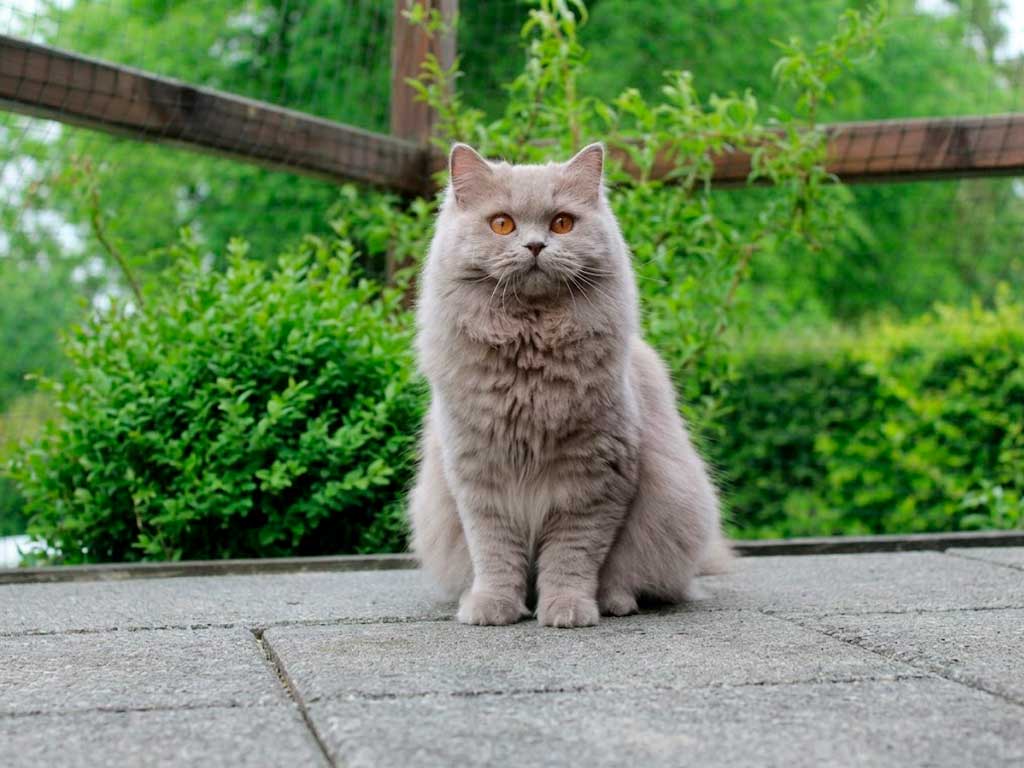
Your cat isn’t smiling at you that’s just the shape of its face. That round, cherub-cheeked expression is so distinctive that some historians think it inspired one of literature’s most famous grins: the Cheshire Cat.
If you own a British Longhair cat, you own a face that’s been making people smile back for well over a century.
And the fame doesn’t stop at fiction. In 2011, a 12-year-old British Longhair named Smokey earned a Guinness World Record for the loudest purr ever measured 67.7 decibels, roughly as loud as a lawn mower. He held that title for four years. Here’s the rest of the story behind this sturdy, plush-coated breed.
Quick Facts: Medium to large, stocky build. Females 8-11 lbs, males 10-16 lbs. Lifespan 12-20 years depending on care. Best known for a blue-grey coat, though many other colors exist.
History: From Roman Cats to the Cheshire Cat
The breed’s roots trace back nearly 2,000 years, to cats believed imported from Egypt that traveled with Roman soldiers when they invaded Great Britain in 43 CE. Those cats interbred with local populations for centuries, eventually forming one of the oldest identifiable cat breeds in the world.
The longhair variety came later, between 1914 and 1918, when breeders crossed the British Shorthair with Persians to diversify the gene pool. Kittens with short coats stayed in the British Shorthair program; longhaired kittens fed into Persian breeding lines instead.
World War I forced the Governing Council of the Cat Fancy to restrict which crossbred cats could be shown, and World War II nearly wiped the breed out entirely breeders rebuilt it afterward using domestic shorthairs, Russian Blues, and Persians.
The British Shorthair reached TICA championship status in 1979. The longhaired version, though longhaired kittens had quietly appeared in litters for decades, didn’t get its own championship recognition until May 2009.
Through all of that upheaval, the round-faced, easygoing character stayed remarkably consistent a rare thread of continuity in a breed history full of wars, crossbreeding, and near-collapse.
Physical Characteristics
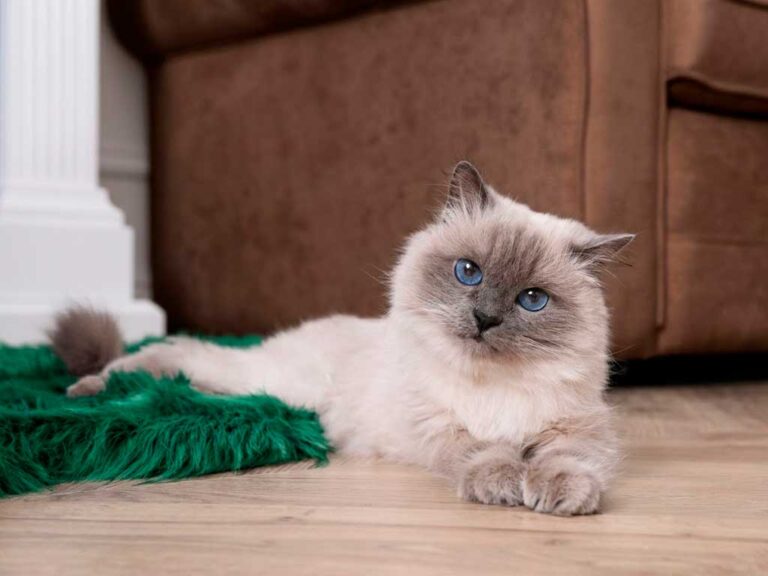
Everything about this breed reads sturdy and round: a broad chubby face, prominent whisker pads, a short nose, and a compact, muscular body carried on short, strong legs.
The coat stands out from the body rather than lying flat, giving longhairs a noticeably imposing, full-figured silhouette compared to their shorthair cousins.
Blue (a soft grey) remains the most iconic and popular color, but the breed comes in a genuine rainbow of colors and patterns. Eyes usually range from gold to deep copper, though pointed cats show blue eyes and silver-coated cats often carry striking green.
The overall impression breeders aim for is often summed up as a “sturdy teddy bear” a build that reads as imposing rather than delicate, with a coat full enough to emphasize the cat’s already substantial lines.
Personality and Temperament
Your cat isn’t cold it’s just properly British about affection. This breed tends to be a little reserved at first, warming up gradually rather than throwing itself at new people, and once it trusts you, that reserve turns into genuine, steady devotion.
Males and females actually differ a bit here. Males tend to be happy-go-lucky, welcoming attention from nearly anyone. Females carry themselves with more formality, expecting a bit of proper etiquette before granting their approval.
Neither sex is a classic lap cat they’d rather curl up beside you on the sofa than sit directly on top of you, and most don’t love being picked up or carried.
Calm and unobtrusive most of the time, British Longhairs do have the occasional burst of kitten-like silliness, chasing a toy mouse across the room before settling right back into their dignified default state. They’re tolerant with kids and dogs and genuinely comfortable entertaining themselves when you’re out.
Caring for a British Longhair
That reserve extends to how the breed handles being left alone too unlike more social breeds elsewhere in this cluster, a British Longhair genuinely doesn’t mind an empty house for a workday, quietly amusing itself and waiting, unbothered, for you to come home.
This breed loves food, and combined with a fairly sedentary nature, that makes weight management the single biggest care consideration. Feed adults on a set schedule twice daily rather than free-feeding, favor wet food with a high meat content, and keep treats sugar-free and modest.
Wand toys, fetch training, and the occasional laser pointer session go a long way toward keeping that muscular frame lean rather than heavy. Water matters too place the bowl a few feet from the food dish, since the smell of food nearby can put some cats off drinking enough.
Because this breed carries so much of its weight as muscle rather than fat when properly conditioned, a hands-on check at the vet matters more than eyeballing it a British Longhair can look deceptively lean under all that coat while quietly gaining weight underneath.
Grooming takes more effort than the shorthair side of the family. Daily combing prevents tangles in that dense, standing coat, and regular bathing started young so the cat learns to enjoy it helps keep the coat in peak condition. Round out the routine with nail trims every two weeks and regular ear and dental care.
Health Conditions to Know
British Longhairs are considered a robust, generally healthy breed, but like most heavier, muscular cats, they carry above-average risk for hypertrophic cardiomyopathy (HCM), a genetic heart condition that can lead to heart failure.
Because HCM doesn’t always show up in a cat’s early years, responsible breeders screen via echocardiogram, and ongoing veterinary monitoring matters even for cats that started out clear.
Dental disease is the other routine concern worth staying ahead of with annual checkups not breed-specific, but easy to let slide in a breed this low-maintenance otherwise.
Health Disclaimer: This guide is for educational purposes only and doesn’t replace professional veterinary advice. Ask breeders for HCM screening results on both parents, and keep up with annual wellness exams, including cardiac monitoring, as your cat ages.
Pet insurance purchased early is worth considering too, given the breed’s long lifespan and the cardiac monitoring that becomes more relevant with age coverage tends to be cheaper before any condition shows up in a cat’s history.
British Longhair Price and Where to Find One
As a companion breed to the more established British Shorthair, the British Longhair is less common but generally easier to find than some of the rarer breeds in this cluster. Prices vary by color, lineage, and breeder, with blue kittens typically the most widely available.
Given the breed’s popularity as both a show cat and family pet, connecting with a breeder through a cat show or a registry’s breeder directory tends to work better than searching classifieds alone.
If you’re specifically drawn to that classic blue coat, expect slightly more competition for kittens than for rarer colors popularity works both ways when it comes to a breed’s most iconic look.
Is a British Longhair Right for You?
This breed suits people who want a calm, low-drama companion that’s content with quiet company rather than constant interaction. If you like the idea of a dignified cat that follows you room to room without demanding to be held, this is a strong match.
It’s a tougher fit for anyone hoping for a cuddly lap cat or an especially playful, high-energy companion. Your cat isn’t going to curl up in your arms every evening. It’s going to sit nearby, purring loud enough to be heard from the next room, on its own terms.
Apartment living works fine here too, since this breed isn’t demanding about space what it wants most is a comfortable perch, a consistent routine, and someone nearby without necessarily touching.
Frequently Asked Questions
Did the British Longhair inspire the Cheshire Cat?
It’s a popular theory among cat historians, based on the breed’s distinctive round, smiling face, though it’s not definitively confirmed as Lewis Carroll’s direct inspiration.
Is the British Longhair the same breed as the British Shorthair?
They’re closely related companion breeds sharing the same standard and temperament, differing mainly in coat length the longhair carries the gene introduced through historic Persian crosses.
How much does a British Longhair cost?
Prices vary by color and breeder, with blue kittens typically the most available and often the most reasonably priced given their popularity.
Are British Longhairs good lap cats?
Not typically. They prefer sitting close beside their people rather than directly on laps, and most don’t enjoy being picked up or carried.
What health problems are British Longhairs prone to?
The main concern is hypertrophic cardiomyopathy (HCM), a genetic heart condition; weight management is also important given the breed’s food-loving, sedentary tendencies.
A British Longhair carries nearly two thousand years of history behind that famous smile, and a purr loud enough to set a world record if you’re not careful. Once you understand the quiet, dignified rhythm this breed runs on, it’s easy to see why it’s been winning people over since the Roman era.
Browse more breed profiles in the full Cat Breeds guide.