Sphynx Cat: Why “Hairless” Doesn’t Mean Hypoallergenic
Here’s what’s really going on with that “no fur, no allergies” logic: it’s backwards. The Sphynx cat produces the same allergy-triggering proteins as any other cat, and its bare skin is actually oilier than a coated cat’s, which means more upkeep, not less. That popular assumption is the single biggest misconception about this breed.
What Makes Sphynx Cats Unique
Every Sphynx traces back to a spontaneous genetic mutation. In 1966, a domestic cat in Toronto gave birth to a hairless kitten, and breeders discovered the trait followed a natural recessive pattern. Over roughly three decades of careful outcrossing to normal-coated cats and back again, that single mutation became a genetically diverse, healthy breed. Two more hairless cats turned up independently in Minnesota in 1975, memorably named Epidermis and Dermis, and were folded into the growing gene pool through crosses with American Shorthairs and Devon Rex. CFA didn’t accept the Sphynx for registration until 1998, with championship status following in 2002.
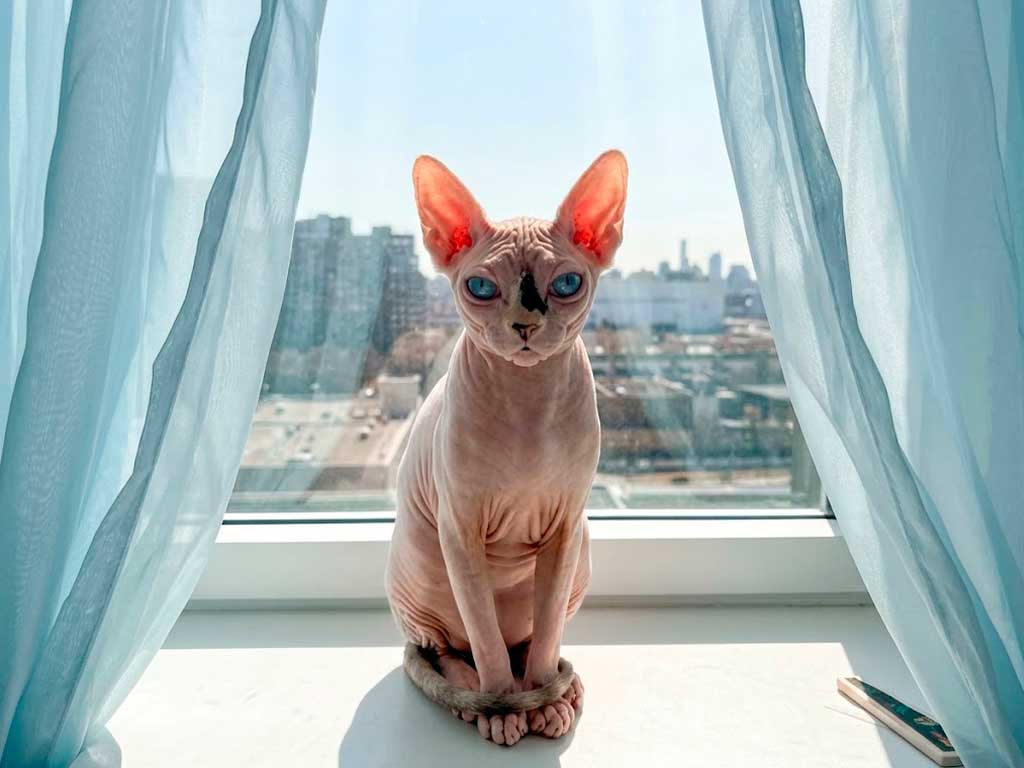
Physically, this is not a fragile-looking cat. Sphynx are medium-sized and surprisingly heavy for their frame, with a rounded belly, prominent cheekbones, large lemon-shaped eyes, and oversized bat-like ears. Wrinkled skin around the muzzle and shoulders is considered a desirable trait, not a flaw. And despite the name, most Sphynx aren’t entirely hairless — short peach-fuzz on the nose, ears, and tail is normal and expected.
Common Challenges and How to Handle Them
The hypoallergenic myth is the big one. Sphynx skin produces noticeably more oil than a coated cat’s, since fur normally absorbs some of that oil naturally. That means regular bathing isn’t optional grooming, it’s a genuine health requirement, and while a freshly bathed Sphynx is less likely to trigger a reaction, the underlying allergen production hasn’t actually changed.
Temperature regulation is the other major adjustment. Without fur for insulation, Sphynx get cold easily and sunburn just as easily, so this breed needs a warm indoor environment, sweaters in cooler weather, and zero unsupervised direct sun exposure.
Loneliness is a real issue, too. Sphynx are intensely people-oriented and don’t do well left alone for long stretches — CFA specifically suggests considering a pair rather than a single cat if you’re gone much of the day, since they bond closely with other Sphynx as well as their humans.
Daily Care Essentials
Weekly bathing is the centerpiece of Sphynx care, using a gentle, cat-safe shampoo to manage that oil buildup without over-drying sensitive skin. Ears need extra attention too, since there’s no fur to catch debris the way it would on a coated cat, so check and clean them more often than you would with most breeds. Nails should be trimmed regularly, and dental care matters more here than average given this breed’s tendency toward periodontal disease.
Diet-wise, Sphynx often run a faster metabolism to help generate body heat, so many do well on a slightly richer, protein-forward diet than an average cat, though portion needs vary by individual.
Health Considerations
Sphynx are generally a robust, healthy breed, but a few conditions are worth knowing about: hypertrophic cardiomyopathy, hereditary myopathy affecting muscle function, sensitive digestion, and skin conditions like urticaria pigmentosa. Kittens can also be prone to respiratory issues tied to the lack of a protective coat. Responsible breeders test for HCM specifically, which has meaningfully improved the breed’s overall health over time.
Health Disclaimer: This guide is for educational purposes only and doesn’t replace professional veterinary advice. Ask breeders about heart screening history, and keep an eye on skin and dental health at every checkup.
Is This the Right Cat for You?
A Sphynx suits someone who wants an unmistakably affectionate, people-obsessed cat and doesn’t mind a genuine grooming routine in exchange for skipping the shedding and hairball issues that come with fur. It’s a poor match for anyone hoping the lack of hair means lower maintenance overall, or for allergy sufferers expecting a guaranteed fix — test your own reaction with an actual Sphynx before committing, the same way you would with any breed marketed as allergy-friendly.
Frequently Asked Questions
Is the Sphynx cat hypoallergenic?
No. It produces the same allergy-triggering Fel d 1 protein as other cats. Regular bathing can temporarily reduce allergen buildup on the skin, but it doesn’t make the breed genuinely hypoallergenic.
Do Sphynx cats need baths?
Yes, regularly — typically weekly. Their bare skin produces more oil than a coated cat’s, since fur normally absorbs some of it naturally.
Are Sphynx cats really completely hairless?
Not usually. Most have a fine layer of peach-fuzz, with slightly more hair typically present on the nose, ears, and tail.
Do Sphynx cats get cold easily?
Yes. Without a fur coat for insulation, they’re prone to feeling cold and need a warm indoor environment, and sometimes a sweater in cooler weather.
How much does a Sphynx cat cost?
Sphynx rank among the pricier pedigreed breeds. Occasionally, coated Sphynx (carrying the recessive gene without expressing it) are available at a lower cost with the same temperament.
The Sphynx built a devoted following on a genetic accident and an unmistakable look, but the real appeal, once you live with one, is how hard they work to stay glued to your side.
Browse more breed profiles in the full Cat Breeds guide, including the Devon Rex and American Shorthair, two breeds in the Sphynx’s approved outcross gene pool.