Balinese Cat: Breed Guide, Personality & Price
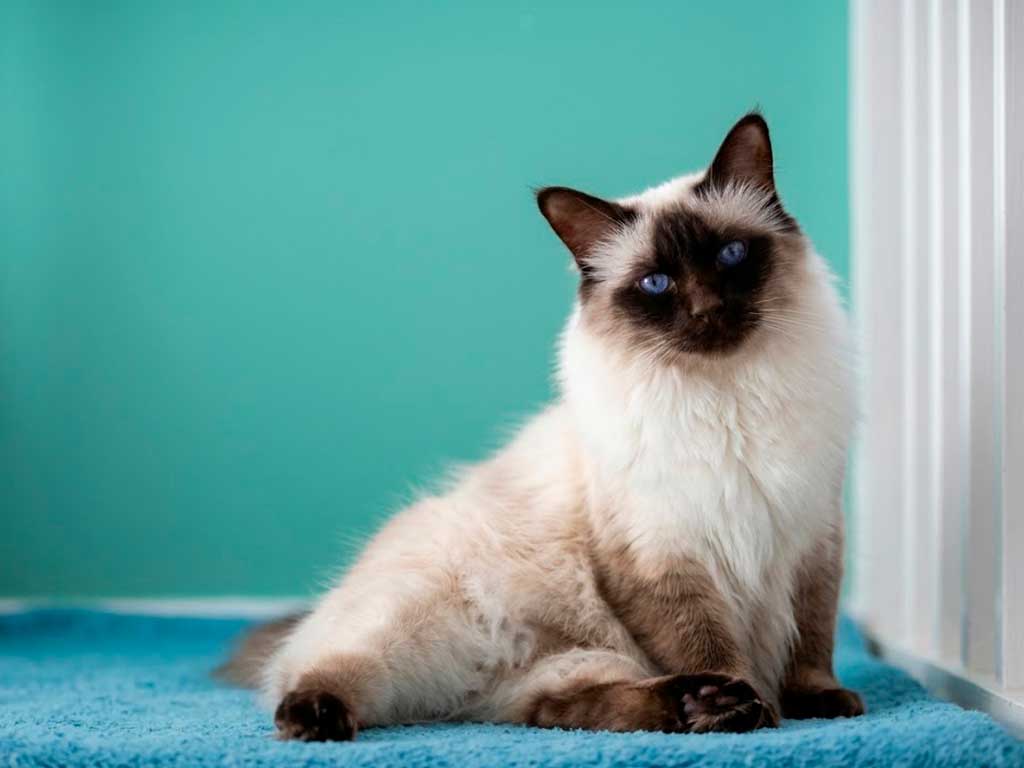
Your cat isn’t from Bali — it’s never even been near Indonesia. If you own a Balinese cat, you already own one of the most misleadingly-named breeds in the entire cat world.
Here’s what’s really going on: the name comes from the graceful dancers of Bali, not the island itself. This breed was developed entirely in the United States. Spoiler: it’s essentially a Siamese cat that decided to grow its hair out — and the personality to match.
Quick Facts: Medium-sized, fine-boned, with a single silky coat and no undercoat. Males run 8-12 lbs, females 5-8 lbs. Often lives 15+ years, with some reaching their 20s. Vocal, affectionate, and closely related to the Siamese.
History: A Name Borrowed From Dancers, Not a Place
The Balinese traces back to the 1950s, when two separate Siamese breeders — Marion Dorsey in California and Helen Smith in New York — noticed occasional longhaired kittens showing up in otherwise short-haired Siamese litters. Rather than treat them as a fluke, both women saw potential and began developing the trait deliberately.
Helen Smith coined the name Balinese, inspired by the elegant, flowing movements of dancers from the Indonesian island of Bali — a nod to the breed’s grace, not its origin. The breed was originally recognized in four colors: seal, blue, chocolate, and lilac, with red, cream, and tabby patterns added by 1979, the same year TICA recognized the breed for competition.
Balinese vs. Siamese vs. Javanese: Sorting Out the Family
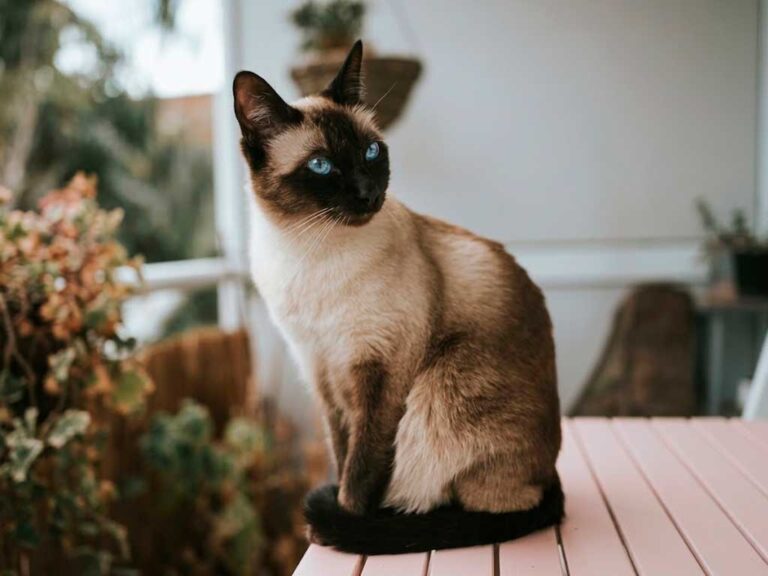
All three breeds share the same lean body type and pointed coloring — they’re really variations on one theme. The Siamese has short fur and a tapered tail. The Balinese has long, silky fur and a full plume tail, but sticks to the traditional four pointed colors.
When a longhaired cat in this family shows up in one of the newer colors or patterns — red, cream, tabby, tortie — some registries classify it as a Javanese instead of a Balinese, even though the two are essentially identical apart from color. It’s largely a registry technicality rather than a meaningful difference in temperament or care.
Temperament and care needs stay essentially identical across all three — the differences that matter for choosing between them come down to coat length and which color palette you’re drawn to, not personality.
Physical Characteristics
The Balinese carries a long, tubular body with fine boning — elegant rather than substantial, though it’s genuinely more muscular than it looks. The head forms a long tapering triangle, and those unmistakable sapphire-blue eyes are shared with every cat in the Siamese family.
Unlike most longhaired breeds, the Balinese has a single coat with no undercoat, which is exactly why it resists matting and tangling far better than a typical long-haired cat. The plume tail can carry hair up to five inches long, while the body coat stays shorter and closer-lying.
Development takes longer than most breeds as well — Balinese kittens don’t reach full physical maturity until 18 to 24 months, so that lean, elegant frame keeps filling out well past the usual kitten stage.
Personality and Temperament
Your cat isn’t just talking — it’s narrating. Balinese cats are famously vocal, chatting through the day about whatever’s on their mind, though their voice tends to be a bit softer and less insistent than a full Siamese.
They bond intensely with their people and want to be involved in literally everything — helping make the bed, walking across the keyboard mid-email, joining any game in progress. This isn’t a breed that does well left alone for long stretches; boredom quickly turns into mischief.
Highly intelligent and athletic, many Balinese take to leash walking, fetch, and even agility with real enthusiasm. They’re also famous for reading their owner’s mood and showing up for comfort exactly when it’s needed.
Many Balinese cats also tend to reserve a bit more caution around strangers than the average lap cat, warming up gradually rather than immediately, though they’re rarely aggressive about it.
Caring for a Balinese
Feed adult Balinese at least twice daily, with kittens eating three to four smaller meals to keep up with their energy. A quality diet appropriate to life stage covers the basics — no special formula required, just consistency.
Canned food tends to work well for this breed specifically, since the higher moisture content supports urinary and kidney health while producing less waste in the litter box than a fully dry-food diet.
Grooming is genuinely easy despite the long coat. A weekly combing removes loose hair and keeps the plume tail looking its best; the lack of undercoat means mats are rarely an issue. Round out the routine with a weekly ear wipe, regular nail trims, and consistent tooth brushing.
Mental stimulation matters as much as physical exercise here. Puzzle feeders, wand toys, and vertical space like cat trees keep that sharp mind occupied — an under-stimulated Balinese will absolutely find its own, less convenient entertainment.
Water intake matters too, particularly if a Balinese leans toward dry food. Placing the water bowl a few feet away from the food bowl tends to encourage more drinking, since the smell of food nearby can put some cats off sipping as often as they should.
Health Conditions to Know
Balinese are generally a healthy, long-lived breed, but a few conditions run more common in the Siamese family generally, including this one.
Amyloidosis, a buildup of abnormal protein that can affect the liver, shows up more often in Asian breeds like the Balinese, typically between one and seven years of age. Watch for lethargy, appetite loss, vomiting, or a swollen belly. Progressive retinal atrophy (PRA) is a genetic condition causing gradual vision loss, usually starting around 7 months and progressing to full blindness by age 3-5 — ask breeders whether either parent carries the gene.
This breed also tends to run more sensitive to anesthesia than average, which is worth flagging to your vet ahead of any routine procedure, including spaying, neutering, or dental cleaning.
Eye quirks are common and usually harmless in this breed too — some Balinese show mild crossed eyes or a flickering eye movement called nystagmus. Neither typically affects vision and both are considered normal breed traits rather than medical concerns.
Health Disclaimer: This guide is for educational purposes only and doesn’t replace professional veterinary advice. Mention anesthesia sensitivity to your vet before any surgical procedure, and ask breeders about PRA and amyloidosis history in the line.
Balinese Cat Price and Where to Find One
Kittens from a registered breeder typically start around $1,000 and can run higher depending on color, lineage, and breeder reputation. Because the breed remains less common than its short-haired Siamese cousin, expect some waiting time for the right kitten.
Rescue and breed-specific adoption groups are worth checking too — Balinese and Balinese mixes do occasionally turn up outside breeder channels, usually at a fraction of the cost.
Ask any breeder directly about testing for PRA and family history of amyloidosis — reputable Balinese breeders expect the question and should have a clear answer ready.
Is a Balinese Cat Right for You?
This breed suits people who want a genuinely interactive, conversational cat and don’t mind being talked to throughout the day. If you loved the idea of a Siamese but wanted a softer voice and a silkier coat, the Balinese delivers exactly that.
It’s a harder fit for anyone who’s away from home for long stretches or wants a quiet, low-attention cat. Your cat isn’t going to entertain itself quietly in the corner — it’s going to be right there, telling you about its day.
Households with children or other cat-friendly pets tend to work well too, since Balinese generally integrate easily once proper introductions are made — just expect them to supervise, or narrate, every step of the process.
Frequently Asked Questions
Is a Balinese cat the same as a Siamese?
Not quite — they’re closely related, but the Balinese has long fur and a plume tail, while the Siamese has short fur and a tapered tail. Both share the same pointed coloring and body type.
What’s the difference between a Balinese and a Javanese cat?
Mainly color classification. Balinese are recognized in the traditional four pointed colors, while cats with the same long-haired Siamese type in newer colors or patterns are often registered as Javanese instead.
How much does a Balinese cat cost?
Kittens from registered breeders typically start around $1,000, with price varying by color, lineage, and breeder.
Are Balinese cats hypoallergenic?
No cat is truly hypoallergenic, though the Balinese’s single coat sheds less than many breeds, which some allergy sufferers find more manageable.
How long do Balinese cats live?
Many live 15 years or more, with a good number reaching their late teens or twenties given proper care and regular veterinary attention.
A Balinese cat spends its whole life being mistaken for something exotic and imported, when really it’s an American original with a borrowed name and an even more borrowed sense of drama. Live with one for a week and the conversation never really stops — which, for the right owner, is exactly the point.
Browse more breed profiles in the full Cat Breeds guide.