Chausie Cat: Living With a Domestic Jungle Cat Hybrid

Your cat isn’t pretending to be wild — somewhere in its family tree, it actually was. The Chausie cat takes its name straight from Felis chaus, the scientific name for the Jungle Cat, a wild species that still roams from the Nile Valley to Southeast Asia.
Here’s what that ancestry actually looks like day to day: a cat that can jump six feet straight up from a standing start, treats every cabinet as a personal challenge, and needs an experienced owner who genuinely understands what “high energy” means. Spoiler: this isn’t a beginner breed.
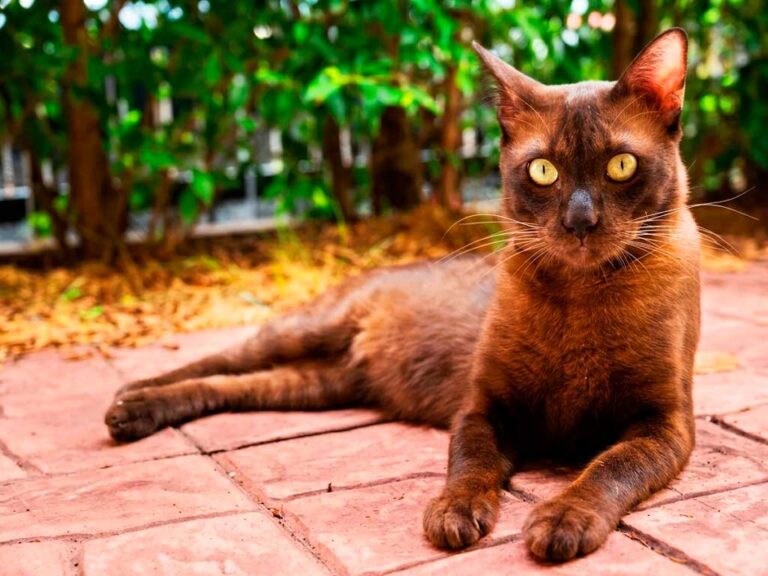
Quick Facts: Tall, lean, athletic build. Males around 15 lbs, females about 15% smaller. Life expectancy 12-18+ years. Short coat in three patterns: brown ticked tabby, solid black, and grizzled tabby.
History: From Egyptian Tombs to TICA Championship
The Jungle Cat has a documented history stretching back to ancient Egypt, where its easygoing temperament and hunting skill earned it genuine reverence. Archaeologists have found mummified Jungle Cats in Egyptian tombs, buried alongside their owners for the afterlife — and some historians believe the statues of the goddess Bastet were modeled on this species rather than the more commonly assumed African wildcat.
Jungle Cats have crossed with domestic cats informally for centuries across a wide range, from North America to Southeast Asia. But breeders first officially recorded a deliberate Jungle Cat and domestic cat pairing in 1990. TICA granted the resulting breed foundation registration status in 1995, and full championship status followed in 2013.
Understanding Chausie Generations: F1, F2, and F3
If you’ve seen “F1 Chausie” or “F2 Chausie” in a listing, that number tells you how many generations removed the cat is from its wild Jungle Cat ancestor — and it matters more than almost anything else when choosing one.
An F1 has a Jungle Cat as one direct parent, carrying the highest percentage of wild genetics and, correspondingly, the most intense energy, size, and specialized care needs. F2 cats have a Jungle Cat grandparent; F3 and beyond are further removed, with temperament trending steadily closer to a typical domestic cat as the generations progress. Most pet-quality Chausies sold as companions are F3 or later, better suited to average households than the more demanding early generations.
Some regions restrict ownership of higher-generation hybrids, so it’s worth checking local exotic-pet regulations before committing to an F1 or F2 specifically — this varies by state and country, and getting it wrong can mean losing the cat later.
This layered generation system is the same basic concept used in other wild-hybrid breeds like the Bengal and Savannah, though the specific wild ancestor — and the exact temperament and legal considerations — differ between them, so don’t assume rules or expectations from one hybrid breed carry over directly to another.
Physical Characteristics
Everything about the Chausie’s build echoes its wild ancestor: a tall, rectangular torso, deep chest for real lung capacity, and a lean, ectomorphic frame built for running and jumping rather than bulk. Large, upright ears — sometimes tufted at the tips — sit high on a long, sloping forehead.
The grizzled tabby pattern is unique to this breed among domestics, inherited directly from the Jungle Cat: individual hairs carry alternating light and dark bands over a black base, creating a subtly mottled, almost salt-and-pepper effect up close.
That six-foot vertical jump isn’t an exaggeration either — it’s a documented, breed-defining trait, which means tall cat trees and secured high shelves aren’t optional extras for this breed so much as basic containment strategy.
Chausie Sitting Posture: The “Egyptian Sphinx” Pose
One quirky, well-documented trait: Chausies commonly sit upright with their front legs straight and paws together, strikingly similar to the pose seen in ancient Egyptian sphinx statues. It’s not trained behavior — it’s just how the breed tends to rest, a small, visible echo of that Jungle Cat ancestry.
Personality: An Eleven Out of Ten on the Energy Scale
TICA doesn’t mince words here — Chausies rate an eleven on a ten-point energy scale. Expect a cat that’s active for long stretches of the day, genuinely needs interactive play and problem-solving to stay content, and will absolutely figure out how to open a cabinet if given the chance. Childproof latches are a common purchase among Chausie owners.
Despite the intensity, this is a deeply affectionate, people-oriented breed. Chausies form strong bonds with their families, enjoy learning tricks, and take well to leash walking and fetch. They’re highly intelligent and trainable, which channels that energy productively when there’s enough stimulation on offer.
Given the activity level and strong prey drive, this breed is best suited to adults and households without very young children, and Chausies genuinely don’t do well left alone for long stretches — a companion cat helps considerably if your schedule keeps you out of the house most of the day.
Caring for a Chausie
Grooming is refreshingly low-effort: an occasional combing is all the short coat needs, and bathing generally isn’t necessary. Nail trims monthly, regular ear cleaning, tooth brushing with a vet-approved paste, and a tall, sturdy scratching post round out the routine.
Diet-wise, Chausies burn through calories fast and don’t gain weight easily, so twice-daily feeding with high-quality canned food works well, with treats offered more freely than you might with a less active breed. Keep the water bowl a few feet from the food dish — the smell of food nearby can put some cats off drinking enough, and a filtered fountain helps for cats reluctant to sip from a still bowl.
Health Conditions to Know
Chausies are generally considered a healthy breed overall. Keep vaccinations and parasite prevention current, and because this remains a relatively young, hybrid breed with a smaller gene pool than long-established ones, working with a knowledgeable breeder who screens breeding cats carefully matters more than usual.
Health Disclaimer: This guide is for educational purposes only and doesn’t replace professional veterinary advice. Ask breeders about the generation (F1/F2/F3) of any kitten you’re considering, and confirm local regulations on hybrid cat ownership before bringing one home.
Finding a Chausie: Price and Availability
This remains a genuinely uncommon breed, and price varies significantly by generation — F1 and F2 Chausies typically command a substantial premium over F3 and later generations, reflecting both rarity and the specialized care required for higher wild-content cats.
Work directly with a TICA-registered breeder who can clearly document the generation and lineage of any kitten, and don’t hesitate to ask detailed questions about temperament expectations at each generation level.
Given how young this breed still is in TICA’s history, the number of dedicated breeders remains small — expect to travel or wait for a litter, and treat a breeder’s willingness to answer detailed generation and lineage questions as a genuine sign of reputability.
Is a Chausie Right for You?
This breed suits experienced cat owners who want a genuinely athletic, engaged companion and can commit to real daily interaction, puzzle toys, and enough vertical and horizontal space to run. If you’ve read “jumps six feet straight up” and felt excited rather than exhausted, a Chausie could be a great match.
It’s a poor fit for first-time owners, households with very young children, or anyone away from home for long, unpredictable stretches. Your cat isn’t going to nap through the afternoon. It’s going to be doing something, and it would really rather you were doing it too.
A securely fenced yard or a dedicated catio can be a genuine bonus for this breed, giving that athleticism somewhere to go beyond the living room — though plenty of Chausies thrive strictly indoors with enough vertical space and daily play.
Frequently Asked Questions
Is a Chausie part wild cat?
Yes, distantly. The breed descends from crosses with the Jungle Cat (Felis chaus), a wild species. How much wild ancestry a specific cat carries depends on its generation (F1, F2, F3, etc.).
What does F1, F2, and F3 mean for a Chausie?
It indicates how many generations removed the cat is from its Jungle Cat ancestor. F1 has a Jungle Cat parent; F2 a Jungle Cat grandparent; F3 and later generations carry progressively less wild ancestry and behave more like typical domestic cats.
Are Chausie cats legal to own?
Generally yes, especially later generations, but regulations on hybrid cats vary by state and country. Check local exotic-pet laws before buying, particularly for F1 or F2 cats.
Are Chausies good with children?
This breed is generally better suited to adults and older children, given its high energy and strong prey drive. It’s not typically recommended for households with very young kids.
How much does a Chausie cat cost?
Price varies significantly by generation, with F1 and F2 cats commanding a considerable premium over F3 and later generations.
A Chausie cat carries a genuine wild lineage into a body built for running, jumping, and constant motion — and for the right owner, that’s exactly the appeal. Give it the stimulation it needs, and what you get back is one of the most engaged, athletic, and quietly devoted companions in the cat world.
Browse more breed profiles in the full Cat Breeds guide.