Bengal Cat Guide: Personality, Care, Cost, and Wild Ancestry
A bengal cat is not a standard domestic pet that happens to wear a leopard suit. If you bring one into your home expecting a low-maintenance lap cat that naps eighteen hours a day on your sofa, you are in for a wild awakening.
My own domestic cats, Miso and Pepper, have their energetic moments, but Bengal cats operate on an entirely different frequency. They are inquisitive, fiercely intelligent, and relentlessly active. Understanding their unique background is the secret to thriving alongside these mesmerizing felines rather than feeling overwhelmed by them.
What Makes the Bengal Cat Unique?
The story of the Bengal cat begins in the 1960s when breeder Jean Mill crossed a wild Asian Leopard Cat (Prionailurus bengalensis) with a domestic shorthair in the United States. The goal was to create a breed that possessed the striking, wild aesthetic of a jungle predator alongside the affectionate, trustworthy temperament of a home companion.
Modern Bengals are classified by their generation removed from that original wild ancestor:
F1 to F3 Generations: These are early-generation foundation cats. They carry a significantly higher percentage of wild Asian Leopard Cat DNA, often exhibiting cautious, skittish, or unpredictable behaviors. In many jurisdictions, owning F1–F3 Bengals requires specialized permits or is restricted altogether.
F4 and Beyond (SBT): Known as Stud Book Tradition (SBT) Bengals, these cats are at least four generations removed from the wild Asian Leopard Cat. They are fully domestic, legal to own in most places, and represent the breed standard recognized by major cat registries like TICA and CFA.
When people talk about keeping a Bengal cat as a family pet, they are almost always referring to SBT Bengals. You get the wild look without the wild management challenges.
Physical Characteristics: Rosettes, Glitter, and Athletic Build
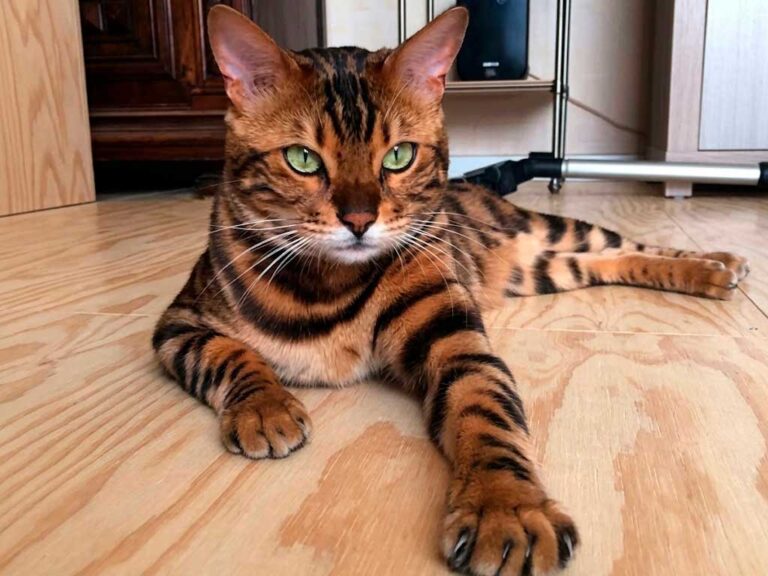
One look at a Bengal cat reveals why they capture so much attention. Their muscular, athletic body carries zero excess weight, supported by sturdy bone structure and long legs built for impressive jumping power.
Coat Patterns and Colors
Bengal coats come in two primary pattern types:
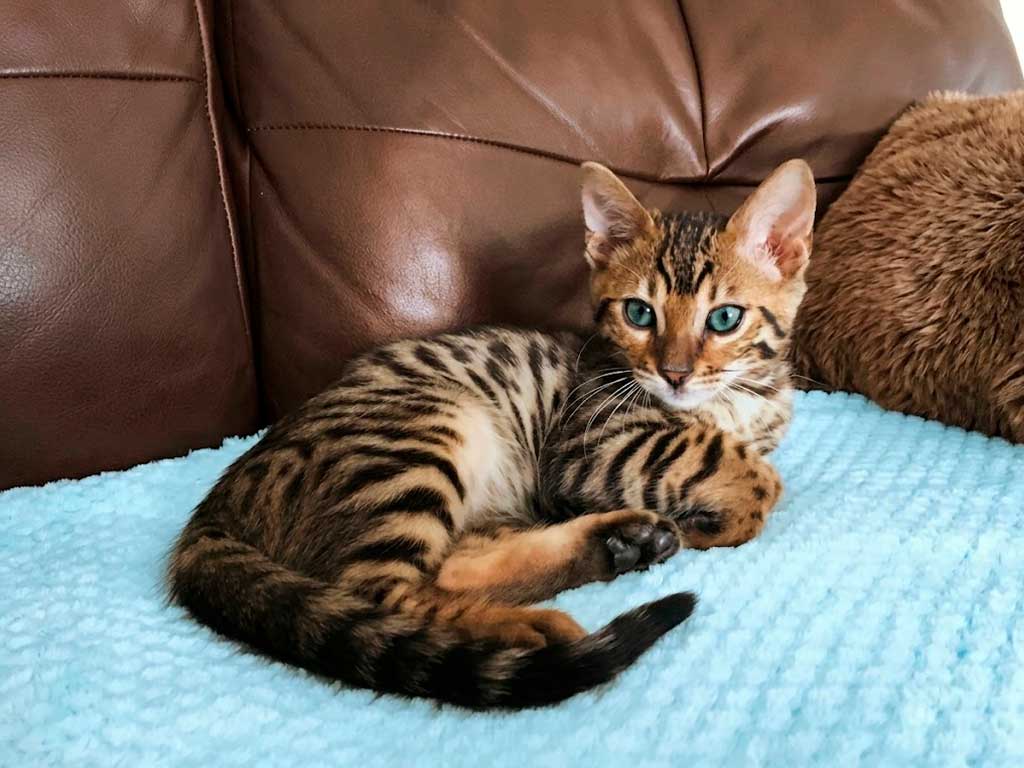
1. Spotted or Rosetted: This is the signature look. Rosettes are multi-toned spots featuring a dark outer ring surrounding a warmer, lighter center—mimicking wild jaguars and leopards.
2. Marbled: A swirling pattern of dramatic, horizontal bands that flow across the cat’s body rather than circular spots.
While the classic brown Bengal with black or deep chocolate rosettes is the most famous, several recognized color variations exist:
• Snow Bengal: Includes Lynx Point, Mink, and Sepia varieties with ivory or cream backgrounds and light-to-dark brown markings.
• Silver Bengal: Features a shimmering icy silver background contrasted against jet-black rosettes.
• Charcoal Bengal: A darker, dramatic shade featuring a dark mask and cape across the back.
The “Glitter Gene”
Many Bengals possess a fascinating genetic trait known as “glitter.” When light hits their fur at a specific angle, the hair shafts reflect light, making the cat look as though it has been dusted with fine gold or silver shimmer. It is a subtle effect, but once you see it in person, it is unforgettable.
Bengal Cat Personality and Behavior: Living with a Miniature Leopard
Your Bengal cat isn’t broken — it’s a cat with high-voltage intelligence and an undeniable drive to explore. Here’s what’s really going on behind those intense, alert eyes.
High Energy and Constant Curiosity
Bengals do not passively watch life happen. They participate in everything you do. Opening a cabinet door, working on a laptop, or folding laundry will instantly become a group activity. They learn how to open doors, turn on light switches, and flush toilets simply by observing you.
An Uncharacteristic Love for Water
Unlike most domestic felines who run from a single droplet, Bengals are famously fascinated by water. Do not be surprised if your Bengal jumps directly into the shower with you, scoops water out of their bowl with their paws, or tries to splash in a running bathroom faucet.
Vocal and Communicative
Bengals are conversationalists. They possess a broad vocal range—from raspy meows and chirps to deep, trilling purrs. They will readily inform you when their food dish is half empty or when you are taking too long to throw their favorite toy.
Common Behavioral Challenges and How to Handle Them
Because Bengals are so intelligent, boredom is their greatest enemy. An under-stimulated Bengal will create their own entertainment, which rarely aligns with your home décor goals.
| Behavioral Issue & Cause | Practical Solution |
|---|---|
| Destructive scratching (Excess physical energy) | Install tall sisal posts & catwalks |
| Opening cabinets & doors (Problem-solving curiosity) | Use baby-proof locks & puzzle toys |
| Excessive vocalization (Attention or routine seeking) | Keep a strict daily play schedule |
| Water bowl splashing (Instinctive water play) | Upgrade to a circulating water fountain |
To keep your home peaceful, prioritize vertical space. High cat trees, wall-mounted climbing shelves, and window perches allow Bengals to survey their territory from above, satisfying their instinctual climbing drive.
Bengal Cat Care Essentials
Taking care of a Bengal cat requires commitment to their physical and mental well-being.
Diet and High-Protein Nutrition
Because of their high metabolic rate and lean muscular structure, Bengals thrive on high-quality, protein-rich diets. Look for commercial cat foods where real meat (such as chicken, turkey, or salmon) is listed as the primary ingredient. Avoid formulas loaded with heavy corn or wheat fillers. Fresh, clean water should always be available, preferably via a circulating fountain.
Exercise and Environmental Enrichment
A ten-minute casual play session once a day will not cut it for a Bengal. Plan for at least 30 to 45 minutes of interactive play every day using feather wands, laser pointers, and fetch toys.
Many Bengal owners successfully train their cats to walk on a harness and leash outdoor adventures. Furthermore, exercise wheels designed specifically for cats are an outstanding investment for Bengal households.
Grooming and Hygiene
Grooming a Bengal cat is delightfully simple. Their short, dense coat sheds minimally and stays clean through self-grooming. A light brushing once a week with a rubber curry brush or slicker brush is plenty to remove loose hairs and keep their glittery coat glossy.
Health Considerations and Longevity
Bengals are generally robust, healthy cats with an average lifespan of 12 to 16 years. However, like all purebred felines, they are predisposed to a few specific genetic health conditions.
Veterinary Safety Note: I’m a feline behavior enthusiast, not a veterinarian. Always consult a licensed vet for health diagnoses or before changing your cat’s medical routine.
• Hypertrophic Cardiomyopathy (HCM): A heart disease characterized by the thickening of the heart muscle. Responsible breeders perform annual echocardiograms on breeding stock to screen for HCM.
• Progressive Retinal Atrophy (PRA-b): A genetic condition that leads to gradual vision loss and eventual blindness. A simple DNA test can detect whether parent cats carry the gene.
• Pyruvate Kinase Deficiency (PK-Def): An inherited hemolytic anemia caused by an enzyme deficiency. DNA screening prevents affected kittens from being born.
When sourcing a Bengal, always ask the breeder for written documentation proving that the parents have been screened for HCM, PRA, and PK-Def.
Bengal Cat Price and Ownership Costs
Acquiring a Bengal cat is a notable financial investment.
• Purchase Price: A purebred SBT Bengal kitten from a reputable breeder typically costs between $1,500 and $3,000+, depending on coat quality, rosette clarity, and pedigree lineage. Show-quality kittens can cost even more.
• Adoption/Rescue: Bengal-specific rescues or shelters occasionally have adult Bengals available for adoption, with fees generally ranging from $150 to $500.
• Ongoing Monthly Budget: Budget approximately $80 to $150 per month for high-quality food, litter, routine vet checkups, toys, and insurance.
Frequently Asked Questions About Bengal Cat (FAQ)
Are Bengal cats hypoallergenic?
No cat is 100% hypoallergenic. However, many people with mild cat allergies report fewer symptoms around Bengals. Because Bengals groom less frequently and shed very little, they spread fewer dander-laden allergens around the home.
Are Bengal cats good with dogs and other pets?
Yes! Thanks to their confident and playful nature, Bengals often form strong friendships with cat-friendly dogs. However, due to their strong prey drive, smaller household pets like hamsters, birds, or fish should be kept securely out of reach.
Can a Bengal cat be kept in an apartment?
Yes, provided you utilize vertical space effectively. Wall shelves, tall climbing trees, and daily interactive play allow a Bengal cat to stay perfectly happy in an apartment setting.
The Bengal cat is an extraordinary animal—part wild artist’s canvas, part tireless athletic companion. If you want a quiet, quiet lap cat that asks for very little, a Bengal will exhaust your patience. But if you are ready for an active, engaging, dog-like feline partner that brings adventure into every corner of your daily life, sharing your home with a Bengal is one of the most rewarding experiences in the pet world.