Turkish Angora Cat: Not the Same Breed as the Turkish Van
Here’s what’s really going on with all the crossed search results for this breed: the Turkish Angora and the Turkish Van get mixed up constantly, but they’re genuinely separate breeds with different histories, body types, and coat patterns.
If you’ve landed here searching for either one, it’s worth knowing which cat you’re actually looking at.
What Makes the Turkish Angora Unique
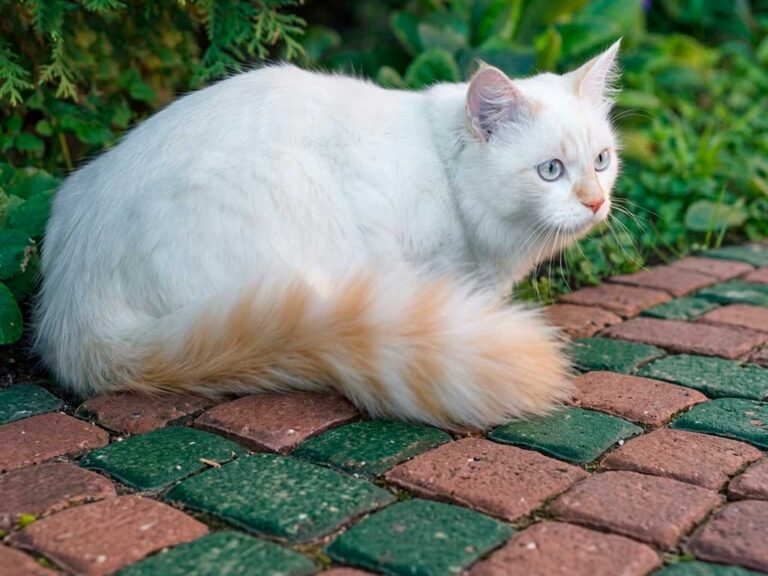
Turkish Angoras are considered the oldest documented longhair breed, and most likely an ancestor to several other longhair breeds that came later. The name comes from Ankara, Turkey’s capital (formerly Angora), where the breed originated. Unlike the Van, which is famous for its water-loving personality and distinctive color pattern limited mostly to the head and tail, the Angora comes in nearly every color and pattern, has a fine single coat rather than the Van’s semi-longhair double coat, and carries a more delicate, refined body type overall.
Common Challenges and How to Handle Them
The breed nearly disappeared once already. Turkish Angoras reached Europe in the 1600s, reportedly among Marie Antoinette’s own cats, and became popular enough in England that breeders interbred them heavily with Persians, diluting the original breed almost out of existence. Turkey’s government stepped in during the 1930s with preservation breeding programs at zoos, but only accepted white cats as “authentic” Angoras at the time. When the breed finally reached the US in 1954, it arrived as an all-white breed by definition. Today’s Turkish Angoras come in virtually every color except chocolate, lilac, and the pointed pattern, none of which are eligible for registration.
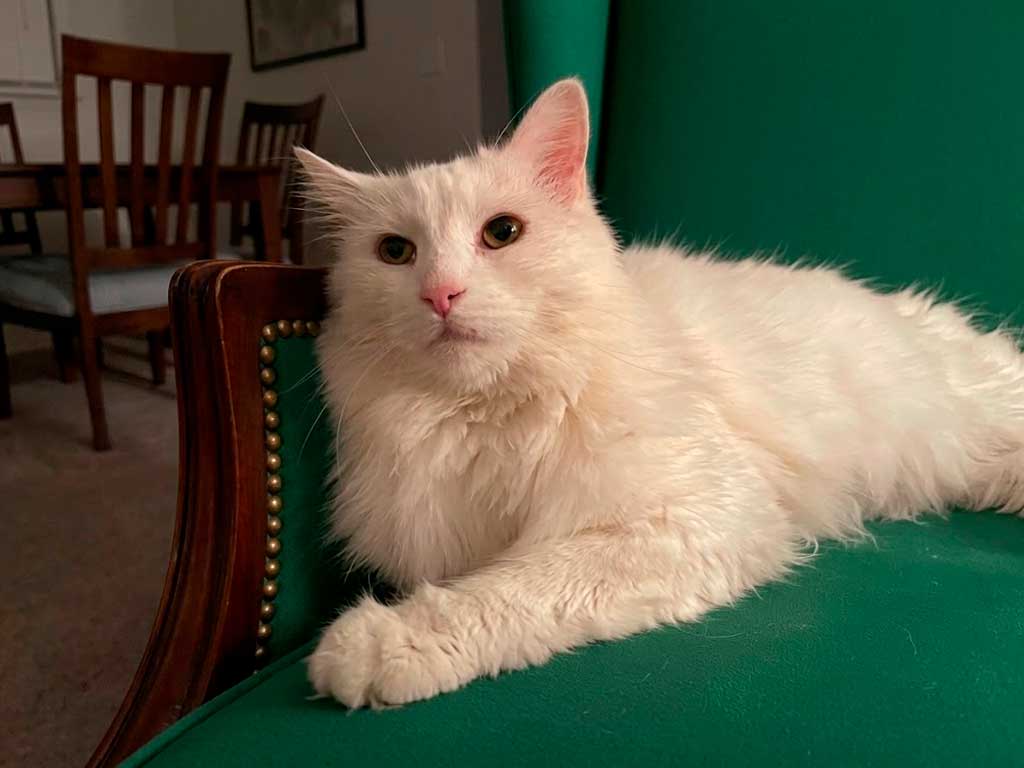
The white-cat deafness question deserves real attention, not internet-forum guessing. Blue-eyed white cats, Turkish Angoras included, carry a documented higher risk of congenital deafness. Responsible breeders address this by pairing white cats with colored ones rather than white-to-white, and some regions require a BAER hearing test before white kittens can be sold. Choosing a colored Angora sidesteps the concern entirely and often costs less, since no additional testing is needed.
Intelligence variation is a milder surprise for new owners. Some Turkish Angoras genuinely earn the “Einstein” nickname breeders use, while others in the same litter forget where the food bowl lives. Either way, expect an intensely interactive cat that inserts itself into everything you do.
Daily Care Essentials
The single coat is one of the easiest longhair textures to maintain, since it resists matting far better than a double coat. Combing two or three times a month covers most of the year, with slightly more attention needed as cats age. Bathing tends to go smoothly too, since Turkish Angoras have a genuine affinity for water; dripping faucets fascinate them, and some will voluntarily join their owner in the shower.
This breed is independent enough to handle a full workday alone, but expect an enthusiastic greeting and a full report of the day’s events the moment you walk in the door.
Health Considerations
Beyond the documented deafness risk in blue-eyed white cats, Turkish Angoras aren’t known for breed-specific health problems.
Health Disclaimer: This guide is for educational purposes only and doesn’t replace professional veterinary advice. Ask about BAER hearing testing if you’re considering a white kitten, and keep regular wellness exams on the calendar regardless of coat color.
Is This the Right Cat for You?
A Turkish Angora suits someone who wants an elegant, highly interactive companion and doesn’t mind serving as a constant “assistant” for every household task. Demand currently outpaces the number of active breeders, so colored kittens tend to be easier to find than the classic white, and adopting a retired show cat can be both faster and more affordable than waiting on a kitten. It’s a poor match if you specifically want the water-loving, color-restricted Turkish Van — a related but genuinely different breed — see the Turkish Van guide before you commit to either.
Frequently Asked Questions
Is a Turkish Angora the same as a Turkish Van?
No. They’re separate breeds. The Van is known for water-loving behavior and a color pattern mostly limited to the head and tail; the Angora has a finer single coat and comes in far more colors and patterns.
Are all Turkish Angoras white?
No, not anymore. The breed was originally registered as all-white when it reached the US in 1954, but today it’s recognized in nearly every color except chocolate, lilac, and pointed patterns.
Are white Turkish Angoras deaf?
Not necessarily, but blue-eyed white cats do carry a higher documented risk of congenital deafness. Reputable breeders screen for this and pair white cats with colored ones to reduce the risk.
Do Turkish Angoras shed a lot?
Less than most longhair breeds. The single coat resists matting and needs only occasional combing for most of the year.
Are Turkish Angoras good with kids?
Yes, generally — their affectionate, tolerant nature and enjoyment of physical contact make them a good fit for households with children.
The Turkish Angora survived near-extinction and a case of mistaken identity to become one of the most genuinely interactive breeds around — elegant on the outside, determined little assistant on the inside.
Browse more breed profiles in the full Cat Breeds guide, including the Persian, the breed the Angora was nearly bred out of existence by.