Domestic Longhair Cat: The Other Cat That Isn’t a Breed
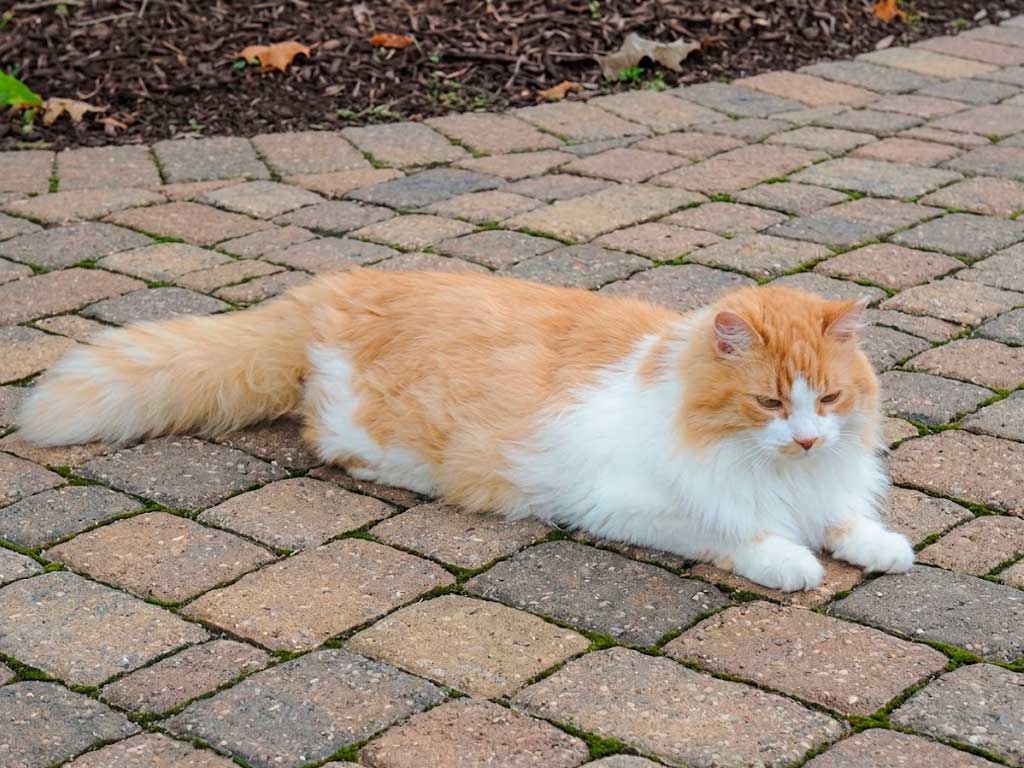
Here’s what’s really going on with that gorgeous fluffy coat: it doesn’t come from a breed standard, it comes from a single recessive gene that showed up centuries ago and got passed along by chance.
A Domestic Longhair cat is the fluffy-coated sibling of the Domestic Shorthair same mixed, unknown ancestry, just with fur that grew in long instead of short.
What “Domestic Longhair” Actually Means
Just like its short-haired counterpart, “Domestic Longhair” isn’t a breed name, it’s a category for cats of mixed lineage with fur that grew in long rather than short. Unlike the Persian, an established pedigreed breed with a defined standard, a Domestic Longhair’s appearance comes entirely from whatever genetics happened to combine in its unknown family tree.
That randomness is exactly why Domestic Longhairs show up in every color, pattern, and body size imaginable, with adult weight ranging anywhere from around 10 to 22 pounds depending on the individual.
Where the Long Coat Actually Came From
The long-hair trait traces back to a single recessive gene mutation, believed to have first appeared around the 15th century in Europe, where a longer coat offered real insulation against cold climates. That mutation spread through cat populations over centuries, eventually crossing the Atlantic aboard settler ships, including, by some accounts, the Mayflower itself.
Those early cats worked as pest control on the voyage and in the colonies that followed, and their descendants make up a meaningful share of today’s mixed-ancestry cat population.
Registries do make room for cats without a pedigree. TICA allows non-pedigreed cats to compete, judged on condition, beauty, and overall presence rather than breed standard, and the World Cat Federation and International Feline Federation offer similar categories.
Coat, Colors, and Personality: Expect Variety
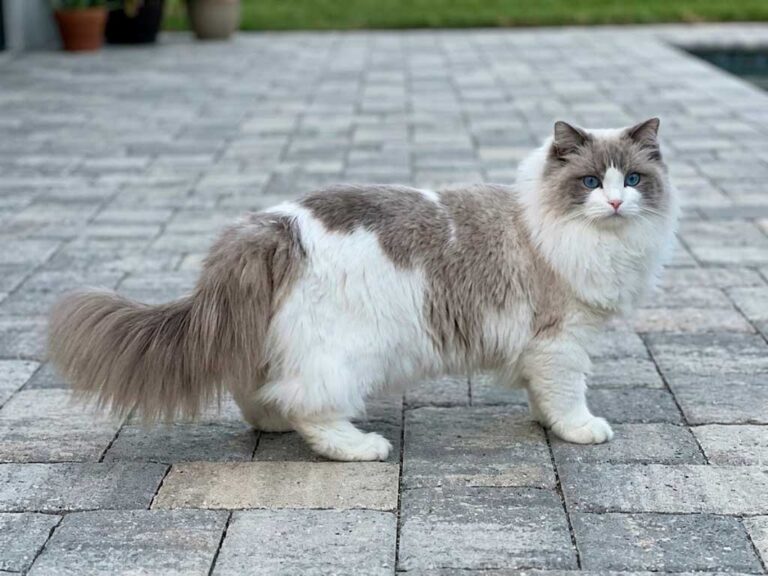
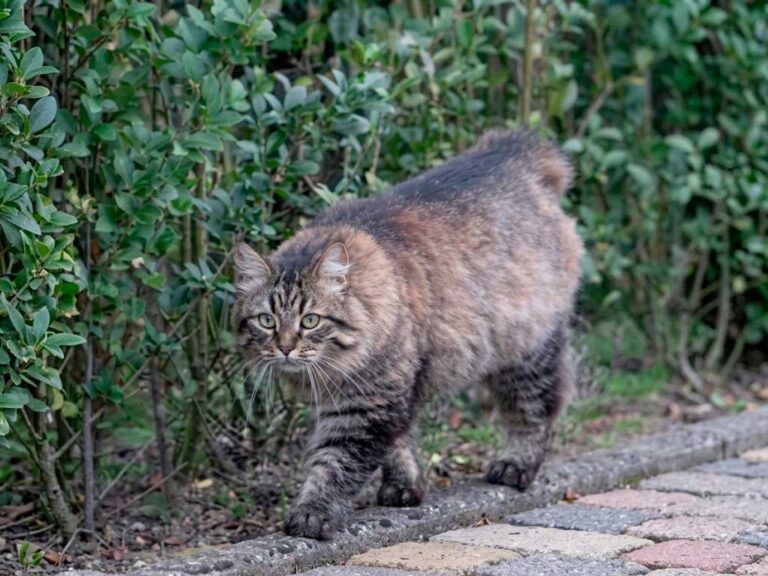
Color and pattern follow no rules here — tabby, tortoiseshell, solid black, orange, tuxedo, and every combination between are equally likely, along with a full range of eye colors. Coat length itself varies too, from a soft semi-long coat to a genuinely thick, plush double coat two inches or more in length.
Personality is just as unpredictable, and that’s part of the appeal. Some Domestic Longhairs are outgoing and people-focused, others are independent and reserved, and temperament tends to reflect early experiences as much as genetics.
What’s consistent is a strong tendency toward adaptability, since these cats make up a large share of shelter and rescue populations and often adjust well to a wide range of homes.
Care Guide
Diet and Nutrition
No special dietary requirements beyond a quality diet matched to age and activity level. Genetic diversity means no consistent food sensitivities across the group, though individual cats can still develop them.
Exercise Requirements
Vertical space, wand toy sessions, and food puzzles help satisfy the instinctive predatory drive most Domestic Longhairs carry. Boredom without an outlet is a common driver of scratching or counter-surfing, so regular play matters more than most owners expect.
Grooming Needs
This is where the Domestic Longhair genuinely differs from its short-haired counterpart: real grooming commitment, not optional extras. Weekly brushing is the baseline to prevent matting and tangling, with more frequent sessions needed during seasonal shedding. Left ungroomed, that thick double coat mats quickly, so this isn’t a coat to set-and-forget the way a short one is.
Health Considerations
Thanks to their mixed genetic background, Domestic Longhairs tend to be relatively healthy and resilient, without the specific hereditary conditions that affect many pedigreed breeds. The main practical concerns tie directly to the coat: neglected grooming can lead to painful matting, and, like any cat, they can develop common feline health issues over a lifetime.
Health Disclaimer: This guide is for educational purposes only and doesn’t replace professional veterinary advice. Regular grooming checks and wellness exams matter for every cat, regardless of ancestry.
Is This the Right Cat for You?
A Domestic Longhair suits someone drawn to a plush, striking coat who’s genuinely willing to commit to weekly brushing, not just admire the look in photos. Because they’re common in shelters and rescues, adoption is typically the fastest and most affordable path to bringing one home, skipping the wait times tied to pedigreed longhair breeds.
If you want a guaranteed adult size, personality, or coat type, a pedigreed breed like the Persian offers more predictability but if you’re comfortable with genuine variety and ready for the grooming commitment, this is where a lot of the internet’s favorite fluffy cats actually come from.
Frequently Asked Questions
Is Domestic Longhair a real cat breed?
No, not in the pedigree sense. It’s a category for long-haired cats of mixed, unknown ancestry, distinct from established longhair breeds like the Persian or Maine Coon.
How much grooming does a Domestic Longhair need?
More than a shorthair — weekly brushing at minimum, with more frequent sessions during shedding season, to prevent matting in the thick double coat.
How big do Domestic Longhair cats get?
It varies widely due to mixed genetics, with adults typically ranging from about 10 to 22 pounds.
How long do Domestic Longhair cats live?
Typically 15 to 17 years with good care, similar to the Domestic Shorthair’s lifespan.
Can Domestic Longhair cats be shown in cat shows?
Yes. TICA, the World Cat Federation, and the International Feline Federation all offer non-pedigree categories judged on condition and presentation rather than breed standard.
Whether it’s the Domestic Shorthair or its fluffier sibling here, the lesson is the same — the most common cats in the world are the ones that never needed a pedigree to earn a spot on the couch.
Browse more breed profiles in the full Cat Breeds guide, including the Domestic Shorthair and Persian.