European Shorthair: Finland’s National Cat, Explained
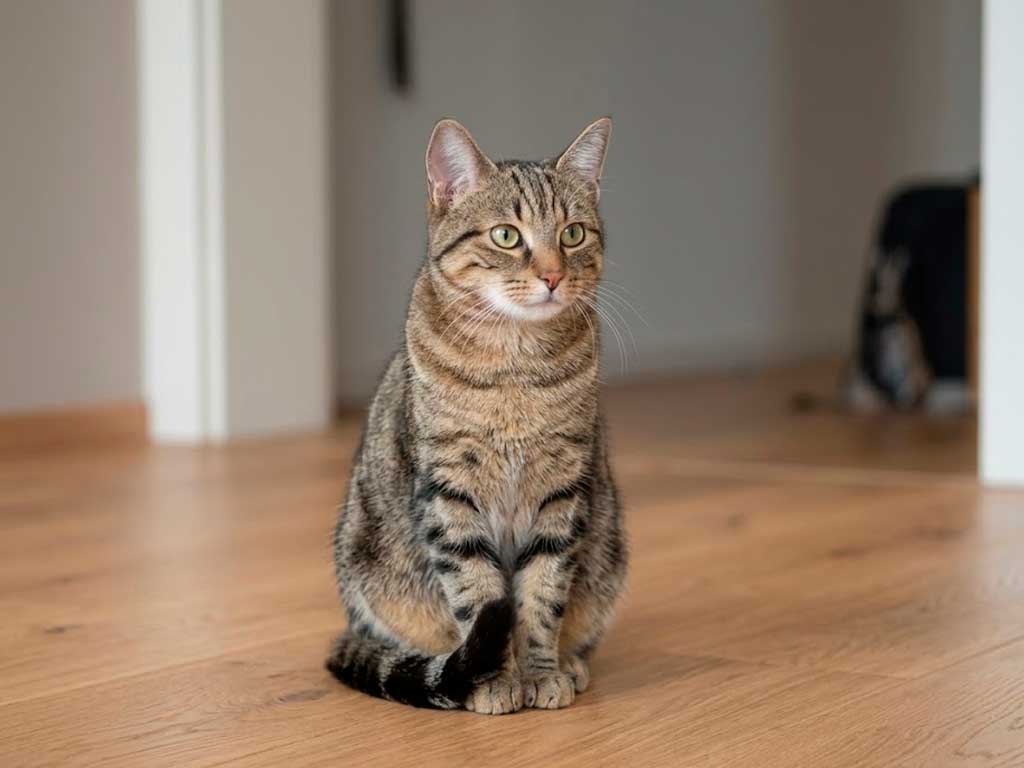
Your cat isn’t just any tabby off the street — if it descends from working mousers that marched with Roman legions across an entire continent, it might be a European Shorthair, a breed so ordinary-looking that most people walk right past its extraordinary backstory.
Here’s the twist: this breed is officially the national cat of Finland. Spoiler: it earned that title the hard way, protecting grain stores from rodents for roughly two thousand years before anyone thought to give it a proper pedigree.
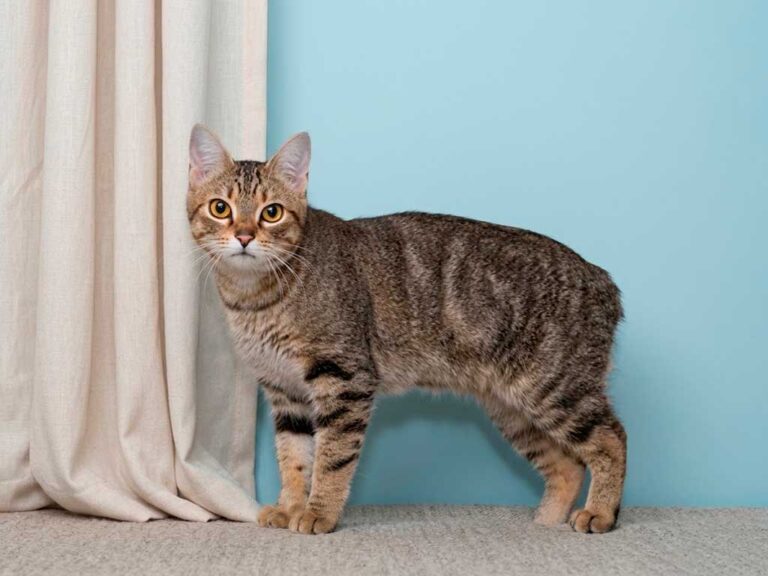
Quick Facts: Medium to large, firm rounded body. Males over 15 lbs, females 12+ lbs. Lifespan 15-20 years. Any color or pattern, with distinctive amber, blue, green, or odd eyes.
History: From Roman Legions to National Cat of Finland
The European Shorthair’s working history stretches back to ancient Rome, where its sharp hunting instinct and intelligence made it a valued member of the legions — protecting food supplies from rodents as soldiers moved across the continent. As European life shifted from Roman settlements into an agrarian society through the Middle Ages, this breed kept doing exactly the same job on farms.
The contemporary type as we recognize it today first took clear shape in Sweden, where kittens combining friendliness, playfulness, and athleticism became the standard. The breed remains especially popular across Scandinavia, and it holds official status as the national cat of Finland.
For years, pedigreed cat circles used “European Shorthair” and “British Shorthair” interchangeably, despite real differences in bloodline and traits. In 1992, the Fédération Internationale Féline (FIFe) settled the confusion by formally recognizing the European Shorthair as its own breed, separate from the British Shorthair and other regional cousins, with its own dedicated standard.
Genetic research has added an interesting footnote to this story too: studies comparing domestic cats worldwide found North American housecats closely linked genetically to European populations, supporting the idea that this same working-cat lineage crossed the Atlantic with early settlers rather than arriving as a separate wave.
European Shorthair vs. British Shorthair vs. Chartreux
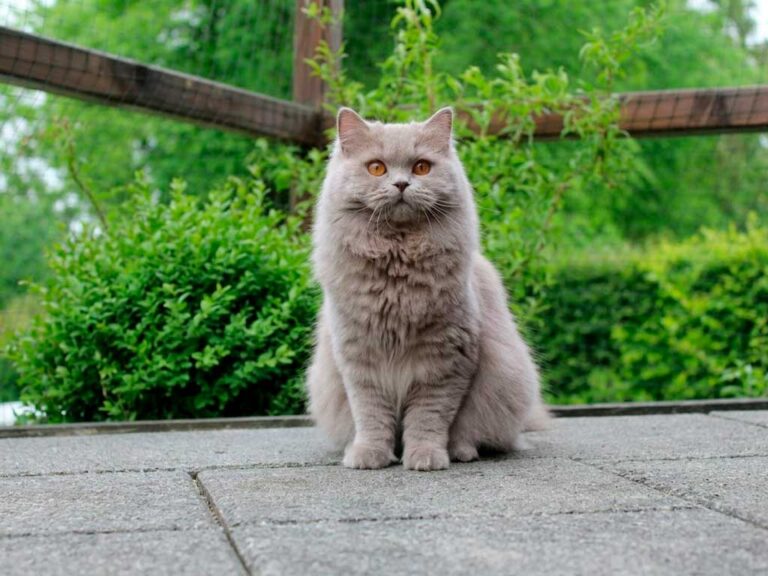
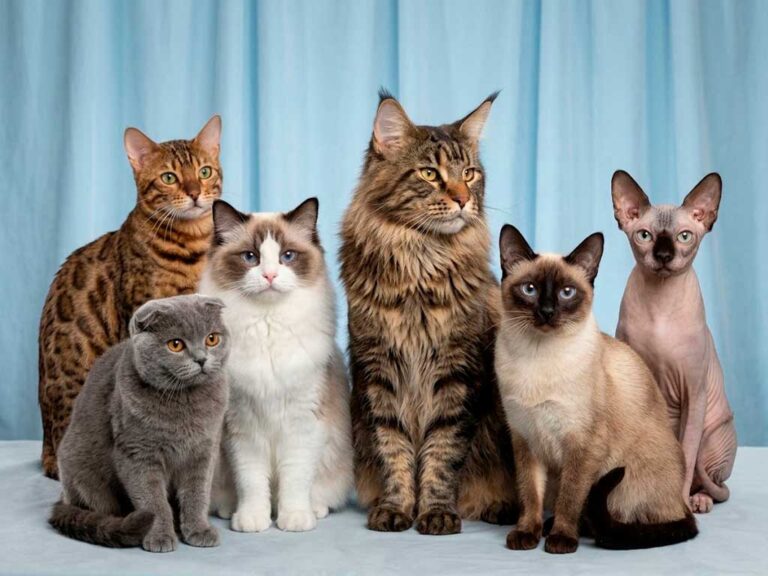
These three get lumped together constantly, and it’s easy to see why — all three are sturdy, working-cat-descended European breeds. The clearest tells: the British Shorthair has a distinctly rounder, chubbier face and a plush, dense coat, while the Chartreux is restricted to a single blue-gray color with a woolly texture. The European Shorthair keeps a more naturally proportioned, less exaggerated face and comes in essentially any color or pattern — the least “stylized” of the three, closer to a well-bred version of an ordinary housecat.
Temperament overlaps a fair amount across the three, since all descend from working-cat stock, but the European Shorthair tends to run the most reserved with strangers of the group, while sharing the same steady, loyal core once it knows you.
Physical Characteristics
This breed carries a large, slightly rounded head with medium ears — sometimes tufted — a straight nose, and a firm chin and cheeks. The body is firm and rounded, though European Shorthairs do have a tendency toward a soft belly “pooch” that’s normal rather than a sign of poor conditioning.
Coat color and pattern are wide open, which is a big part of the breed’s charm — no single “classic” look dominates. Eyes come in blue, amber, or green, with odd-eyed cats (typically one blue, one amber) accepted as a recognized standard rather than a fault.
Despite that soft-belly tendency, this is a genuinely athletic breed underneath, with the strength and agility that made it such an effective working mouser for so many centuries.
Personality and Temperament
Your cat isn’t rude to your guests — it’s just genuinely more reserved with strangers than it is with you. European Shorthairs adapt quickly to new environments and bond warmly with their own household, including kids, seniors, dogs, and other cats, but tend to run shy or timid around unfamiliar faces. A safe hiding spot during gatherings, plus gradual socialization with new people, helps considerably.
That working-cat hunting instinct runs deep and shouldn’t be underestimated around small pets like guinea pigs or hamsters. Intelligent and playful, this breed genuinely benefits from puzzle feeders and interactive toys that put that predatory drive to constructive use.
European Shorthairs are also famously conscientious self-groomers — a trait that served them well during centuries spent working in dusty barns and fields — which keeps their coat looking sleek with minimal help.
Trainability is another underrated trait here — the same working intelligence that made this breed valuable on Roman supply lines translates well into modern life, with many European Shorthairs picking up simple commands and routines faster than expected.
Caring for a European Shorthair
Despite being excellent self-groomers, a weekly combing session still helps manage loose hair and keeps that natural shine at its best. Round out the routine with regular nail trims, teeth brushing, and an occasional bath.
Diet needs are unremarkable for the breed’s size, though because males can exceed 15 lbs at full maturity, portion control matters as this naturally athletic cat ages and activity levels naturally decline.
This breed has a genuine fondness for the outdoors, though free-roaming isn’t always safe for the cat or for local wildlife. A secure, screened window perch or an outdoor catio lets a European Shorthair enjoy fresh air and sunlight without the real risks of unsupervised outdoor time.
Water placement follows the same general rule as most cats — keep the bowl a bit away from the food dish, since the smell of food can put some cats off drinking as much as they should.
Health Conditions to Know
As a natural, working-cat breed with a genuinely broad gene pool, the European Shorthair doesn’t carry the narrow list of breed-specific genetic conditions that some more heavily bred cats do. Routine care — vaccinations, parasite prevention, dental checkups — covers most of what this breed needs to stay healthy across its notably long 15-20 year lifespan.
That longevity is genuinely one of the breed’s strongest selling points — a 15 to 20 year lifespan sits well above the average for many pedigreed breeds, a direct benefit of centuries spent as a naturally selected working cat rather than a narrowly bred show animal.
Health Disclaimer: This guide is for educational purposes only and doesn’t replace professional veterinary advice. Regular wellness exams remain the best way to catch any issue early, regardless of breed.
Finding a European Shorthair: Price and Availability
This breed is common across Europe but genuinely rare outside it, so availability varies enormously depending on where you live. In North America especially, expect a real search and possibly an international breeder connection to find a pedigreed kitten.
Because the breed’s whole standard is built around color-and-pattern flexibility rather than one specific look, working with a FIFe-affiliated breeder matters more than chasing a particular coat — the temperament and health track record are the real draw here, not a signature color.
Is a European Shorthair Right for You?
This breed suits people who want a hardy, adaptable, family-oriented cat with a genuinely long lifespan and minimal breed-specific health worries. If the idea of a cat that bonds deeply with your household while staying a little standoffish with strangers sounds like a fair trade, a European Shorthair delivers exactly that.
It’s a tougher find for anyone outside Europe hoping for an easy, local adoption. Your cat isn’t going to be the most exotic-looking option in the room. It’s going to be one of the steadiest, longest-lived companions you could ask for.
Multi-pet households generally work well too, provided small caged pets stay genuinely out of reach — that hunting instinct is real, even in an otherwise mellow, family-oriented cat.
One more thing worth knowing: because this breed’s whole identity is built on adaptability rather than a fixed look, don’t be surprised if a European Shorthair kitten’s adult coat pattern ends up looking nothing like what you expected at eight weeks old — that variability is a feature of the breed, not a fluke.
Frequently Asked Questions
Is the European Shorthair the same as the British Shorthair?
No, though the two were historically confused. FIFe formally separated them as distinct breeds in 1992. The European Shorthair has a less rounded face and comes in a wider range of colors.
Why is the European Shorthair the national cat of Finland?
The breed became closely associated with Scandinavian working cats and household life, earning official recognition as Finland’s national cat, reflecting its long popularity and history in the region.
Are European Shorthairs friendly with strangers?
Not always immediately. They tend to be affectionate with their own household but can be shy or reserved around unfamiliar people until properly socialized.
How long do European Shorthairs live?
Typically 15 to 20 years, a notably long lifespan reflecting the breed’s broad, healthy gene pool.
Are European Shorthairs hypoallergenic?
No cat breed is truly hypoallergenic, and the European Shorthair isn’t typically listed among lower-shedding options.
A European Shorthair spent roughly two thousand years earning its keep before anyone gave it a proper name, let alone a national title. Once you understand that working-cat foundation, the steady, self-sufficient, deeply loyal temperament makes complete sense.
Browse more breed profiles in the full Cat Breeds guide.