American Bobtail Cat: Breed Guide, Temperament & Price
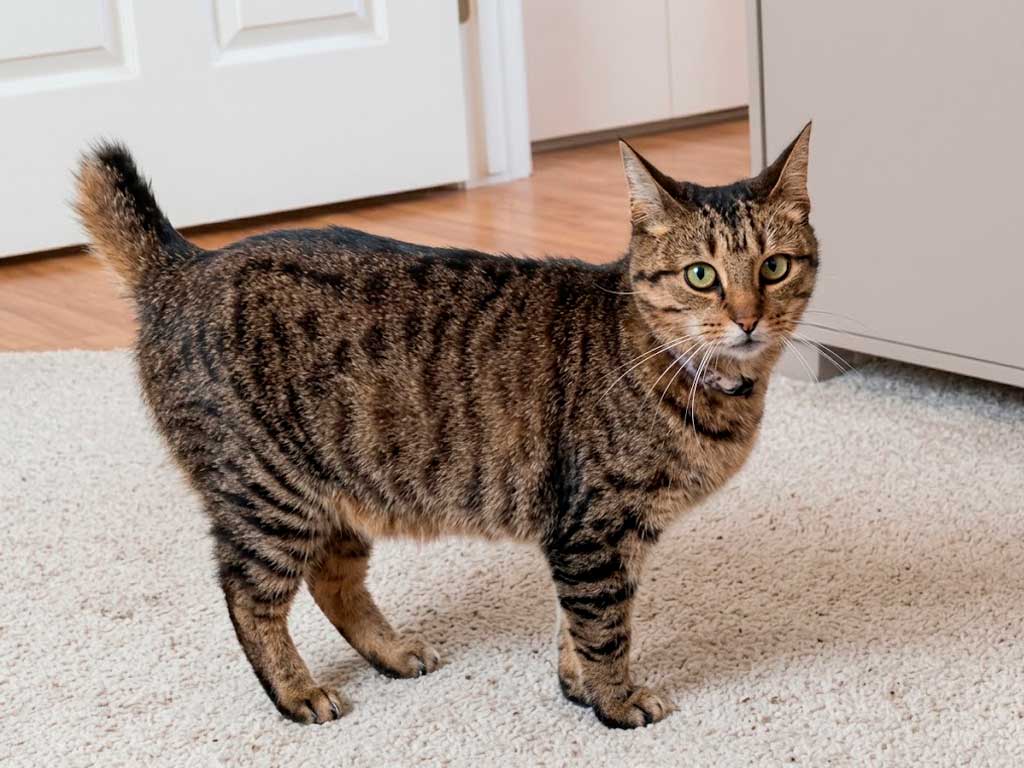
Your cat isn’t a bobcat — but it’s clearly trying to convince the mail carrier otherwise. That hunting gaze, that stub of a tail, that rolling, powerful walk. If you own an American Bobtail, you already know the double takes are constant.
Here’s what’s really going on: this breed looks like it wandered out of the wilderness, and it’s 100% domestic cat. No bobcat, no lynx, nothing wild in the bloodline at all. Just one lucky genetic mutation and decades of careful breeding.
Quick Facts: Medium to large, naturally occurring bobtail breed. Males run 12-16 lbs, females 7-11 lbs. Lifespan is typically 11-15+ years. Comes in both shorthair and longhair, any color or pattern.
History: How One Stray Kitten Started a Breed
Every American Bobtail story starts the same way — with Yodi. In the late 1960s, a couple named John and Brenda Sanders were driving through an Arizona reservation when they found a brown tabby kitten with a strikingly short tail. They took him home to Iowa.
Yodi grew up and, eventually, bred with Mishi, the couple’s non-pedigreed domestic cat. The kittens inherited his short tail. Two breed enthusiasts, Mindy Shultz and Charlotte Bentley, saw potential in those kittens and began developing what would become the American Bobtail, later outcrossing to a longhaired colorpoint cat to widen the gene pool.
The International Cat Association recognized the breed in 1989. Breeders continued working with feral bobtailed cats found across the U.S. and Canada, and remarkably, cats from opposite ends of the country — with zero shared ancestry — turned out to look strikingly alike. That’s how a spontaneous mutation in the feral cat population became one of the more genetically diverse breeds in North America.
What Makes This Breed Unique
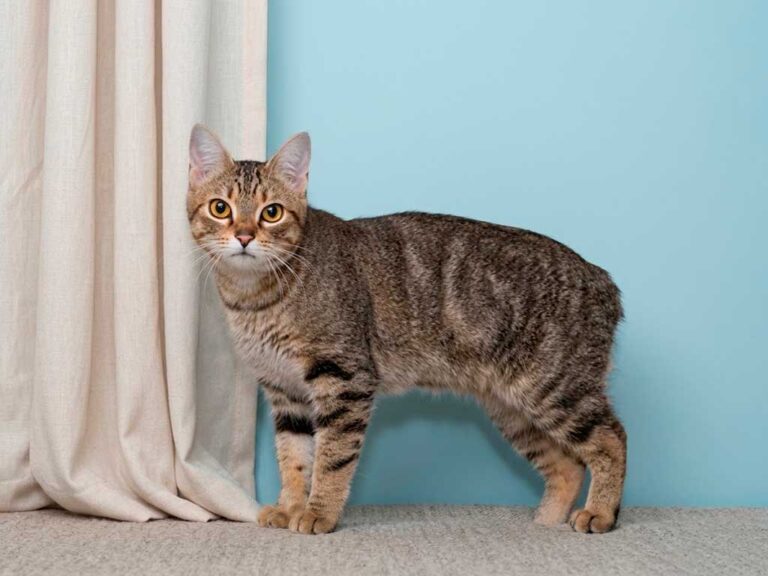
The bobtail itself is the headline feature, but it’s genuinely unpredictable. Tails can be straight, slightly curved, kinked, or bumpy along the length — no two American Bobtails have identical tails, which breeders treat as a feature rather than a flaw. The tail should still be clearly visible above the back when the cat is alert.
Litters can also produce kittens with a full-length tail or no tail at all, alongside the classic bobtail. Fully tailless kittens sometimes come with continence issues, which is why responsible breeders remove them from breeding programs — though they still make excellent pets.
Beyond the tail, the head and body do a lot of the wildcat impression. A pronounced brow ridge over almond-shaped eyes creates that unmistakable hunting stare, and the body is broad-chested, muscular, and noticeably heavier than it looks.
That slow maturation is worth planning around too — a Bobtail kitten at one year old still has real growing to do, both in size and in settling into its adult temperament, so early quirks often mellow with time.
Personality and Temperament
Your cat isn’t standoffish — it’s just built like a survivor. American Bobtails descend from self-sufficient feral cats, and that independence shows up as confidence rather than aloofness. They form deep bonds with the whole household, not one favorite person, and genuinely dislike being left alone for long stretches.
They invent their own hunting-style games, often carrying a toy around in triumph after catching it. Despite that wild streak, they’re famous for sensing when someone in the house is upset and offering a comforting cuddle — which is exactly why the breed shows up so often in therapy and support-animal programs.
Vocally, they’re on the quieter side. Chirps, trills, and clicking sounds replace constant meowing, and most take well to a harness and leash if you introduce it early.
That emotional sensitivity isn’t just anecdotal — some psychotherapists have deliberately included American Bobtails in treatment settings, leaning on the breed’s tendency to seek out anyone who’s distressed. It’s an unusual credential for a cat that looks like it belongs in a nature documentary.
Caring for an American Bobtail
Diet-wise, a quality food matched to age and activity level is all this breed needs — nothing exotic required. Because Bobtails mature slowly, taking up to three years to reach full adult size, growing kittens benefit from a kitten-formulated diet longer than some breeds.
Exercise needs sit in the middle of the spectrum: moderately active, not a couch potato, not constant motion either. Puzzle feeders and short leash walks satisfy the breed’s intelligence better than pure physical exertion alone, and many Bobtails genuinely enjoy learning tricks.
Grooming is easy on both coat lengths. A couple of brushing sessions per week — more often during spring and fall shedding — keeps mats from forming, and baths are rarely necessary outside of a real mess.
American Bobtail Colors and Patterns
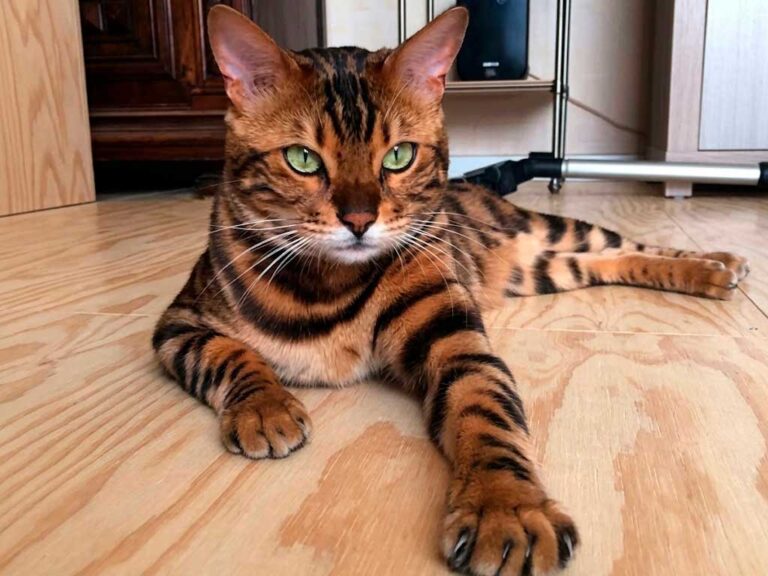
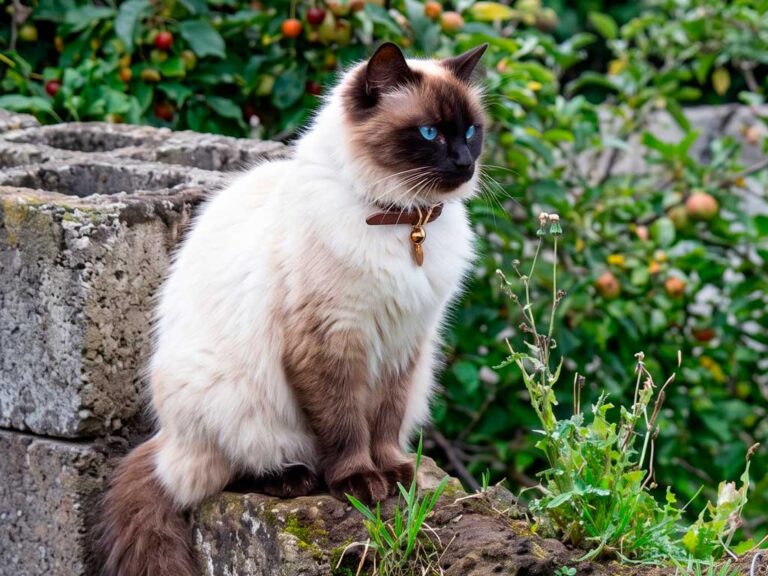
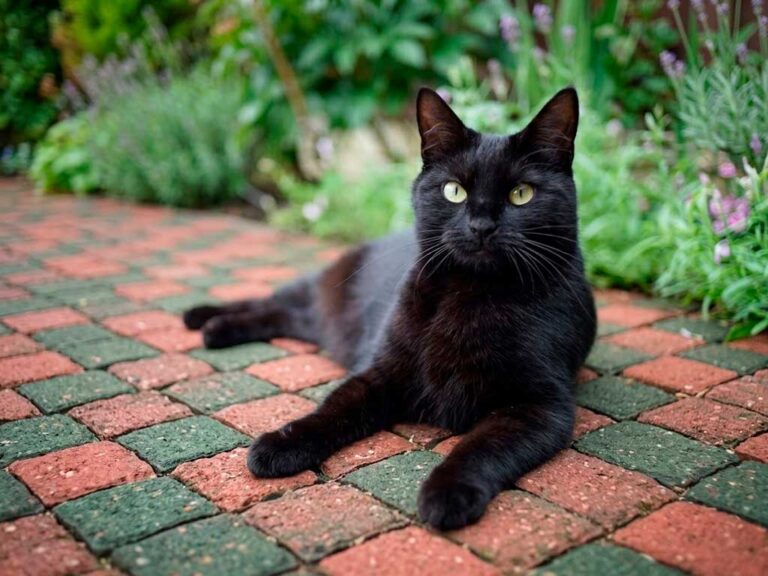
Unlike breeds locked into a handful of approved colors, the American Bobtail comes in essentially any color or pattern: black, blue, red, cream, chocolate, cinnamon, lilac, fawn, tabby, tortoiseshell, and combinations with white. Red and orange Bobtails share that same warm pigment family covered in our guide to yellow and orange cats, though the genetics behind coat length and pattern here are entirely separate from the tail mutation.
Both coat lengths are low-maintenance. Shorthairs have a plush, dense texture people often compare to a rabbit’s pelt, while longhairs carry a slightly shaggy coat that still resists matting far better than most long-haired breeds.
Eye, Ear, and Nail Care
Beyond brushing, the routine is standard cat care: trim nails every couple of weeks, wipe eye corners with a soft damp cloth (a separate section of cloth for each eye avoids spreading any infection), and check ears weekly for dirt or odor. A diluted cider vinegar solution on a cotton ball handles routine ear cleaning — skip cotton swabs, which can push debris deeper or damage the ear canal.
Health and Genetic Conditions to Know
American Bobtails are, on the whole, a healthy breed — partly thanks to that wide feral gene pool at the breed’s foundation. The main concern traces back to the tail mutation itself: it can occasionally come with spine or hip issues, particularly in cats bred toward a very short or absent tail.
As with any breed built around a single genetic trait, working with a breeder who screens carefully and avoids breeding two extremely short-tailed cats together matters more than any single health test.
Health Disclaimer: This guide is for educational purposes only and doesn’t replace professional veterinary advice. If you’re adopting an American Bobtail, ask the breeder about the tail lengths of the kitten’s parents and any history of spinal or hip issues in the line.
American Bobtail Price and Where to Find One
This is a genuinely rare breed — rarer than most of the cats on our Cat Breeds guide, including the equally intelligent Abyssinian. Kittens from a registered breeder often run into four figures, and waitlists are common since so few catteries specialize in the breed.
Expect to travel or wait for the color, sex, or coat length you want. Given the rarity, check breed-specific rescue groups too — Bobtails and Bobtail mixes do occasionally turn up outside of breeder channels, usually at a fraction of the cost.
Is an American Bobtail Right for You?
This breed fits households that want an intelligent, people-oriented cat without the constant motion of a more high-strung breed. If you like the idea of a cat that walks on a leash, plays fetch, and genuinely tunes into your mood, an American Bobtail delivers all of that.
It’s a tougher fit if you’re set on a specific look or color and unwilling to wait — availability is the real limiting factor here, not temperament. Your cat isn’t hard to love. It’s just hard to find.
If the American Bobtail’s build and confidence appeal to you but you can’t find one nearby, breeders and registries often point to the Bengal and Oriental Shorthair as breeds with a comparable athletic build and people-oriented streak, even though neither shares the bobtail trait.
Frequently Asked Questions
Is an American Bobtail part wild cat?
No. Despite the wildcat appearance, the American Bobtail has no bobcat, lynx, or other wild ancestry. The look comes entirely from a natural domestic-cat mutation.
Are American Bobtails good with kids and dogs?
Yes — they’re consistently described as easygoing with children and compatible with dogs, largely thanks to their calm, adaptable temperament.
How much does an American Bobtail cost?
Kittens from registered breeders commonly cost well over a thousand dollars given how rare the breed is, with waitlists common. Rescue adoption, when available, costs significantly less.
Do all American Bobtail kittens have short tails?
Not necessarily. Litters can include kittens with a full-length tail or no tail at all alongside the classic bobtail. Non-bobtail kittens make great pets but typically can’t be shown.
How big do American Bobtails get?
Males typically weigh 12-16 lbs and females 7-11 lbs, with the breed taking up to three years to reach full adult size.
An American Bobtail spends its whole life looking like it just wandered in from the woods, while acting like it’s been part of the family for generations. Once you get past the hunting stare, what’s underneath is one of the more devoted, emotionally tuned-in cats you’ll find.
Browse more breed profiles in the full Cat Breeds guide.