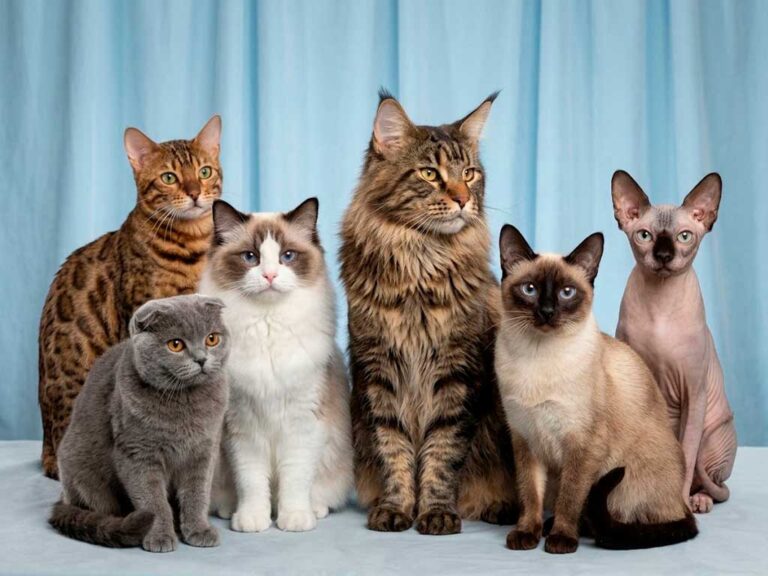
RagaMuffin: The Cat Bred to Be a Living Teddy Bear

Your cat isn’t just affectionate by coincidence — the RagaMuffin was deliberately, methodically bred toward one specific goal: becoming the most loving, easygoing lap cat imaginable. CFA describes the result as a colorful, living work of art, and honestly, that’s not far off.
This breed will make itself at home anywhere you happen to be sitting, wearing what breeders affectionately call a teddy-bear personality. Spoiler: the name itself is a nod to the breed’s humble street-cat beginnings, with just enough roguish charm to keep things interesting.
Quick Facts: Medium to large, substantial bone structure. Males up to 20 lbs, females closer to 15 lbs. Full, silky coat compared to rabbit fur. Doesn’t reach full maturity until around 4 years old. CFA championship status since 2011.
History: A Breakaway From the Ragdoll Registry
The RagaMuffin’s history is closely tied to the Ragdoll’s. In the early 1990s, a group of breeders formerly associated with Ann Baker, the Ragdoll’s founder, chose to break away from her registry. They continued developing the breed independently, working with carefully selected domestic longhairs to add fresh genes for health and vitality.
These breeders kept some core Ragdoll traits — a large, longhaired cat with an extremely mellow nature — while pursuing a somewhat different body type and a dramatically wider color range. They chose the name RagaMuffin specifically to link the new breed back to its ancestral street cats. CFA granted registration in 2003 and full championship status followed in 2011.
CFA currently allows one specific outcross for the breed — the straight-haired variant of the Selkirk Rex Longhair — for kittens born on or before July 31, 2030. After that date, RagaMuffin kittens must have only RagaMuffin parents, closing that outcross window permanently.
RagaMuffin vs. Ragdoll: Shared Roots, Different Paths
These two breeds share real history, not just a similar name and a mellow reputation. The core difference comes down to color and, to a lesser degree, body type. The Ragdoll’s official standard restricts it to pointed patterns only. The RagaMuffin, by contrast, comes in essentially every color and pattern imaginable — solids, tabbies, tortoiseshells, calicos, smokes, and more — with pointed colors registered for breeding only and not eligible for showing.
Temperament overlaps heavily, since both breeds were built around the same gentle, affectionate ideal. If you love the Ragdoll’s personality but want more color options, the RagaMuffin is worth a look.
Body type differs subtly too — both breeds run large and substantial, but the exact proportions and head shape reflect decades of separate breeding decisions since the original split, even though the founding stock traces back to the same source.
Physical Characteristics
The head forms a broad, modified wedge with a pleasingly rounded shape and no flat planes. Large, expressive, walnut-shaped eyes and noticeably puffy whisker pads give every RagaMuffin that signature sweet look CFA’s standard specifically calls out. In profile, an obvious nose dip creates a gentle scoop rather than a sharp break.
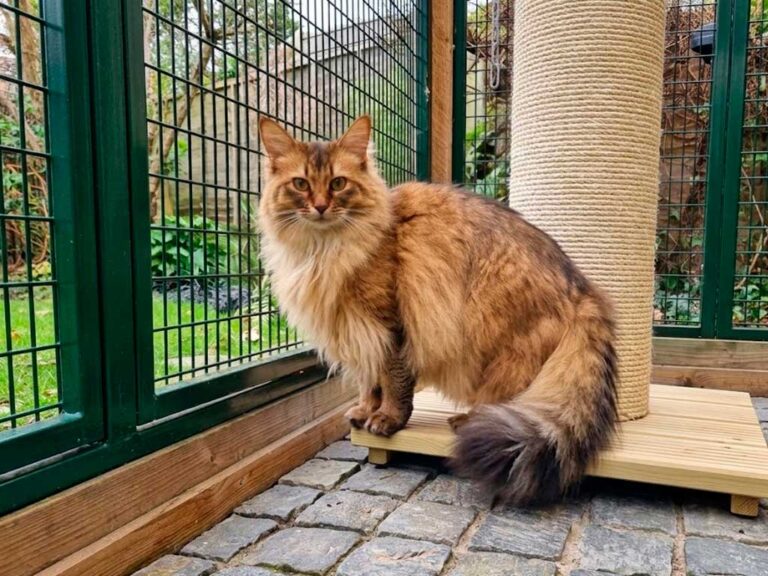
The coat is full and silky, often compared to rabbit fur, longer around the neck for a ruff effect and increasing in length down the back and shoulders. This is a genuinely slow-maturing breed — full growth isn’t reached until around four years old, with mature males reaching up to 20 pounds and females peaking closer to 15.
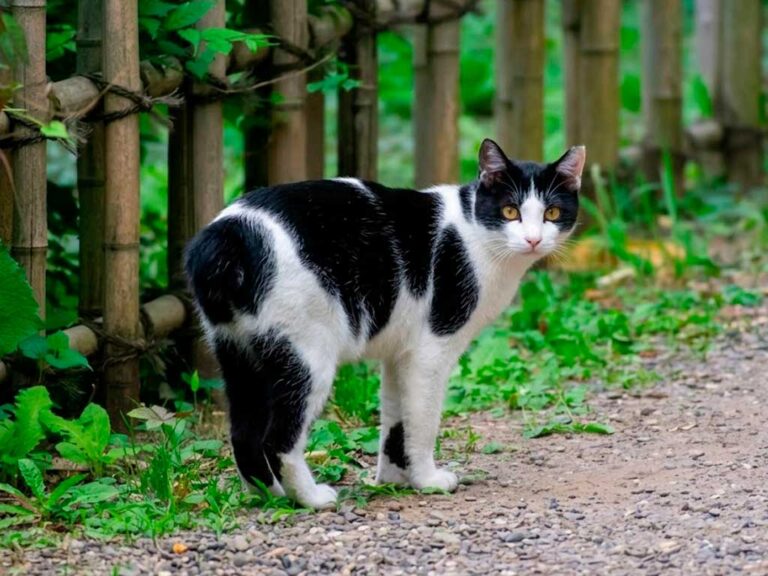
Nearly every color and pattern is accepted, with or without white, except pointed colors, which are for breeding only. That color range genuinely rivals or exceeds most other breeds in this cluster.
There’s also a fatty pad on the lower abdomen that’s genuinely part of the standard rather than a sign of overweight — a soft, low-hanging pouch breeders consider a correct breed trait, not something to diet away.
Personality and Temperament
Your cat isn’t the smartest problem-solver in the house — CFA is refreshingly candid that RagaMuffins are known for sweetness rather than high intelligence. That doesn’t mean they’re not sharp, though; they’re eager to please and genuinely responsive to what their people want, and many learn to wear a harness, walk on a leash, or even fetch.
Most RagaMuffins are happiest simply living up to the lap-cat role, snuggling with their favorite person for hours at a stretch. This agreeable nature makes them wonderful with small children — a RagaMuffin is unlikely to mind a tea party or a round of dress-up — and they provide steady companionship for people living alone.
Trusting almost to a fault, RagaMuffins enjoy the company of dogs and other cats, but because they’re rarely aggressive, careful introductions matter so they don’t end up dominated by a more assertive housemate. They’ll engage in friendly conversation but aren’t unduly vocal about it.
Despite being playful when the mood strikes, most RagaMuffins would rather stay grounded than climb — this isn’t a breed drawn to the tops of bookshelves the way some others are.
Caring for a RagaMuffin
Despite that long, full coat, daily grooming isn’t required — the fur genuinely resists tangling and matting. Combing once or twice a week with a long-toothed comb removes anything caught in the coat, and regular bathing generally isn’t necessary, though an occasional bath does bring out the coat’s natural beauty. Check with your breeder for the right products, since texture varies slightly by color.
Round out care with regular nail trims, ear checks, and dental hygiene — nothing breed-specific there, just the usual consistency every cat benefits from over what’s typically a long life.
Health Conditions to Know
Thanks to a genuinely diverse breeding background, RagaMuffins tend to be sturdy, healthy cats with no confirmed breed-specific genetic issues. That said, heritable conditions that can occur in cats generally — hypertrophic cardiomyopathy (HCM) and polycystic kidney disease (PKD) — are worth screening for, and genetic testing of breeding cats helps manage the risk.
Health Disclaimer: This guide is for educational purposes only and doesn’t replace professional veterinary advice. Ask breeders for HCM and PKD testing results on both parents, and consider pet insurance, which many breeders recommend.
Weight management deserves ongoing attention too, separate from that correct fatty abdominal pad — with a frame this substantial, it’s worth a hands-on check at routine vet visits rather than judging condition by sight alone.
Finding a RagaMuffin: Price and Availability
This remains a relatively new, still-small breed, though numbers grow every year. A cat show is the best way to connect with a breeder — check with the sponsoring club first to confirm RagaMuffins will actually be entered, since not every show draws every breed. CFA’s Find-a-Breeder website is a solid fallback.
Given the breed’s small numbers, don’t be surprised if the right kitten requires some travel or a genuine wait — a reputable breeder with a waitlist is a far better sign than an unusually quick turnaround.
Is a RagaMuffin Right for You?
This breed suits people who want a genuinely gentle, undemanding, deeply affectionate lap cat and don’t need a highly independent or puzzle-solving companion. If the idea of a cat that tolerates dress-up games, walks on a leash, and settles in for hours of cuddling sounds appealing, a RagaMuffin delivers exactly that.
It’s a tougher fit for anyone hoping for a highly active, vocal, or fiercely independent cat. Your cat isn’t going to challenge you intellectually. It’s going to be right there on your lap, exactly where a teddy bear is supposed to be.
Apartment living suits this breed well too, since it doesn’t need much vertical space or outdoor access to feel content — consistent affection and a comfortable lap matter far more than square footage.
One last thing worth knowing before you commit: because this breed matures so slowly, a young RagaMuffin’s final size and coat fullness won’t really be clear until around the four-year mark — patience is part of the deal with this breed, in more ways than one.
Frequently Asked Questions
Is a RagaMuffin the same as a Ragdoll?
They share real history — a group of Ragdoll breeders founded the RagaMuffin after splitting from the original Ragdoll registry in the early 1990s. The main difference is color: Ragdolls are restricted to pointed patterns, while RagaMuffins come in nearly any color.
Are RagaMuffins good with kids?
Yes — their patient, agreeable temperament makes them a strong match for families with small children, including tea parties and dress-up games.
How big do RagaMuffins get?
Mature males can reach up to 20 pounds, with females peaking closer to 15. The breed doesn’t reach full maturity until around 4 years old.
What health problems are RagaMuffins prone to?
No breed-specific genetic conditions are confirmed, though hypertrophic cardiomyopathy and polycystic kidney disease are worth screening for, as with cats generally.
How much does a RagaMuffin cost?
Prices vary, but expect a premium and a real wait given how small and relatively new the breed remains.
A RagaMuffin exists because a small group of breeders had a clear vision — a cat built purely for affection — and pursued it with real dedication. Decades later, that vision produced one of the most genuinely cuddly, agreeable breeds in the cat world, in more colors than almost any other.
Browse more breed profiles in the full Cat Breeds guide.