Selkirk Rex Cat: Curly Coat, Big Personality, Easy Care
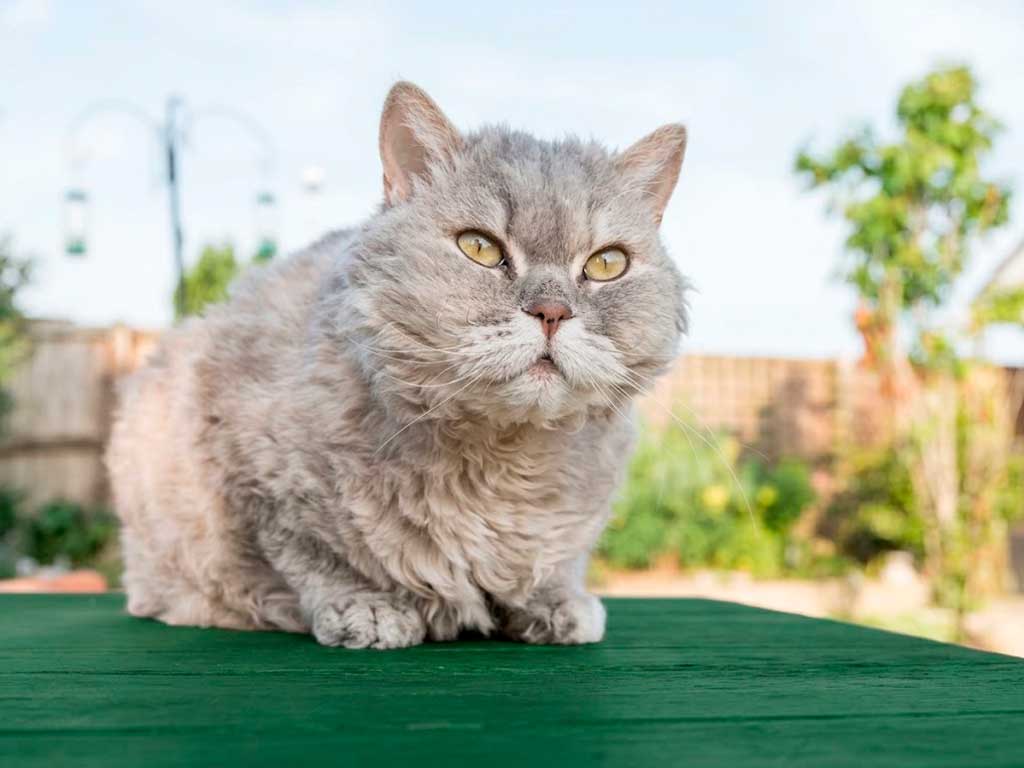
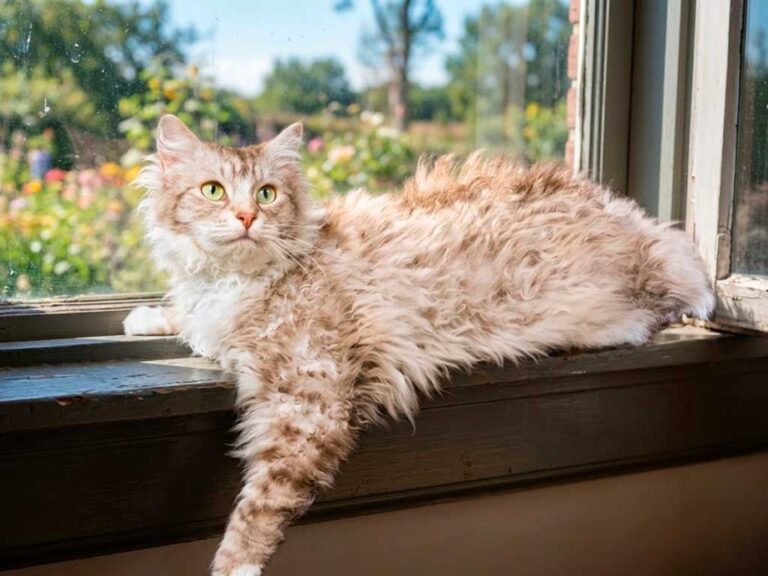
Here’s what’s really going on with that “bad hair day” look: it’s not messy, it’s a dominant gene doing exactly what it’s supposed to do. The Selkirk Rex cat carries loose, plush curls in its coat, whiskers, and even eyebrows, which is why fans nicknamed it the cat in sheep’s clothing.
Quick Facts: Medium-to-large, sturdy, heavy-boned build. Short or long curly coat (some individuals carry straight hair instead). Life expectancy 10-15+ years. Generally a healthy breed. Comb, don’t brush.
Getting Started: What You’ll Need
Before the cat arrives, the shopping list is refreshingly short. A wide-tooth comb matters more than any brush here, since brushing a curly coat too often breaks up the curl pattern and leaves it looking frizzy instead of plush. Add a couple of interactive toys or a fishing-pole wand, since this breed stays playful well into adulthood, and a sturdy scratching post to match its solid, muscular frame.
Where the Curl Actually Came From
Every Selkirk Rex traces back to one kitten. In 1987, a Montana shelter litter produced a curly-coated female with straight-haired littermates. Persian breeder Jeri Newman adopted her and named her Miss DePesto, for her habit of pestering people for attention. When Newman bred her to a black Persian stud, three of the resulting six kittens came out curly, proving the trait was dominant, unlike the recessive curl genes behind the Cornish and Devon Rex.
TICA accepted the breed into its New Breed program in 1990 and granted full championship status in 1994. British Shorthair, Persian, and Exotic Shorthair all went into the foundation lines, which is exactly where the Selkirk’s personality comes from: the laid-back streak from the British Shorthair, the cuddly nature from the Persian, and a playful streak from the Exotic Shorthair.
Personality and Daily Life
Your cat isn’t actually demanding if it’s a Selkirk Rex — it just really, really wants to be near you. Owners describe this breed as a shadow that follows them from room to room, then happily curls into a lap the moment you sit down. It’s patient with the constant hands-on attention its coat attracts from visitors, tolerant of kids and other pets, and vocal only in a soft, occasional chirp rather than a persistent meow.
That said, it isn’t a couch ornament. Selkirks keep a genuinely playful streak into adulthood, and this breed dislikes being left alone for long stretches. A cat left without enough interaction gets bored fast, so plan on real daily play, not just a food puzzle left out to fend for itself.
Coat, Curl, and the Homozygote Question
One detail almost no breed page explains clearly: not every Selkirk is curly the same amount. A cat with one copy of the curl gene carries loose, soft waves; a cat with two copies — a genetic homozygote — carries a tighter, denser curl. Kittens are born curly, but the coat can straighten out temporarily before settling into its adult pattern around eight to ten months old, and it keeps developing until roughly two years of age. Some kittens in a litter end up with fully straight hair despite carrying the gene, since it doesn’t guarantee visible curl in every individual.
Coat length works independently of curl: shorthair Selkirks have a dense, teddy-bear texture, while longhairs get the fuller, tousled “woolly sheep” look. Both varieties come in essentially every color and pattern.
Health Considerations
TICA classifies the Selkirk Rex as a generally healthy breed with no defining genetic condition, unlike some of its curly-coated or flat-faced cousins. That doesn’t mean zero risk. Like most cats, Selkirks can develop dental disease, hypertrophic cardiomyopathy, or pancreatitis over a lifetime, and this breed in particular tends toward extra tear duct discharge, so keep an eye on the eyes during regular grooming sessions.
Health Disclaimer: This guide is for educational purposes only and doesn’t replace professional veterinary advice. Routine dental care, weight management, and annual checkups go a long way with this breed.
Mistakes to Avoid
Over-brushing is the single most common mistake — a stiff brush breaks up the curl and leaves the coat looking frizzy rather than plush, so stick to a wide-tooth comb once a week instead. A close second is assuming the thick coat means the cat is high-maintenance: most Selkirks manage a fair amount of their own grooming, and heavy bathing with the wrong shampoo actually flattens the curl rather than protecting it. And don’t mistake the calm temperament for low social needs — this is not a breed that thrives being left alone all day.
Frequently Asked Questions
Is the Selkirk Rex from Scotland?
No, despite the name. It originated in Montana in 1987 and was named after the breeder’s stepfather’s surname, not the Scottish region.
Do Selkirk Rex cats shed?
Yes, moderately, especially in summer. Weekly combing keeps loose hair from building up around the house.
Are Selkirk Rex cats hypoallergenic?
No. The curly coat doesn’t reduce allergens, since those come from proteins in saliva and skin rather than hair texture.
Why is my Selkirk Rex kitten’s coat going straight?
That’s normal. Coats can temporarily straighten before settling into their adult curl pattern around eight to ten months, with full maturity around age two.
Are Selkirk Rex cats good for first-time owners?
Generally yes — they’re patient, adaptable, and don’t demand specialized grooming tools or techniques, just a lighter touch than a typical brush-loving breed.
The Selkirk Rex proves that a genuinely unusual look doesn’t always come with genuinely unusual care — just a comb, patience for the attention it attracts, and enough daily play to keep that playful streak satisfied.
Browse more breed profiles in the full Cat Breeds guide, including the British Shorthair and Persian, two of the breeds behind the Selkirk’s temperament.