Khao Manee: Thailand’s ‘White Gem’ Cat With Odd Eyes
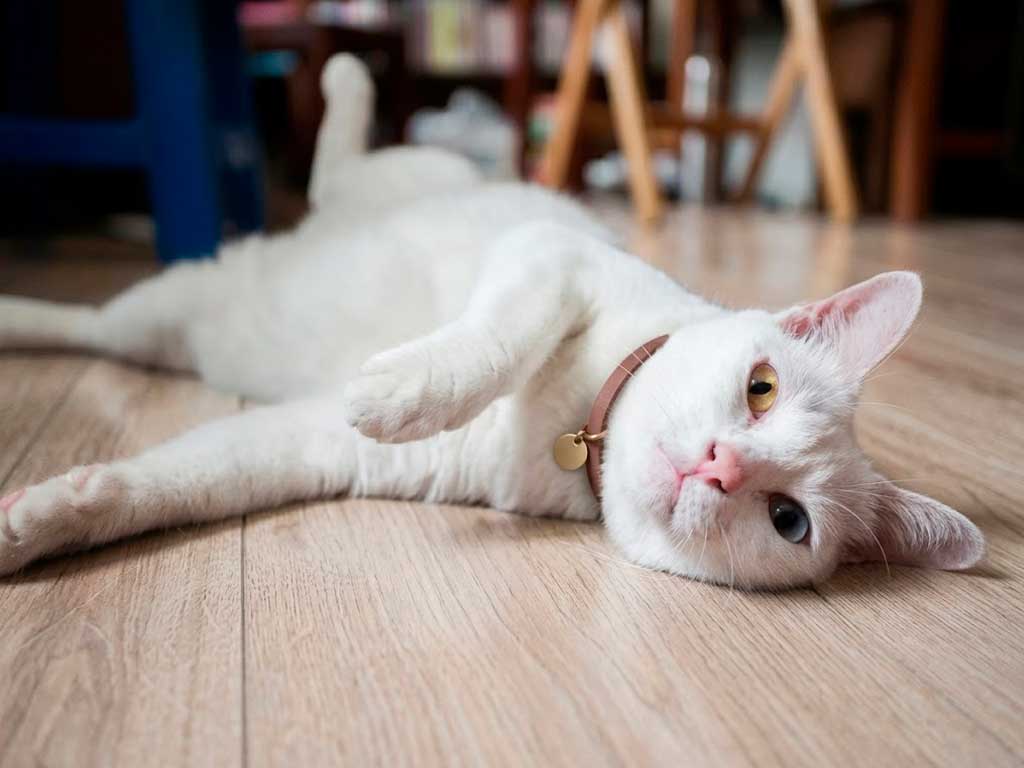
Your cat isn’t just white — it’s named after precious stones because of it. Khao Manee translates to “White Gem” in Thai, and once you see the breed’s luminous eyes against that pure white coat, the comparison stops feeling like marketing.
For centuries, this breed lived almost entirely out of public view, kept as a treasured secret among Thai royalty. Spoiler: it took an endangered-species specialist and a conservation program to bring the Khao Manee to the rest of the world at all.
Quick Facts: Medium-sized, muscular but agile, never bulky. Pure white coat only. Eyes in any shade of blue, green, or yellow — including odd-eyed, the rarest and most prized combination. CFA Provisional class since 2018.
History: A Royal Secret for Six Centuries
The Khao Manee appears in the Tamra Maeo, an ancient Thai book of cat poems produced during the Ayutthaya period of Thai history, roughly 1350 to 1767, where it’s described as a good-luck cat. Legend holds that Thai royalty deliberately kept the breed hidden from visitors to preserve it as an exclusively royal pet — whether strictly true or not, the breed genuinely stayed confined to Thailand for centuries.
By the late 1990s, numbers had dwindled enough to raise real concern. In 1999, endangered-species specialist Colleen Freymouth received permission to bring the first Khao Manee cats to the United States, where she established a dedicated breeding and conservation program. CFA accepted the breed for registration in 2018, and it currently shows in the Provisional class — still a genuinely new arrival to Western cat shows relative to most breeds in this cluster.
Thai tradition credited the breed with healing powers and considered it among the most auspicious cats in the country, a status reflected in its presence at traditional royal ceremonies at the Siamese court.
Physical Characteristics
Everything about the Khao Manee’s standard centers on that one defining trait: pure, glistening white, with no other color permitted for showing. The head forms a modified wedge, with the nose tip and ear tips meeting to form an equilateral triangle — a precise, deliberate geometry breeders look for.
Eye color is where this breed truly stands out. Any shade of blue, green, or yellow is accepted, and odd eyes — one of each color — are considered the rarest and most prized combination in the breed. The body stays medium in size, muscular yet springy and agile rather than heavy or cobby, built for the hot, humid climate of its native Thailand.
Kittens are often born with a faint headcap of color that can persist until around 18 months of age — a visible echo of the underlying genotype the dominant white gene is quietly masking, and a normal part of the breed’s development rather than a fault.
The nose runs medium in length rather than short — a practical adaptation for the hot, humid Thai climate, since a longer nasal passage handles warm air more efficiently than the flatter faces seen in some other breeds.
Personality and Temperament
Your cat isn’t just curious about your day — it’s already planning to help with whatever you’re doing, whether you asked for the assistance or not. Khao Manees are highly intelligent, easygoing, and genuinely social, quick to win over even cautious first-time cat owners.
Many enjoy playing fetch and carrying toys — or the occasional sock — around in their mouths like a small trophy. Athletic and active, they’re equally happy as lap cats and shoulder riders, striking what owners often describe as a near-perfect balance between energy and affection.
This is not a quiet, background cat. Khao Manees communicate readily through body language and a range of vocalizations, though how chatty any individual cat turns out to be varies. They get along well with other pets and match well with active households, including families with kids.
Despite their sweet dispositions, Khao Manees can run a bit shy with strangers at first — a lingering trait from centuries spent living secluded, palace-bound lives before the breed ever met the wider world.
Caring for a Khao Manee
Grooming stays simple: this breed isn’t a heavy shedder, though white fur shows up conspicuously on dark furniture and clothing, so regular brushing with a rubber brush helps keep loose hair under control. An occasional bath keeps the coat at its brightest — ask your breeder for cat-safe product recommendations, since human shampoo isn’t appropriate for cats.
Diet and exercise needs are standard for the breed’s size and activity level, with interactive play mattering more than most toys alone given how much this breed enjoys genuine engagement with its people.
Nail trims, ear checks, and dental care follow standard schedules — nothing breed-specific there beyond the usual consistency every cat benefits from over a long life.
Health Conditions to Know
The Khao Manee is a natural breed with no specific health problems tied to its type. The one real consideration comes with the territory of being an all-white cat: white cats, particularly those with blue eyes, carry a higher risk of congenital deafness, and odd-eyed cats can be deaf in the ear on the blue-eyed side specifically.
Watching for hearing cues matters more day to day than most cat owners think about — if your Khao Manee doesn’t respond to sounds the way you’d expect, mention it to your vet, since early awareness of partial or full deafness helps you adjust safety habits like keeping the cat indoors.
The dominant white gene that produces this breed’s signature coat works by masking an underlying color rather than eliminating it. Since that hidden color is recessive, occasional non-white kittens do turn up in litters. These kittens can’t be shown, but breeders often keep them in breeding programs specifically because they help reduce the odds of producing deaf kittens down the line.
Health Disclaimer: This guide is for educational purposes only and doesn’t replace professional veterinary advice. Ask breeders about BAER hearing testing, particularly for blue-eyed or odd-eyed kittens, and discuss any hearing concerns with your vet.
A tail with a slight kink is common in the breed and generally not a health concern on its own, though breed standards do distinguish between minor palpable kinks and more pronounced visible ones for show purposes.
Finding a Khao Manee: Price and Availability
Still relatively new to Western show rings, the Khao Manee can be genuinely hard to find at a local cat show. Ask exhibitors of other breeds for recommendations or introductions, and expect to wait for the right kitten — CFA itself notes this breed is worth the patience.
Traveling for the right kitten is common with a breed this new to Western circuits — factor that into your budget and timeline alongside the purchase price itself.
CFA’s Find-a-Breeder directory is a reliable starting point given how few dedicated Khao Manee breeders exist outside the conservation program’s original network.
Is a Khao Manee Right for You?
This breed suits people who want an intelligent, athletic, genuinely social cat and are drawn to a striking, singular look. If the idea of a cat that fetches toys, rides on your shoulder, and greets guests with real curiosity sounds appealing, a Khao Manee delivers exactly that.
It’s a tougher fit for anyone unwilling to ask about hearing screening, given the breed’s link to white-coat deafness risk, or households hoping for an instantly available, common breed. Your cat isn’t going to be easy to find. Once you do, though, this is a genuinely rare, storied companion.
Apartment living works well too, since this breed adapts readily to indoor life and doesn’t require outdoor space to feel content — consistent play and companionship matter far more than square footage.
One last thing worth knowing: since no outcross breeds are permitted for the Khao Manee, every kitten’s pedigree traces directly back through the original conservation lines — a detail that makes documented lineage especially meaningful when evaluating a breeder.
Frequently Asked Questions
What does Khao Manee mean?
It translates to “White Gem” in Thai, referencing the breed’s pure white coat and brilliant, gem-like eyes.
Are Khao Manee cats deaf?
Not necessarily, but the breed carries the elevated deafness risk associated with white cats, particularly those with blue eyes. Odd-eyed cats can be deaf specifically in the ear corresponding to the blue eye.
Why are odd-eyed Khao Manees so prized?
They’re the rarest eye combination in the breed, and CFA’s standard explicitly recognizes and appreciates multiple colors or shades between or within the eyes.
How much does a Khao Manee cost?
Prices vary, but expect a premium and a real wait given how new and rare the breed remains in Western show circuits.
Are Khao Manee cats hypoallergenic?
No cat breed is truly hypoallergenic, and the Khao Manee isn’t typically listed among lower-shedding options despite its manageable coat.
A Khao Manee spent centuries as one of Thailand’s best-kept secrets, and it’s easy to understand why royalty didn’t want to share. Between the gem-like eyes and a genuinely devoted personality, this is a breed that lives up to the name it was given.
Browse more breed profiles in the full Cat Breeds guide.