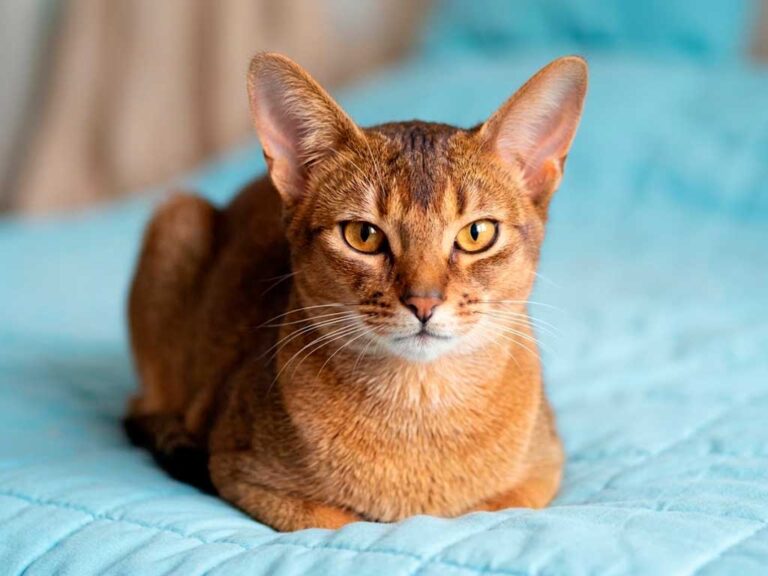
Tonkinese Cat: The Deliberate Midpoint Between Two Breeds
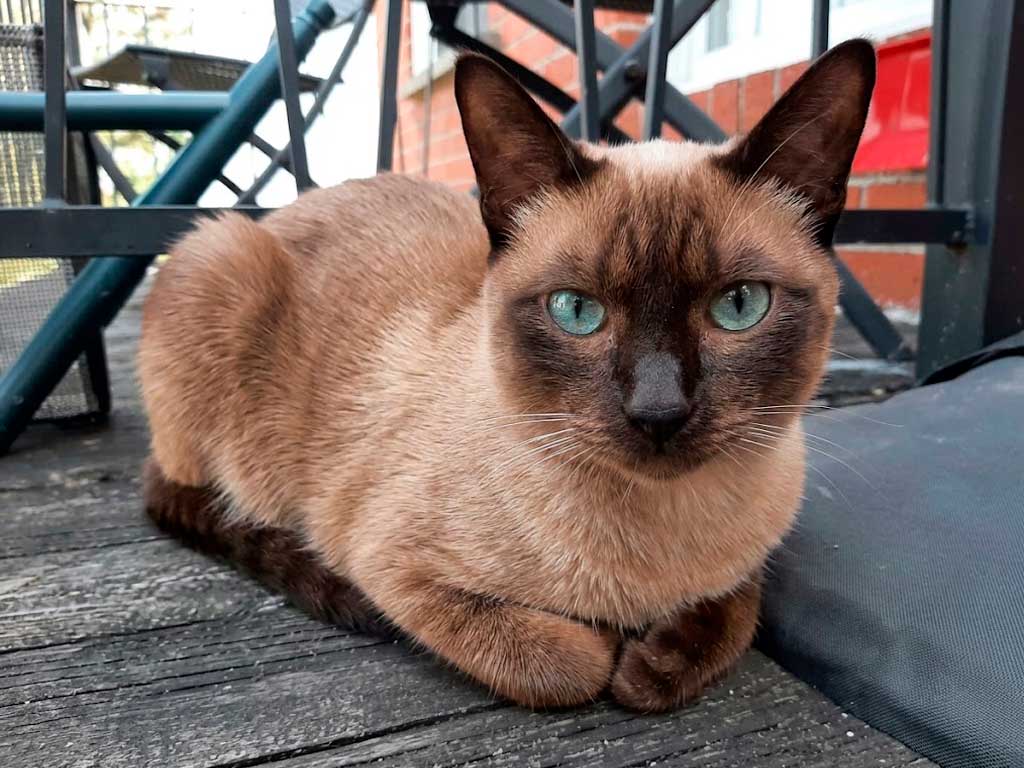
Here’s what’s really going on with this breed’s “best of both worlds” reputation: it’s not marketing, it’s the literal design brief.
Breeders set out to build a cat exactly halfway between Siamese and Burmese, and the Tonkinese cat is what happens when that kind of deliberate cross actually works.
Quick Facts: Medium size, surprisingly heavy for its build. Short, silky coat in three patterns (mink, solid, pointed) across four colors. Life expectancy 12-16+ years. Eye color depends on pattern: aqua for mink, green for solid, blue for pointed. Generally healthy, low grooming needs.
Getting Started: What You’ll Need
The shopping list here is refreshingly ordinary. A rubber grooming brush handles the occasional shedding, since Tonkinese are seasonal rather than year-round shedders, and there’s no special diet requirement beyond a good quality food. What matters more is companionship: this breed genuinely wants to be involved in your day, so plan on a cat that follows you room to room rather than one that entertains itself for hours.
The Wong Mau Connection
Every Tonkinese and every Burmese shares the same great-grandmother, in a sense. In 1930, a small brown cat named Wong Mau arrived in America and was bred to a Siamese. Her kittens split into three distinct groups: some resembled pure Siamese, some came out solid brown, and some looked like Wong Mau herself, with just a hint of darker shading at the points. The solid brown kittens became the foundation of the Burmese breed. The ones that resembled Wong Mau became the foundation of the Tonkinese, later understood to actually be the breed’s original “natural mink” pattern.
Canada recognized the breed first, in 1960, but it took sustained effort from breeders on both sides of the border before CFA accepted Tonkinese for registration in 1982. Mink-patterned cats reached championship status in 1984; solid and pointed patterns didn’t join them until 2002.
Patterns, Colors, and Eye Color, Explained
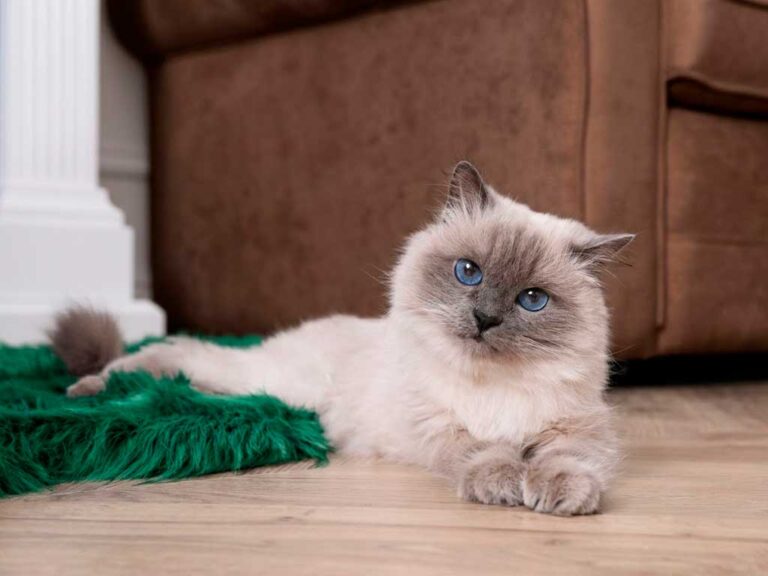
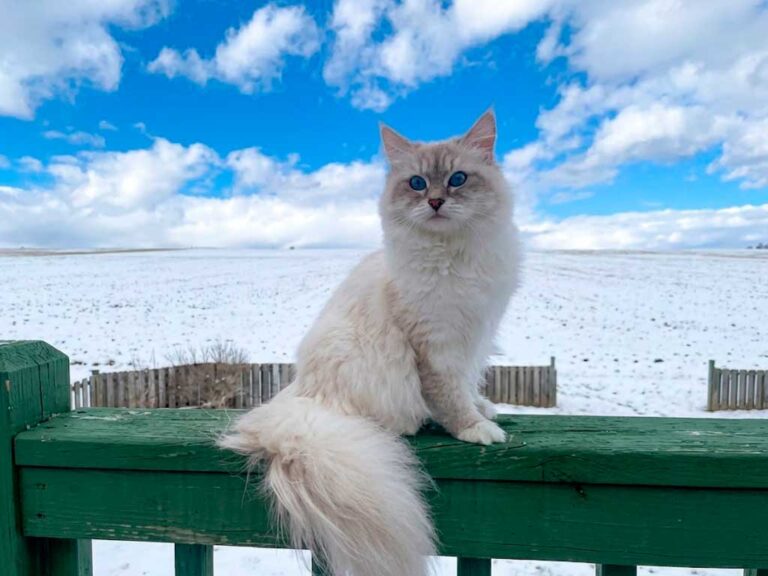
Here’s the detail most breed pages skip: the pattern actually determines the eye color, not just the coat. Mink-patterned Tonkinese, the original look inherited from Wong Mau, have a rich, gradually blending coat and striking aqua eyes. Solid-patterned cats show minimal contrast between body and points and have green eyes. Pointed cats show the most Siamese-like contrast between body and points, paired with blue eyes. All three patterns come in four colors: natural, champagne, blue, and platinum, which means twelve total combinations to choose from.
Personality and Daily Life
Your cat isn’t just affectionate if it’s a Tonkinese — it’s basically decided you exist to serve it, in the most charming way possible. Owners often describe them as part puppy, part monkey, and part elephant, the last one referring to a habit of galloping noisily through the house at full speed. They’re intensely social, get along well with dogs, other pets, and kids, and greet guests at the door like a furry welcoming committee.
Communication happens in what feels like full sentences rather than simple meows, and this breed has an uncanny memory for exactly which rules you’d rather it not break. Tonkinese are also notably tuned in to their owner’s mood, often showing up with a comforting purr after a rough day.
Health Considerations
Thanks to a genetically diverse background, Tonkinese are generally robust and healthy. The one breed-specific concern is a tendency toward gingivitis in older cats, which early dental care can help prevent — getting a Tonk comfortable with tooth brushing as a kitten pays off later.
Health Disclaimer: This guide is for educational purposes only and doesn’t replace professional veterinary advice. Regular dental checkups matter more for this breed than most, especially as cats age.
Mistakes to Avoid
Don’t assume Tonkinese are low-shedding year-round — they shed seasonally, so grooming needs spike a couple of times a year even though daily brushing isn’t required the rest of the time. Don’t leave a Tonkinese alone for long stretches expecting it to self-entertain; this breed genuinely craves company and does best with people or other pets around most of the day. And don’t skip early dental care, since gingivitis is the one condition this breed is actually prone to.
Frequently Asked Questions
Is the Tonkinese cat part Siamese and part Burmese?
Yes, functionally. It was deliberately bred as a genetic midpoint between the two, and shares a foundation cat, Wong Mau, with the Burmese breed’s own origin story.
Why do Tonkinese cats have different eye colors?
Eye color is tied to coat pattern. Mink-patterned cats have aqua eyes, solid-patterned cats have green eyes, and pointed cats have blue eyes.
Are Tonkinese cats vocal?
Yes, quite. They communicate in what owners often describe as full sentences rather than simple meows, and they’re generally very clear about what they want.
Do Tonkinese cats shed a lot?
Not year-round. They’re seasonal shedders, so a rubber brush a few times a month keeps things manageable most of the year, with a bit more needed during shedding season.
Are Tonkinese cats good with kids and other pets?
Yes, generally — they’re known for being sociable with dogs, other cats, children, and even visitors at the door.
The Tonkinese proves a deliberately engineered breed can still end up with a personality entirely its own — equal parts Siamese chatter, Burmese warmth, and a gallop through the hallway that’s purely, unmistakably Tonk.
Browse more breed profiles in the full Cat Breeds guide, including the Burmese, Siamese, and Bombay — all connected through the same foundation cat, Wong Mau.