Scottish Fold Cat: The Health Debate Behind Those Ears
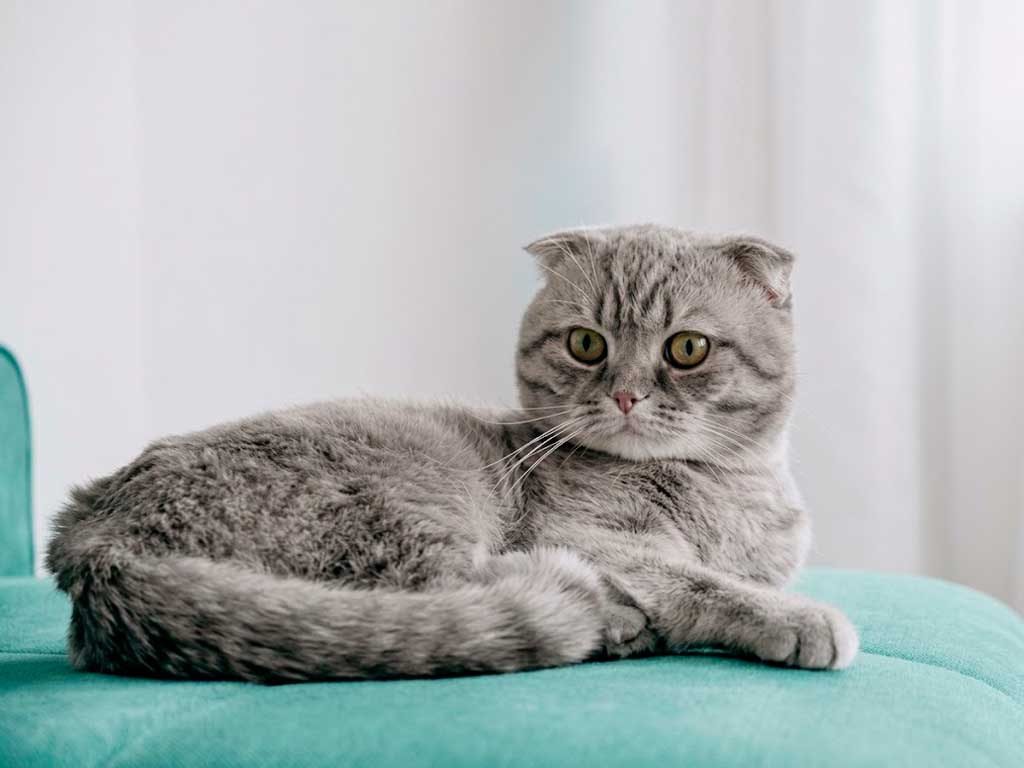
Here’s what’s really going on with those famously folded ears: they’re not a cute quirk. They’re the visible sign of a genetic mutation that affects cartilage throughout the cat’s entire body, not just the ears. Every Scottish Fold cat with folded ears carries some degree of it. That’s the part most viral videos leave out.
History and Origin
The breed traces back to a single white farm cat named Susie, discovered in Perthshire, Scotland, in 1961. A local shepherd named William Ross noticed her unusual forward-folded ears and began breeding her with British Shorthairs to fix the trait. Every Scottish Fold alive today descends from Susie.
The breed gained early recognition in Britain, but it didn’t last. By 1971, Britain’s Governing Council of the Cat Fancy pulled the Scottish Fold from its list of recognized breeds after breeders began reporting crippling limb and tail deformities in the kittens. The GCCF still doesn’t recognize the breed today. American breeders picked it up around the same period, and TICA and CFA both recognize it now, which is largely why the Scottish Fold’s popularity centers on the United States rather than its country of origin.
Physical Characteristics
Kittens are actually born with straight ears. The fold doesn’t show up until three or four weeks of age, if it shows up at all — some kittens in a litter keep straight ears their whole lives even from folded-eared parents. Adults have a round head, round eyes, and a compact, medium-to-large body with short, thick legs. The coat can run short or long, in nearly any color and pattern.
The tail deserves its own mention. Reputable sources consistently flag it as an area to handle gently, since some Scottish Folds develop stiffness there that causes real pain if the tail gets grabbed or yanked.
Temperament and Personality
Your cat isn’t standoffish if it’s a Scottish Fold — this is one of the more consistently mellow, people-oriented breeds around. They’re known for following their humans from room to room, settling in quietly, and rarely meowing much at all. They tend to do well with kids and other pets, and they’re not a breed that demands constant entertainment the way a Bengal or Savannah would.
Care Guide
Diet and Nutrition
This breed runs toward a rounded body shape even before you factor in the tendency to overeat and stay less active than higher-energy breeds. Portion control matters more here than with a lot of cats, since extra weight puts additional strain on joints that may already be compromised.
Exercise Requirements
Gentle, regular play keeps a Scottish Fold in shape without overtaxing its joints. Skip the very tall cat trees and scratching posts — lower, sturdier options are the better call given the breed’s joint concerns, and most Scottish Folds aren’t the type to go chasing after vertical challenges anyway.
Grooming Needs
Brushing needs vary by coat length, but ear care is non-negotiable regardless of coat: the fold traps debris and moisture more easily than an upright ear does, so check and clean them regularly rather than waiting for a problem to show up.
Health and Longevity
Here’s the part that matters most before bringing one home. The gene responsible for the fold is called Fd, and it causes a condition called osteochondrodysplasia — a developmental abnormality that affects cartilage and bone throughout the body, not just in the ears. It shows up as progressive, painful arthritis, particularly in the tail, feet, and limbs, and there’s currently no cure.
Because the gene has incomplete dominance, even a single copy causes some degree of the condition — there’s no such thing as a genetically “clear” folded-ear Scottish Fold. Straight-eared littermates, sometimes called Scottish Straights, can still carry the gene and pass it on even without showing the fold themselves.
This is why reputable breeders never pair two folded-ear cats together, since that combination produces the most severe deformities, and why several countries have moved to restrict the breed entirely. The Netherlands bans breeding it, and starting January 1, 2026, will also restrict keeping cats born after that date. Austria bans breeding it under its animal welfare law. Britain’s own cat fancy hasn’t recognized it since 1971, precisely because of this issue.
Health Disclaimer: This guide is for educational purposes only and doesn’t replace professional veterinary advice. If you already share your home with a Scottish Fold, regular vet checkups to monitor joint health and manage pain are essential, not optional.
Is This the Right Cat for You?
If you’re drawn to the Scottish Fold’s look, it’s worth sitting with an uncomfortable fact first: the trait that defines the breed is also the source of its lifelong pain. Buying from a breeder who intentionally produces folded-eared kittens means, by definition, choosing a cat that will develop a progressive joint condition. There’s no version of this breed’s signature look that comes without it.
None of that means an existing Scottish Fold doesn’t deserve a wonderful home. Plenty of Scottish Folds end up in shelters and rescues through no fault of their own, and adopting one gives a genuinely sweet, gentle cat the attentive care its joints need, without funding more kittens bred into the same condition. If the personality is what draws you in more than the ears, the closely related British Shorthair offers a similarly calm, round-faced companion without the cartilage disorder built into the breed standard.
Frequently Asked Questions
Why do Scottish Fold cats have folded ears?
A dominant gene mutation called Fd affects cartilage development throughout the body, and the folded ear is simply the most visible result. Kittens are born with straight ears that may fold around three to four weeks old.
Is it illegal to own a Scottish Fold cat?
Not everywhere, but breeding restrictions are spreading. The Netherlands and Austria ban breeding them, and the Netherlands is extending that to ownership restrictions on newly born cats starting in 2026. Ownership itself remains legal in the U.S. and many other countries, even where breeding is restricted elsewhere.
Are all Scottish Fold cats in pain?
Every folded-eared Scottish Fold carries the gene that causes osteochondrodysplasia, but severity varies quite a bit. Some show mild stiffness later in life; others develop significant arthritis much younger. There’s no way to predict which outcome a given kitten will have.
Are Scottish Folds good with kids and other pets?
Yes — this is generally regarded as one of the more easygoing, adaptable breeds, and they tend to settle well into multi-pet or family households.
How much does a Scottish Fold cost?
Prices vary by region and breeder, but expect a few hundred to around a thousand dollars from a breeder. Adoption through a rescue is typically far less, and it’s the option that doesn’t support continued breeding of the trait.
The Scottish Fold’s ears made it one of the internet’s favorite cats, but the gene behind that look is the same one behind a lifetime of joint pain. Understanding that trade-off, honestly, is the first step toward doing right by any Scottish Fold already counting on you.
Browse more breed profiles in the full Cat Breeds guide, including the Munchkin, another breed built around a debated genetic trait.