Burmilla Cat: A Breed Born From One Happy Accident
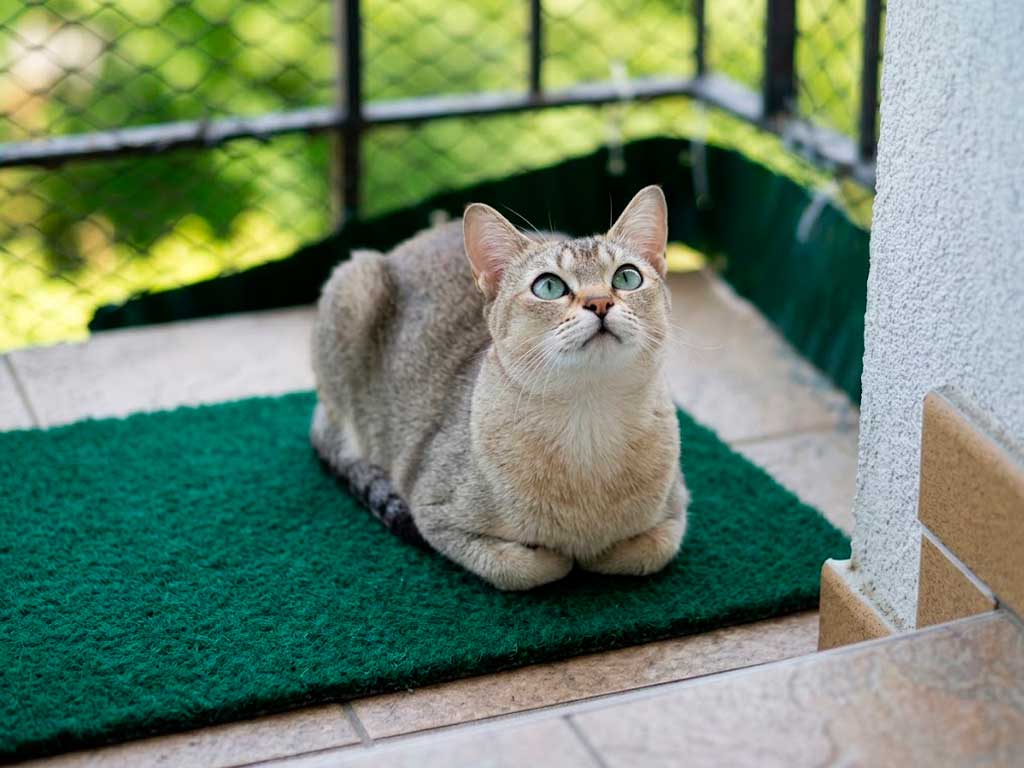
Your cat isn’t wearing eyeliner — that dark, delicate lining around the eyes, nose, and lips is just part of the breed. The Burmilla cat comes with what breeders genuinely call “make-up,” a natural marking that gives every Burmilla a permanently soft, expressive look.
Here’s the origin story nobody could have planned: this entire breed exists because a Chinchilla Persian escaped his enclosure a few days before his scheduled neutering appointment. Spoiler: he found a Burmese female first, and one very unplanned litter changed everything.
Quick Facts: Medium size, elegant build. Males up to 10 lbs, females smaller. Both shorthair and semi-longhair varieties. Coat is silver or gold, shaded or tipped, with distinctive dark “make-up” around the eyes.
History: The Breed That Started With an Accident
In 1981, Baroness Miranda Von Kirchberg had purchased a Chinchilla Persian male as a pet for her husband. Shortly before he was scheduled to be neutered, he had an unsupervised encounter with a lilac European Burmese female in the household. The result was a litter of four shorthaired kittens, all black shaded silver — and strikingly beautiful.
Rather than treat it as a fluke, the Baroness saw potential and began a deliberate breeding program to develop this new agouti-patterned cat, chasing the sharp contrast between the colored tipping and the pale white base underneath. Because of the Persian ancestry, both shorthair and semi-longhair kittens turned up in later litters, and both varieties were eventually developed as recognized types.
CFA accepted the Burmilla for registration in 2011 and granted championship status in 2014 — making it one of the newest breeds in the entire CFA lineup.
The name itself is a blend, combining “Burmese” and “Chinchilla” into one word — about as literal a breed name as exists in the cat fancy.
That original 2011 CFA registration date makes the Burmilla younger than most breeds covered anywhere on this site — a genuinely modern addition to the cat fancy rather than a centuries-old lineage.
What Makes This Breed Unique
The signature feature is the coat itself: a pale, often pure white base with color restricted to the tips of the hair, creating a sparkling, shimmering effect that shifts depending on the light. “Chinchilla” patterns carry lighter, more minimal tipping; “shaded” patterns carry deeper, more saturated color.
Then there’s the make-up — dark lining around the eyes, nose, and lips that looks applied rather than natural, giving every Burmilla an expression somewhere between curious and knowing. Eyes are typically green, adding to the effect.
The body underneath the coat is elegant but not fragile — a medium-sized, muscular “foreign type” build that reads as athletic rather than delicate, closer to the Burmese side of the family than the more substantial Persian.
Ear shape adds to the overall softness too — medium to large, broad at the base, tilted slightly forward, which keeps the whole face reading gentle rather than sharp despite the elegant, foreign-type bone structure underneath.
Burmilla vs. Chinchilla Persian: A Quick Comparison
If the shimmering silver coat is what drew you in, it’s worth knowing the two aren’t interchangeable. A Chinchilla Persian carries the long, high-maintenance coat and laid-back, low-energy temperament typical of Persians. The Burmilla trades some of that coat volume for an easier grooming routine and a noticeably more playful, engaged personality, courtesy of its Burmese side.
Personality and Temperament
Your cat isn’t choosing between playful and mellow — it’s genuinely both, depending on the hour. The Burmilla’s temperament blends the outgoing, mischievous streak of the Burmese side with the calmer, more placid nature of the Chinchilla Persian, landing somewhere pleasantly in between without leaning hard toward either extreme.
Intelligent and drawn to climbing, this breed genuinely thrives with cat trees, perches, and puzzle toys to keep that curiosity occupied. Despite being sociable, Burmillas handle solo time reasonably well and don’t demand constant attention the way some people-obsessed breeds do.
Energetic without tipping into hyperactive, most Burmillas alternate bursts of spirited play with long, contented naps. Quiet and rarely demanding, they get along easily with dogs, other cats, and kids — and have a reputation for welcoming even complete strangers into their circle within minutes.
That balance is really the breed’s defining trait — not extreme in any direction, which is exactly what breeders were chasing when they set out to formalize the accidental cross into something consistent and repeatable.
Caring for a Burmilla
Grooming stays simple regardless of coat length. A weekly session with a stainless-steel comb or small slicker brush handles shedding on both the shorthair and semi-longhair varieties, since the coat lacks the woolly, mat-prone undercoat that makes some longhaired breeds high-maintenance.
Round out the routine with regular nail trims, ear cleaning, and dental care — nothing breed-specific, just consistency. Diet needs are standard for the breed’s size and activity level.
Enrichment matters as much as feeding schedule here. Vertical space, window perches, and rotating toys keep that Burmese-inherited curiosity satisfied, and a bored Burmilla is far more likely to find its own, less convenient entertainment.
Occasional bathing can enhance that signature shimmer, though it isn’t strictly necessary for coat health — ask your breeder for product recommendations, since every Burmilla’s coat responds slightly differently.
Health Conditions to Know
Burmillas are typically healthy, though as a hybrid breed they can occasionally inherit conditions seen in either parent line. Responsible breeders test breeding cats to screen out heritable issues before they get passed along.
Because the breed’s founding gene pool is genuinely small — everything traces back to one accidental litter — reputable breeders stay deliberate about incorporating unrelated cats through new lines, outcrosses, and occasional imports from other countries to keep genetic diversity healthy.
Health Disclaimer: This guide is for educational purposes only and doesn’t replace professional veterinary advice. Ask breeders about genetic testing and how they’re managing the breed’s limited founding gene pool.
Dental care and routine wellness exams follow the same schedule as any other breed — nothing Burmilla-specific, just consistent attention over the cat’s lifetime.
Finding a Burmilla: Price and Availability
This remains a minority breed, though interest has been growing. A cat show is the most reliable way to meet a breeder in person — contact the sponsoring club ahead of time to confirm Burmillas will actually be entered, since not every show draws every breed.
Given the small gene pool and limited number of breeders, expect to wait for the right kitten and possibly travel for one, especially for a specific color or pattern.
Because this is such a young, small breed, buying from a breeder who genuinely understands the founding gene pool matters more than it might for an older, more established one — ask specifically how they’re managing genetic diversity across their lines.
Is a Burmilla Right for You?
This breed suits people who want a genuinely balanced personality — playful without being demanding, sociable without being needy. If the idea of a cat that greets strangers warmly, climbs enthusiastically, then naps for hours sounds appealing, a Burmilla checks every box.
It’s a tougher find for anyone in a hurry, given how few breeders specialize in it. Your cat isn’t going to be easy to locate. Once you do, though, it settles into nearly any household without much fuss.
Apartment living suits this breed well too — given vertical space to climb and a few toys to rotate, a Burmilla doesn’t need a large home to feel genuinely content.
One more thing worth knowing: because both shorthair and semi-longhair Burmillas come from the same litters, coat length isn’t something you can fully predict or select for — it’s part of what makes each litter a bit of a surprise, fittingly enough for a breed that started as one.
Households with kids and other pets also tend to do well, given how quickly this breed warms up to new faces — introductions are rarely the drawn-out process they can be with more reserved breeds.
Frequently Asked Questions
Is the Burmilla a mix of Persian and Burmese?
Yes — it originated from an accidental cross between a Chinchilla Persian and a European Burmese in 1981, and later breeding programs deliberately developed the resulting look and temperament.
What is the “make-up” on a Burmilla’s face?
It’s the breed’s distinctive dark lining around the eyes, nose, and lips — a natural marking, not an actual pattern applied by breeders, that gives the cat an expressive, almost lined look.
Are Burmillas hypoallergenic?
No cat breed is truly hypoallergenic, and the Burmilla isn’t typically listed among lower-shedding options despite its manageable coat.
How much does a Burmilla cat cost?
Prices vary, but expect a premium and possible wait given how few breeders work with this minority breed.
Do Burmillas get along with other pets?
Yes — they’re known for getting along easily with dogs, other cats, and children, and tend to welcome new people quickly.
A Burmilla cat exists purely because one Persian didn’t wait for his vet appointment, and more than four decades later, that happy accident has turned into one of the most quietly charming breeds in the cat world — eyeliner included.
Browse more breed profiles in the full Cat Breeds guide.