American Wirehair Cat: Breed Guide, Personality & Price
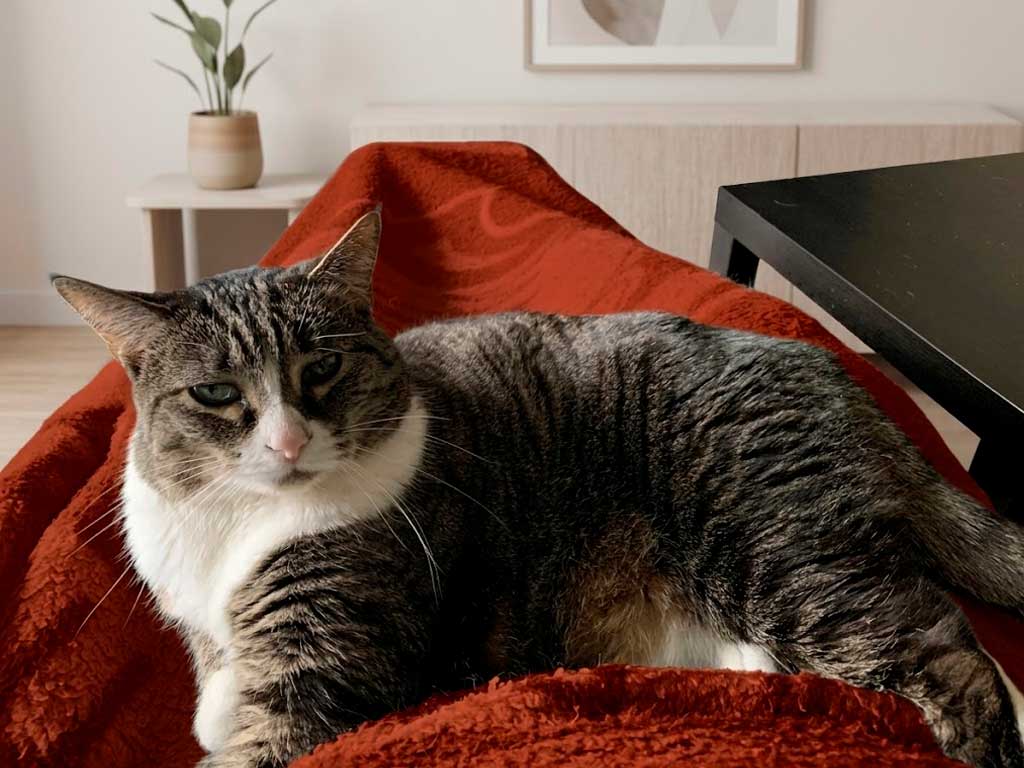
Your cat isn’t badly groomed — that springy, crimped texture is the entire point. If you’ve ever petted a cat and thought it felt more like steel wool than fur, you’ve likely met an American Wirehair, a breed that exists nowhere else in the world by pure genetic accident.
Spoiler: this coat happened exactly once, in a barn in upstate New York, and every American Wirehair alive today descends from that single litter. Here’s the full story, plus what it’s actually like to live with one.
Quick Facts: Medium to large, muscular build. Males often exceed 12 lbs. Lifespan runs roughly 7-14 years. Coat is springy, crimped, and dense — available in both wired and straight variants.
History: A One-Time Mutation From a New York Barn
In 1966, a litter of barn cats in upstate New York produced one kitten with an odd, wiry coat unlike anything seen before. Only that single kitten survived — a red tabby and white male who grew up to become the breed’s entire foundation.
Named Council Rock Farms Adam of Hi-Fi, he was purchased by Joan O’Shea, who set out to establish the look as a real breed. Adam produced both wired and straight-coated kittens, which revealed the coat gene as dominant but semi-penetrant — breed a Wirehair to a straight-coated cat, and roughly half the litter comes out wired. Breed two Wirehairs together, and the odds shift higher.
CFA first accepted the breed in 1967, and it earned full championship status in 1978, the same year it won its first national title. As far as breed historians can tell, this exact mutation has never independently occurred anywhere else — genuinely one barn, one kitten, one breed.
The breed’s rarity stems directly from that history — every American Wirehair traces back to Adam and the small handful of breeders who worked with his offspring in those early years, which kept both the population and the gene pool tight for decades.
What Makes This Breed Unique
The coat carries a full 45 points in the official breed standard — more than any single trait in any other CFA breed standard. Individual hairs are crimped, hooked, or bent, and that crimping shows up even in the whiskers and the fur inside the ears.
Texture actually varies cat to cat: some coats feel soft and wooly, others harder and wirier. American Wirehairs can also carry a straight-coat variant of the same genetics, which looks structurally identical to the breed but skips the crimped texture entirely — both versions are shown, just in separate classes.
Because the American Shorthair is used as the breed’s approved outcross, Wirehairs share a similar sturdy build — strong bodies, well-developed muzzles — with slightly more prominent cheekbones and large, round eyes that stand out against the textured coat.
Coat thickness also shifts with the seasons — it grows noticeably fuller and denser in winter, then sheds down for warmer months, which is normal for the breed rather than a grooming problem to fix.
Wired Coat vs. Straight Coat: Both Are Official
Both variants are shown in CFA rings under the same standard and earn identical points — the only difference is texture. A straight-coated American Wirehair still carries the breed’s genetics and can still produce wired kittens when bred, which is why breeders don’t treat straight-coated cats as a lesser outcome, just a different expression of the same gene.
Personality and Temperament
Your cat isn’t playing favorites — it just budgets its affection across the whole household evenly. American Wirehairs are famous for spreading head-butts and purrs to every family member rather than bonding tightly to just one person.
They’re independent enough to handle a day home alone without fuss, and some are surprisingly mechanically inclined — capable of learning to open cabinet doors, especially ones that hide treats. During family activities, a Wirehair is more likely to supervise from a comfortable distance than to insert itself directly into the action.
Not particularly vocal, they’ll offer a quiet, questioning mew after you’ve been away, or a reminder purr when it’s time to play. Once a game with a toy actually starts, though, that laid-back energy disappears fast — and you may not get the toy back.
Caring for an American Wirehair
Because this breed runs heavy-boned and muscular, portion control matters more than it might for a leaner cat. A quality diet matched to age and activity level, with treats kept modest, helps keep that solid frame from tipping into overweight.
Exercise needs sit at a moderate level. This breed will happily invent its own games out of found objects, but interactive play sessions with a wand toy help keep that muscular frame in good condition, especially since Wirehairs are prone to putting on weight if left entirely to their own devices.
Grooming is refreshingly simple — arguably one of the easiest coats in the cat world to maintain. Regular brushing works fine since, unlike curly-coated breeds, the texture doesn’t break under a brush. An occasional bath helps manage shedding, and some owners swear a lint roller run over the coat does nearly as much good as a full bath between washes.
No blow-drying needed either — a simple towel-dry and a warm room until the coat’s no longer damp is all this breed requires.
Dental care and nail trims follow the same schedule as any other cat — regular brushing and trims every couple of weeks. None of it is breed-specific; the coat is really the only part of this cat’s care routine that stands apart from a typical shorthair.
Health Conditions to Know
Despite descending from a single foundation cat and the close line-breeding used early on to establish the look, there’s no confirmed health condition specific to the American Wirehair. That’s a genuinely good track record for a breed built around one genetic mutation.
Even so, many responsible breeders test breeding cats via echocardiogram to screen for hypertrophic cardiomyopathy — not because the breed shows elevated rates, but as standard due diligence given how concentrated the gene pool was in the breed’s early years.
Health Disclaimer: This guide is for educational purposes only and doesn’t replace professional veterinary advice. Ask any breeder about cardiac screening on the kitten’s parents, and schedule routine wellness exams as your Wirehair ages.
Weight management deserves a mention here too, separate from any genetic condition. That naturally heavy-boned frame can make it harder to spot early weight gain by eye alone, so a hands-on check with your vet at routine visits catches what a glance might miss.
American Wirehair Price and Where to Find One
This remains a genuinely rare breed, even rarer than most others covered in our Cat Breeds guide. Expect to pay a premium for a kitten from a registered breeder, and be prepared to wait — wired-coat kittens specifically can take longer to secure than the breed’s straight-coated littermates.
Attending a cat show is genuinely one of the better ways to meet breeders in person for a rare breed like this one — far more reliable than hoping to stumble across a listing online.
Since American Shorthair breeders are sometimes connected to Wirehair lines through the approved outcross, they can be a useful starting point if you’re having trouble locating a dedicated Wirehair breeder nearby.
Is an American Wirehair Right for You?
This breed fits people who want a sturdy, even-tempered cat that’s affectionate without being demanding, and who don’t mind investing extra time and travel to find one. If a low-maintenance coat with a genuinely unique texture appeals to you, few breeds compete.
Multi-pet households tend to work well too, since Wirehairs are generally described as easygoing around other animals rather than territorial or reactive.
It’s a less practical choice for anyone unwilling to wait for the right kitten, or who wants a breed that’s easy to find through local shelters — Wirehairs simply don’t turn up that way very often.
Frequently Asked Questions
Is the American Wirehair’s coat hypoallergenic?
No. Coat texture doesn’t affect allergen production, and no cat breed is truly hypoallergenic, including this one.
Do all American Wirehair kittens have the wired coat?
No. Because the gene is dominant but semi-penetrant, litters can include both wired and straight-coated kittens, even from two wired parents.
How much does an American Wirehair cost?
Prices vary, but expect a premium given the breed’s rarity, with wired-coat kittens typically in higher demand — and shorter supply — than straight-coated littermates.
Are American Wirehairs good with children and other pets?
Yes — they’re generally described as gentle with children and adaptable to other pets in the household.
How long do American Wirehairs live?
Lifespan estimates for the breed generally fall in the 7 to 14 year range, though individual cats vary with overall health and care.
An American Wirehair carries an entire breed’s worth of history in a coat that, statistically, should never have happened twice. Once you feel that texture for yourself, it’s easy to understand why breeders spent decades protecting it.
Browse more breed profiles in the full Cat Breeds guide.