
Dog Nutrition: Food, Feeding & Diet Guides
Choosing the right food for your dog can feel overwhelming. With so many diets, ingredients, brands, and feeding recommendations to consider, it helps to have clear information in one place. Our dog nutrition guides help you explore food options, understand feeding amounts, and make informed decisions about your dog’s daily diet.
Every dog has different needs. Age, body size, activity level, health conditions, and personal preferences can all affect which food and feeding routine may be suitable. Start with the topics below to find practical guidance for your dog’s needs.
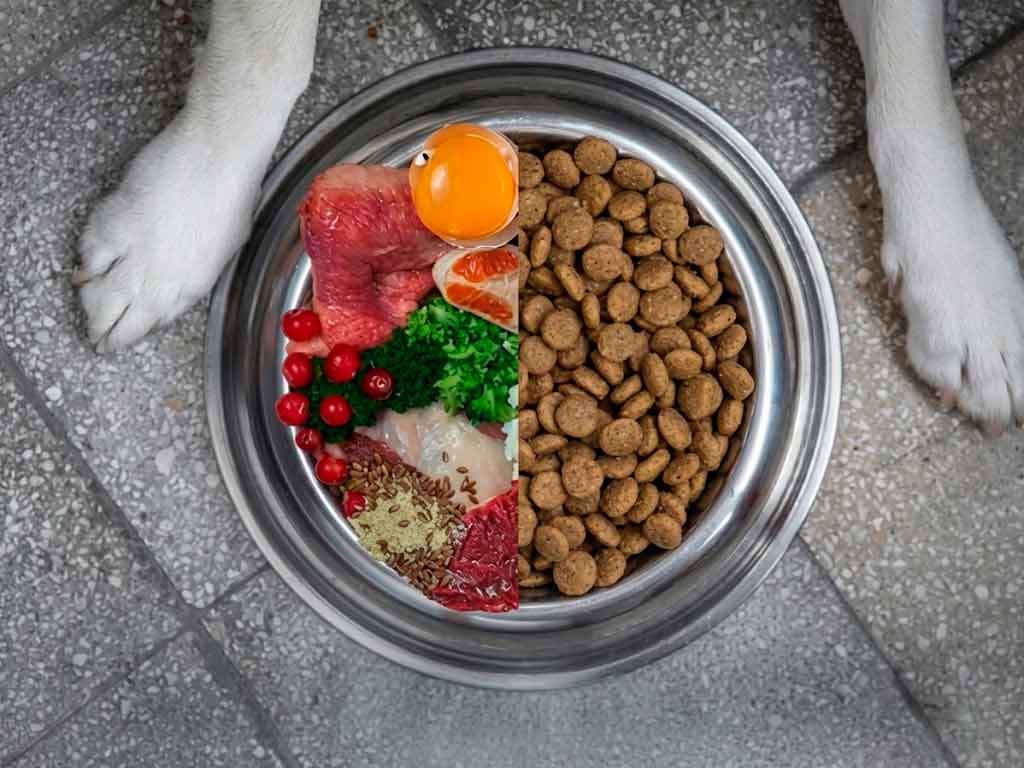
Fresh Dog Food Reviews & Comparisons
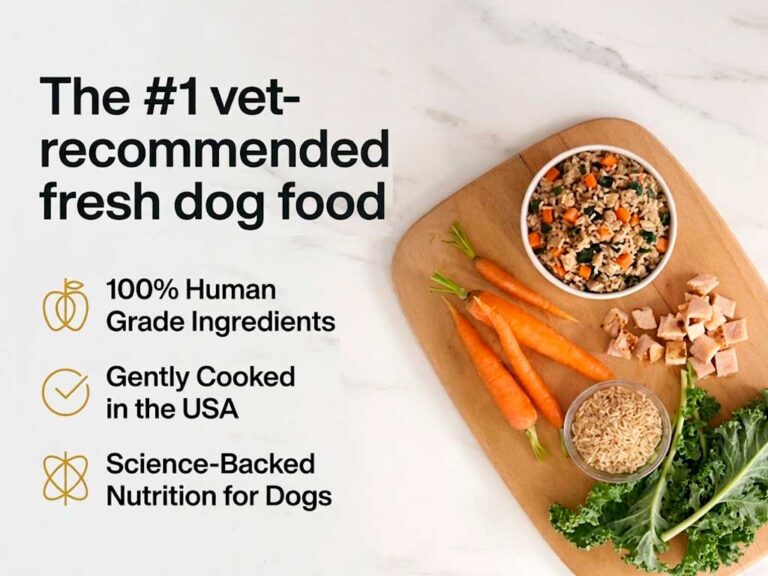
Fresh dog food has become a popular option for owners who want to explore alternatives to traditional kibble. However, choosing a brand involves more than looking at attractive ingredients or marketing claims. Price, storage requirements, feeding convenience, nutritional adequacy, and your dog’s individual needs all deserve attention.
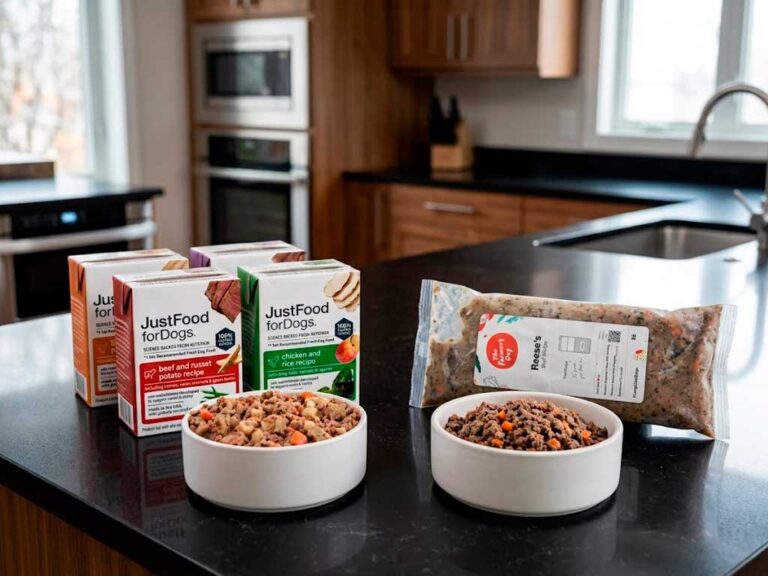
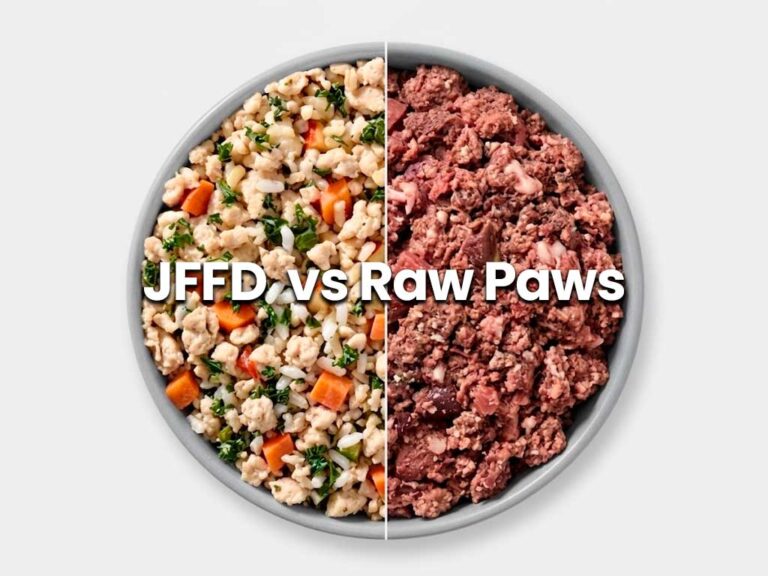
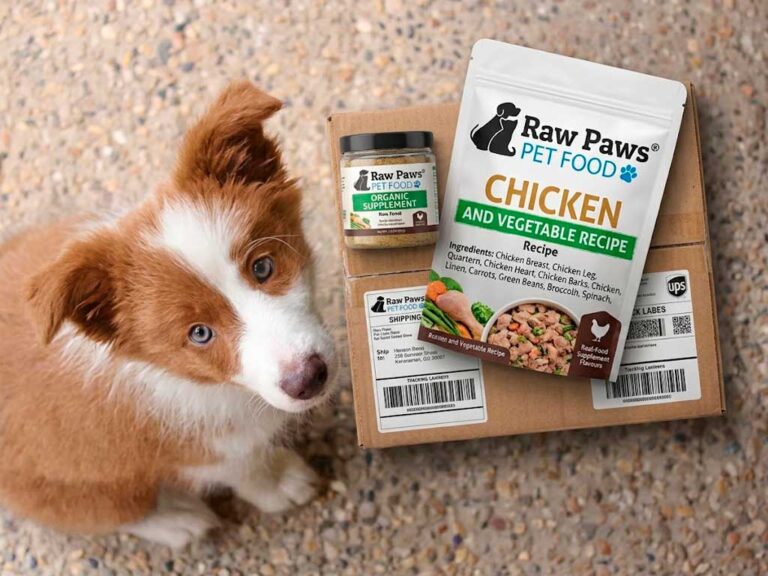
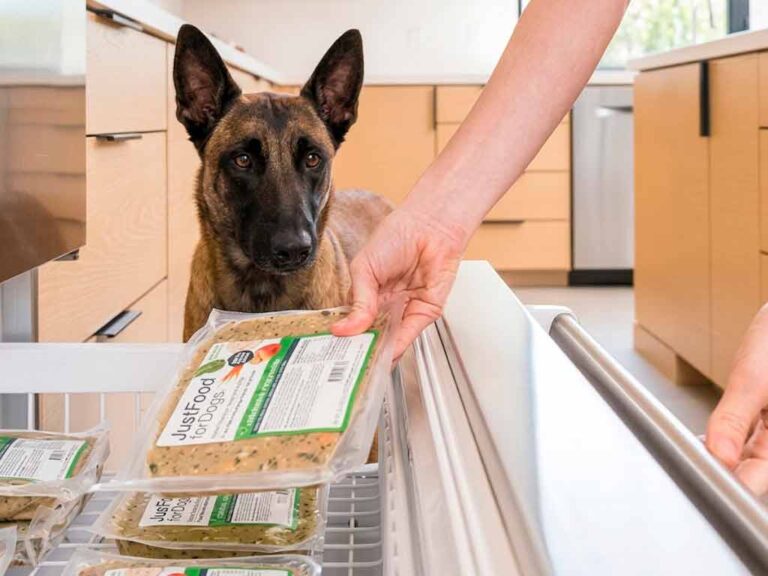
Our fresh dog food reviews and comparisons look at options such as JustFoodForDogs, The Farmer’s Dog, and Raw Paws. Explore the differences between fresh-cooked and raw products, review the details that matter before buying, and learn what to consider when comparing costs and feeding instructions. These guides can help you ask better questions before choosing a food for your dog.

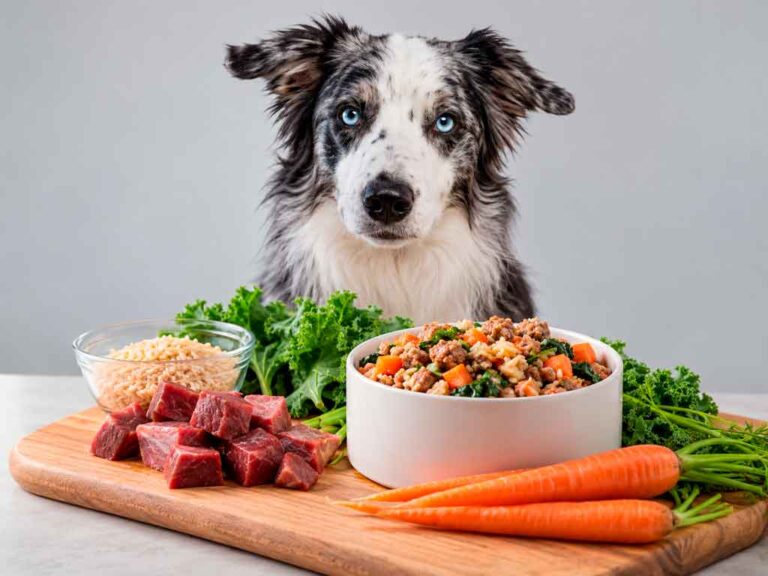
Raw Dog Food & BARF Diet
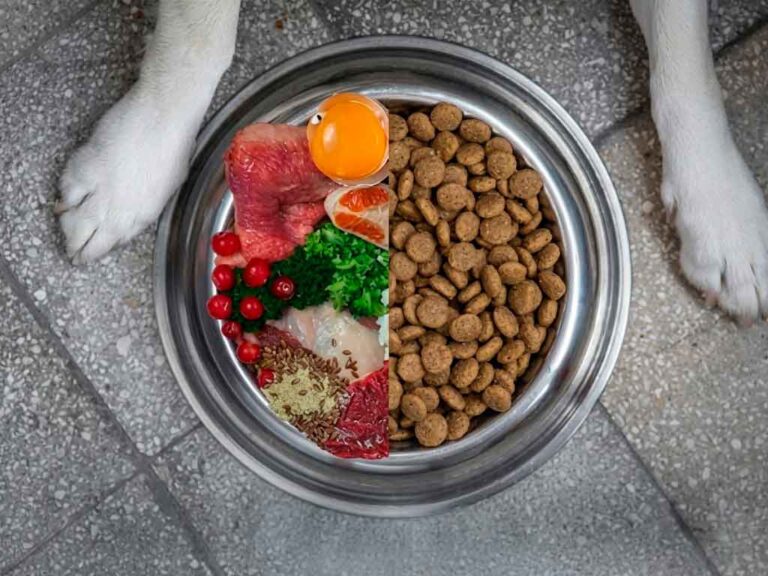
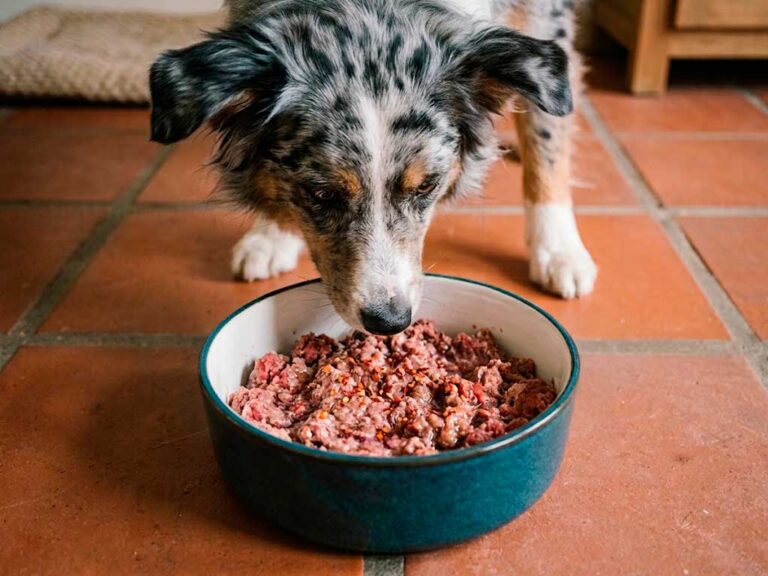
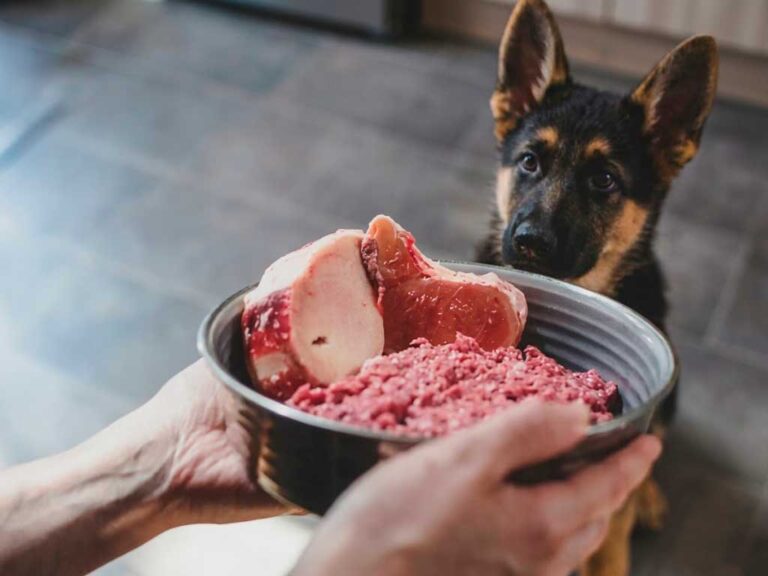
Raw feeding and the BARF diet appeal to owners interested in feeding dogs a less processed diet. Still, preparing or selecting a raw diet requires careful attention to nutritional balance and food safety. Meat alone does not provide every nutrient a dog needs, and poorly balanced recipes can cause nutritional deficiencies or excesses.
This section explores the basics of raw feeding, including homemade BARF diets, raw food costs, supplements, and differences between raw food and kibble. You’ll also find guidance on how a dog’s size, breed characteristics, and life stage may affect feeding decisions. Puppies have particularly specific nutritional needs, so consult a veterinarian before changing a growing dog’s diet. Raw diets also carry risks from harmful bacteria for pets and people, making safe handling essential.
Dog Feeding Guides & Portions
Knowing how much to feed your dog can be confusing, especially when food labels provide different serving recommendations. The right amount depends on factors such as body weight, age, activity, body condition, and the calorie content of the food.
Our feeding guides help you understand portion recommendations, use feeding charts, and assess how your dog’s needs may change over time. You’ll find resources covering JustFoodForDogs feeding instructions and raw dog food portions by weight. Use charts as a starting point rather than a fixed rule, and adjust your dog’s feeding plan with veterinary guidance when needed.

Dog Nutrition, Health & Food Safety
Good nutrition involves more than choosing a brand or filling a bowl. Food sensitivities, appetite changes, treats, and potentially harmful ingredients can all affect your dog’s well-being. Learning what to watch for can help you make safer everyday choices and recognize when professional advice is needed.
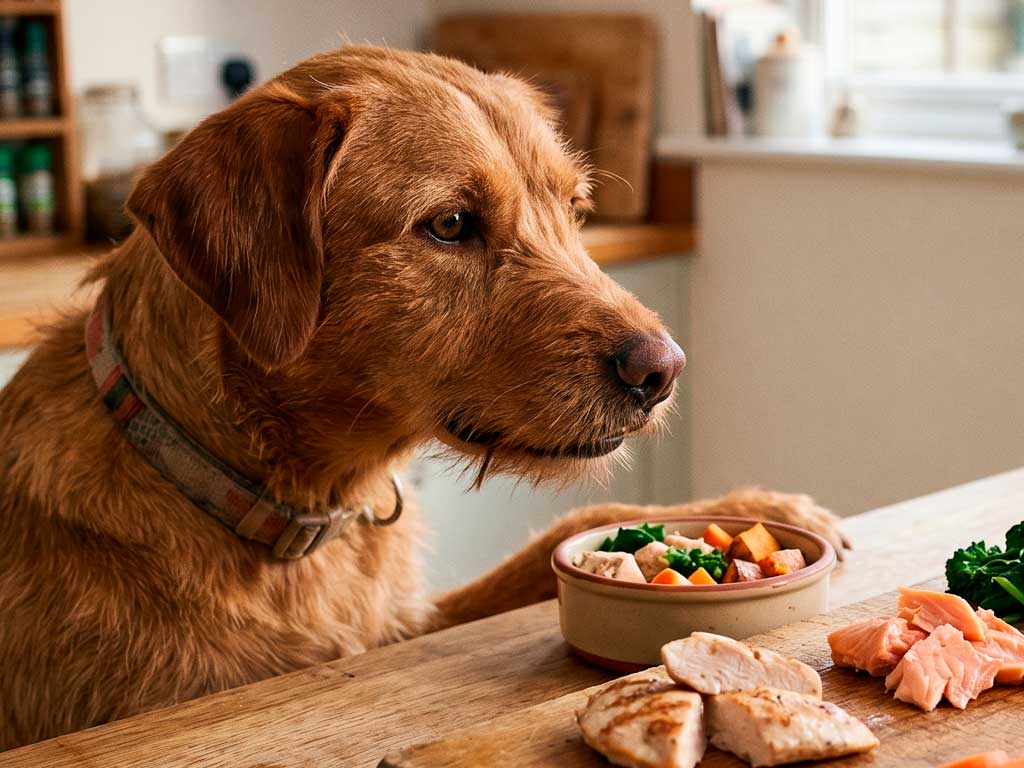
Explore guides to food for sensitive stomachs, nutrient-rich foods, picky eating, salt risks, and potentially dangerous dog treats. You’ll also find general advice for choosing a suitable diet and understanding your dog’s nutritional needs. Remember that individual foods or supplements cannot replace a complete and balanced diet, and some human foods can be dangerous for dogs.
If your dog suddenly refuses food, develops repeated digestive problems, or shows signs of illness, contact your veterinarian rather than relying on a diet change alone. Puppies, senior dogs, and dogs with existing medical conditions may need more specific nutritional advice.

Find the Right Nutrition Guide for Your Dog
Start with the topic that best matches your current question, whether you’re comparing food brands, planning portions, exploring raw feeding, or checking food safety. Read the relevant guides, compare the information carefully, and speak with your veterinarian before making significant dietary changes. Small, informed steps can help you build a feeding routine that suits your dog.