The Serengeti Cat Has Serval Looks and Zero Serval DNA
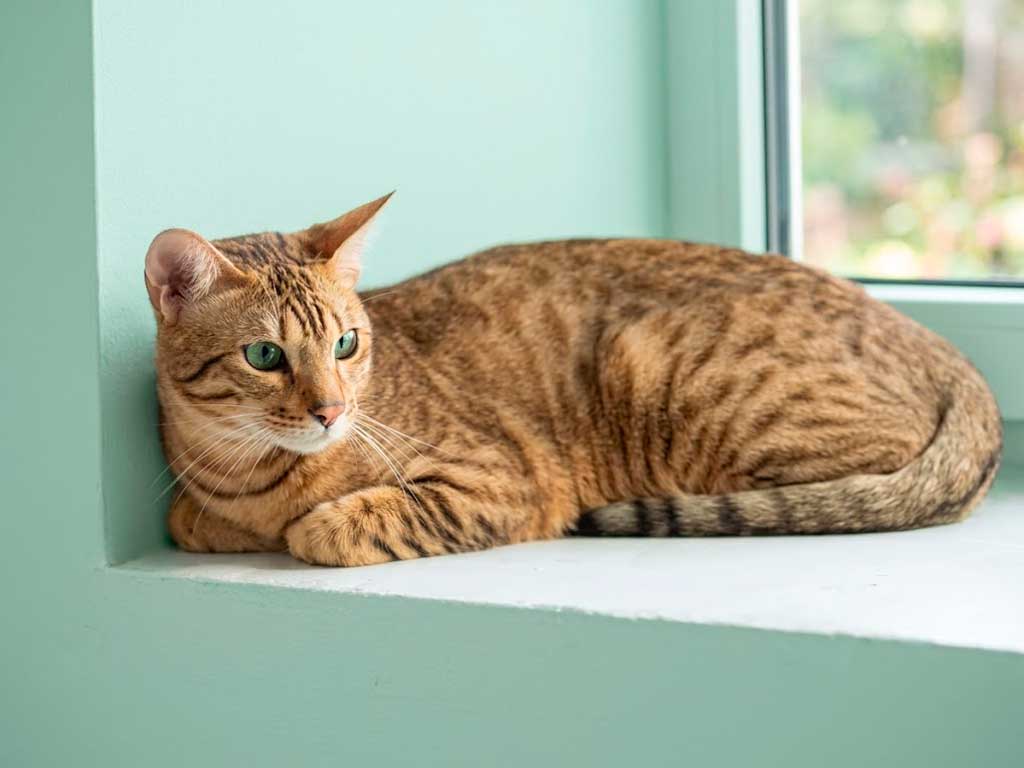
Here’s what’s really going on with that Serval-like silhouette: it’s a deliberate design choice, not a bloodline. The Serengeti cat carries no wild ancestry at all. Every drop of DNA comes from two fully domestic breeds, Bengal and Oriental Shorthair, bred specifically to echo the African Serval’s look without any of the ownership complications that come with actual hybrid ancestry.
What Makes Serengeti Cats Unique
Biologist Karen Sausman of California’s Kingsmark Cattery started the project in 1994, aiming for a cat with a Serval’s silhouette built entirely from domestic stock. She crossed Bengals, themselves several generations removed from any wild ancestor, with Oriental Shorthairs to lock in the long legs, upright ears, and spotted coat without introducing a single wild gene. TICA remains the only registry that recognizes the breed, and Serengetis are now bred across the US, UK, Europe, Russia, and Australia.
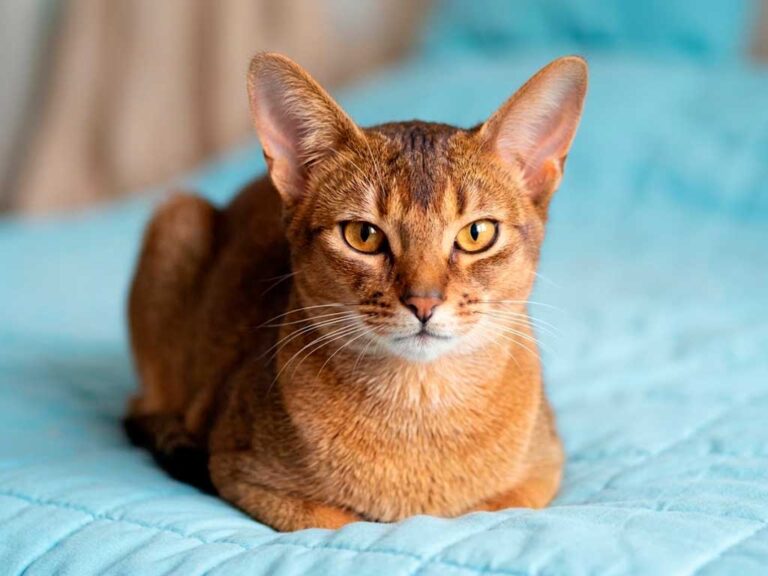
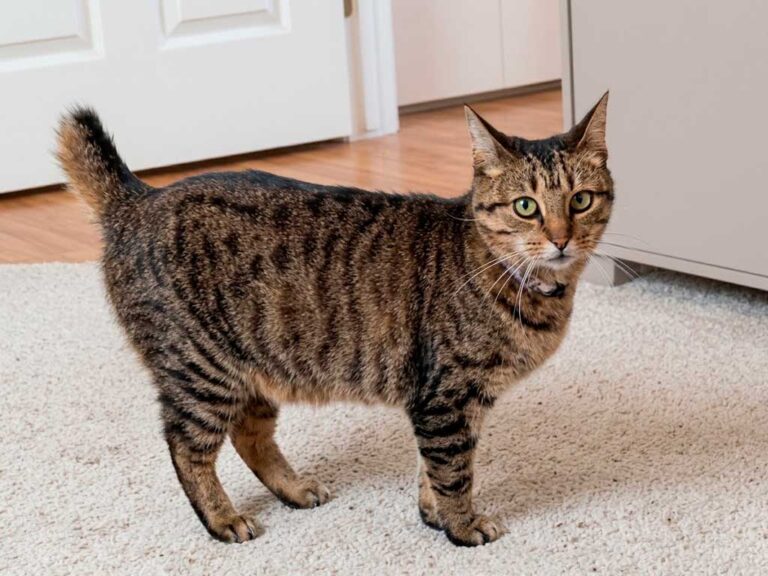
The resemblance to a Serval is genuinely uncanny at a glance — large, rounded ears set upright on the head, a long neck, and a tall, athletic build. But the body type actually traces closer to the Oriental Shorthair than anything wild: a tubular frame, longer bone structure, and a much more upright posture than a typical domestic cat.
Common Challenges and How to Handle Them
Your cat isn’t clingy by accident if it’s a Serengeti — this breed earned the nickname “Velcro cat” for a reason. They genuinely dislike being left alone for long stretches and want to be involved in whatever’s happening, which makes them a poor match for households that are empty most of the day.
That same intelligence that makes them so social also makes them mischievous. Serengetis inherited the Oriental Shorthair’s nimble toes, which means opening cupboards, working cabinet latches, and even turning on faucets are all within reach. Childproof locks help, but a bored Serengeti treats a locked cabinet as a puzzle to solve, not a deterrent.
They’re also talkers. That vocal streak comes straight from the Oriental side of the family, so expect a cat that comments on your day whether you asked or not.
Daily Care Essentials
Physically, this is one of the easier breeds to maintain. The short, plush coat barely sheds and needs only a weekly brushing to stay tidy, with no special diet requirements beyond a good protein-forward food.
The real care commitment is mental and physical stimulation. Serengetis are high-energy, athletic cats that need tall cat trees, climbing routes, and genuine daily play, ideally including interactive toys rather than things left out for the cat to entertain itself with. Some owners successfully leash-train them for supervised walks, which suits a breed this eager to be wherever the action is.
Health and Longevity
Serengetis are considered a generally healthy breed with no defining genetic condition tied to the breed standard, unlike some of the more debated hybrid-look cats on the market. Typical lifespan runs 8 to 12 years, with routine care being the main factor in keeping it there.
Health Disclaimer: This guide is for educational purposes only and doesn’t replace professional veterinary advice. Regular checkups and preventive care matter for every breed, healthy reputation or not.
Is This the Right Cat for You?
A Serengeti makes the most sense for someone who wants the exotic, Serval-adjacent look without the legal gray areas, expense, or specialist care that come with an actual Serval hybrid like the Savannah. If you want that silhouette with a far more manageable temperament and no state-by-state legality questions to research first, this is the breed built specifically to deliver it.
It’s a poor match if you’re gone most of the day, though. This cat wants a shadow role in your life, not a supporting one, and an under-stimulated Serengeti will find its own entertainment in your cabinets.
Frequently Asked Questions
Does the Serengeti cat have Serval blood?
No. Despite the resemblance, there’s no wild ancestry at all. The breed comes entirely from crossing Bengal and Oriental Shorthair cats.
How much does a Serengeti cat cost?
Typically $600 to $2,000, depending on the breeder and how closely an individual kitten matches the breed standard.
Are Serengeti cats good for first-time owners?
They can be, provided the owner has time to spare. This breed struggles more with being left alone than with any particular technical care requirement.
Do Serengeti cats get along with other pets?
Generally yes, once properly introduced. They tend to warm up slowly to new animals but bond closely once they do.
What’s the difference between a Serengeti and a Savannah cat?
Looks, mostly. The Savannah carries real African Serval ancestry and the legal considerations that come with it. The Serengeti is 100% domestic, bred to resemble a Serval using only Bengal and Oriental Shorthair bloodlines.
The Serengeti proves you can chase a wild look without any of the wild complications — just a genuinely social, athletic cat that wants to be wherever you are, cabinets included.
Browse more breed profiles in the full Cat Breeds guide.