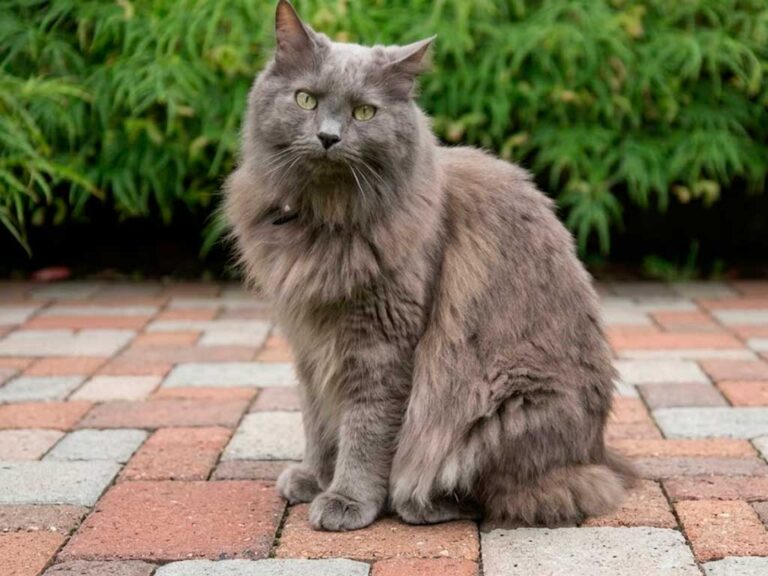
Domestic Shorthair Cat: Why It’s Not Actually a Breed

Here’s what’s really going on when someone tells you their cat “is a Domestic Shorthair” that’s not actually a breed name, it’s a category.
A Domestic Shorthair cat is any short-haired cat of mixed, unknown ancestry genetically closer to a mutt than to a Persian or a Maine Coon, and that’s exactly what makes it the single most common cat on the planet.
What “Domestic Shorthair” Actually Means
No breed registry defines a fixed standard for coat color, body type, or temperament here, because there isn’t one lineage to standardize.
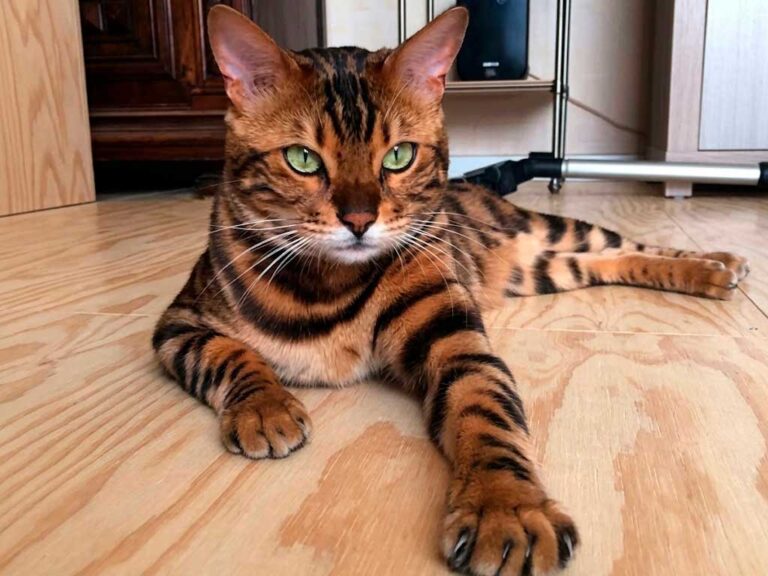
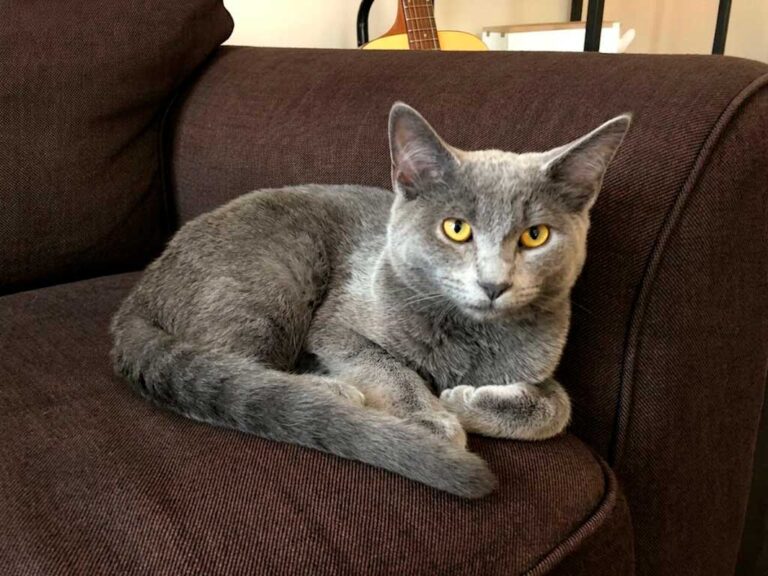
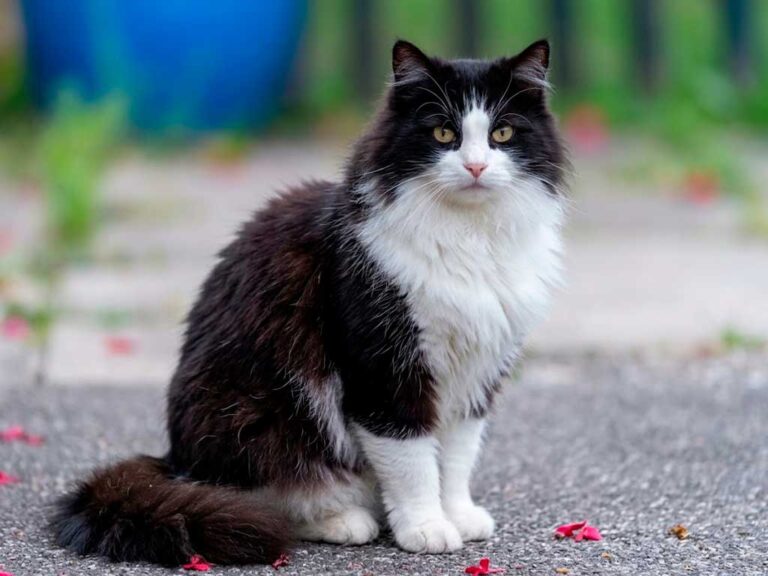
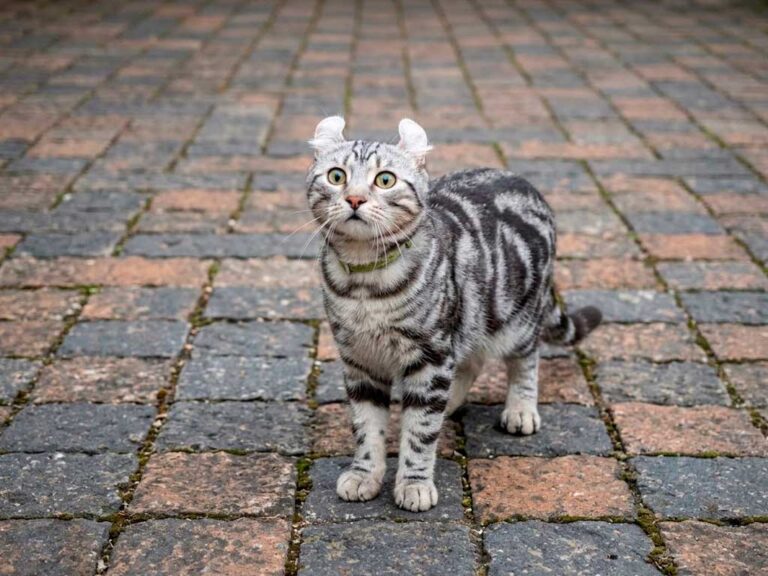
A Domestic Shorthair’s looks come from whatever genes happened to combine in its particular family tree which is why you’ll find them in every color, pattern, and body type imaginable, from lanky and lean to stocky and round-faced.
CFA does let Domestic Shorthairs compete, but only in its Household Pet category, judged on personality, presentation, and unusual markings rather than adherence to a breed standard.
Where the Breed-That-Isn’t-a-Breed Came From
Domestic Shorthairs trace back to the earliest days of pioneer settlement in North America, when cats worked passage on ships crossing the Atlantic.
In exchange for a meal and a warm corner, they kept rat and rodent populations off grain stores and out of cargo holds, both on the voyage over and in the barns and storehouses that followed.
That working-cat history is part of why today’s Domestic Shorthairs tend to be so hardy: centuries of natural selection for health and adaptability, rather than breeding for a specific look.
Coat Colors, Patterns, and Personality: Expect Anything
If you’re trying to identify your cat’s “breed” by color, here’s the honest answer: color alone won’t tell you much, because Domestic Shorthairs come in essentially every combination that exists in the species tabby, tuxedo, calico, solid black, orange, tortoiseshell, and everything between.
Body size varies just as widely, from compact and small-boned to genuinely large.
Personality is the same story. Some Domestic Shorthairs are quiet and reserved, others are relentlessly vocal; some are lap-obsessed, others prefer to observe from a distance.
What ties them together isn’t temperament, it’s a generally low aggression level and a strong, instinctive hunting drive inherited from generations of working ancestors expect real interest in birds outside the window and genuine skill with a feather toy.
Care Guide
Diet and Nutrition
No special dietary needs beyond a quality diet appropriate to age and activity level. Because Domestic Shorthairs aren’t picky about food the way some pedigreed cats can be, overeating is the more common issue — portion control matters more here than finding the “right” formula.
Exercise Requirements
That inherited hunting instinct needs an outlet. A safe perch for birdwatching, interactive toys, and regular play sessions keep a Domestic Shorthair’s natural balancing and leaping skills satisfied instead of redirected toward your furniture.
Grooming Needs
Grooming stays simple across the board: a rubber or steel comb every so often handles shedding, and regular nail trims and dental care round out the routine. Since there’s no single coat type, some individuals shed more than others, but none require the intensive grooming a longhair breed does.
Health Considerations
This is where genetic diversity really pays off. Because Domestic Shorthairs aren’t bred within a closed gene pool, they aren’t predisposed to the specific hereditary conditions that affect many pedigreed breeds, and CFA-adjacent sources consistently describe them as a hardy, low-risk group overall.
The main practical health concern is obesity, since these cats aren’t naturally inclined to self-regulate food intake any better than other cats.
Health Disclaimer: This guide is for educational purposes only and doesn’t replace professional veterinary advice. Regular wellness exams and weight monitoring matter for every cat, mixed ancestry or not.
Is This the Right Cat for You?
A Domestic Shorthair suits almost anyone open to letting personality matter more than pedigree. Because they make up the overwhelming majority of cats in shelters and rescues, adopting one is usually the fastest, most affordable way to bring a cat home, and it comes with the added benefit of skipping the breeder wait times that come with rarer pedigreed breeds elsewhere in this guide.
If you specifically want a predictable adult size, coat length, or temperament guaranteed by a breed standard, a pedigreed cat is the more reliable choice but if you want a genuinely one-of-a-kind companion, this is where most great cats actually come from. (Looking for the long-haired version? See the Domestic Longhair guide.)
Frequently Asked Questions
The Domestic Shorthair proves that the best cat isn’t always the one with a fancy pedigree sometimes it’s the one whose family tree nobody bothered to write down, and whose personality had to speak for itself.
Browse more breed profiles in the full Cat Breeds guide, including the American Shorthair, the pedigreed breed most often confused with this one.