Korat Cat: The Heart-Faced Thai Cat of Good Luck

Your cat isn’t performing on command — it’s performing when it feels like it. A Korat cat is genuinely intelligent enough to learn tricks quickly, but breeders will tell you honestly: it only does them with its own consent.
That independent streak sits inside one of the most striking faces in the cat world — a distinctive heart shape, framed by huge, luminous green eyes over a silver-tipped blue coat. Spoiler: in its native Thailand, this breed has been considered a symbol of good fortune for nearly seven centuries.
Quick Facts: Medium-sized, semi-cobby, surprisingly heavy for its build. Silver-tipped blue coat only. Green eyes that don’t reach full color until 2-4 years old. Doesn’t reach full maturity until age 2-4.
History: A Wedding Gift for Seven Centuries
The Korat’s earliest documented appearance is in the Tamra Maeo, an ancient Thai book of cat poems from the Ayutthaya period (1350-1767), the same text that references the Khao Manee. That book illustrates 17 different “good luck” cats of Thailand, and the Korat is the best known of the group.
Traditionally, Korats were given as wedding gifts, believed to bring luck and happiness to the marriage. Jean Johnson imported the first two Korats into the United States in 1959. A decade later, Daphne Negus traveled to Thailand and returned with nine more cats specifically to strengthen American bloodlines — a contribution that still shapes Korat pedigrees today.
Remarkably, the breed’s appearance has barely changed since those centuries-old descriptions were written — the Korat you’d meet today looks very close to the cat illustrated in that original Thai text.
Physical Characteristics
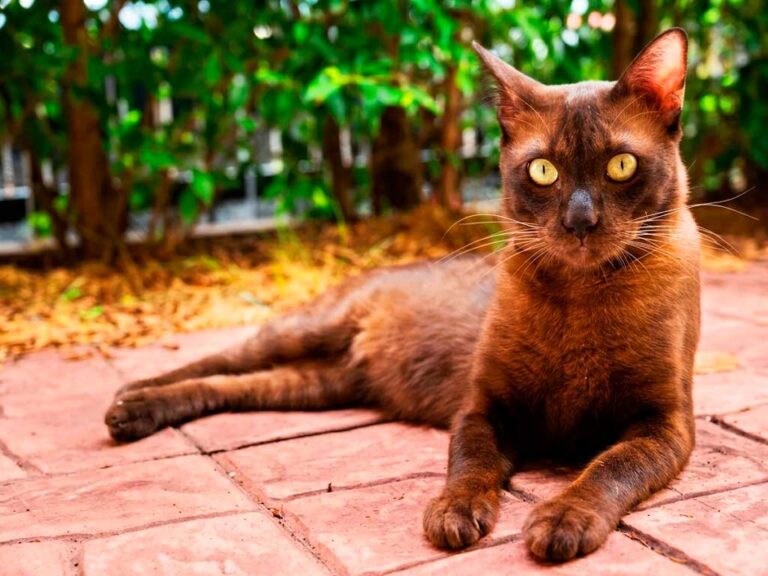
The head is the breed’s calling card: viewed from the front or from just behind, it forms a genuine heart shape, with the eyebrow ridges curving into the top of the heart and the sides of the face sloping down to a well-developed chin that completes the outline. Large ears with rounded tips and a wide flare at the base add to the effect.
Only one color is recognized: silver-tipped blue, with enough silver to create a shimmering halo effect across the coat. Eyes run large, luminous, and green, though kittens and young cats often show yellow or amber tones first — true green doesn’t fully develop until the cat reaches maturity around 2 to 4 years old.
Despite a medium frame, Korats carry surprising weight and muscle — CFA’s own standard describes a feeling of “hard coiled spring power” rather than a light, delicate build. Males can reach 10 pounds or more; females typically run smaller.
The body type sits deliberately between compact and svelte — CFA’s standard calls it semi-cobby, broad-chested with real space between the front legs, giving the Korat a distinctive silhouette that’s neither delicate nor bulky.
Toes follow the same standard shared across several breeds in this cluster — five in front and four behind — with an incorrect count considered a disqualifying fault in the show ring.
Personality and Temperament
Your cat isn’t ignoring your training attempts — it’s evaluating whether they’re worth its time. Korats are extremely intelligent and genuinely trainable, but that intelligence comes with a strong independent streak; expect cooperation on the cat’s terms rather than immediate obedience.
That same sharp mind craves stimulation, so puzzle toys, interactive games, and plenty of treats go a long way toward keeping a Korat engaged rather than bored. This is a cat that considers itself head of the household, forms a genuinely strong bond with its people, and takes a keen interest in every activity happening around it.
Korats communicate through a wide range of vocalizations and won’t hesitate to speak up when they want attention. They’re energetic without tipping into hyperactive, and generally interact well with other pets — though if a new pet joins the household, keep extra focus on the Korat during the transition to head off any jealousy over its self-appointed top spot.
Many Korat owners describe the bond as closer to a dog’s loyalty than a typical cat’s independence — this breed genuinely wants to be included, not just tolerated, in whatever’s happening around the house.
That intelligence also means boredom shows up fast — a Korat left without enough mental engagement will find its own entertainment, which is rarely as convenient as what you’d have chosen for it.
Caring for a Korat
Grooming is refreshingly minimal. The short, glossy single coat sheds only lightly, and a weekly brushing session is usually enough to keep it looking its best — a routine many owners treat as genuine bonding time rather than a chore. Round out care with regular nail trims, ear checks, and dental hygiene.
One quirk worth knowing: because the Korat coat doesn’t easily shed loose hairs into the air the way some coats do, allergy-sensitive visitors sometimes tolerate a Korat better than other breeds. That said, this isn’t a low-allergen breed — no cat truly is — so don’t rely on it as a guarantee.
Diet needs are standard for the breed’s size and activity level, with interactive feeding toys doing double duty as both nutrition and the mental stimulation this intelligent breed craves.
Because the coat shows even minor grooming lapses on that shimmering silver-blue surface, a consistent weekly routine keeps a Korat looking show-ready without much real effort on your part.
Health Conditions to Know
As a natural breed, the Korat is generally healthy with no widely documented breed-specific genetic conditions. Ask any breeder for health documentation confirming a kitten’s vaccinations are current, and choose a breeder who’s committed to managing the health of their breeding cats over the long term.
Health Disclaimer: This guide is for educational purposes only and doesn’t replace professional veterinary advice. Confirm vaccination records with any breeder, and keep up with routine wellness exams throughout your cat’s life.
No outcross breeds are permitted for the Korat, which keeps the gene pool consistent but makes documented, well-managed breeding lines especially important — a reputable breeder should be able to speak knowledgeably about their cats’ health history.
Finding a Korat: Price and Availability
Even in Thailand, the Korat remains a genuinely rare breed, though CFA notes it’s becoming more visible at American cat shows. Because the number of breeders stays relatively small, expect a wait for a kitten — though CFA suggests locating one shouldn’t prove especially difficult once you connect with the right breeder.
A cat show remains the most reliable way to meet a breeder in person, and CFA’s Find-a-Breeder directory is a solid fallback if Korats aren’t represented at a show near you.
Is a Korat Right for You?
This breed suits people who want a genuinely intelligent, deeply bonded cat and don’t mind negotiating rather than commanding. If the idea of a heart-faced companion that runs the household on its own terms, chats constantly, and rewards patience with real loyalty sounds appealing, a Korat delivers exactly that.
It’s a tougher fit for anyone hoping for a purely obedient, low-maintenance-attention cat, or a household planning to add pets frequently without managing introductions carefully. Your cat isn’t going to follow every instruction. It’s going to decide, on its own schedule, that following along was actually its idea.
Apartment living suits this breed well too, since it thrives on close contact with its people more than open space — consistent attention and interactive play matter far more than square footage.
One last practical note before you commit: since this breed doesn’t reach full physical and eye-color maturity until 2 to 4 years old, don’t judge a young Korat’s final look too early — the cat you bring home as a kitten will keep visibly changing for years.
Frequently Asked Questions
Why is the Korat considered a good luck cat?
It’s one of 17 “good luck” cats described in the Tamra Maeo, an ancient Thai text, and was traditionally given as a wedding gift believed to bring happiness and fortune to the marriage.
Can Korats really learn tricks?
Yes — they’re highly intelligent and trainable, though known for only performing tricks when they choose to, rather than on command every time.
Why do Korat kittens have yellow eyes instead of green?
Eye color develops gradually. Kittens and young cats often show yellow or amber tones, with the breed’s signature luminous green not fully settling in until around 2 to 4 years of age.
How much does a Korat cat cost?
Prices vary, but expect a wait given the breed’s rarity, even though CFA notes it’s becoming more visible at shows.
Are Korat cats good with other pets?
Generally yes, though they consider themselves head of the household and may show jealousy toward a new pet — extra attention during introductions helps smooth the transition.
A Korat has been considered a good omen in Thailand for nearly seven hundred years, and it’s easy to see why the tradition stuck — a heart-shaped face, a devoted personality, and just enough independence to keep things interesting. Luck might be superstition, but the charm is entirely real.
Browse more breed profiles in the full Cat Breeds guide.