Is the Siberian Cat Really Hypoallergenic? The Real Answer
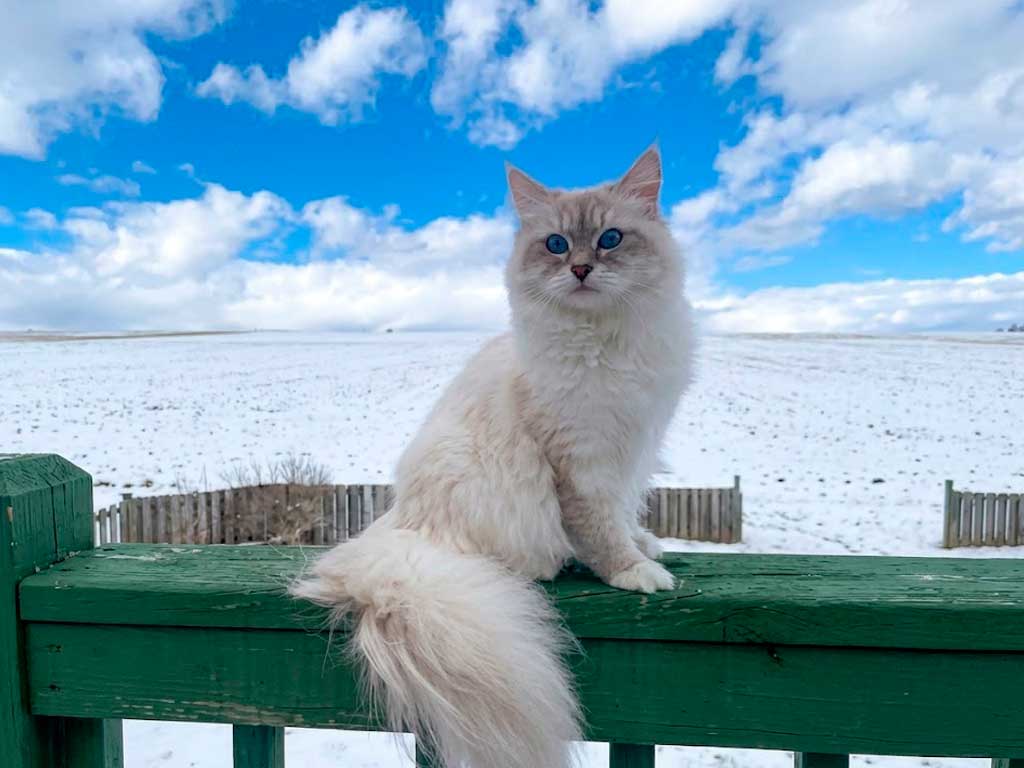
Here’s what’s really going on with that hypoallergenic claim: it’s not a myth exactly, but it’s not proven science either. The Cat Fanciers’ Association says it plainly in its own breed history — the idea that Siberian cats are hypoallergenic “has not been proven medically or scientifically.” What’s real is that most Siberians produce less of the Fel d 1 protein that triggers most cat allergies, and plenty of allergy sufferers report real relief around them. Whether that holds for you specifically is genuinely a gamble.
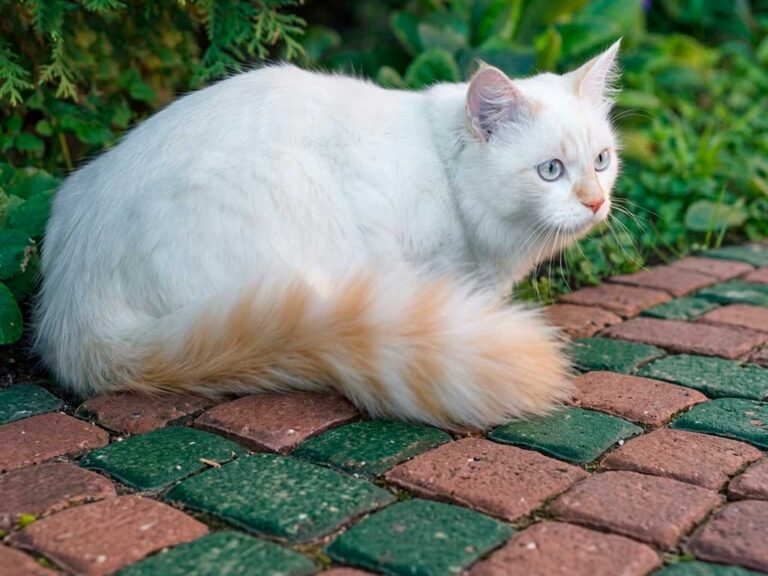
Quick Facts: Medium-to-large, barrel-bodied, heavily boned. Semi-longhair triple coat that varies by season. Life expectancy 11-18+ years. Slow to mature — up to 5 years to reach full size. Lower (not zero) Fel d 1 protein levels. Comes in traditional colors and a blue-eyed colorpoint variety called Neva Masquerade.
Getting Started: What You’ll Need
Before bringing one home, plan for a serious coat commitment despite what “low-shedding” marketing might suggest. A wide-tooth comb or slicker brush handles weekly maintenance, but budget extra time twice a year for a heavier molt that lasts about ten days and needs daily combing to keep ahead of mats. Add sturdy, tall cat trees, since Siberians are exceptional jumpers with powerful hindquarters built for it, and interactive toys, since this breed treats problem-solving as entertainment.
Is It Actually Hypoallergenic? Here’s the Real Science
Here’s what’s really going on: most Siberians test lower for Fel d 1, the protein in cat saliva and skin that causes the majority of human cat allergies. Lower isn’t zero, though, and individual cats vary quite a bit even within the breed. CFA’s own breed history is refreshingly honest about this — one longtime breeder reported roughly 75 percent of allergy sufferers who spent time with her Siberians had little to no reaction, which is a meaningfully good number, but it’s anecdotal, not a clinical trial result.
If allergies are a real concern, the only reliable test is spending real time with an adult Siberian before committing, ideally a few separate visits rather than one quick meet-and-greet. No breeder or seller can honestly guarantee a specific person’s reaction in advance.
Where This Breed Actually Comes From
Siberians are Russia’s native landrace cat, first appearing in written records around the year 1000 AD. For centuries they worked as barn and shop cats across Russia, valued for keeping grain stores free of rodents, and they show up in Russian fairy tales as protective, almost magical animals. Organized breeding didn’t start until 1987, when Kotofei and Kis cat clubs held the first official show in Leningrad. The colorpoint variety, now called Neva Masquerade in Europe and Russia, is believed to have developed from Siberian and pointed feral cats meeting along the Neva River in the 1960s.
The breed reached the US in 1990, right as the Soviet Union opened to trade — three kittens landed at the Port of New York from a St. Petersburg cattery, and the first American-born litter arrived the following year. CFA granted full championship status in 2006.
Personality and Daily Life
Your cat isn’t being nosy if it’s a Siberian — it’s just doing what this breed does, which is stay involved in literally everything. Siberians are famous for opening doors, “helping” with reading or typing, and following their people from room to room without being especially needy about it. They’re playful well into old age, genuinely dog-like in their loyalty, and known for a soft, musical range of chirps and trills rather than a typical meow.
They’re also natural athletes. That barrel-shaped body hides serious jumping power, and Siberians regularly clear impressive heights and distances chasing toys or exploring.
Health Considerations
Siberians are considered a generally healthy, hardy breed with one condition worth screening for: hypertrophic cardiomyopathy, a heart condition seen across many cat breeds. Regular veterinary checkups matter more than any specific dietary trick here.
Health Disclaimer: This guide is for educational purposes only and doesn’t replace professional veterinary advice. Ask breeders about heart screening history, and don’t skip annual wellness exams once your cat is home.
Mistakes to Avoid
Don’t buy a Siberian purely on the hypoallergenic promise without testing your own reaction first — it’s the single most common regret among allergy-sufferer owners who skipped this step. Don’t underestimate the coat, either; “low-shedding” during most of the year doesn’t mean low-maintenance during the twice-yearly molt. And don’t expect full size or a mature coat quickly: this is one of the slowest-maturing breeds around, taking up to five years to fully fill out.
Frequently Asked Questions
Are Siberian cats really hypoallergenic?
Not proven scientifically, but many Siberians do produce less Fel d 1 protein than other breeds, and a majority of allergy sufferers in informal testing report reduced or no reaction. Individual results vary.
What is a Neva Masquerade?
It’s the colorpoint variety of Siberian, with blue eyes and pointed markings similar to a Siamese. It’s the same breed, just a different recognized color pattern.
How big do Siberian cats get?
Medium-to-large, with some altered males reported at up to 25 pounds. They’re slow to mature, often not reaching full size and muscle until around age five.
Do Siberian cats shed a lot?
Not constantly, but they molt heavily twice a year for about ten days each time, which needs daily combing to manage.
Are Siberian cats good with kids and other pets?
Yes — they’re known for being fearless, easygoing, and affectionate with children, dogs, and other household pets alike.
A Siberian cat offers real hope for some allergy sufferers, a genuinely dog-like personality, and a coat that takes patience — just go in with honest expectations on all three fronts.
Browse more breed profiles in the full Cat Breeds guide, including the two other “natural” forest breeds, the Maine Coon and Norwegian Forest Cat.