Persian Cat: The Complete Guide to Feline Glamour
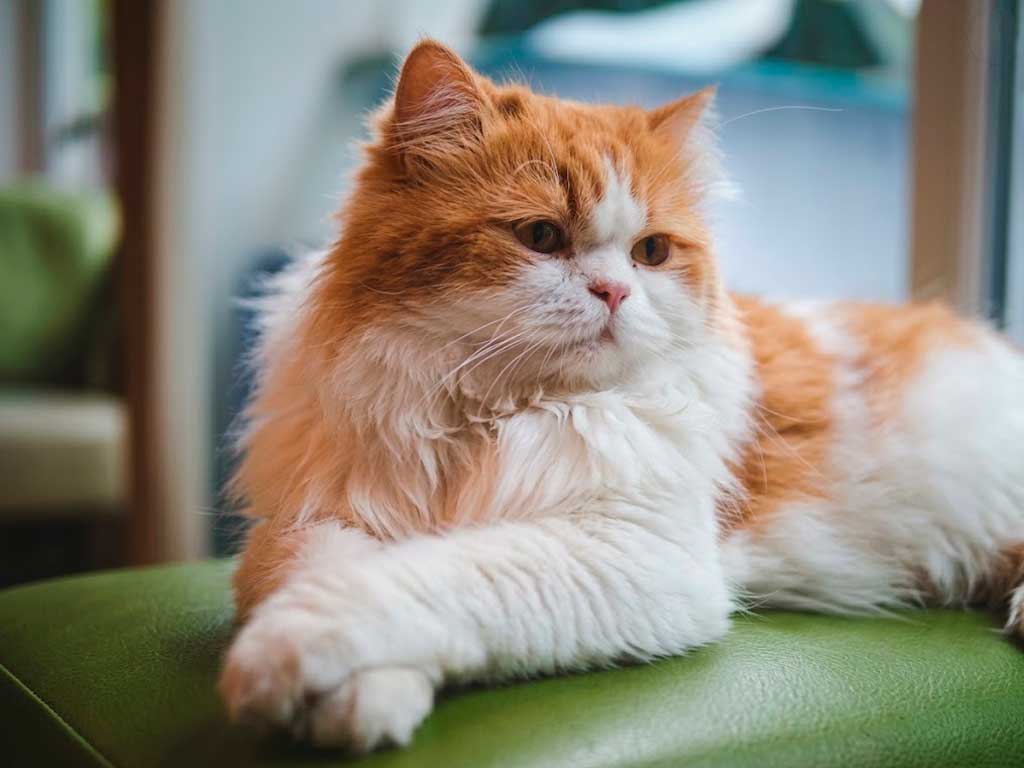
Your cat isn’t just beautiful — it’s an exercise in pure geometry. The Persian cat has symbolized feline elegance for well over a century, and the entire breed standard comes down to one word judges use again and again: round. Round eyes, round head, round face, round body, all working together like a living circle.
That flowing coat gets all the attention, but breeders and judges will tell you honestly: the structure underneath is what actually matters. Spoiler: this breed’s popularity has come with real growing pains, and how a Persian’s face has changed over the decades is worth understanding before you fall in love with one.
Quick Facts: Cobby, low-set body with short, thick legs. Medium to large size. Long, thick coat requiring serious grooming commitment. One of CFA’s founding six breeds and a perennial top-ten breed by registration.
History: From a 17th-Century Trade Route to CFA Founding Breed
The Persian’s name points to its presumed country of origin, though exactly how the breed reached Western Europe isn’t fully documented. What we do know: in 1626, an Italian trader named Pietro della Valle returned from Persia with a heavily-coated longhaired cat distinctly different from the Turkish Angora that had arrived in Europe around the same time.
Breeders combined the two types, working toward a sturdier, short-nosed cat with a coat that was silky yet dense and full-bodied. When organized cat shows began in the early 1900s, these selectively bred Persians quickly became the dominant breed in the ring. The first American imports arrived in the late 1880s, and Persians were one of the six foundation breeds established when CFA itself formed in 1906.
Doll Face vs. Flat Face: Understanding Persian Face Types
This is genuinely the most important thing to research before choosing a Persian. Decades of breeding toward an increasingly flat, extreme facial profile — sometimes called “peke-face” after its resemblance to a Pekingese dog — led to cats with smaller-than-average nostrils and real breathing difficulties. CFA has been direct about this history: the emphasis on refined, extremely flat features created genuine health problems for some lines.
In response, breeders worked to reduce the prevalence of these issues by removing severely affected cats from breeding programs. “Doll face” is the term often used informally for Persians with a more moderate profile and a nose that sits lower rather than nearly level with the eyes — historically closer to the original 1900s-era look, and generally associated with fewer breathing complications.
Both types can be registered and shown as Persians; the distinction isn’t an official CFA classification so much as a widely used shorthand among breeders and buyers. If breathing health is a priority for you, ask breeders directly about nose structure and any history of respiratory issues in their lines, and consider meeting the parents in person before committing to a kitten.
The Persian Group: Himalayan and Exotic Shorthair
Persian genetics run through two other breeds covered elsewhere in this cluster. Our Himalayan guide covers the color-point version of this same body type, restricted to Siamese-style pointed patterns and blue eyes. Our Exotic Shorthair guide covers the short-coated version — same round face and cobby body, minus the demanding grooming schedule.
Physical Characteristics
Everything about a Persian reads round and low: a massive, round head set on a short, thick neck, with a short, snub nose and large round eyes set wide apart for that famously sweet expression. Ears run small and round-tipped, tilted forward, chosen specifically because smaller ears emphasize the roundness of the head rather than competing with it.
The body follows the classic “cobby” type — broad, deep through the chest, low on short, thick legs breeders often compare to miniature tree trunks. The tail stays short but proportional, and the coat is long, thick, and standing off from the body rather than lying flat, with an especially full ruff around the neck and chest.
Color options are genuinely enormous. CFA organizes Persians into seven separate color divisions for competition: solids, tabbies, silver and goldens, shaded and smokes, parti-colors, calico and bi-colors, and the pointed Himalayan division — hundreds of individual color and pattern combinations across all seven.
Some seasonal coat variation is entirely normal too — smoke-colored and certain shaded Persians can show a temporary shift in undercoat tone during coat changes, which breeders consider a completely normal pattern rather than anything to worry about.
Balance and proportion matter more than sheer size in judging — quality of structure is the deciding factor in the show ring, not how large a given cat happens to be. Toes are also standardized: five in front and four behind, carried close together, with an incorrect count considered a disqualifying fault.
Personality and Temperament
Your cat isn’t going to invade the kitchen counter or scale the drapes — Persians genuinely prefer keeping all four feet on the ground, calm and even-tempered by nature. Playful yet fundamentally placid, most will chase a toy if you offer one, but they’re just as happy simply receiving attention and affection nearby.
Because this breed requires so much grooming, kittens generally get trained to accept handling from a very young age, which makes Persians surprisingly easy to train overall — many learn the meaning of “no” quickly and respond reliably to their own names. That same easygoing, devoted temperament makes them compatible with children of all ages and able to peacefully coexist with other pets in the household.
Caring for a Persian
Owning a Persian is a genuine commitment to daily grooming, and to regular vacuuming. A steel or Teflon-coated comb with both coarse and fine teeth is essential for keeping the coat free of mats and tangles — this isn’t optional maintenance, it’s a core part of Persian ownership.
Those large, prominent eyes commonly stain and need cleaning with a soft, damp cloth as part of the routine. Occasional baths help keep the coat clean and healthy, but should only follow a thorough combing and nail trim first, not the other way around. Many Persian owners rely on professional groomers to keep their cats looking their best, and that’s a genuinely reasonable choice rather than a shortcut.
Health Conditions to Know
Persian popularity has come with real responsibility for breeders. Years ago, an emphasis on increasingly refined, flat facial features led to cats with smaller-than-average nostrils and breathing difficulties; breeders have worked to reduce this by removing affected cats from breeding programs, though it remains worth discussing openly with any breeder.
Polycystic kidney disease (PKD) shortened the lives of many Persians in the early 2000s, but the condition is now well controlled through genetic testing and spaying or neutering affected cats. Ask any breeder for PKD test results on both parents before committing to a kitten.
Health Disclaimer: This guide is for educational purposes only and doesn’t replace professional veterinary advice. Ask breeders about nose structure, breathing history, and PKD testing, and schedule regular wellness exams throughout your cat’s life.
Finding a Persian: Price and Availability
Persians have ranked among CFA’s top ten breeds by registration for as long as such rankings have existed, and nearly any CFA show will feature several. Visiting a show remains the best way to connect with a breeder who can help you find the specific kitten you’re looking for. A particular color or sex may mean a wait, but finding a Persian kitten generally isn’t difficult.
Is a Persian Right for You?
This breed suits people who want a calm, devoted, undemanding lap cat and are genuinely prepared for a serious daily grooming routine. If the idea of a gentle, round-faced companion that would rather receive affection than chase it sounds appealing, a Persian delivers exactly that finishing touch to a well-planned home.
It’s a poor fit for anyone unwilling to commit to daily combing, or unconcerned about researching nose structure and breathing health before choosing a kitten. Your cat isn’t going to demand your attention loudly. It’s going to wait, quietly and beautifully, for you to notice it needs a comb-through.
Frequently Asked Questions
What’s the difference between a doll face and flat face Persian?
“Doll face” refers informally to Persians with a more moderate, lower-set nose, historically associated with fewer breathing problems. “Flat face” or “peke-face” refers to the more extreme, nearly level profile that can come with smaller nostrils and respiratory difficulty. Both can be registered as Persians.
Do Persian cats have breathing problems?
Some lines historically developed smaller nostrils due to breeding toward an extremely flat face. Breeders have worked to reduce this by removing affected cats from breeding programs, but it’s worth discussing openly with any breeder before choosing a kitten.
How much grooming does a Persian need?
Daily combing is genuinely required to prevent mats and tangles, along with regular eye cleaning and occasional baths. Many owners use professional groomers to help maintain the coat.
What health problems are Persians prone to?
The main considerations are breathing difficulty linked to facial structure and polycystic kidney disease (PKD), which is now well managed through genetic testing.
How much does a Persian cat cost?
Prices vary by color, lineage, and face type. Given the breed’s popularity, finding a kitten generally isn’t difficult, though a specific color or sex may involve a wait.
A Persian cat has spent more than a century proving that beauty and structure aren’t separate things — every round line, from the eyes to the paws, was built with intention. Understand the grooming commitment and the face-type history, and this breed rewards you with one of the gentlest, most devoted companions in the cat world.
Browse more breed profiles in the full Cat Breeds guide.