Oriental Shorthair: Meet the ‘Siamese in Designer Genes’
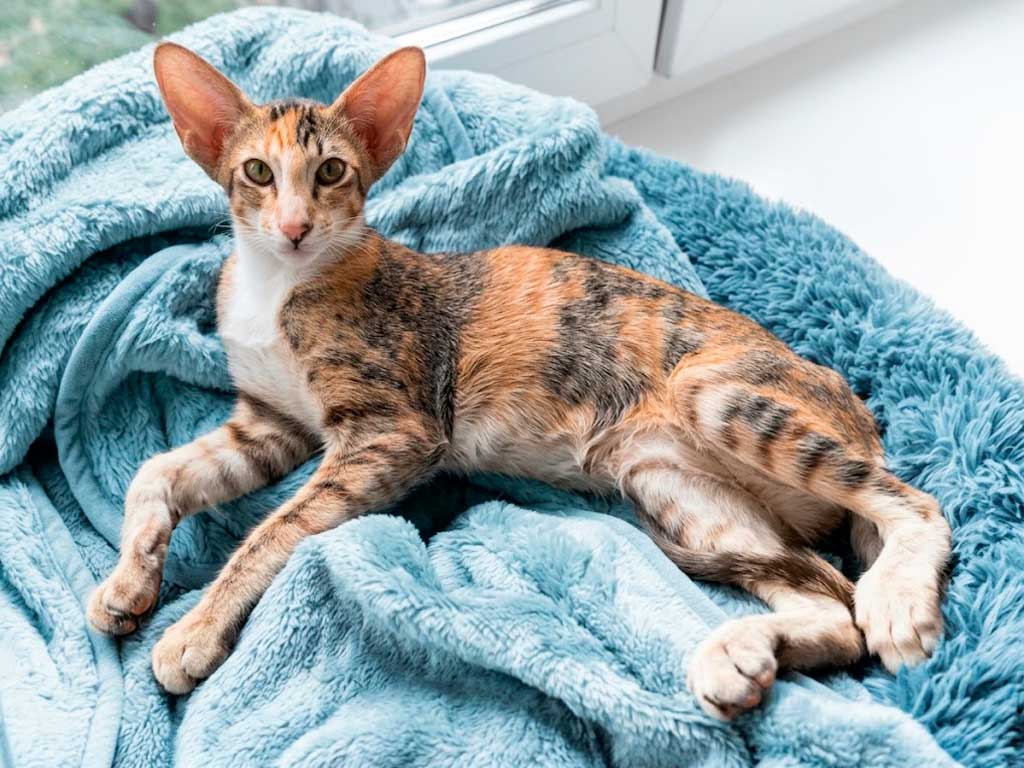
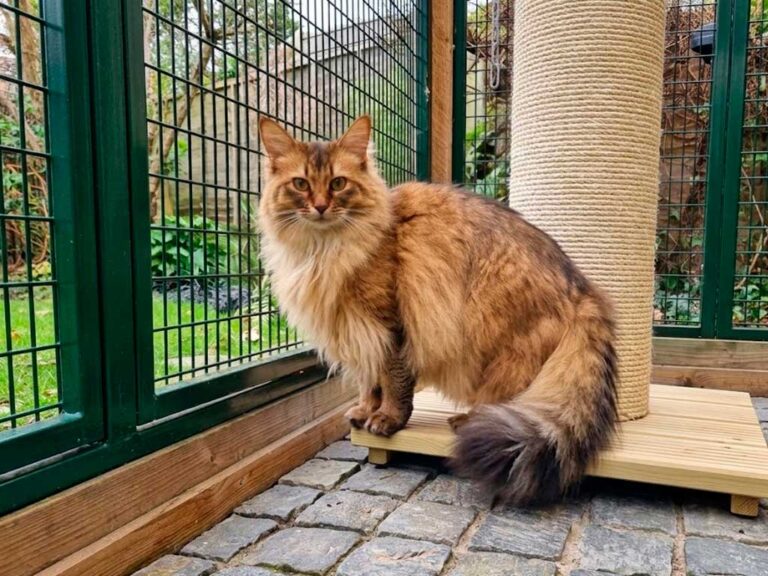
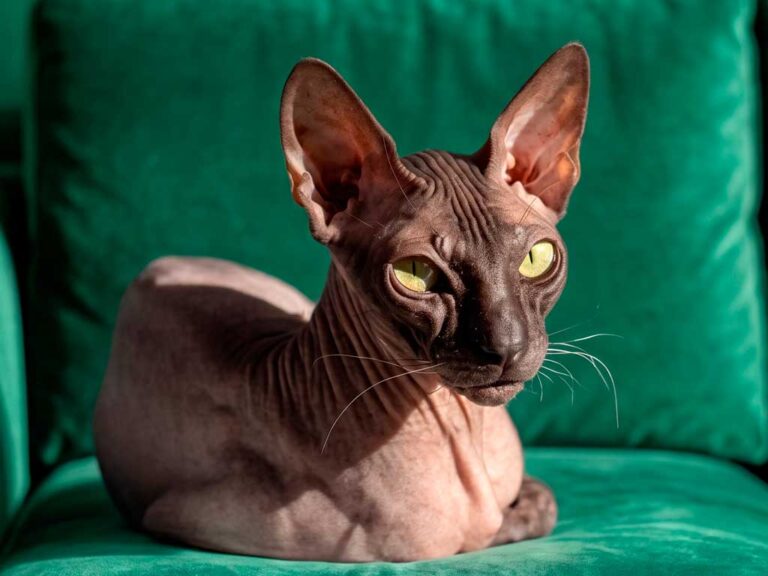
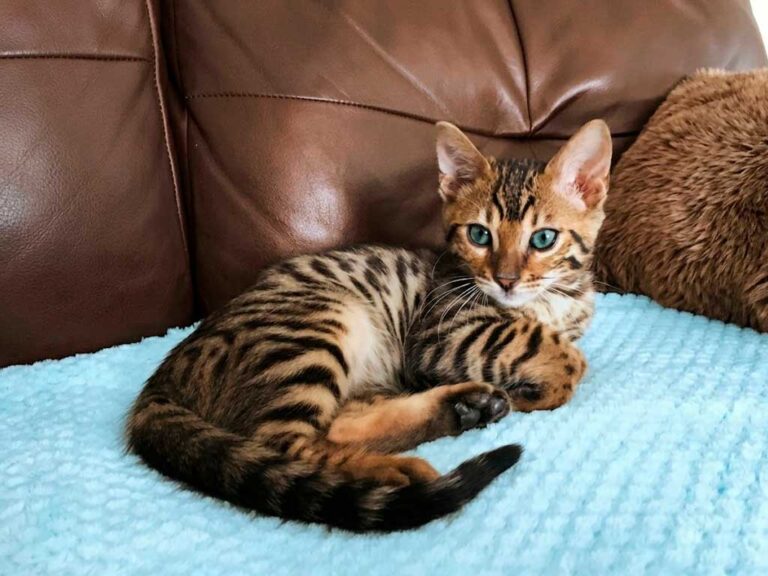
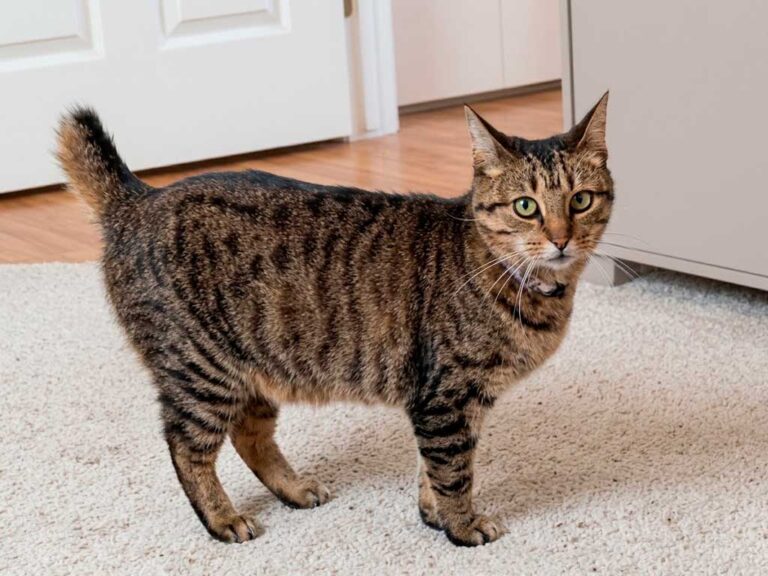
Your cat isn’t limited to one look — the Oriental Shorthair comes in 281 recognized colors and patterns, more than any other breed in the cat world. Breeders affectionately call them “Ornamentals,” and once you see the full color chart, the nickname makes complete sense.
There’s a simpler way people describe this breed too: “Siamese in designer genes.” Same sleek body, same striking wedge-shaped face, same big personality — just wrapped in nearly any color imaginable instead of the classic pointed pattern. Spoiler: this breed is popular enough that Star Trek’s Spock was drawn as one in a real published book of Star Trek-themed cat illustrations.
Quick Facts: Long, tubular, athletic body. Females 5-8 lbs, males 8-12 lbs. Doesn’t fully mature until 18-24 months. Life expectancy 10+ years, with some living past 20. 281 recognized colors and patterns.
History: Born From Post-War Creativity in England
The Oriental Shorthair is a man-made breed that originated in 1950s England. World War II had devastated the ranks of breeders and breeding cats, and the survivors got creative rebuilding their programs. Russian Blues, British Shorthairs, Abyssinians, and ordinary domestic cats were all crossed with Siamese, then crossed back to Siamese again.
Within surprisingly few generations, breeders had cats that were indistinguishable from Siamese in every way except color — the pointed pattern is genetically recessive, so non-pointed kittens kept appearing alongside pointed ones. The best Siamese-colored kittens went back into Siamese breeding programs, strengthening that gene pool, while the non-pointed cats became the ancestors of today’s Orientals.
Each new color was initially registered as its own separate breed — Foreign White, Havana (chocolate), Oriental Spotted Tabby — until breeders realized there were simply too many possible colors to manage that way. Everything non-pointed was consolidated into one breed: the Oriental Shorthair/Longhair. Orientals reached the United States in the 1970s, where further crosses with American Shorthairs and top show Siamese expanded the color range even further.
The Siamese Breed Group: Oriental, Siamese, Balinese, and Havana
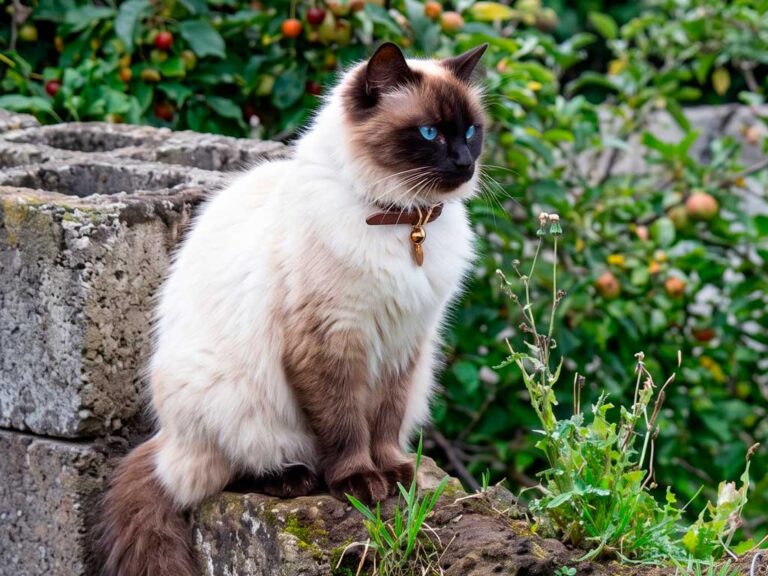
TICA groups several breeds together under one shared body standard, differing mainly by coat length and color. The Oriental Shorthair carries a short, glossy coat in virtually any color; the Oriental Longhair is the same cat with semi-long fur. The pointed version of this same body type is the Siamese. Our Balinese guide covers the long-haired pointed version, restricted to the traditional four Siamese colors.
One interesting footnote: early solid-chocolate Orientals were originally called “Havanas” and imported to America under that name, but that particular line evolved into its own distinct breed — the Havana Brown, which today looks quite different from a solid chocolate Oriental despite the shared name history.
Physical Characteristics
The whole breed standard for this group is built on extremes: long, lean, elegant lines from nose to tail. The head forms a precise wedge — a straight profile, a chin aligned with the nose, and ears so large and wide-set that a judge could theoretically draw straight lines from the eyes through the ears to form a perfect triangle. Almond-shaped eyes are preferred in green.
The body is long and tubular, even in width from shoulder to hip, with fine bones carrying real, firm muscle rather than bulk. Legs, tail, and even toes run long and slender. Despite that delicate appearance, this breed is genuinely athletic — built like a runner or dancer, not a fragile ornament despite the nickname.
Balance matters more than any single trait in this standard — if one feature runs extreme, every other feature should match that same intensity, so the whole cat reads as a cohesive, deliberate design rather than a collection of exaggerated parts.
Personality and Temperament
Your cat isn’t just playing with that toy — it’s going to bring it back to you, over and over, tirelessly, because Oriental Shorthairs are famous fetchers. Some love catnip sacks, others rattle mice, others an ordinary wad of crumpled paper. Whatever the object, this breed never really outgrows kitten-level enthusiasm for play, well into adulthood.
Talkative and genuinely opinionated, many Orientals narrate their entire day and comment on whatever you happen to be doing. Don’t let the fine bones fool you — this breed is confident enough to hold its own against much larger cats and dogs, often ending up in charge of the household regardless of size.
Orientals are deeply attached to their people and generally don’t do well as the only pet. Some bond tightly with just one person, avoiding visitors or even certain family members; more commonly, they love everyone, jumping from lap to lap at any gathering. High jumping and constant curiosity mean no shelf or cupboard is really off-limits, and the breed excels at feline agility given the chance.
They love warm places too, typically found curled on a lap during the day and burrowed under the covers with family at night — this breed genuinely wilts when ignored, so consistent affection matters more here than with most cats.
Caring for an Oriental Shorthair
Grooming is about as easy as it gets. A stainless-steel comb every couple of weeks handles the short, close-lying coat, and running damp hands down the body from head to tail works just as well for removing loose hair between combings.
Weekly nail trims, ear cleaning with a warm damp cloth, and regular tooth brushing round out the routine. Feed adults at least twice daily, kittens three to four times given how quickly they burn calories, and keep the water bowl at least three feet from food — cats’ sensitive noses can be put off drinking by an overwhelming smell of food nearby. Canned food is often preferred for this breed specifically, since the higher moisture and protein content supports urinary and kidney health while producing less litter box waste.
A filtered drinking fountain can work just as well as a bowl, and many Orientals genuinely prefer the movement — worth trying if your cat seems reluctant to drink enough on its own.
Health Conditions to Know
Oriental Shorthairs are generally a healthy breed, though two considerations are worth knowing. This breed tends to run more sensitive to anesthesia than average — make sure your vet knows before any procedure, including routine spaying, neutering, or dental cleaning.
Amyloidosis, a protein buildup that can affect the liver, shows up more often in this breed and others in the Siamese group. Active research continues into a genetic test, but none exists yet, so awareness and regular veterinary monitoring remain the best tools available.
Health Disclaimer: This guide is for educational purposes only and doesn’t replace professional veterinary advice. Flag anesthesia sensitivity to your vet before any surgical procedure, and watch for signs of amyloidosis such as lethargy, appetite loss, or vomiting.
Finding an Oriental Shorthair: Price and Availability
Given the breed’s popularity and enormous color range, kittens are generally accessible through TICA-registered breeders, though a specific rare color may involve a longer wait. A cat show remains one of the best ways to see the full color range in person and connect with breeders directly.
Given how closely related the whole Siamese group is, breeders who work with Orientals frequently also breed Siamese and Balinese — a useful detail if you’re weighing more than one member of the family before deciding.
Is an Oriental Shorthair Right for You?
This breed suits people who want a genuinely interactive, talkative, endlessly playful companion and don’t mind a cat that demands real attention. If the idea of a fetch-obsessed, opinionated cat available in nearly any color imaginable sounds appealing, an Oriental Shorthair delivers exactly that.
It’s a poor fit for anyone wanting a quiet, low-maintenance-attention cat, or a household planning to leave a single Oriental alone for long stretches. Your cat isn’t going to sit still and look pretty. It’s going to be mid-conversation, mid-game, or mid-lap-jump — probably all three before lunch.
Frequently Asked Questions
Is an Oriental Shorthair the same as a Siamese?
They share the same body standard and Siamese ancestry, but the Oriental Shorthair comes in nearly any color, while the Siamese is restricted to the traditional pointed pattern.
Why is the Oriental Shorthair called an “Ornamental”?
The nickname references the breed’s extensive color palette — 281 recognized colors and patterns, more than any other breed.
Do Oriental Shorthairs do well alone?
Generally no. This breed is deeply attached to companionship, human or feline, and tends to do poorly as the only pet in a household left alone for long periods.
What health problems are Oriental Shorthairs prone to?
The main considerations are above-average anesthesia sensitivity and a higher tendency toward amyloidosis, a protein buildup affecting the liver, shared with other breeds in the Siamese group.
How much does an Oriental Shorthair cost?
Prices vary by color and lineage, with rare colors sometimes commanding a premium over more common patterns.
An Oriental Shorthair proves that a Siamese’s elegant lines and big personality never needed just one color to shine. Between the endless color options and a temperament that never really grows up, this is a breed built for people who want their cat fully, unmistakably present in the room.
Browse more breed profiles in the full Cat Breeds guide.