British Shorthair Cat: Breed Guide, Personality & Price
Your cat isn’t going to jump on the kitchen counter a British Shorthair genuinely prefers to keep all four feet on the floor, which is either the most relaxing or the most anticlimactic trait a cat can have, depending on how you look at it.
Here’s a fact most owners never think to ask about: many British Shorthair lines carry blood type B, which is rare enough in cats that responsible breeders test for it before any breeding pair goes near each other. It’s a small detail that says a lot about how deliberately this breed has been managed for generations.
Quick Facts: Medium to large, compact, powerfully built. Males up to 17 lbs, females somewhat smaller. Takes 3-5 years to reach full maturity. Short, ultra-dense coat with more hairs per square inch than any other breed.
History: From Crystal Palace to Top-Ten Popularity
Like its longhaired sibling covered in our British Longhair guide, this breed’s roots trace back to cats that arrived in Britain with Roman soldiers nearly 2,000 years ago. The British Shorthair became one of the stars of London’s Crystal Palace cat shows around the turn of the 20th century, well before organized cat fancy existed almost anywhere else.
By the 1950s, British breeders had refined the type so successfully that a blue male named Brynbuboo Little Monarch became the very first Grand Champion of any breed recognized by the UK’s Governing Council of the Cat Fancy. Most British Shorthairs alive today trace their pedigree back to him. The breed reached the U.S. in the early 1900s under the name “British Blue,” before expanding into the wide range of colors recognized now.
Today, British Shorthairs consistently rank among CFA’s top ten breeds by registration, and they’re notably even more popular across Asia and Europe than in the United States.
Interestingly, the two World Wars that nearly wiped out the Longhair also devastated the Shorthair population, and both were rebuilt using overlapping outcrosses to domestic shorthairs, Russian Blues, and Persians — which is part of why the two breeds still share so much beyond just the name.
Physical Characteristics
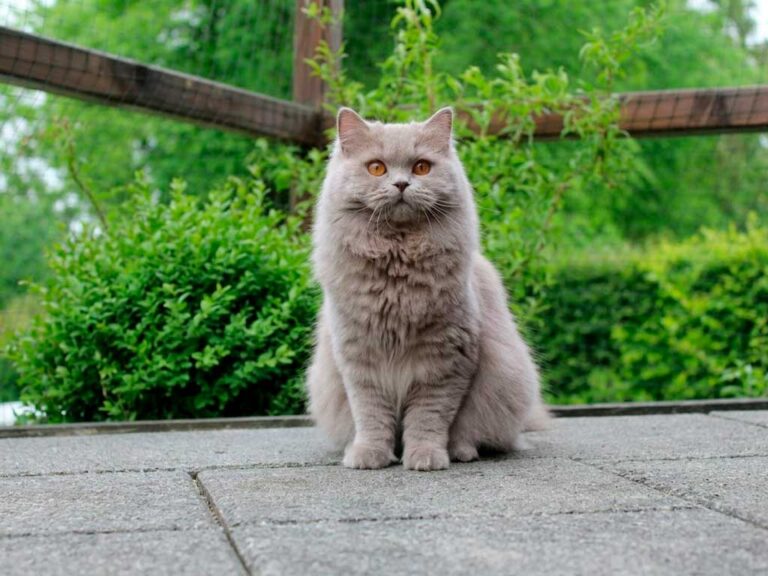
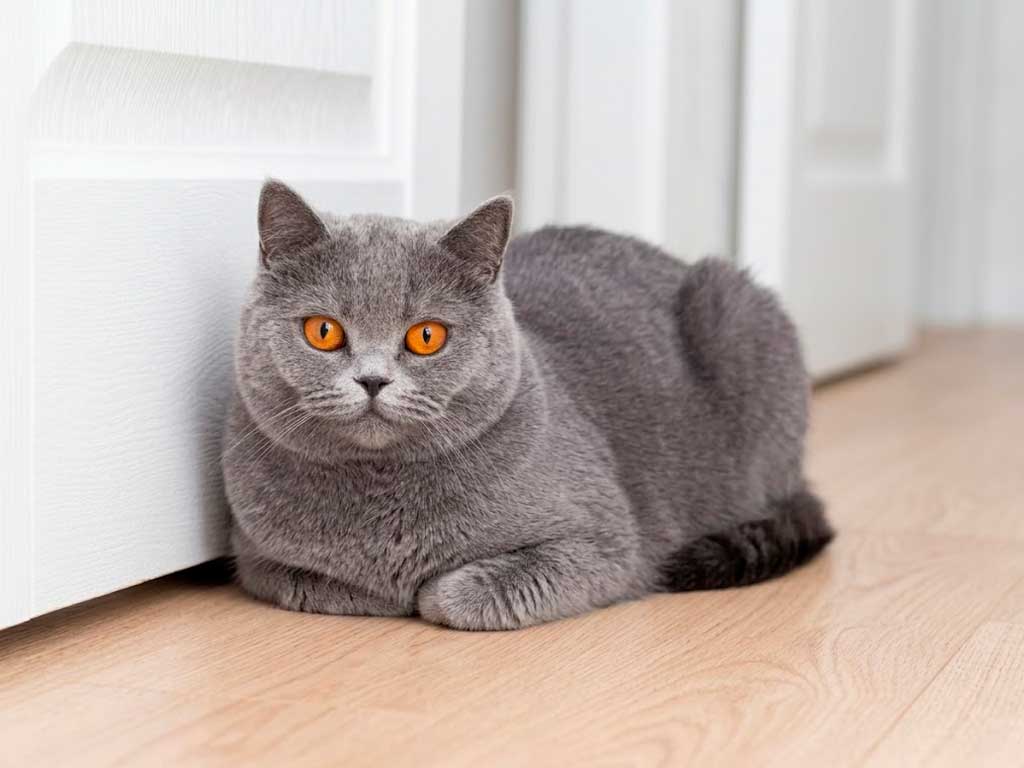
Everything about this breed reads solid: a broad chest, powerful legs, and a round head with prominent whisker pads that give it a permanent gentle smile. The coat is famously dense — CFA notes it contains more hairs per square inch than any other recognized breed — yet stays short and easy to manage.
Blue remains the most iconic color, but the breed comes in dozens of recognized solids, tabbies, and bicolors. This is also a slow-maturing breed: British Shorthairs don’t reach full adult size until three to five years old, one of the longest development windows in the cat world.
British Shorthair vs. British Longhair: Which One’s for You?
The choice mostly comes down to grooming tolerance and aesthetic preference — temperament, health, and size are nearly identical between the two. If you want the classic round-faced look with minimal brushing, the Shorthair wins. If you’re drawn to a fuller, more imposing coat and don’t mind daily combing, the Longhair is worth a look.
Personality and Temperament
Your cat isn’t withholding affection — it’s just supervising from a respectful distance. British Shorthairs take a genuine interest in everything happening in the house, following you room to room, but they’d rather sit nearby than climb directly into your lap uninvited.
They spread their affection evenly across the whole household rather than fixating on one favorite person, and they communicate mostly through body language — a gentle paw tap if something in the routine changes, rather than persistent meowing. Confident and easygoing, most adjust well to dogs and other pets, though they may quietly establish themselves as top cat in the house.
Patient with kids, they tend to withdraw during especially loud or chaotic moments rather than tolerate it outright, and most genuinely don’t enjoy being picked up or carried — better to let this breed choose when to be close.
Vocally, this is a quiet breed — occasional soft comments on your daily routine, but rarely anything resembling a real conversation.
Caring for a British Shorthair
Grooming is refreshingly simple thanks to that short, resilient coat: a weekly combing keeps shedding under control, with a little extra attention during seasonal coat changes in spring and fall. Round out the routine with regular nail trims and occasional ear cleaning.
Diet matters more than the coat does here. This breed’s calm, low-key nature means it burns fewer calories than a more active cat, so portion control and regular play — wand toys, fetch, the occasional laser pointer — help keep that sturdy frame from tipping into overweight.
Water placement matters too, as it does for most cats — keep the bowl a few feet from the food dish, since the smell of food nearby can discourage some cats from drinking as much as they should.
Health Conditions to Know
There are no confirmed breed-specific health conditions in the British Shorthair, and its genetically diverse background has helped keep the breed strong across generations. One detail is worth knowing regardless: many British Shorthair lines carry blood type B, which is uncommon in cats generally. Mismatched blood types between breeding cats require careful management, and it’s worth knowing your own cat’s blood type in case a transfusion is ever needed.
As with most heavier, muscular breeds, hypertrophic cardiomyopathy (HCM) also shows up occasionally, which is why responsible breeders screen breeding cats via echocardiogram.
Health Disclaimer: This guide is for educational purposes only and doesn’t replace professional veterinary advice. Ask your vet about determining your cat’s blood type, and request HCM screening results from any breeder before buying.
Dental disease is worth watching too, as it is in every breed — not specific to British Shorthairs, but easy to overlook given how otherwise low-maintenance this cat tends to be.
British Shorthair Price and Where to Find One
As one of CFA’s most popular breeds, British Shorthairs are relatively easy to find compared to some rarer breeds in this cluster, though prices still vary widely by color, lineage, and breeder reputation. Blue kittens tend to be the most available given their status as the breed’s signature look.
A CFA cat show remains one of the best ways to meet breeders in person — contact the sponsoring club ahead of time to confirm British Shorthairs will be represented, since not every show draws every breed.
Given how established this breed is, reputable breeders often maintain waitlists even for common colors — building a relationship with a breeder early tends to pay off more than searching last-minute.
Is a British Shorthair Right for You?
This breed suits people who want a calm, confident companion that’s affectionate without being clingy. If the idea of a cat that greets you at the door, follows you around, and then settles nearby rather than on top of you sounds appealing, a British Shorthair delivers exactly that.
It’s a tougher match for anyone hoping for a lap cat or an especially playful, high-energy companion. Your cat isn’t going to demand constant interaction. It’s going to be quietly, steadily present, on its own confident terms.
Apartment living suits this breed well too — it’s not a climber or a jumper by nature, and a comfortable perch at floor or sofa level satisfies most of its territorial instincts just fine.
One last practical note: because this breed matures so slowly, don’t judge a kitten’s final size or coat density by how it looks at six months — the real picture doesn’t settle until years three through five.
Frequently Asked Questions
Is the British Shorthair the same as the British Longhair?
They’re closely related companion breeds sharing the same standard and temperament, differing mainly in coat length. See our British Longhair guide for the longhaired version.
Why is blood type important in British Shorthairs?
Many lines carry blood type B, which is uncommon in cats. Knowing your cat’s blood type matters in the rare event of a transfusion, and breeders need to manage mismatched types carefully.
How much does a British Shorthair cost?
Prices vary by color and breeder, with blue kittens typically the most available given their popularity as the breed’s classic look.
Are British Shorthairs good with kids and other pets?
Yes, generally — they’re patient and adaptable, though they may withdraw during loud or chaotic moments and don’t love being carried.
How big do British Shorthairs get?
Males can reach up to 17 lbs, with females somewhat smaller. The breed takes three to five years to reach full maturity.
A British Shorthair carries centuries of careful breeding into a body built for comfort rather than acrobatics — every inch of it designed to look, and act, exactly like the teddy bear owners compare it to. Once you understand that steady, floor-bound confidence is the whole point, it’s easy to see why this breed has stayed in CFA’s top ten for so long.
Browse more breed profiles in the full Cat Breeds guide.