Bombay Cat: Breed Guide, Personality & Price
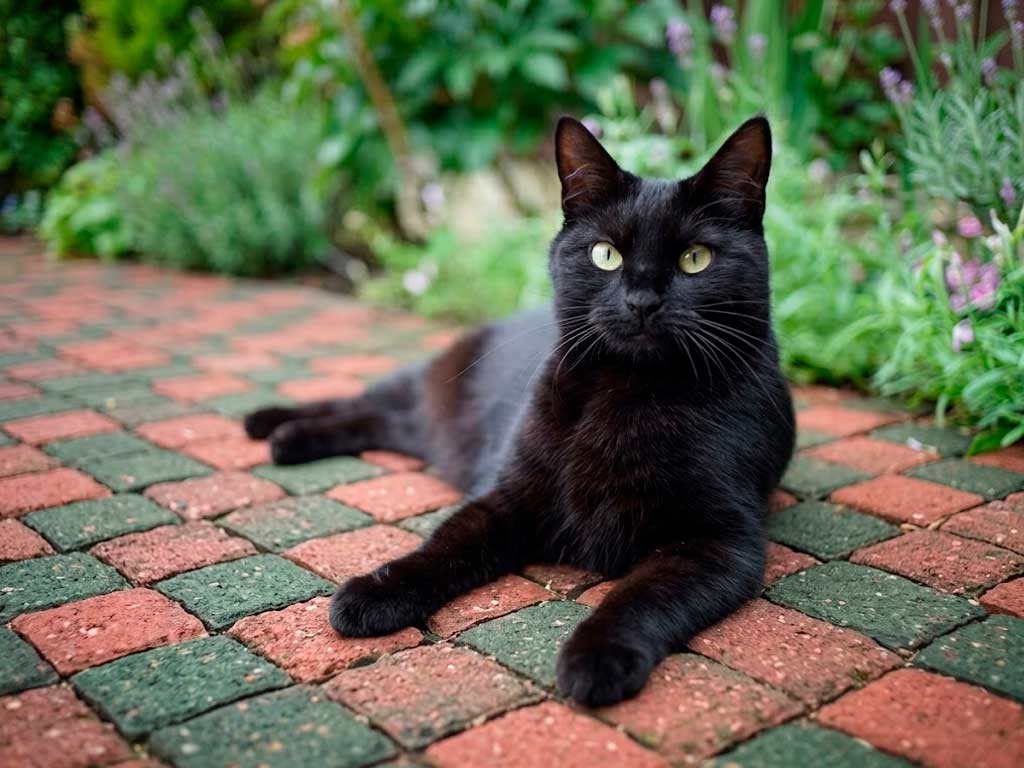
Your cat isn’t a panther — but somebody designed it to look like one on purpose. A jet-black coat, muscular build, and glowing copper eyes give the Bombay cat a genuinely wild silhouette, wrapped around one of the most people-obsessed personalities in the cat world.
Here’s what’s really going on: this look wasn’t an accident of nature. One breeder deliberately engineered it in the 1960s, aiming for exactly this effect. Spoiler: she succeeded well enough that people still do a double take.
Quick Facts: Medium-sized, muscular, solid black coat with a patent-leather sheen. Copper to gold eyes. Lifespan 12-16 years. Genuinely rare despite decades of popularity in the show ring.
History: A Deliberately Designed “Parlor Panther”
In 1966, Kentucky breeder Nikki Horner set out to create something specific: a cat that looked like a miniature black leopard but lived entirely as a housecat. She crossed a black American Shorthair male with a sable Burmese female, then spent years line-breeding and carefully outcrossing to lock in the look while keeping the temperament people-friendly.
The name Bombay nods to the black leopards of India and the city itself, chosen purely for the exotic association rather than any actual connection to South Asia. CFA accepted the breed for registration in 1970 and granted championship status in 1976, with the first national win following in 1982.
Despite decades of steady popularity in the show ring, the Bombay remains one of CFA’s rarer breeds — a hybrid built from just two source breeds, which naturally keeps the population smaller than more established lines.
Nikki Horner’s approach was methodical rather than accidental — she wasn’t hoping for a lucky mutation, she was actively selecting for a specific combination of traits across multiple generations, which is part of why the breed’s look stayed so consistent once established.
Physical Characteristics
The coat is the headline feature: short, dense, and close-lying, with a shine so pronounced that breeders often describe it as “patent leather.” It should be solid black to the roots, with black nose leather and paw pads to match.
Eyes range from gold to deep copper, and the deeper the color, the more prized it is in the show ring. Structurally, the Bombay carries a rounded head, broad muzzle, and a body that feels noticeably heavier than it looks — muscular rather than sleek, despite the panther-like appearance.
One quick note for judging or breed-standard purposes: green eyes and any locket or spotting on the coat disqualify a cat from formal showing, even though such cats still make perfectly wonderful pets — the standard is about show eligibility, not health or temperament.
Bombay vs. American Bombay vs. British Bombay
You may see the term “American Bombay” occasionally, which just distinguishes the CFA/US-standard version (built from American Shorthair and Burmese) from a separate British variant developed from Burmese and domestic shorthairs local to the UK. Both share the black coat and copper eyes; the build and head shape differ slightly depending on lineage.
Personality and Temperament
Your cat isn’t shy about wanting attention — it’s convinced every visitor showed up specifically to see it. Bombays are famously outgoing, often described as part cat, part dog, and part clown, all rolled into one very confident package.
They form strong bonds with their people and show it constantly: head-butts, kisses, and a habit of curling up close at night. Toys hold real appeal too, though a Bombay is just as likely to turn an empty grocery bag or cracker box into an afternoon’s entertainment as any purchased toy.
Neither hyperactive nor lazy, this breed strikes a genuinely easy middle ground. Properly introduced, Bombays bond quickly with kids, dogs, and other pets, and they adapt well to almost any home environment.
Caring for a Bombay
Their intelligence traces directly back to both parent breeds, and it shows in how quickly a Bombay figures out cabinet latches, door handles, and the exact drawer where the treats live. Puzzle feeders and food-dispensing toys tend to be worth the investment for this breed specifically.
That combination of confidence and warmth is part of why Bombays adapt so well to being the only pet in a household, but it also means they genuinely welcome company — this isn’t a breed torn between independence and affection, it leans firmly toward the latter.
Diet needs are unremarkable for the breed’s size — a quality food matched to age and activity level covers the basics, with portion control mattering as this breed ages and activity naturally slows.
Grooming is about as easy as it gets. That short, satiny coat sheds moderately at most, and a rubber curry brush two or three times a month usually handles it. Bombays are famously good about baths too, often described as “wash-and-wear” cats that tolerate water better than most breeds.
Water fountains can be worth trying too — many Bombays show a curious streak around running water, batting at faucets or fountain streams, which doubles as both enrichment and a nudge toward better hydration.
Interactive play matters here more than pure exercise volume. A Bombay genuinely enjoys puzzle toys, wand play, and the occasional cardboard box turned makeshift fort — cheap entertainment that keeps that clownish energy pointed somewhere productive.
Dental care and nail trims follow standard cat-care schedules, and there’s nothing breed-specific to add beyond the usual routine — the coat really is the easy part of owning this breed.
Health Conditions to Know
Thanks to its hybrid ancestry, the Bombay is considered a fairly healthy breed overall. Two things are still worth watching.
Some Bombays develop overly teary eyes that need regular gentle wiping to prevent staining or irritation — a minor but recurring maintenance item rather than a serious condition. Hypertrophic cardiomyopathy (HCM), the most common heart condition in cats generally, has also shown up in the breed; responsible breeders screen breeding cats to reduce the chances of passing it on.
Health Disclaimer: This guide is for educational purposes only and doesn’t replace professional veterinary advice. Ask breeders about HCM screening on both parents, and mention any persistent eye tearing to your vet at routine checkups.
Weight management is also worth a mention, separate from any breed-specific condition — that muscular build can mask early weight gain, so a hands-on check at routine vet visits catches what a glance alone might miss.
Bombay Cat Price and Where to Find One
Despite its show-ring popularity, the Bombay remains genuinely scarce, so expect to pay a premium and possibly wait for a litter. A cat show is one of the better ways to connect directly with breeders in person.
If cost or availability is a concern, ask about retired show cats — they’re typically less expensive than kittens and often come already litter-trained and socialized. Rescue groups occasionally place Bombays and Bombay mixes too, worth checking before committing to a breeder waitlist.
Because the breed comes from a deliberately narrow foundation of just two source breeds, reputable catteries tend to be more selective about placements too — expect an application process, references, and sometimes a home visit before a breeder commits to a kitten.
Is a Bombay Cat Right for You?
This breed suits people who want a dramatic look paired with a genuinely social, people-focused personality. If you like the idea of a cat that greets guests at the door and treats every box in the house as a personal challenge, a Bombay delivers exactly that.
It’s a less natural fit for anyone who wants a quiet, low-attention cat, or who’s set on finding one quickly without a wait. Your cat isn’t going to blend into the background. It’s going to make sure you know it’s there.
Apartment living works well for this breed too — Bombays don’t need outdoor space to feel satisfied, just consistent interaction and enough vertical territory to survey their kingdom from up high.
One more thing worth flagging before we wrap up: because the breed comes from such a deliberate, narrow cross, buying from an established, health-testing breeder matters more here than it might for an older, more genetically diverse breed.
Frequently Asked Questions
Is a Bombay cat part panther or wild cat?
No. The Bombay is 100% domestic, created by crossing a black American Shorthair with a sable Burmese. The panther-like look is intentional breeding, not wild ancestry.
Are Bombay cats good with kids and other pets?
Yes — with proper introductions, Bombays typically bond quickly with children, dogs, and other cats, thanks to their outgoing, easygoing temperament.
How much does a Bombay cat cost?
Prices vary, but expect a premium given the breed’s rarity despite its popularity, with waitlists common at reputable catteries.
Are Bombay cats hypoallergenic?
No cat breed is truly hypoallergenic, and the Bombay isn’t typically listed among lower-shedding options, despite its short, easy-care coat.
How long do Bombay cats live?
Most Bombays live 12 to 16 years with good preventive care and regular veterinary checkups.
A Bombay cat was engineered to turn heads, and decades later, it still does exactly that — right up until it climbs into your lap and makes it clear the panther act was really just an elaborate excuse for cuddles.
Browse more breed profiles in the full Cat Breeds guide.