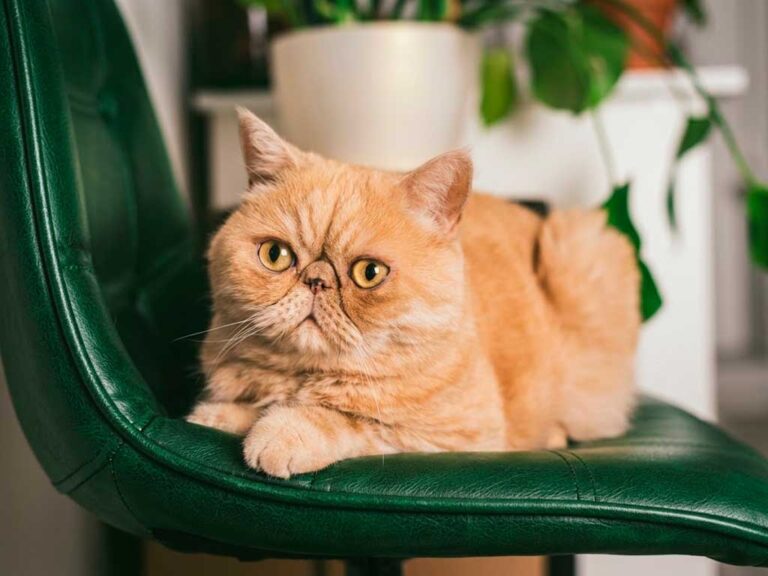
Yellow Cat: Breeds, Personality, Genetics & Care Guide
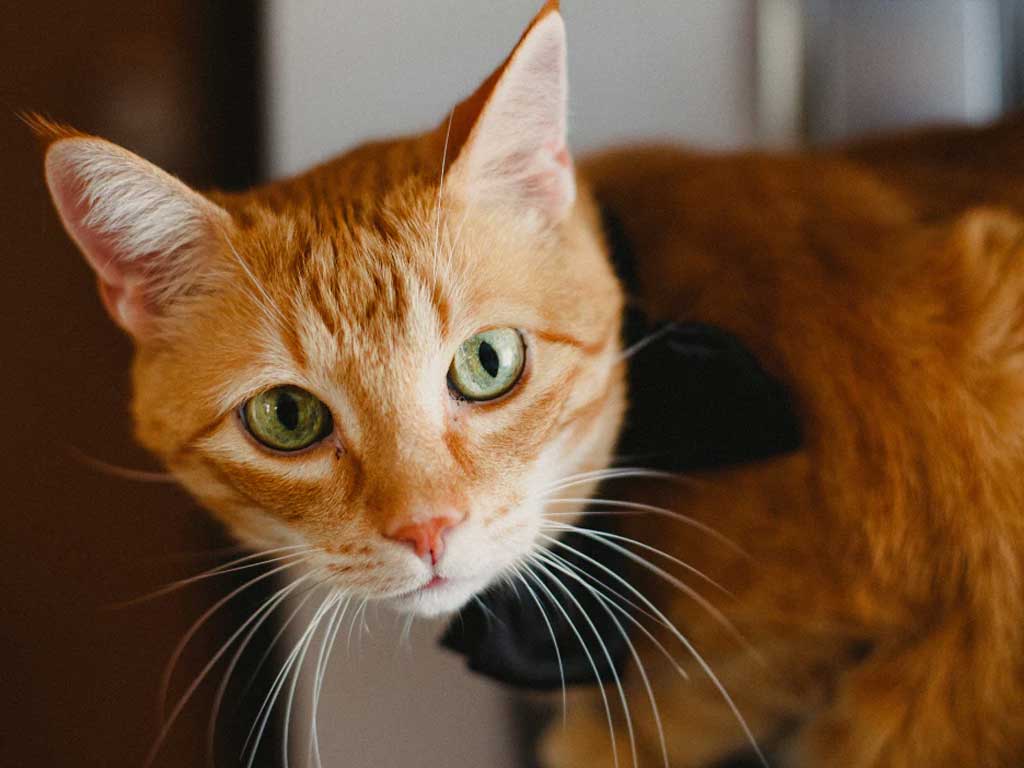
A yellow cat isn’t a separate breed. Instead, the term describes cats whose coats range from pale cream to deep orange because of a unique genetic trait. These friendly felines are famous for their striking appearance, playful personalities, and strong bonds with people.
Veterinary genetics research explains why yellow cats are so common, why most are male, and why owners describe their personalities as bold and social. In this guide, you’ll learn which breeds commonly display yellow fur, what their eye colors really mean, and how to give these charismatic companions the best possible care.
If you’ve ever wondered whether yellow cats differ from orange cats, or why so many seem to run the house, you’ll find the answers below.
Quick Facts: A yellow cat is an orange or cream-colored domestic cat, not a breed. Around 75-80% are male. Every yellow cat is genetically a tabby, even when stripes look faint.
What Is a Yellow Cat?
Despite the name, a yellow cat is not an official breed. Instead, it refers to any cat whose coat appears yellow, golden, cream, ginger, or orange.
The exact shade depends on genetics, sunlight, age, and pigment concentration in the fur. Some cats look almost cream-colored. Others display a rich copper-orange coat.
Many people use these names interchangeably:
- Orange cat
- Ginger cat
- Marmalade cat
- Orange tabby
- Golden cat (informally)
Although these terms describe slightly different shades, they all point to the same underlying color genetics.
Are Yellow Cats and Orange Cats the Same?
Yes. In everyday language, yellow cat and orange cat usually describe the same feline. The difference is mostly subjective.
Depending on lighting and coat intensity, one person may call a cat yellow. Another might describe the exact same cat as orange or ginger.
| Yellow Cat | Orange Cat |
|---|---|
| Common search term | More widely used by veterinarians |
| Usually refers to lighter shades | Covers the full range of orange tones |
| Not a breed | Not a breed |
| Same genetic origin | Same genetic origin |
Because both names describe the same trait, veterinarians and cat organizations tend to say “orange cat,” while pet owners naturally search for “yellow cat.”
Why Are Some Cats Yellow?
The warm yellow coat comes from a pigment called pheomelanin. Unlike black or gray cats, yellow cats produce far more pheomelanin than eumelanin, which creates shades ranging from pale cream to deep orange.
However, pigment production is only part of the story. A specific gene on the X chromosome determines whether a cat develops orange coloring at all.
Male cats have just one X chromosome (XY), so they only need one copy of the orange gene to show the color. Females have two X chromosomes (XX), so they generally need two copies to become fully orange.
This simple genetic difference explains one of the most famous facts about yellow cats.
Why Are Most Yellow Cats Male?
Roughly 75% to 80% of orange or yellow cats are male. This makes coat color one of the best-known examples of feline genetics in action. Here’s why:
- Male cats inherit a single X chromosome.
- If that chromosome carries the orange gene, the cat turns yellow or orange.
- Female cats inherit two X chromosomes.
- Both usually need the orange gene for a female to display a fully yellow coat.
Female yellow cats certainly exist, but they’re significantly less common. Likewise, calico and tortoiseshell cats are almost always female, since they inherit two different color genes across their two X chromosomes.
Why Do Nearly All Yellow Cats Have Stripes?
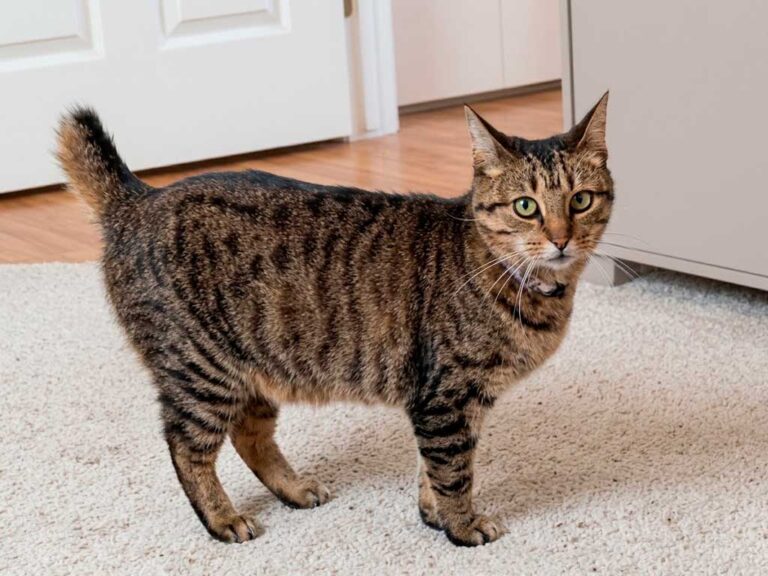
One fact surprises many owners: every orange or yellow cat is genetically a tabby. Even solid-looking cats usually show faint stripes under bright light.
Typical tabby features include:
- The famous “M” marking on the forehead
- Rings around the tail
- Stripes on the legs
- Swirling or mackerel coat patterns
- Facial lines extending from the eyes
A completely different set of genes controls these markings than the orange color itself. As a result, every yellow cat combines two separate traits: orange pigmentation and the tabby pattern. Together, they create one of the most recognizable coat types in the feline world.
Yellow Cat Breeds: 10 Popular Options
One common misconception is that a specific “yellow cat breed” exists. In reality, many breeds can produce yellow, orange, cream, or ginger cats, and each brings its own size, coat length, and temperament to the table.
1. Domestic Shorthair
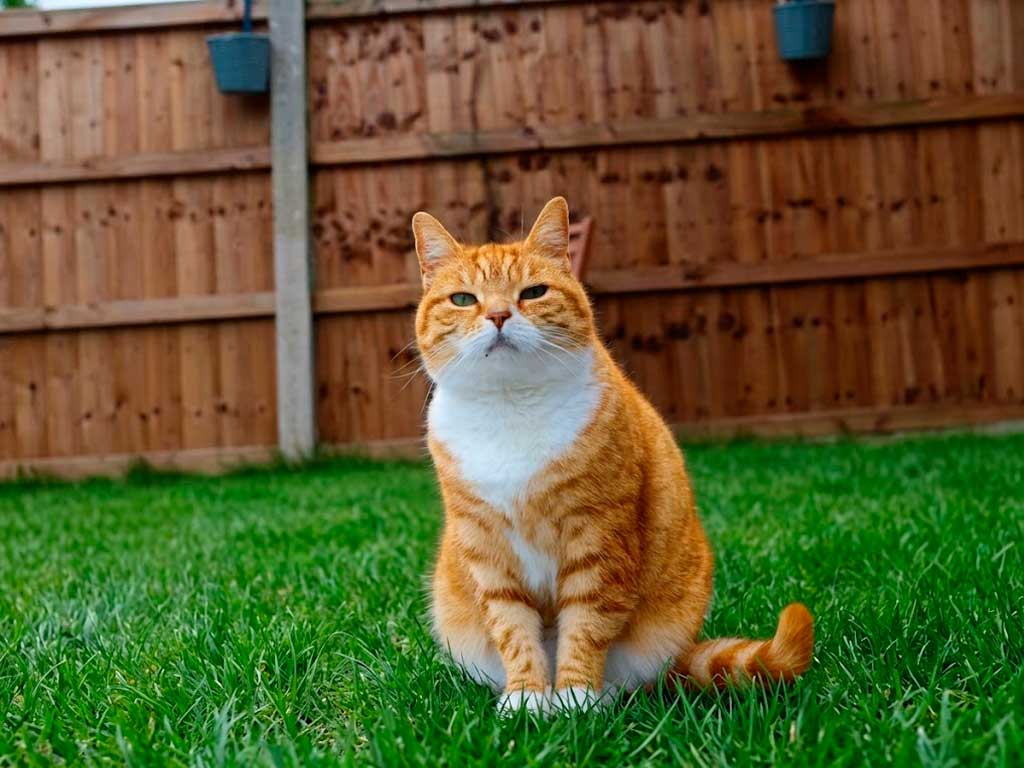
- Typical shades: Cream, ginger, deep orange
- Personality: Friendly, adaptable, easygoing
- Maintenance: Low; weekly brushing is enough
- Best for: First-time owners and busy households
Domestic Shorthairs remain the most common yellow cats worldwide, simply because they represent the largest population of mixed-breed cats.
2. Maine Coon
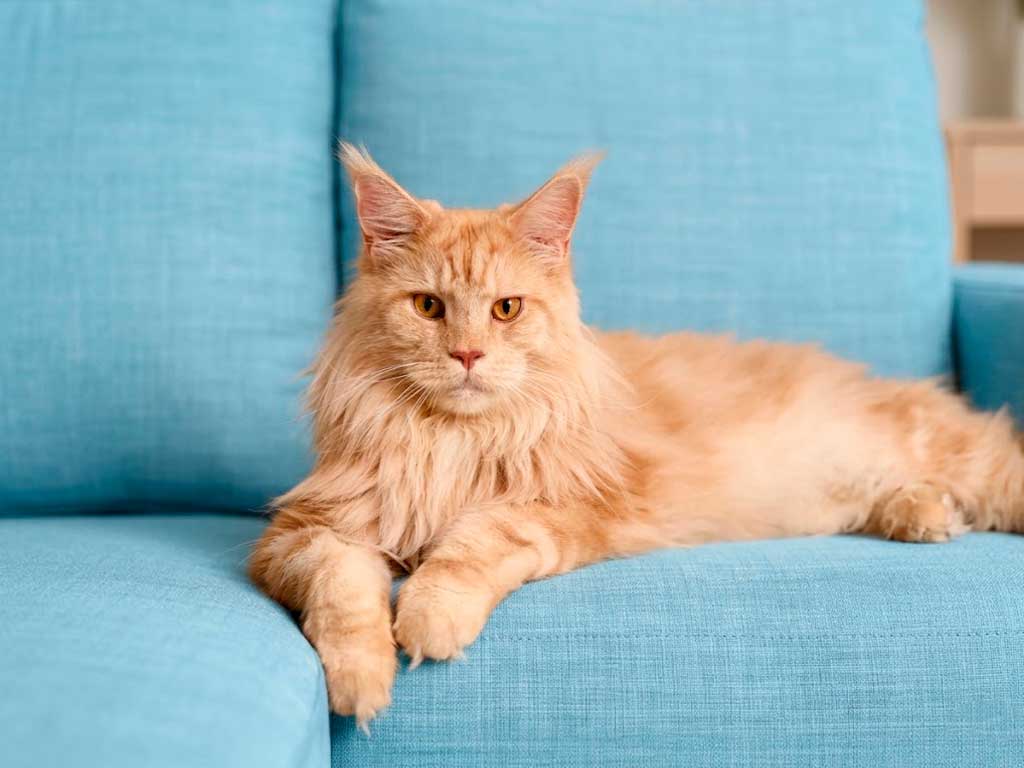
- Typical shades: Orange, cream, golden
- Personality: Gentle, affectionate, dog-like loyalty
- Maintenance: Moderate to high; frequent brushing prevents mats
- Best for: Families who want a large, patient companion
This gentle giant can weigh up to 18 pounds, so it needs sturdy scratching posts and climbing structures.
3. British Shorthair
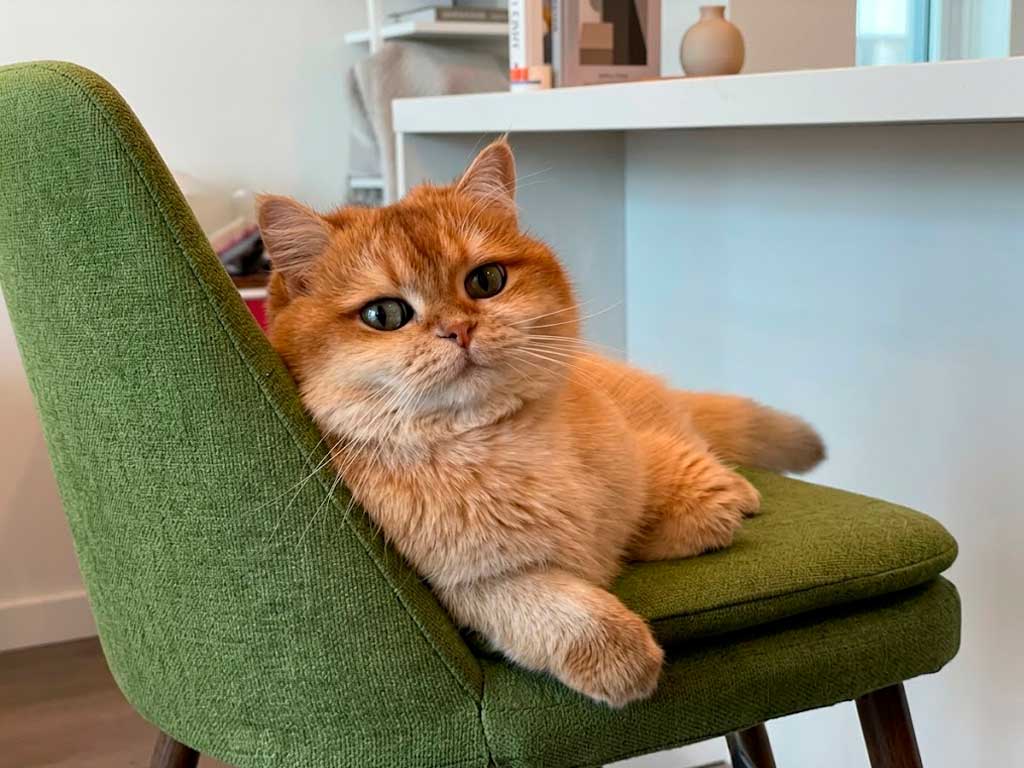
- Typical shades: Golden, cream
- Personality: Calm, independent, loyal
- Maintenance: Low; a plush, dense coat sheds moderately
- Best for: Owners who prefer a quieter, low-energy cat
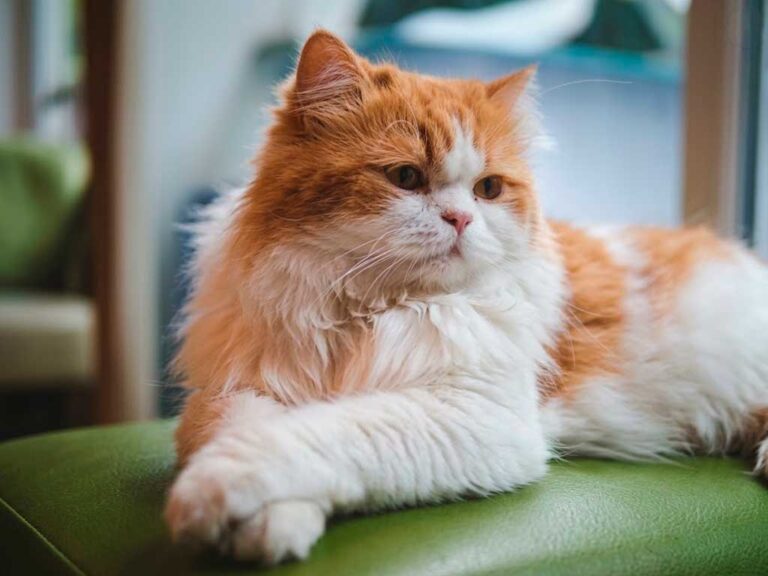
4. Persian
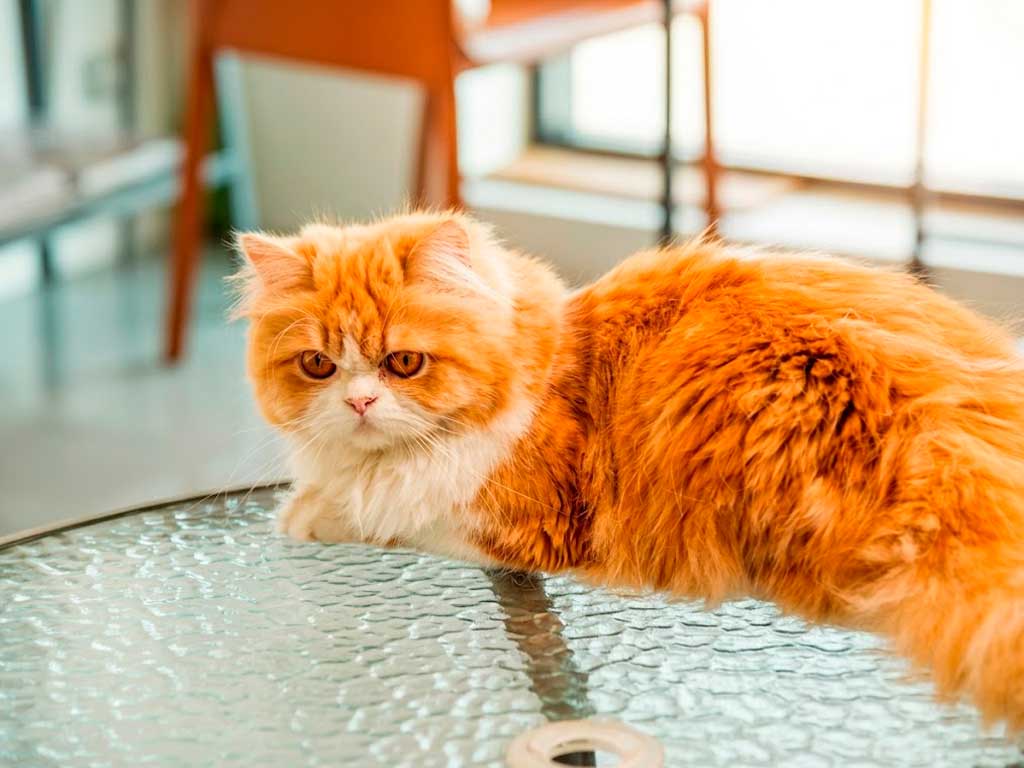
- Typical shades: Cream, deep golden
- Personality: Calm, gentle, people-pleasing
- Maintenance: High; daily brushing prevents painful mats
- Best for: Owners with time for a dedicated grooming routine
5. Abyssinian
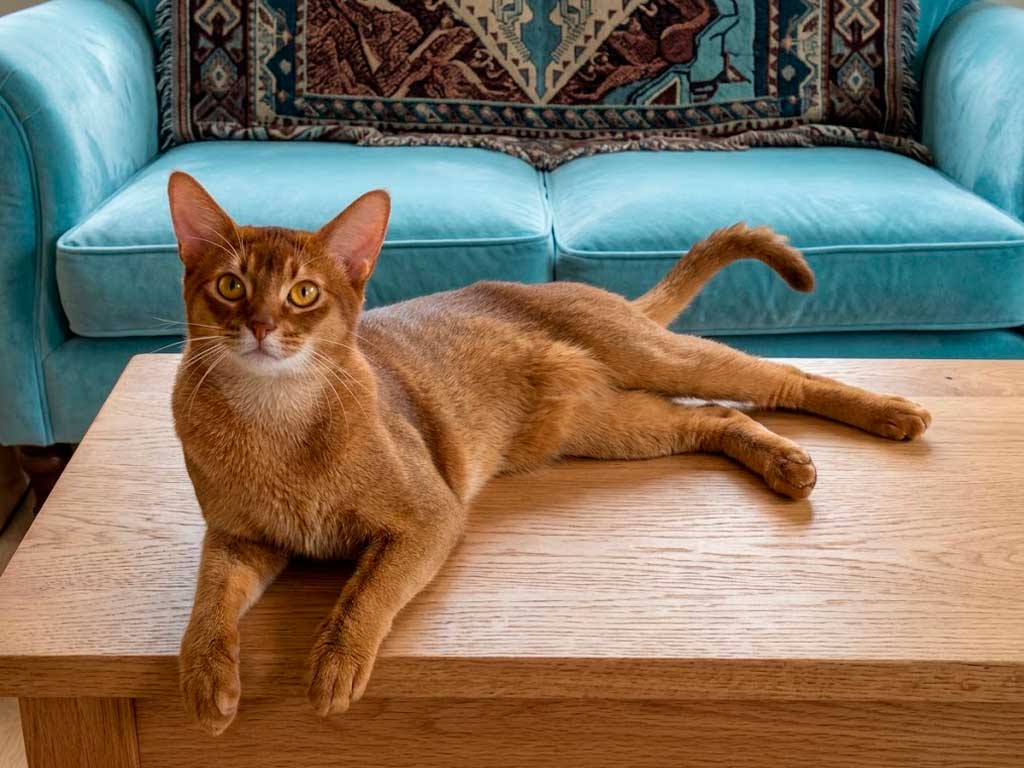
- Typical shades: Ruddy, warm orange-red
- Personality: Energetic, curious, highly social
- Maintenance: Low; short coat needs only occasional brushing
- Best for: Active households that enjoy interactive play
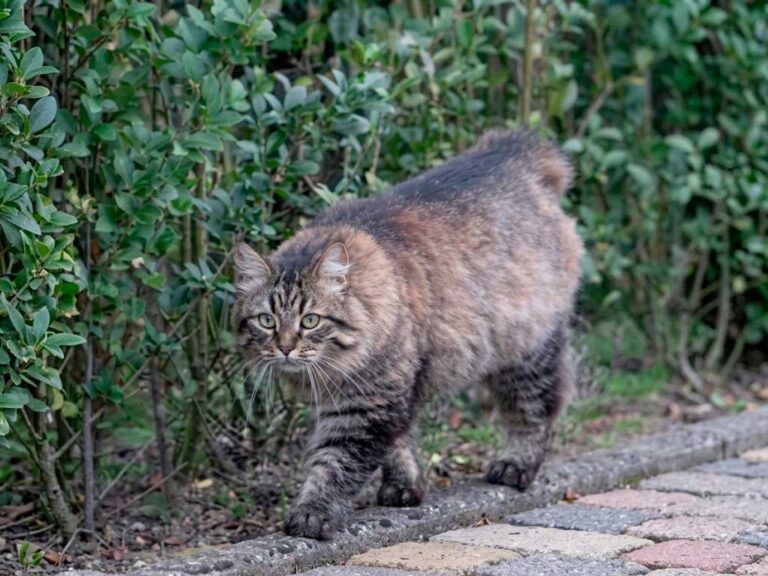
6. American Bobtail
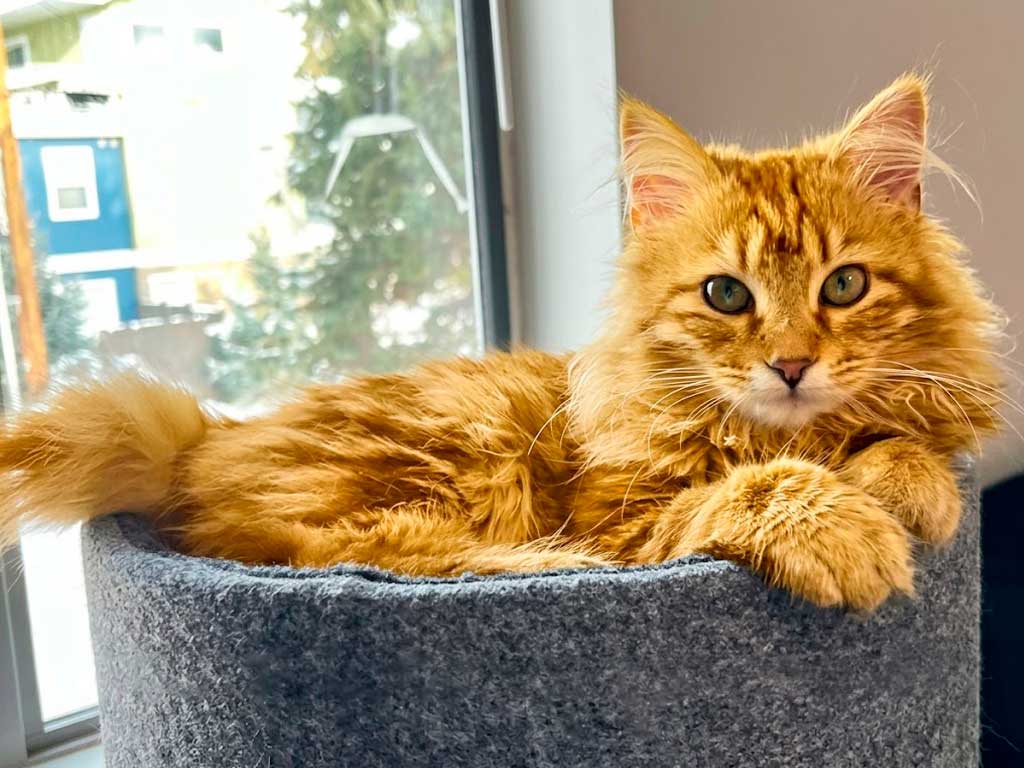
- Typical shades: Ginger, orange
- Personality: Playful, intelligent, dog-like in loyalty
- Maintenance: Moderate; regular brushing manages shedding
- Best for: Multi-pet homes, since bobtails get along well with others
7. Turkish Angora
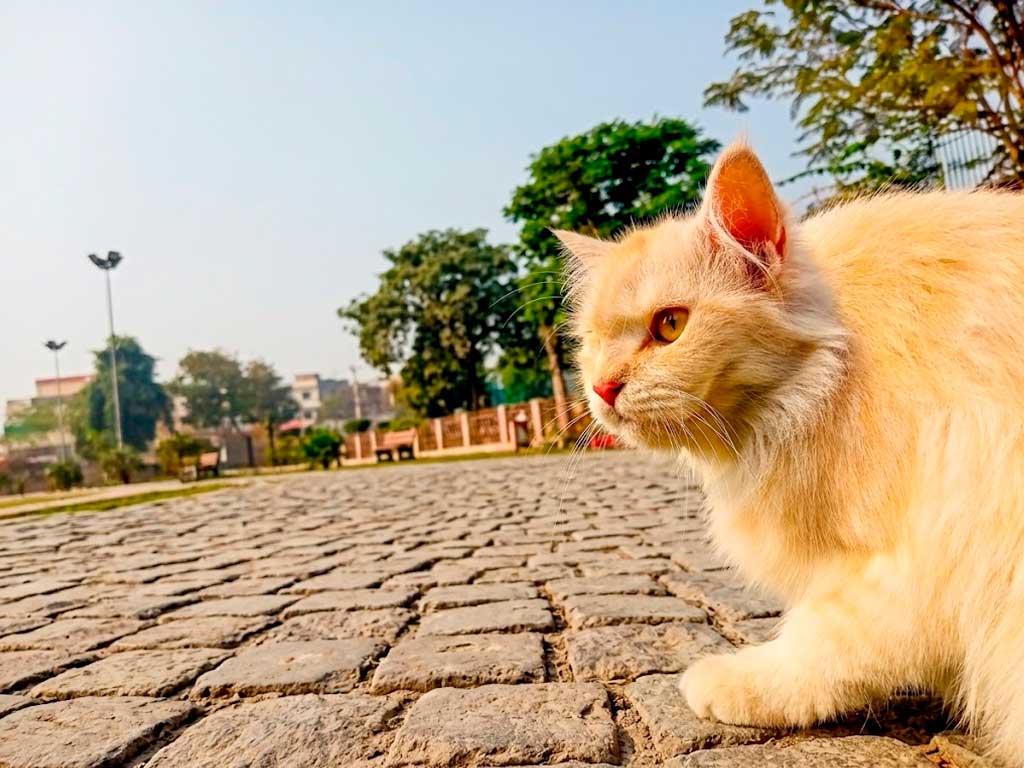
- Typical shades: Cream with orange markings
- Personality: Affectionate, curious, vocal
- Maintenance: Moderate; silky fur needs weekly brushing
- Best for: Owners who want an elegant, engaged companion
8. Munchkin
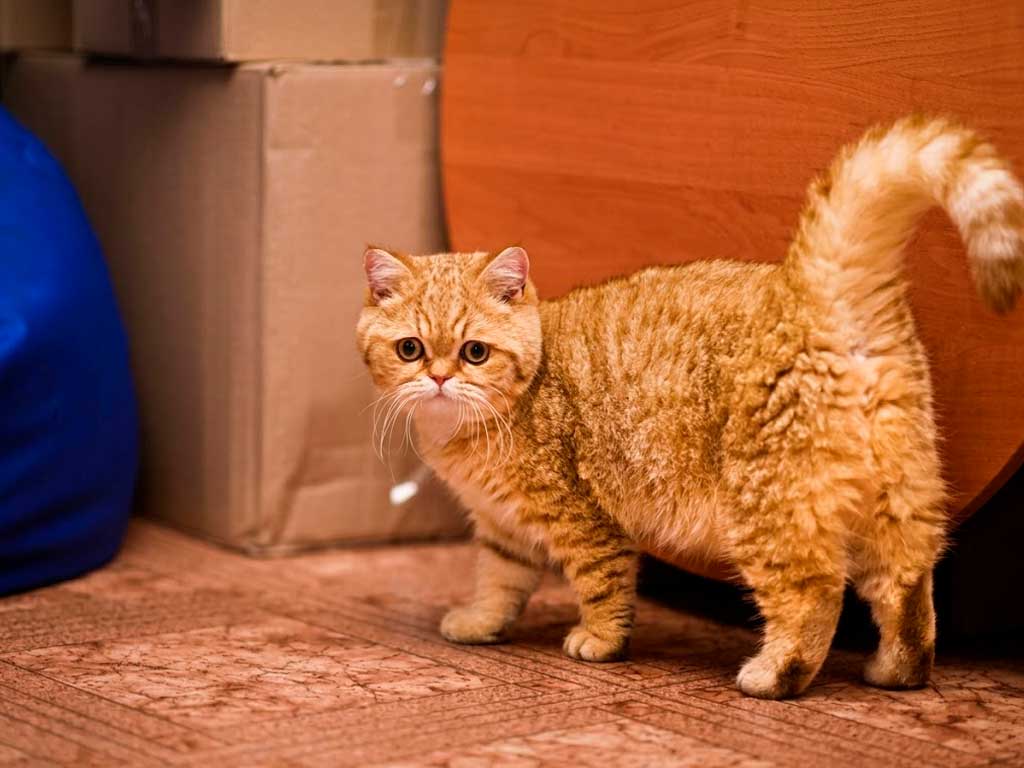
- Typical shades: Any shade, including orange and cream
- Personality: Playful, outgoing, endlessly curious
- Maintenance: Low to moderate, depending on coat length
- Best for: Owners who enjoy a small, energetic personality
9. Scottish Fold
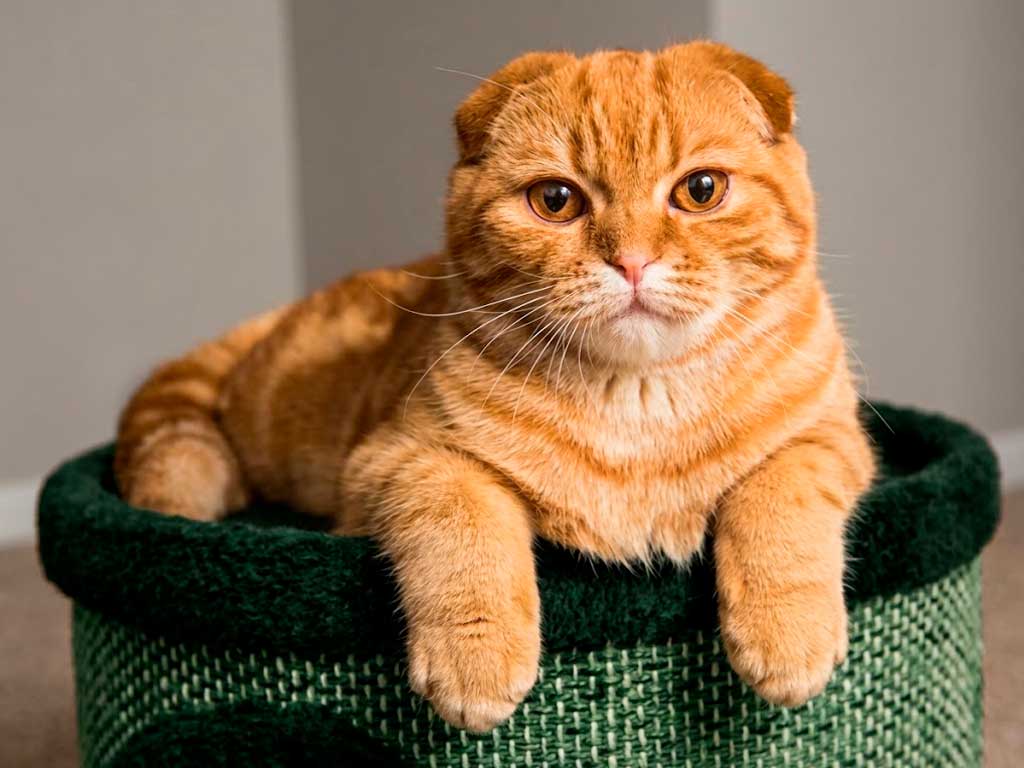
- Typical shades: Golden, cream
- Personality: Sweet-natured, adaptable, quiet
- Maintenance: Moderate; regular brushing and ear checks
- Best for: Calm households with children or other pets
10. Devon Rex
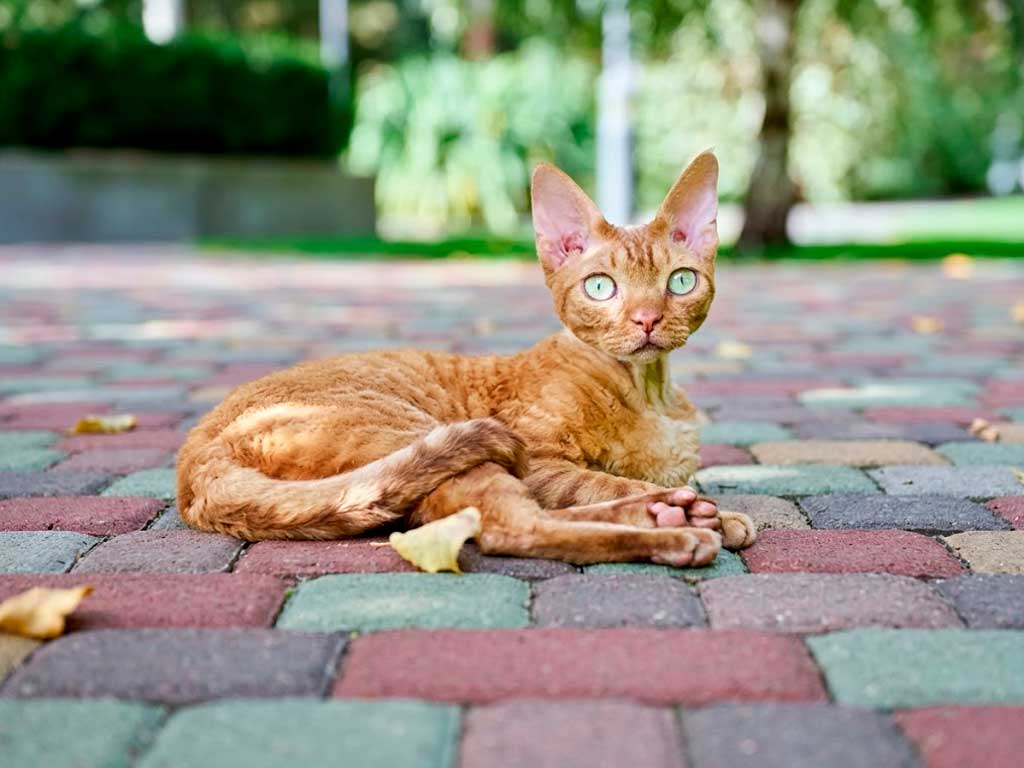
- Typical shades: Cream, ginger, golden
- Personality: Mischievous, social, attention-loving
- Maintenance: Low, but oily skin needs occasional bathing
- Best for: Owners who want a playful, people-focused cat
No matter the breed, a healthy, well-socialized cat matters far more than coat color. Whenever possible, check local shelters first. Many wonderful yellow cats, including purebreds, end up waiting for adoption.
What Do Yellow Cat Eye Colors Mean?
Eye color develops independently from coat color, though certain shades appear together more often than not. Yellow cats commonly show:
- Golden eyes
- Amber eyes
- Copper eyes
- Green eyes
- Hazel eyes
Amber and copper tones are especially common in orange-coated cats because the same pigment pathways influence both traits.
It’s worth knowing the difference between a naturally golden iris and a genuine health warning. Jaundice, also called icterus, turns the whites of the eyes and the gums yellow rather than the iris itself. That discoloration signals a liver or blood problem, not a normal eye color, and it is worth reading the full signs in our guide to liver disease in cats.
Health Disclaimer: This article is for educational purposes only and doesn’t replace professional veterinary advice. If your cat’s eye whites, gums, or ear tips turn yellow, contact a veterinarian promptly, since jaundice can indicate a serious underlying condition.
Yellow Cat Personality: Friendly, Curious, and Smart
Ask ten cat owners to describe a yellow cat, and you’ll likely hear the same words: friendly, playful, talkative, and affectionate. Personality depends on many factors, yet orange and yellow cats have earned a reputation for being especially social.
Scientific evidence remains limited, but behavioral surveys consistently show that owners perceive yellow cats as outgoing companions. Coat color alone doesn’t determine temperament. A cat’s personality develops through genetics, early socialization, environment, and daily experiences.
Friendly and People-Oriented
Yellow cats often enjoy human interaction more than people expect. Instead of hiding from visitors, many confidently investigate new faces and become the center of attention.
This confidence makes them excellent companions for:
- Families with children
- First-time cat owners
- Homes with frequent visitors
- Multi-pet households
Highly Curious
Curiosity shows up constantly in yellow cats. You’ll often catch them exploring every room, climbing furniture, or watching birds from a window. Providing safe outlets for that curiosity helps prevent boredom and destructive habits.
Intelligent Problem Solvers
Curious and social behavior like this is not unique to coat color, but it lines up with what we cover in our broader look at how cats understand us. Many yellow cats quickly learn routines and solve simple puzzles. Because they’re often food-motivated, positive reinforcement works particularly well. Short, reward-based training sessions can teach tricks like sitting, coming when called, or walking comfortably in a harness.
Caring for a Yellow Cat
Although coat color doesn’t change a cat’s care needs, every yellow cat still benefits from a routine that supports physical and emotional health.
Diet and Nutrition
A balanced diet remains the foundation of long-term health. Choose food appropriate for your cat’s age, weight, activity level, and any existing health condition. Fresh water should always be available, and overfeeding is a common risk for indoor cats with limited exercise. Consult your veterinarian before making major dietary changes.
Exercise and Enrichment
Yellow cats tend to be energetic, especially at dawn and dusk. Aim for at least two interactive play sessions daily using wand toys, feather teasers, or puzzle feeders.
Indoor cats also thrive with environmental enrichment, including:
- Cat trees and window perches
- Scratching posts
- Hiding boxes and climbing shelves
Rotating toys every few days keeps the environment interesting without constant new purchases.
Grooming Needs
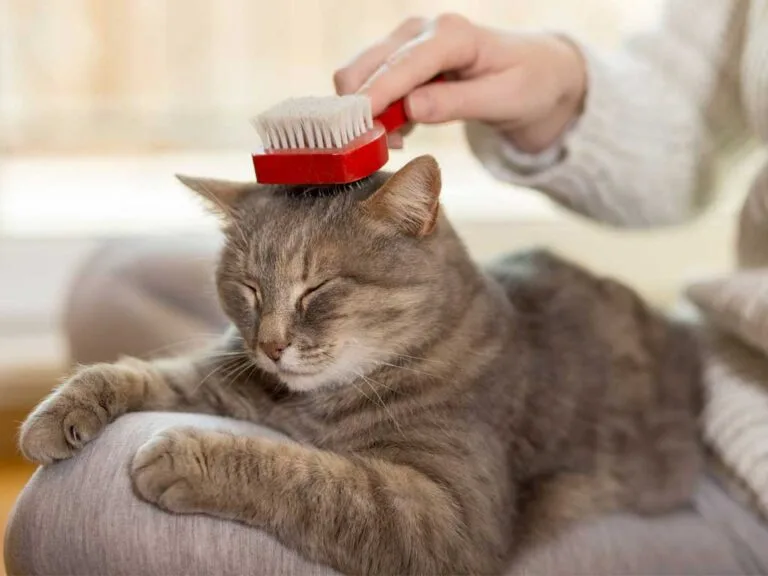
Most yellow cats have short coats that need minimal upkeep. Brushing once or twice weekly removes loose hair, reduces hairballs, and strengthens your bond. Long-haired breeds like the Maine Coon or Persian need more frequent brushing to prevent mats.
Are Yellow Cats Healthier Than Other Cats?
No scientific evidence suggests coat color affects overall health. Instead, wellbeing depends on genetics, nutrition, preventive veterinary care, vaccinations, and dental hygiene.
Yellow cats can develop the same conditions seen in any domestic cat, including obesity, dental disease, kidney disease, arthritis, and hyperthyroidism in senior years. Early diagnosis through routine veterinary exams greatly improves treatment outcomes.
Health Disclaimer: This article is for educational purposes only and should not replace professional veterinary advice. If your cat shows signs of illness, consult a licensed veterinarian promptly.
Indoor vs. Outdoor Life
Many owners wonder whether a yellow cat should be allowed outside. For most pets, an indoor lifestyle offers far better protection against traffic accidents, predators, parasites, and infectious disease.
If your cat enjoys the outdoors, consider safer alternatives such as a secure catio, supervised leash walks, or an enclosed garden. These options provide enrichment while minimizing risk.
Fun Facts About Yellow Cats
Yellow cats have inspired myths, artwork, and internet culture for generations. Here are a few highlights:
- Around 75% to 80% of orange cats are male.
- Every yellow cat is genetically a tabby, even when stripes appear faint.
- The forehead “M” marking is one of the easiest ways to recognize a tabby.
- Their color comes from pheomelanin, the same pigment responsible for red hair in humans.
- Famous fictional cats like Garfield helped popularize the image of the lazy but lovable orange cat.
Choosing the Right Yellow Cat
If you’re considering a yellow cat, focus on temperament rather than coat shade alone. A healthy, well-socialized cat that matches your lifestyle matters far more than finding a specific tone of orange.
Before bringing one home, ask about medical history, vaccination records, and experience with children or other pets. Whenever possible, adopt from a reputable shelter or rescue rather than buying from a breeder. Shelters consistently have orange and yellow cats of every age looking for a home.
A yellow cat can become an affectionate companion for 15 years or more with proper care and attention.
Frequently Asked Questions About Yellow Cats
A yellow cat is much more than a beautiful coat color. Behind those warm golden shades lies a genuine mix of genetics, behavior, and history that has captivated cat lovers for generations.
If you’re ready to bring one home, start with your local shelter. Adopting a healthy, well-socialized cat whose temperament matches your lifestyle will do more for your happiness together than any specific shade of orange.
For more feline behavior and care guides, explore the rest of the cat section on Happy Pet Zone.