
First-Time Ferret Owner? Here’s What You Actually Need to Know
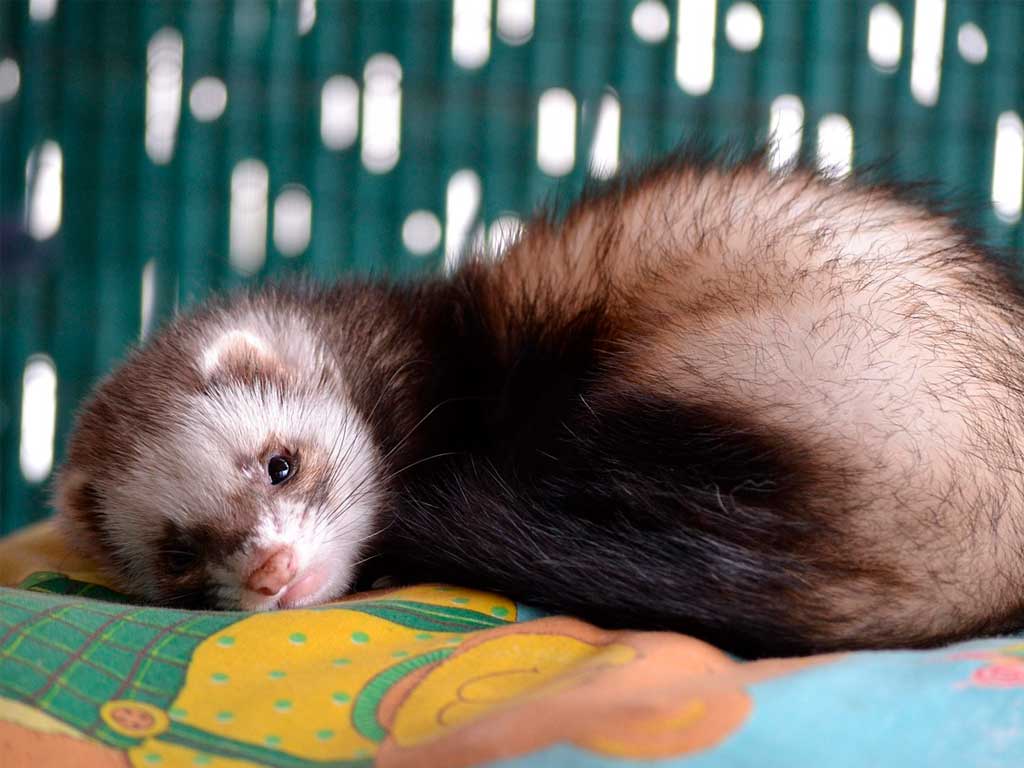
If your kids just asked for a ferret, here’s what every first-time ferret owner needs to know before saying yes. These little guys are funnier and smarter than most people expect. They’re also more work than the pet store will tell you.
Ferrets aren’t hamsters with longer bodies. They’re carnivores with the energy of a toddler on sugar, and they come with real costs, real space needs, and a few health risks you should know upfront. Here’s the nobody-tells-you-this stuff, laid out simply.
Quick Facts
- Lifespan: 6-8 years on average, up to 14 with good genetics and care
- Adult weight: 1.5-4 pounds, males larger than females
- Diet: Obligate carnivore, needs a meat-based commercial ferret food
- Social needs: Do best in pairs or small groups, not alone
- Daily exercise: At least 3-4 hours outside the cage
- Legal status: Illegal in some cities and states, always check first
Getting Started: What You’ll Need
Before you bring one home, get the basics sorted. Keep it simple and don’t overspend on gimmicky starter kits.
- A multi-level cage, at least 24″ long x 24″ wide x 36″ high
- A water bottle and a heavy ceramic food bowl that won’t tip
- Hammocks, tunnels, and a few soft hiding spots
- High-quality commercial ferret food, not cat food
- A litter box, ferrets can learn to use one fast
- Chew-proof toys made of hard rubber or fabric, nothing with foam
Bottom line: the cage everyone sells as a “complete kit” is almost always too small. Buy bigger than you think you need.
Daily Care: Cage, Playtime, and Diet
Ferrets need several hours outside the cage every single day. Skip this and you’ll end up with a bored, destructive pet.
Ferret-proof the room first. Block gaps behind furniture, seal vents, and check the washing machine before you close it. If a ferret can fit its head through a hole, the rest of the body follows.
Feed a commercial ferret diet as the base. Their digestive system is short, so they need small, frequent meals throughout the day. Skip sugary treats, dairy, and anything with high carbs, their bodies just aren’t built for it.
Living With Other Pets (and Other Ferrets)
Here’s what nobody tells you before you buy one: a single ferret gets lonely fast. Most experts recommend keeping two or more together, since they genuinely thrive on the company of their own kind.
Dogs and cats can work too, if you introduce them slowly and always supervise. What won’t work is mixing a ferret with a rabbit, hamster, guinea pig, or bird. Ferrets are natural predators of small prey animals, and that instinct doesn’t switch off just because you love all your pets equally.
My kids’ guinea pigs, Waffle and Pretzel, never once shared a room with our old rescue ferret. That wasn’t a risk worth taking, and it shouldn’t be one you take either.
Spaying, Neutering, and the Odor Question
Sterilization isn’t optional here, it’s a health requirement. Unspayed female ferrets can develop a fatal blood condition if they stay in heat too long without breeding.
Neutering males cuts down on the strong musky smell and reduces aggressive, territorial behavior. Most ferrets sold in the US already arrive spayed or neutered and de-scented, but always confirm with the seller or shelter.
Even after de-scenting, ferrets keep a faint musky odor. That’s normal, not a sign something’s wrong. A weekly cage cleaning and an occasional bath with a gentle ferret shampoo keeps things manageable.
Health Watch: What Every First-Time Ferret Owner Should Know
Ferrets are prone to a few specific health issues that first-time owners often miss. Knowing the warning signs early can make a real difference.
- Adrenal gland disease: Common in ferrets over 3 years old, watch for hair loss and itchy skin
- Insulinoma: A pancreatic tumor common in ferrets aged 2-8, look for weakness, lethargy, or collapse
- Hypoglycemia: Ferrets have fast metabolisms and can crash quickly if underfed
- Heatstroke: Keep their environment below 90°F (32°C), they overheat easily
Not every vet treats ferrets, since they’re considered exotic pets in most clinics. Find an exotic-animal vet before you bring one home, not after something goes wrong.
This article shares general care information and isn’t a substitute for veterinary advice. If your ferret shows any of the symptoms above, get it checked by a professional right away.
Ferret vs. Guinea Pig: Which Fits Your Family?
Families often cross-shop ferrets against other small pets. Here’s how they stack up on the basics.
| Ferret | Guinea Pig |
|---|---|
| Carnivore, needs meat-based food | Herbivore, needs hay and fresh veggies |
| 3-4 hours outside cage daily | Cage time can be longer, less roaming needed |
| Best kept in pairs, high energy | Also social, but calmer temperament |
| Lifespan 6-8 years | Lifespan 4-8 years |
If your family wants a calmer first pet, our guide to hamster care breaks down an easier starting point for younger kids.
Mistakes to Avoid
- Buying a cage that’s too small because it looked fine in the store
- Skipping the exotic vet search until there’s already a problem
- Getting just one ferret and expecting it to be happy alone
- Feeding cat food instead of a real ferret-formula diet
- Assuming the musky smell means something is wrong
- Leaving foam, rubber, or plastic toys within chewing reach
Frequently Asked Questions (FAQ)
Can I own just one ferret?
You can, but most ferrets do better with a companion. A lone ferret needs a lot more daily attention from you to stay happy.
Do ferrets smell bad if neutered?
Neutering reduces the smell a lot, but a faint musky odor is still normal. Regular baths and cage cleaning keep it under control.
How much does a ferret cost per year?
Between food, vet visits, and supplies, budget a few hundred dollars a year at minimum. Vet care for exotics tends to cost more than routine cat or dog visits.
Are ferrets legal everywhere?
No. Some cities and states restrict or ban ferret ownership. Check your local laws before you adopt.
How long do pet ferrets live?
Most live 6-8 years, and some reach 14 with excellent genetics and care. That’s a longer commitment than many first-time owners expect.
Can ferrets live with cats or dogs?
Often yes, with slow introductions and supervision. They should never be left alone with rabbits, hamsters, guinea pigs, or birds.
What do ferrets eat?
A high-quality commercial ferret food formulated for their carnivore diet. Small, frequent meals work better than one or two big ones.
How many hours a day do ferrets need out of their cage?
Plan for at least 3-4 hours of supervised playtime daily. Less than that and boredom turns into destructive behavior fast.
Are ferrets good pets for kids?
They can be, especially with older, gentle children and adult supervision. Ask your vet first if you have very young kids at home.
What health problems are common in older ferrets?
Adrenal gland disease and insulinoma are the two to watch for after age 2-3. Regular vet checkups catch both early, when they’re most treatable.
Keep it simple: research the cage size, find your exotic vet, and plan for two ferrets instead of one. Get those three things right and you’re most of the way to a happy, healthy pet.