Is Your Cat Silently Suffering? Recognizing the Signs of Liver Disease
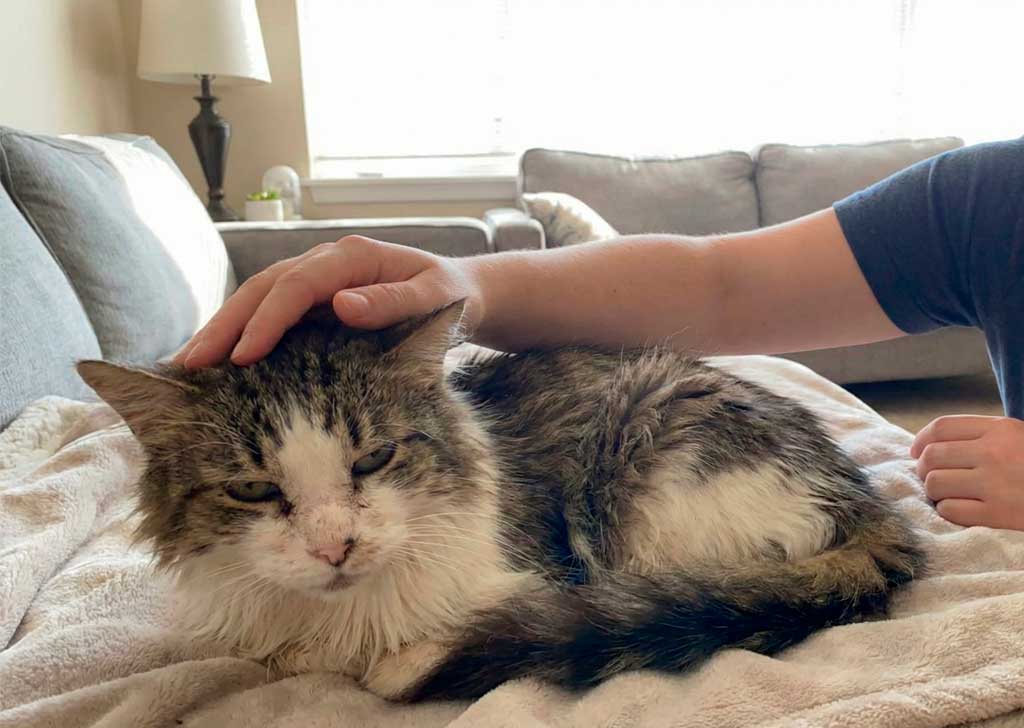
As cat parents, we know our feline friends are masters at hiding discomfort. In the wild, showing weakness makes you a target, and our domestic cats have kept that survival instinct sharp. This is especially true when it comes to liver disease in cats.
Unlike a broken paw or a visible wound, liver issues brew beneath the surface. While a veterinarian uses blood tests to check enzyme levels and bilirubin, you are the first line of defense at home.
Recognizing the early warning signs, understanding what causes liver disease, and knowing what treatment actually looks like can be the difference between a manageable condition and a life-threatening crisis.
Quick Facts: Liver Disease in Cats
- Most common cause: Hepatic lipidosis (fatty liver disease), often triggered by sudden loss of appetite
- Classic warning sign: Jaundice — a yellow tint to the eyes, gums, or skin
- Diagnosis: Bloodwork (liver enzymes, bilirubin), often followed by ultrasound or biopsy
- Early-stage prognosis: Many cases are reversible with prompt treatment
- Emergency signs: Disorientation, staggering, or seizures require immediate veterinary care
The General Signs: When “Just a Bad Day” Becomes a Pattern
In the early stages, liver dysfunction often mimics other minor ailments. However, if you notice a combination of these “non-specific” symptoms, it’s time to pay close attention.
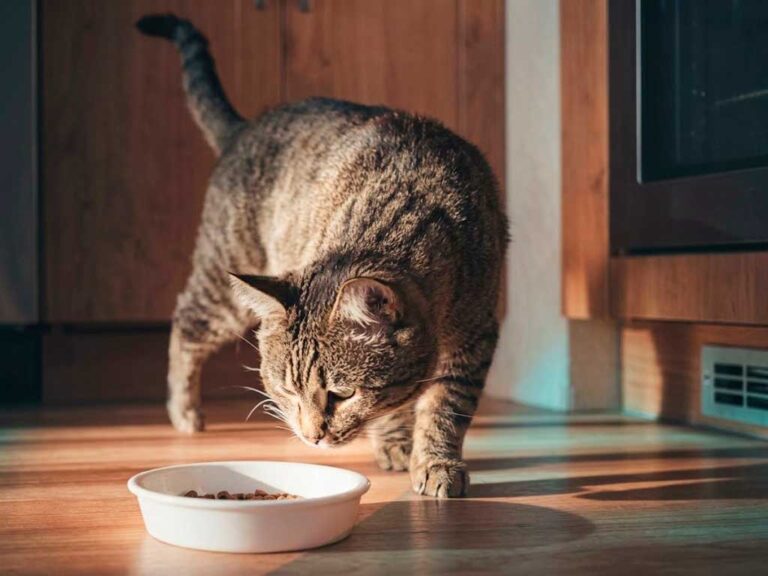
- A Loss of Appetite and Weight Loss: One of the first things to notice in cats with liver issues is a sudden apathy toward the food bowl. They may become “picky” or stop eating entirely (anorexia). You’ll see their ribs or hips becoming more prominent, and their belly may look “tucked up.”
- The “Sad Face” and Lethargy: A cat with a struggling liver often looks genuinely depressed. Because the liver isn’t filtering toxins properly, those toxins can build up in the bloodstream, leading to a “neurotoxic” effect. This makes them sleepy, sluggish, and generally “out of it.”
- Poor Coat Condition: A healthy cat is a clean cat. If your kitty stops grooming and their fur starts looking greasy, clumped, or unkempt, it’s a major red flag that they don’t feel well enough to maintain themselves.
- Digestive Upset: Frequent vomiting or diarrhea, or both, are common indicators that the metabolic system is failing — though persistent digestive upset is also worth ruling out against simpler causes like intestinal parasites.
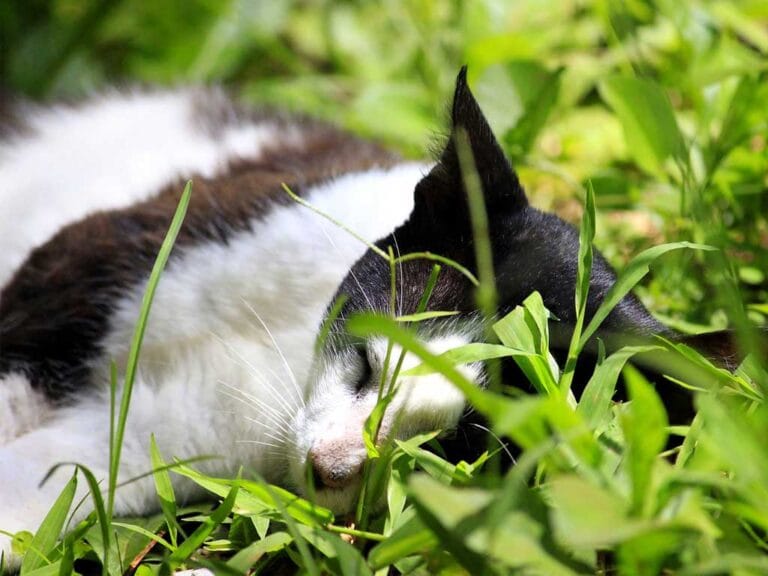
- Social Withdrawal: When cats feel vulnerable, they hide. If your normally social cat is suddenly spending all their time under the bed or in the back of a closet, they are telling you something is wrong.
What Causes Liver Disease in Cats?
Feline liver disease isn’t one single condition — it’s an umbrella term covering several distinct problems, and knowing the cause matters for treatment.
- Hepatic lipidosis (fatty liver disease, covered in a deep dive on hepatic lipidosis): The most common form in cats, often triggered when an overweight cat suddenly stops eating for any reason, even unrelated stress. Fat gets mobilized to the liver faster than it can process it.
- Cholangitis: Inflammation of the bile ducts, sometimes linked to bacterial infection or, in cats, frequently tied to inflammatory bowel disease and pancreatitis together (a combination vets call “triaditis”).
- Toxin exposure: Certain human medications (acetaminophen is highly toxic to cats), some plants, and household chemicals can cause acute liver damage. If you suspect poisoning, our emergency guide to cat poisoning covers what to do in the first few minutes.
- Infectious disease: Conditions like FIP (Feline Infectious Peritonitis) can affect the liver among other organs.
- Cancer: Liver tumors, whether originating there or spread from elsewhere, are more common in older cats.
- Chronic conditions: Diabetes and long-term obesity increase the risk of liver complications over time.
Specific Red Flags: Clear Indicators of Liver Trouble
While the signs above could point to many issues, the following symptoms are much more specific to hepatic (liver) failure. If you see these, consult a veterinarian immediately.
1. Jaundice (Ictericia)
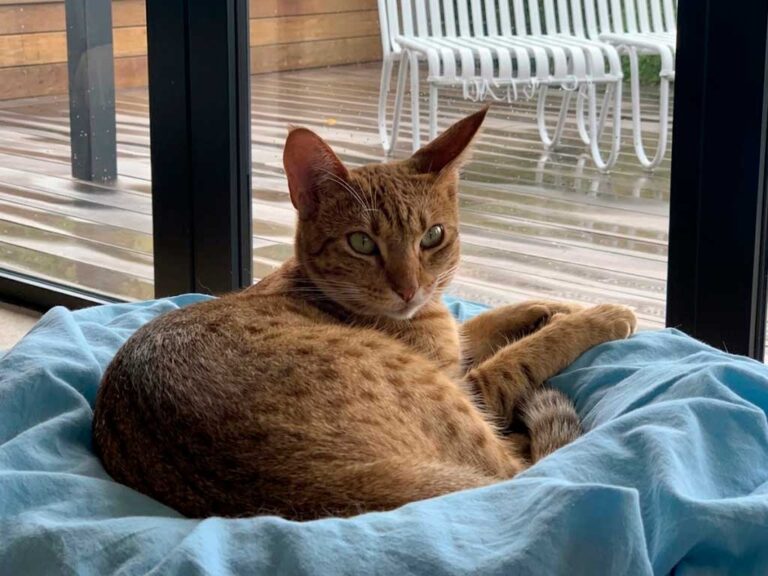
This is perhaps the most famous sign. If you gently lift your cat’s lip or look at the whites of their eyes, you might notice a yellowish tint. It’s not always a bright “highlighter” yellow; sometimes it’s a subtle, sickly pale gold. This happens when the liver can’t process bilirubin. Do not confuse this with a naturally golden-eyed cat, though, since coat and eye color genetics are a completely different story, covered in our yellow cat guide.
2. Excessive Drooling (Ptyalism)
In cats, excessive drooling is often linked to hepatic encephalopathy. This occurs when toxins (like ammonia) reach the brain, affecting their cognitive system. The cat may lose the muscle coordination to swallow or close their mouth properly, leading to constant “leaking” of saliva.
3. Increased Thirst and Urination
You might notice the water bowl emptying faster or find your cat urinating outside the litter box. When the liver fails, the kidneys often try to compensate, or the metabolic shifts simply trigger an unquenchable thirst.
4. Fluid in the Abdomen (Ascites)
In advanced cases, if you pick up your cat and their belly feels “heavy” or “liquid,” as if they have a water balloon inside, this is often ascites. While this can also be a sign of FIP, it is a classic hallmark of severe liver damage.
5. Poor Wound Healing and Bleeding
The liver is responsible for producing clotting factors. If your cat gets a tiny scratch that won’t stop bleeding, or a small wound that refuses to scab over and heal, their liver may be failing to produce the “glue” needed to fix the body.
General vs. specific signs, at a glance:
| Type | Examples | What It Means |
|---|---|---|
| General (non-specific) | Appetite loss, lethargy, poor coat, hiding | Early warning; could point to several conditions |
| Specific (liver-related) | Jaundice, drooling, ascites, poor clotting | Strongly suggests liver involvement; see a vet promptly |
A Note on Safety: This guide is for educational purposes and doesn’t replace professional veterinary advice. If your cat is staggering, disoriented, or having seizures, these are signs of critical toxin buildup in the brain. Please seek emergency veterinary care immediately.
How Vets Diagnose and Treat Liver Disease
A vet typically starts with bloodwork to check liver enzymes (ALT, AST) and bilirubin levels, since these numbers reveal how much strain the liver is under. Depending on the results, an ultrasound or biopsy may follow to pinpoint the exact cause.
Treatment depends heavily on the underlying condition:
- Hepatic lipidosis often requires aggressive nutritional support, sometimes through a temporary feeding tube, since getting calories in consistently is critical to recovery.
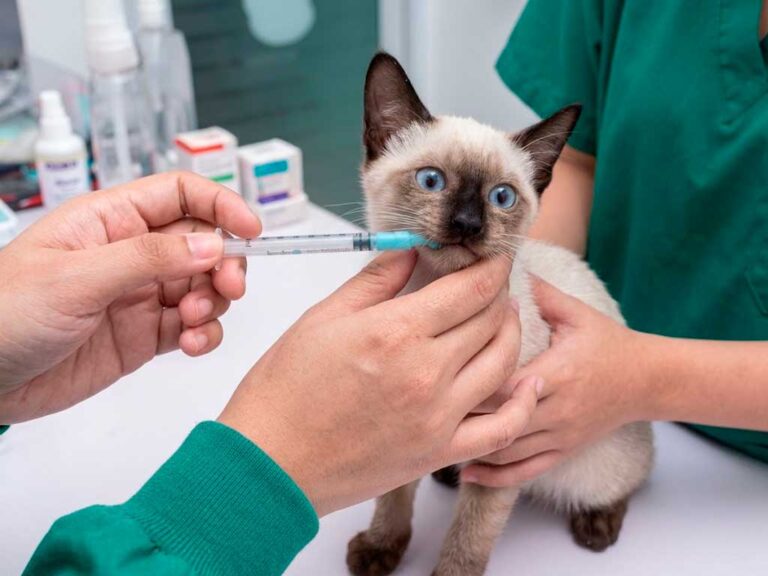
- Cholangitis or infection may call for antibiotics or anti-inflammatory medication.
- Toxin exposure needs immediate decontamination and supportive care at an emergency clinic.
- Chronic or cancer-related cases are managed with a combination of diet, medication, and regular monitoring rather than a single fix.

Happy Pet Zone may earn a commission when you click through to Lemonade, at no extra cost to you.
Catching It Early Matters: Prognosis and At-Home Care
It is heartbreaking to see our pets go through this, but there is hope. If we catch liver disease in the “general signs” phase, many conditions are reversible or at least manageable with the right diet and medication.
At home, keep a close eye on their habits, their coat, and their “sparkle.” Weigh your cat regularly if weight loss is a concern, and never withhold food from an overweight cat trying to lose weight without veterinary guidance, since that’s exactly the scenario that can trigger hepatic lipidosis. You know your cat better than anyone else — trust your gut if you feel something isn’t right.
Frequently Asked Questions
It is heartbreaking to see our pets go through this, but there is real hope. Catching liver disease early, understanding what triggers it, and knowing when to act can turn a frightening diagnosis into a manageable one. If you are trying to understand what elevated liver enzymes actually mean, or want to know exactly when general liver disease crosses into a true emergency, we cover both in detail in separate guides.