
Guide to Traveling Safely and Stress-Free with Your Pet in 2026
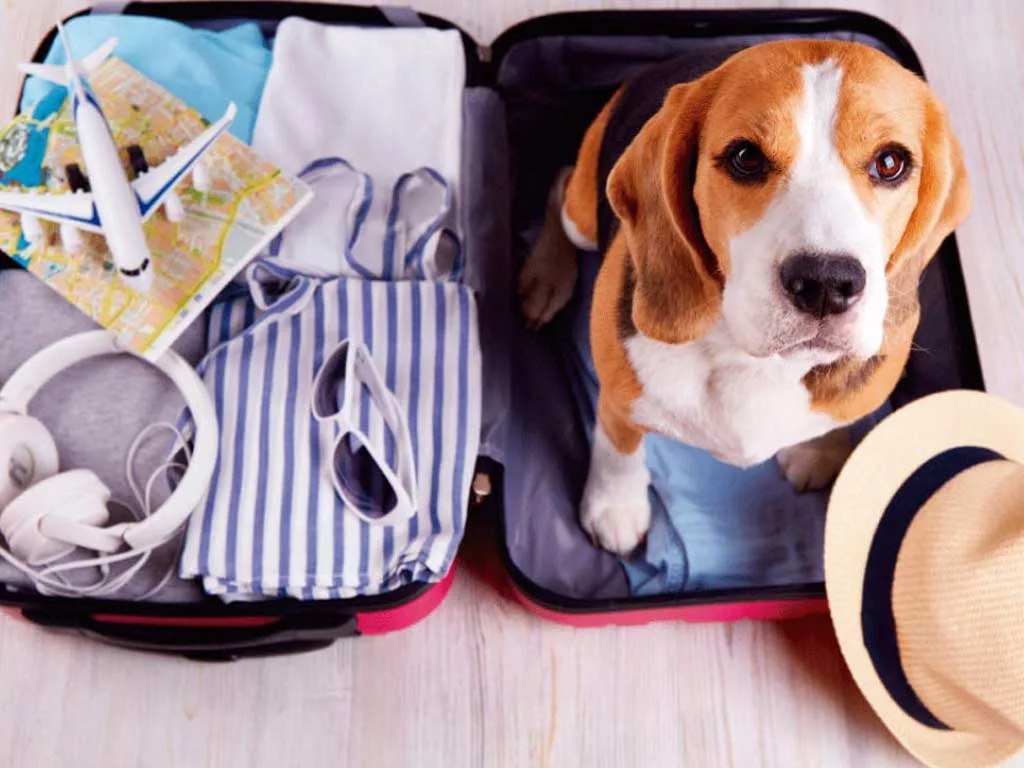
Traveling with pets can be an incredible experience, but it also comes with unique challenges. Whether you’re planning a short getaway or an international trip, preparing properly will ensure your adventure is fun and stress-free for both you and your furry friend.
In this guide, we’ll explain everything you need to know, from packing essentials to international documentation requirements most guides skip entirely.
Quick Facts: Traveling with Pets
- Book pet-friendly transport early: Airline pet spots are limited and fill up fast
- Rabies titer tests can take 3+ months to process for certain international destinations
- Microchipping is mandatory for pet entry into the EU, UK, and many other countries
- Car safety: Never leave a pet alone in a parked car, even briefly, in warm weather
- Stops every 2–3 hours on road trips keep pets hydrated and comfortable
Why Traveling with Your Pet in 2026 Is Easier Than Ever
- Technology for pet-friendly travelers: Apps that find pet-friendly hotels, and GPS trackers for emergencies.
- Improved transportation policies: Airlines and trains have adjusted their rules to be more inclusive of pets.
- A growing trend: More than 40% of pet owners now consider traveling with their animals an essential part of their vacations.
Quick tip: Before traveling, research the local pet policies at your destination. Some countries have strict regulations you need to know about well before you book.
How to Prepare for Traveling with Your Pet
The key to a successful trip is preparation. Here’s a step-by-step checklist.
Visit the Veterinarian
- General check-up: Ensure your pet is in good health before you commit to travel.
- Up-to-date vaccines: Some destinations require vaccination certificates, especially against rabies.
- Microchip and documentation: If your pet isn’t microchipped yet, do it well ahead of your trip. It’s mandatory in several countries.
Pack the Essentials
- Their regular food, enough for the entire trip.
- Collapsible bowls for food and water.
- Medications, if applicable.
- Their bed, blanket, or favorite toy to reduce stress.
- Waste bags and pet diapers, if traveling with puppies or older animals.
- Harness, leash, and tags with your contact information.
A well-stocked pet first aid kit deserves a permanent spot in your travel bag, not just at home, since minor injuries and stomach upsets are far more common away from your normal routine.
International Travel: Documentation Most Guides Skip
This is where most pet travel plans fall apart, not because owners are careless, but because the documentation timeline is longer than anyone expects.
- Rabies titer test (FAVN test): Countries like Japan, the UK, and Australia require proof of adequate rabies antibodies, and the blood sample has to be processed by an approved lab. This alone can take 3 to 4 months, so start the process at least 4 to 6 months before you travel.
- EU Pet Passport or health certificate: Required for entry into European Union countries, and it needs to be issued by an accredited veterinarian within a specific window before travel, often 10 days.
- USDA endorsement: For international flights departing the US, many countries require your health certificate to be endorsed by USDA APHIS, which has its own separate processing time.
- Quarantine requirements: Some countries, particularly island nations, still require a quarantine period on arrival regardless of documentation. Always verify current rules directly with the destination country’s official government site, since requirements change.
Transportation: How to Choose the Best Option for Your Pet
Traveling by Car
- Safety first: Use a crash-tested safety harness or a secured carrier to avoid distractions while driving.
- Frequent stops: Take breaks every 2 to 3 hours so your pet can stretch, hydrate, and relieve themselves.
- Never leave them alone: In warm weather, leaving your pet in a closed car, even briefly, can be fatal.
Traveling by Plane
- Research airline policies: Some allow pets in the cabin if they meet specific size, weight, and carrier requirements.
- Health certificates: Most airlines require proof that your pet is healthy and fit to fly, issued within a set window before departure.
- Get them used to the carrier: Before the trip, let your pet spend time in the carrier so it feels familiar rather than stressful.
Trains and Buses
- In Europe and many parts of the world, trains are pet-friendly, but policies vary by operator, so check specific rules in advance.
- Bring a blanket or cover to keep the seats clean and give your pet a familiar surface.
Comparing your transport options:
| Transport Mode | Best For |
|---|---|
| Car | Short to medium trips, maximum control over stops and comfort |
| Plane | Long distances, when the airline and carrier size requirements fit your pet |
| Train/Bus | Regional travel where pet policies are established and predictable |
Pet-Friendly Accommodations: Find the Perfect Place
Traveling with your pet can be a challenge if you don’t find suitable accommodations ahead of time. Fortunately, there are tools built specifically to make this search easier. BringFido, for example, is a widely used directory connecting pet owners with pet-friendly hotels, restaurants, parks, and trails around the world, alongside listings for licensed veterinarians, pet sitters, and groomers. It’s worth checking before you book anything, since “pet-friendly” can mean very different things from one property to the next.
Tips for Reducing Your Pet’s Stress During the Trip
- Familiar routines: Try to keep your pet’s eating, play, and rest schedules as consistent as possible.
- Pheromones or natural calming aids: Consult your vet about products that can help relax your pet during travel.
- Avoid sudden changes: Gradually introduce your pet to the travel environment instead of throwing them into it all at once.
If your pet already struggles with separation or gets anxious away from home, our guide on managing canine hyper-attachment and separation anxiety covers strategies that also help during travel-related stress.
What to Do in Case of an Emergency
- Locate local veterinarians: Before traveling, look up nearby vet clinics at your destination, not after something goes wrong.
- Pet insurance: Consider coverage that includes emergencies while traveling, since standard policies don’t always extend abroad.
- Pet first aid kit: Include gauze, disinfectant, scissors, and any medication your pet may need, packed and accessible, not buried in checked luggage.
Best Destinations for Traveling with Pets in 2026
- Italy: Many restaurants and parks welcome pets, and trains are often pet-friendly.
- Canada: Ideal for outdoor adventures with dogs, with extensive pet-friendly trail networks.
- Japan: Strict entry regulations, but luxury pet hotels and pet-friendly train travel once you’re there.
- United States: Cities like Austin and Portland are known for being especially easy to explore with pets.
Traveling with your pet takes some effort, but the rewards are worth it. Every destination becomes more memorable when shared with your companion. Plan ahead, prioritize your pet’s well-being and documentation timeline, and enjoy the journey knowing you’ve done the preparation that makes it genuinely stress-free.