Types of Pet Parrots: The Complete Guide to Choosing Your Companion Bird

There are hundreds of types of pet parrots, and picking the wrong one is one of the most common reasons birds end up in rescue. Some species want constant conversation and a flock of humans around them all day. Others are perfectly happy watching the room from a perch, chiming in only when something interesting happens.
Getting that match right, before you bring a bird home, is what makes the difference between a companion for thirty years and a bird nobody quite knows what to do with.
This guide breaks parrots down by size, noise level, and how much experience they demand, so you can match a species to your home instead of falling for a pretty photo. We’ll also cover what a parrot costs once you add cage, toys, and food to the price tag, and why the source you buy from matters just as much as the species itself.
How to Choose the Right Type of Parrot for Your Home
Size doesn’t predict how much work a parrot is. A tiny parrotlet can be just as demanding as a full-grown Amazon, and a budgie left alone all day will scream for attention louder than most macaws ever do.
Four questions narrow the field fast: How much noise can your household tolerate? How much space do you have for a cage a bird can stretch its wings in? Do you want a species known for talking, or are you fine with whistles and chatter? And how many years are you ready to commit to, since a well-cared-for macaw or African grey can easily outlive the person who bought it?
Renters and apartment dwellers should weigh noise before anything else. A budgie or a cockatiel rarely bothers neighbors through a shared wall, while a cockatoo’s contact call can carry across a parking lot. Some owners solve this by choosing a quieter species; others soundproof a bird room. Either way, it’s worth deciding before the bird arrives, not after the first noise complaint.
Answer those questions honestly before you look at a single bird. It’s a small thing, but it matters: a parrot that doesn’t fit your life doesn’t become easier to manage later. It usually gets rehomed.
Large Parrot Species for Experienced Owners
Macaws, cockatoos, African greys, Amazon parrots, and eclectus parrots all belong in this group, and none of them are a good first bird.
- Macaws are the showstoppers of the parrot world, with wingspans that can stretch past three feet on the largest species like the hyacinth. They’re loud, they’re strong enough to snap a broom handle, and they bond hard with their people. A macaw that isn’t given enough to chew on will find something in your house to destroy instead.
- Cockatoos may be the neediest parrots kept as pets. Watch closely and you’ll notice how quickly a cockatoo tries to become part of every activity in the room. They crave physical affection to an extent that surprises new owners, and that need can tip into feather-plucking or screaming if it isn’t met consistently.
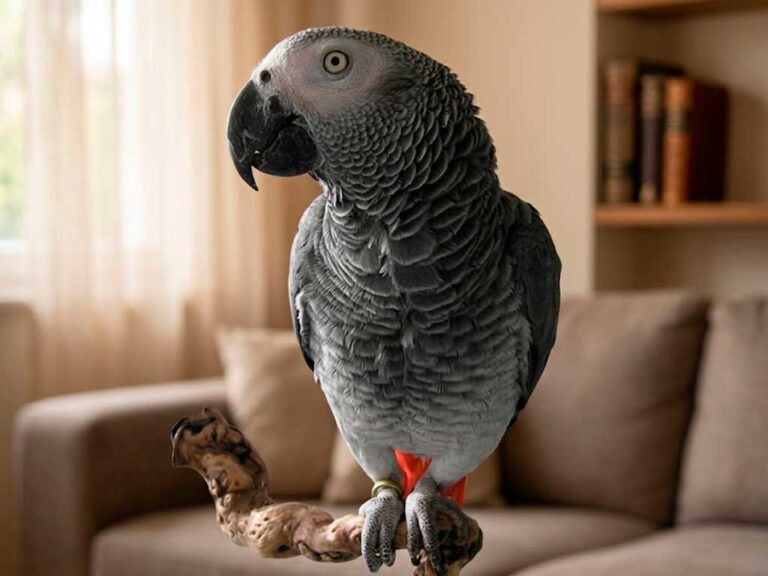
- African grey parrots are famous for a reason. Their talking ability and problem-solving skills rival those of a young child, which also means an under-stimulated African grey gets bored fast, and boredom in this species often shows up as feather plucking.
- Amazon parrots are stocky, mostly green, and often the loudest talkers of the bunch. Many owners describe them as the class clown of the parrot world, though that same outgoing streak means they need daily interaction to stay well-adjusted.
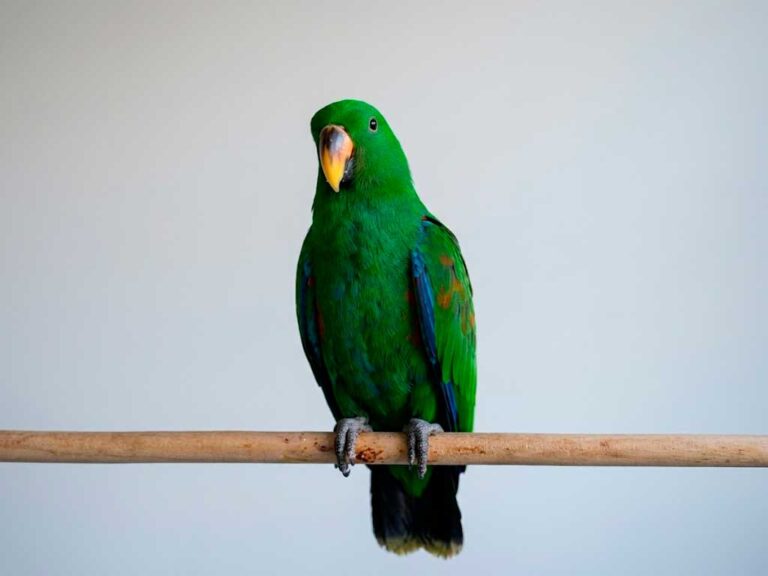
- Eclectus parrots stand out immediately: males are green, females are red and purple, a difference so extreme that early naturalists first described them as two separate species. They’re calmer than the others on this list, but their digestive system differs from other parrots and needs a diet suited to it.
Small and Medium Pet Parrots for Beginners
If you’re getting your first bird, these are the types of pet parrots worth starting with.
- Cockatiels are gentle, whistle more than they scream, and settle into a household routine easily. Our full Cockatiel Care Guide walks through everything from cage setup to bonding in the first week.
- Quaker parrots, also called monk parakeets, are small but confident, and many learn to talk clearly despite their size. They’re one of the few parrot species that builds a communal stick nest in the wild, a habit that shows up at home as constant, determined chewing and arranging of anything within reach.
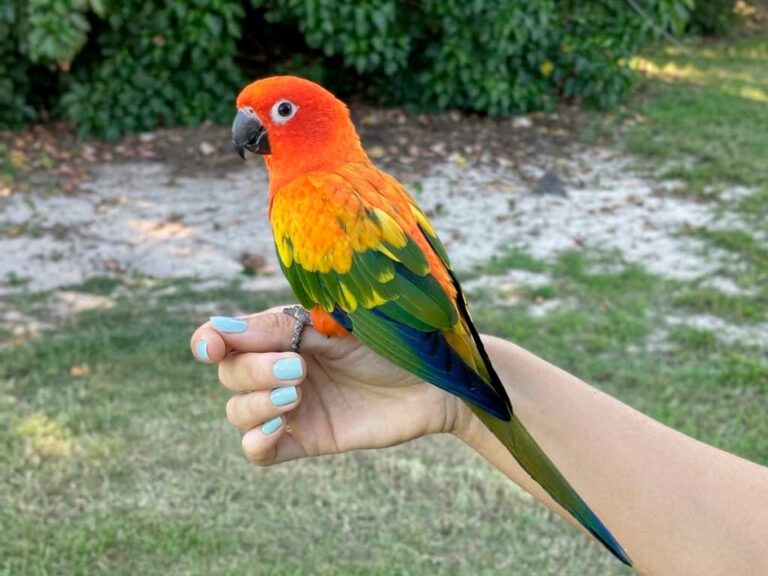
- Sun conures bring the color of a macaw in a body the size of a dove, though that beauty comes with a loud, piercing call that carries through apartment walls. Their quieter cousin, the green-cheeked conure, already has its own care guide on the site if a calmer conure sounds like a better fit.
- Parrotlets are barely bigger than a budgie but carry themselves like a much larger bird, fearless, curious, and occasionally a little feisty with people they don’t know well.
- Caiques move like they’ve had too much coffee. They hop instead of walk, roll onto their backs to play, and rank among the most physically entertaining parrots you can own, though that same energy makes them better suited to an experienced first-time owner than a total beginner.
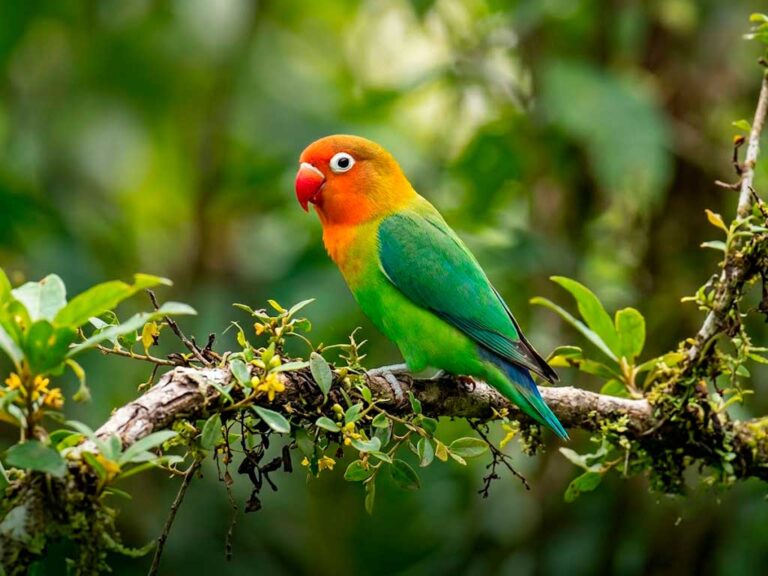
- Lovebirds are another small option worth a look if you like the idea of a compact, colorful companion, and our Peach-Faced Lovebird Care Guide covers their particular quirks around bonding and territory.
Budgie or Parakeet? Clearing Up the Confusion
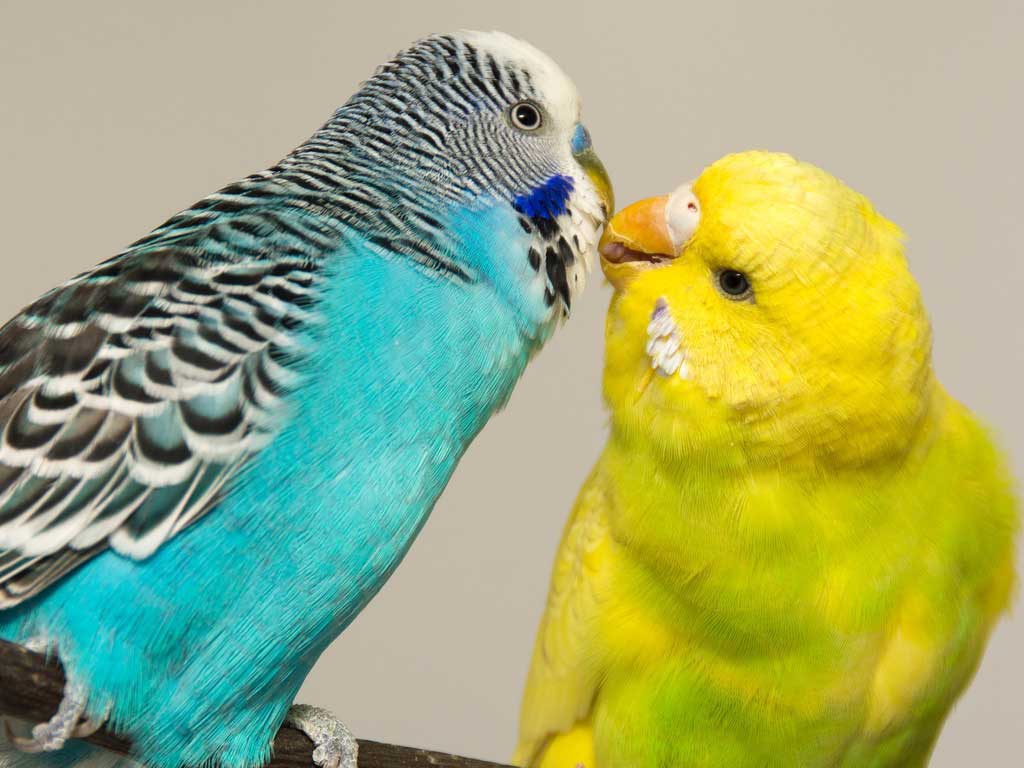
Here’s where a lot of new owners get tripped up: in the United States, “parakeet” almost always means the same bird as “budgie,” short for budgerigar. The confusion comes from the word parakeet itself, which technically describes dozens of small, long-tailed parrot species around the world, not just one. Our full breakdown of budgie vs. parakeet goes deeper into where the confusion started and what true parakeet species exist.
Budgies are one of the most forgiving parrots for a first-time owner. They’re easygoing, small enough for an apartment, and plenty of individuals build a surprisingly large vocabulary. If you already know you want this bird, our full budgerigar care guide covers diet, cage size, and how to tell males from females.
Captive-Bred vs. Wild-Caught Parrots: Why It Matters
This is the one decision in the entire guide that isn’t optional. A pet parrot should always come from captive breeding, never from a bird pulled out of a forest or jungle.
Wild-caught parrots suffer badly before they ever reach a buyer. Trappers often net entire flocks at once, chicks get smuggled in cramped, unventilated containers, and a large share of captured birds die before the trade ever completes. The ones that survive rarely adjust well to life in a cage, and many carry parasites or diseases that captive-bred birds don’t.
There’s also the conservation side. Decades of wild capture pushed species like the hyacinth macaw and several Amazon parrots to the edge of extinction. International trade in most parrot species is now restricted under CITES, the treaty that regulates cross-border trade in wildlife, and buying a wild-caught bird in most countries is either illegal or requires paperwork a casual seller will never have.
A few questions separate a legitimate source from a bad one. Can the breeder show you the parents? Do they know the chick’s hatch date without checking a spreadsheet? Will they let you visit the aviary in person rather than meeting in a parking lot? A seller who dodges these questions, or prices a “rare” bird suspiciously low, is worth walking away from.
Rescue and adoption are worth considering too, not just as an ethical choice but a practical one. Plenty of healthy, hand-tame parrots end up in rescues because a previous owner underestimated the noise, the mess, or the decades-long commitment, not because anything is wrong with the bird itself.
How Much Do Different Types of Parrots Cost?
The bird itself is usually the smallest part of the total cost. Cage, toys, a varied diet, and avian vet visits add up fast, and larger species need a proportionally bigger setup.
| Parrot | Typical Price Range (bird only) |
|---|---|
| Budgie / Parakeet | $20 – $50 |
| Cockatiel | $75 – $200 |
| Lovebird | $75 – $200 |
| Parrotlet | $150 – $300 |
| Quaker Parrot | $200 – $500 |
| Sun Conure | $300 – $800 |
| Caique | $800 – $1,500 |
| Amazon Parrot | $1,000 – $2,500 |
| African Grey | $1,500 – $3,500 |
| Eclectus | $1,500 – $3,000 |
| Cockatoo | $1,500 – $5,000 |
| Macaw | $1,000 – $15,000+ |
Prices swing widely by species, color mutation, and region, so treat this as a starting point rather than a quote. Budget separately for a cage large enough for the bird to fully spread its wings, since undersized housing is one of the most common mistakes new parrot owners make.
Frequently Asked Questions
Sunny, my own cotorra, reminds me every morning that no two parrots read the room the same way. Spend real time with a species before committing to it, whether that’s an afternoon at a reputable breeder’s aviary or a visit to a rescue, and let the bird show you who it is rather than who you hoped it would be.