What to Feed a Cat With Liver Disease
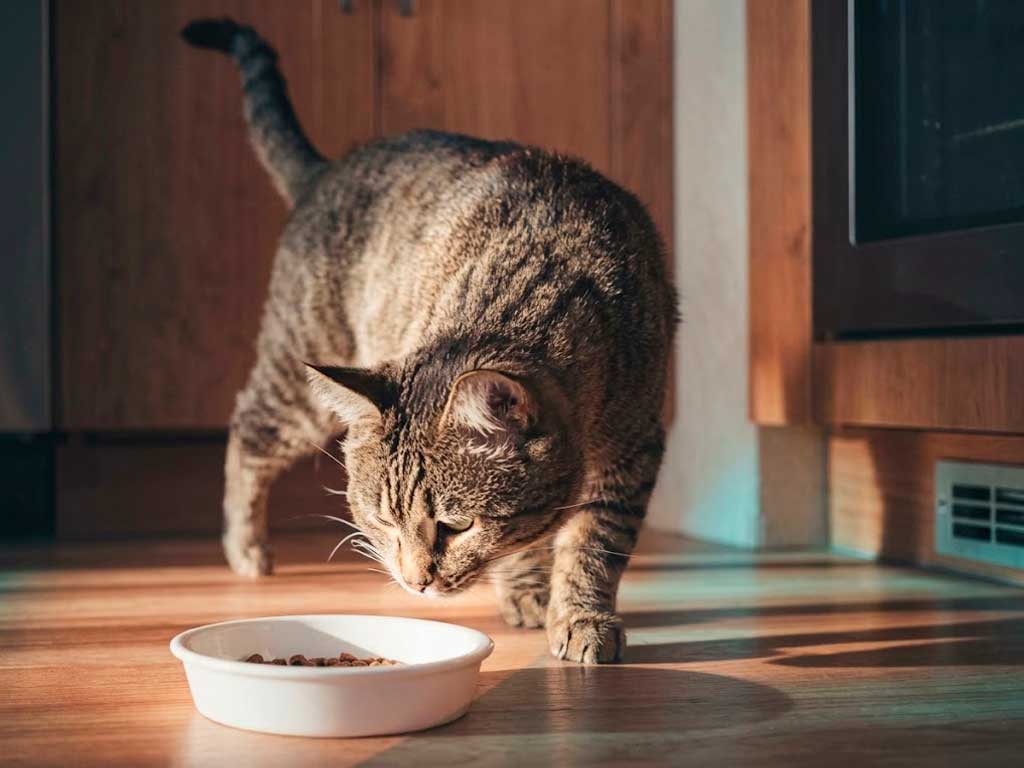
What to feed a cat with liver disease comes down to one shift most owners don’t expect: quality over restriction.
For years the default advice was a low protein diet, but current veterinary thinking says the opposite for most cats. This guide walks through what actually helps, where the old advice still applies, and what to avoid.
What to Feed First: What the Liver Needs
A damaged liver still has to filter toxins, produce proteins, and help regulate blood sugar. Food that supports those jobs, rather than adding to the workload, is the real goal.
That means highly digestible protein, controlled sodium if fluid retention (ascites) is present, and added antioxidants like vitamin E to help protect liver cells from further damage. None of this requires starving the liver of what it needs to repair itself.
The Protein Myth Behind What to Feed a Cat With Liver Disease
Here’s where a lot of advice online contradicts itself: some sources say low protein, others say high quality protein. Both are half right, and the difference matters.
For most cats with liver disease, the current standard is high quality, easily digestible protein, not a blanket reduction. Restricting protein across the board can actually cost muscle mass a sick cat can’t afford to lose.
A note on safety: this guide explains the general principles behind feeding a cat with liver disease. It doesn’t replace your vet’s specific recommendation, which accounts for your cat’s exact diagnosis, bloodwork, and any other conditions. Always confirm a new diet or supplement with your vet before making the switch.
Protein reduction is reserved for a specific situation: hepatic encephalopathy, where toxin buildup affects the brain and causes confusion or disorientation. Outside of that complication, quality beats quantity every time.
Adjusting What You Feed by Disease Stage
Early liver disease and advanced liver disease don’t call for the same plate. In the early stages, moderate amounts of high quality protein alongside normal energy intake usually works well, since the liver still has real reserve capacity.
As disease advances, especially once symptoms like disorientation or tremors appear, your vet may shift the plan toward lower protein specifically to reduce ammonia buildup. Fiber becomes more useful here too, since it helps carry waste products out of the body more efficiently, easing the liver’s workload from the other direction.
Energy density matters throughout. Medium-chain triglycerides (MCTs) provide quick, liver-friendly energy without the same processing burden as other fats, which is part of why many therapeutic diets lean on them.
Senior cats add another layer, since liver disease often overlaps with kidney disease or hyperthyroidism at that age. A diet plan built only around the liver can miss what another organ needs at the same time, so bloodwork covering all three is worth asking for before settling on a final food.
Best Foods to Feed a Cat With Liver Disease
Prescription liver diets exist for a reason: they’re formulated to the exact protein quality, sodium, and copper targets a compromised liver needs, which is difficult to replicate reliably at home.
Hill’s Prescription Diet l/d, Royal Canin Hepatic, and Purina Pro Plan Veterinary Diets HP Hepatic are the three most commonly recommended options. Each is built around the same core principles above, adapted slightly in formulation. Your vet can tell you which one fits your cat’s specific bloodwork and stage of disease.
Why Copper Restriction Matters Too
Copper builds up in a struggling liver instead of being processed normally, and that buildup can worsen damage over time. This is a detail general cat food labels rarely address.
Organ meats, duck, and shellfish run naturally high in copper, so they’re worth avoiding. Therapeutic liver diets are formulated with copper restriction built in, which is one more reason a regular adult formula doesn’t fully cover what a liver-compromised cat needs.
What to Feed a Cat With Liver Disease Who Won’t Eat
A cat that refuses food for more than 24 hours is at real risk of hepatic lipidosis, a second liver condition that can develop on top of the first. Appetite loss isn’t just an inconvenience here, it’s an emergency in its own right.
Small, frequent meals in a quiet space often help more than one or two large servings. Warming food slightly can make it more appealing to a cat with a dulled sense of smell from feeling unwell. If your cat still won’t eat, don’t wait to see if hunger returns. Our guide to hepatic lipidosis in cats covers exactly what happens when appetite loss goes untreated, and why the 24-hour mark matters so much.
Making the Diet Change Without a Fight
Cats are notoriously resistant to sudden food changes, and a sick cat is even less likely to tolerate one. Transition slowly, mixing increasing amounts of the new food with the old over a week or two.
Hand-feeding in short sessions can help if your cat is reluctant, and a calm, low-stress environment matters more than usual right now. Consult your vet before adding any liver-support supplement, since some interact with medications your cat may already be on.
How to Know the Diet Change Is Working
A rechecked bloodwork panel, usually two to four weeks after switching foods, is the real answer to whether the diet is helping. Watch specifically for liver enzyme trends moving in the right direction rather than a single reading.
Weight stabilizing or improving, brighter energy, and a returning appetite are the everyday signs worth tracking between vet visits. If you’re not sure what the numbers on that bloodwork panel actually mean, our guide to elevated liver enzymes in cats breaks each one down.
Hydration and Treats Still Count
Wet food does double duty for a cat with liver disease: it’s usually easier to eat when appetite is shaky, and the added moisture takes some pressure off the kidneys, which are often working harder alongside the liver. A water fountain or multiple water bowls around the house can nudge a reluctant drinker toward better hydration too.
Treats don’t have to disappear entirely, but they should come from the same liver-friendly category as the main diet, not table scraps or high-sodium snacks. A small piece of the therapeutic food itself often works fine as a treat, which keeps the whole day consistent.
Reading Labels When Choosing What to Feed a Cat With Liver Disease
Regular cat food labels won’t tell you protein quality or copper content in a useful way, so you’re mostly looking for what’s missing. Named, single-source proteins (chicken, not “meat by-product”) are a reasonable proxy for digestibility, even outside a prescription diet.
Ingredient lists rarely disclose copper levels directly. That’s the main reason a therapeutic, vet-prescribed diet outperforms label-reading alone: the copper and sodium targets simply aren’t printed anywhere you can check yourself.
What to Avoid Feeding a Cat With Liver Disease
A few categories are worth cutting regardless of which diet you choose. High-sodium treats and table scraps work against fluid control. Raw organ meats add unnecessary copper load. Sudden fasting, even to “rest” the liver, does more harm than good and risks triggering hepatic lipidosis.
Any commercial food not specifically formulated for liver support is unlikely to hit the protein-quality and copper targets that actually matter here, even if it looks similar on the label.
Figuring out what to feed a cat with liver disease usually settles down within a few weeks once the right food is in place and bloodwork confirms it’s working. The learning curve is real, but most cats adjust well once the switch is made gradually and consistently.