Green Cheeked Conure Care Guide: Everything to Know
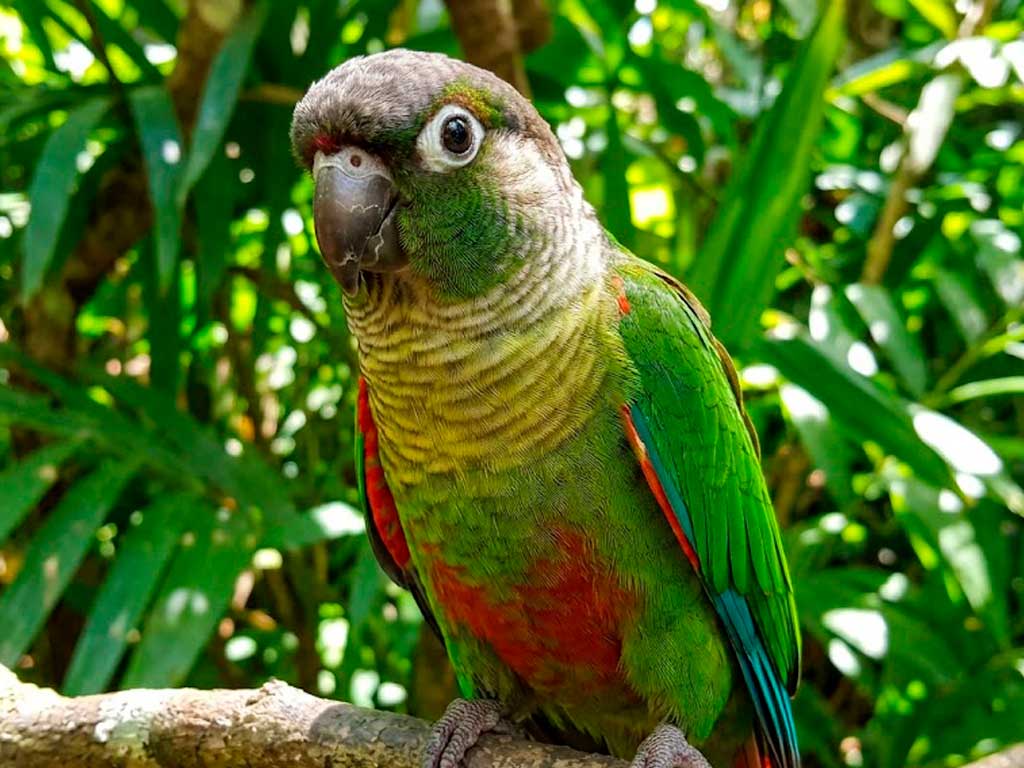
A green cheeked conure might be one of the smallest parrots you can keep, but it makes up for size with sheer personality. These birds are famous for wanting to be wherever you are, earning them the nickname “velcro bird” among owners. Did you know they sleep hanging upside down from a perch or the roof of their cage? It’s completely normal, though it startles plenty of first-time owners into a late-night vet call.
This guide goes beyond the basics, covering color mutations, the daily interaction this species genuinely needs, and the health issues worth understanding before you bring one home.
Quick Facts: Green Cheeked Conure
- Lifespan: 10–20 years, with some individuals living past 20 in optimal care
- Adult size: About 10 inches (25–26 cm), 60–80 grams
- Care level: Intermediate
- Diet: Quality small parrot pellets, fortified seed, and daily fresh produce
- Minimum cage size: Around 24″ L x 24″ W x 30″ H, larger is always better
- Temperament: Affectionate, playful, and genuinely people-oriented
Where Green-Cheeked Conures Come From
Green-cheeked conures are native to the forests and woodlands of central and southwestern South America, spanning Bolivia, Brazil, Argentina, and Paraguay. In the wild, they live in noisy flocks of 10 to 20 birds, roosting together and foraging the canopy for fruit, seeds, and other plant material.
That flock instinct explains a lot about their personality in captivity. This species genuinely wants to be included in household life, which is part of why they’ve become one of the most popular small parrots for people who want real interaction in a compact package.
Color Varieties
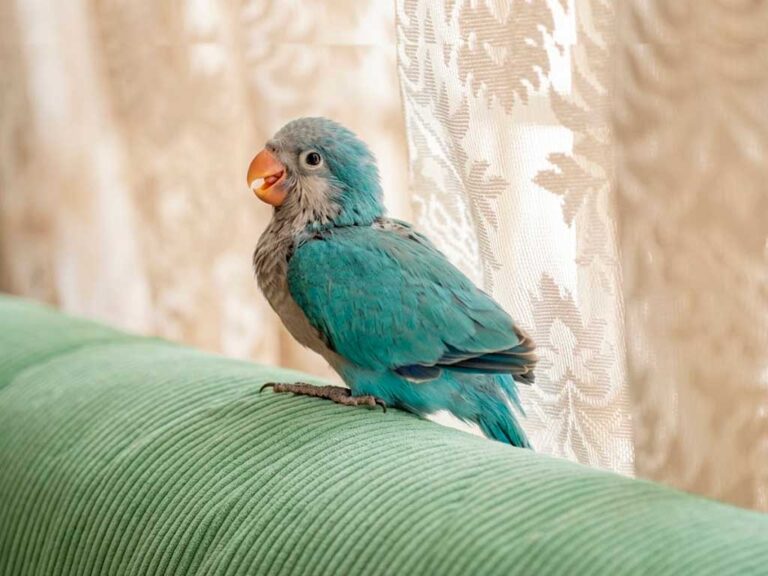
The wild-type bird is mostly green with a maroon tail and a grey-green chest, but decades of selective breeding have produced a striking range of mutations. Pineapple combines cinnamon and yellow-sided genes for warm golden-orange tones, while turquoise replaces the standard green with a blue-green wash. Cinnamon, yellow-sided, and mint are also well established, and new combinations continue to appear from specialist breeders.
Here’s a fact that surprises a lot of new owners: males and females look completely identical, regardless of color mutation. The only reliable way to determine sex is a DNA test through a vet, since there’s no visual difference to go on.
Setting Up the Right Enclosure
Despite their small size, this species is active and acrobatic enough to need real room to move. A minimum cage size of 24″ L x 24″ W x 30″ H works for one bird, with bar spacing no wider than 3/4 inch to prevent escape or injury. Bigger is always better, especially since this species uses horizontal bars for climbing as much as it uses perches.
The Prevue Pet Products Steel Bird Flight Cage is sized well for this species and gives them genuine room to climb, explore, and use a play top. The ZENY 53-Inch Parakeet Bird Cage is a solid rolling-stand alternative if you want the flexibility to move the cage between rooms.
Skip wood or galvanized wire enclosures, since both can expose your bird to toxic materials. Place the cage somewhere social, since this species genuinely benefits from being part of household activity rather than tucked away in a quiet corner.
Diet and Nutrition
A quality small parrot pellet should make up roughly 60 to 70 percent of their diet, forming the nutritional foundation that seed alone can’t provide. Higgins Vita Seed Conure and Lovebird Food is formulated specifically for this species and works well as the fortified seed component alongside a pelleted base.
Round things out with fresh fruits and vegetables daily, including apple, mango, bell pepper, broccoli, carrot, and leafy greens, discarding anything uneaten after a couple of hours. Never offer avocado, chocolate, caffeine, onion, garlic, or fruit seeds, all of which are toxic to birds. Stainless steel feeding cups with a clamp holder make it easy to keep dry food, fresh food, and water in separate, secure dishes. A cuttlebone should stay available at all times for calcium.
Daily Care and Enrichment
This is the part that separates this species from a more hands-off bird like a canary or finch: this species needs real daily interaction, ideally 30 minutes to an hour of active engagement outside the cage. Without it, boredom shows up fast as chewing, screaming, or feather plucking.
A sleeping tent or hut in the cage is genuinely appreciated, since this species naturally roosts in enclosed spaces. It’s a small thing, but it matters: watch for signs the hut is triggering hormonal or territorial behavior, since enclosed spaces can occasionally encourage that in an otherwise well-adjusted bird. Rotate at least five or six toys regularly, mixing foraging toys, chew toys, and swings to keep things interesting.
Handling and Temperament
Most hand-raised birds step up readily and bond closely with their owner from an early age. Positive reinforcement with small pieces of fruit or seed works well for building and maintaining that trust through consistent daily handling.
Watch for eye pinning, feather puffing, or head tucking as early signals that your bird is overstimulated and needs a break, since pushing past those cues is a common way nippiness develops. If you already keep a lovebird, you’ll recognize some of this pattern, though green cheeks tend to be even more consistently affectionate once trust is established.
Grooming Basics
Nail trims are needed every few weeks to months, and beak length typically stays in check through normal chewing and use. Wing clipping is a genuine option for this species if you’re concerned about escape or injury risk, unlike some smaller finches that should stay fully flighted, but it’s a conversation to have with an avian-experienced vet rather than a default choice.
Bathing is usually self-directed if a water dish large enough to splash in is available, and a gentle misting works as an alternative for birds that don’t bathe on their own.
Cleaning and Maintenance
Spot-clean the cage daily, removing droppings and old food before it builds up. Wash food and water dishes every day, and replace cage liner at least weekly. Nature’s Miracle Small Animal Cage & Surface Cleaner handles the bio-enzymatic side of cage cleaning well, breaking down stains and odor without harsh chemicals that could bother a bird’s sensitive respiratory system. Wash perches and toys whenever they look soiled, and let everything dry fully before it goes back in the cage.
Health and Common Problems
This section is general guidance rather than veterinary advice, so treat any of the signs below as a reason to call an avian-experienced vet rather than wait and see. A healthy bird is active, alert, and social, with bright eyes, smooth feathers, and consistent droppings.
A few conditions are worth knowing about in advance. Proventricular dilatation disease, or PDD, is a serious viral condition, which is one reason sourcing from a reputable, tested breeder matters. Psittacosis responds well to prompt veterinary treatment when caught early, and annual checkups plus good hygiene help prevent it. Feather plucking is usually tied to boredom or insufficient daily interaction rather than a medical cause, though it’s still worth a vet visit to rule out underlying issues. Annual wellness exams catch most problems early, well before they’re obvious at home.
Frequently Asked Questions
Are green cheeked conures good pets for beginners?
They’re a step up from a budgie or canary in terms of daily commitment, but manageable for a motivated first-time owner who’s ready for 30 minutes to an hour of interaction every day.
How long do green-cheeked conures live?
Most live 10 to 20 years with good care, and some individuals live even longer. Diet, enrichment, and regular vet visits all play a role in lifespan.
Are green cheeked conures loud?
They’re generally quieter than sun conures or larger parrots, with contact calls and chatter rather than constant screaming, making them one of the more apartment-friendly parrot species.
Do green cheeked conures talk?
Some learn a few words, but they’re not known for extensive talking ability. Expect whistles, contact calls, and the occasional mimicked phrase rather than clear speech.
Can I tell a green cheeked conure’s sex by looking at it?
No. Males and females look identical across all color mutations. A DNA test through a vet is the only reliable way to determine sex.
Why does my conure sleep upside down?
This is completely normal behavior for the species. They often hang upside down from a perch or the cage ceiling to sleep, which can look alarming but isn’t a sign of illness.
How big of a cage does a green cheeked conure need?
A single bird needs a minimum of 24″ L x 24″ W x 30″ H, with bar spacing no wider than 3/4 inch. Bigger is always better for a bird this active.
What do green cheeked conures eat besides seed?
A balanced diet centers on a quality small parrot pellet, supplemented with fresh fruits and vegetables daily and a limited amount of fortified seed.
Can I keep two green cheeked conures together?
Yes, pairs generally bond well. A bonded pair may become slightly less interested in human interaction, but many owners still maintain a close relationship with paired birds.
Do green cheeked conures need a vet?
Yes. An annual wellness visit with an avian-experienced vet catches most issues early, and any of the warning signs covered above are worth a sooner appointment.
A green cheeked conure asks for more daily interaction than most beginner birds, but few species pay that back with as much personality. Get the cage size, diet, and daily engagement right from the start, and you’ll have a genuinely devoted companion for a decade or more.
For a broader look at beginner-friendly species and how conures compare, our best pet birds for beginners guide is a good next stop, and our complete guide to bird feeding covers nutrition basics across species in more depth.
Happy Pet Zone may earn a commission from qualifying purchases made through the Amazon links in this article, at no extra cost to you.