Parrotlet Care Guide: What to Know Before You Get One
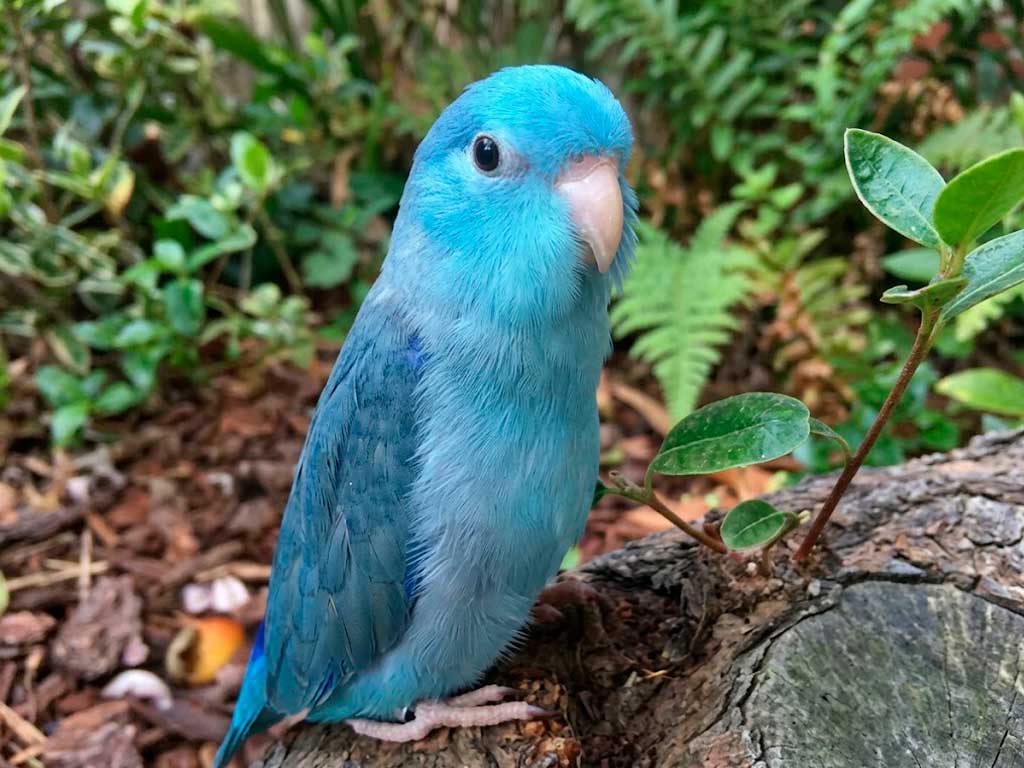
Parrotlet care starts with a size check most people get wrong: this is the smallest true parrot you can keep, barely bigger than a budgie, yet it carries the full personality, intelligence, and occasional stubbornness of a bird twice its size.
New owners expecting a quiet, low-maintenance pocket pet are usually surprised within the first week.
This guide covers the species behind the name, what housing and diet actually require, the noise level that makes this bird an apartment favorite, and the one piece of advice nearly every parrotlet breeder agrees on. Compare parrotlets against other small parrots in our types of pet parrots guide if you’re still deciding.
Parrotlet Quick Facts
| Fact | Detail |
|---|---|
| Genus | Forpus (the parrotlets kept as pets) |
| Length | 3 to 5.5 inches |
| Weight | 18 to 28 grams |
| Lifespan | 15 to 30 years with good care |
| Noise level | Low; often called the quietest hookbill |
| Purchase price | $100 to $350 |
Types of Parrotlets: More Than Just Pacific
There are seven recognized parrotlet species, all in the genus Forpus, but only three show up regularly in the pet trade.
Pacific parrotlets are by far the most common pet parrotlet, sometimes sold as “celestial parrotlets.” Green-rumped parrotlets and spectacled parrotlets round out the other two species kept with any regularity; Mexican parrotlets appear occasionally as well. All share nearly identical care needs.
Parrotlets are sexually dimorphic, meaning males and females look different at a glance. Males show blue markings on the wings, back, and nape. Females carry a lighter blue marking around the eyes instead. Newly hatched chicks are barely the size of a bumblebee, blind and deaf for their first days, though they’ll beg loudly for food within hours of hatching.
Housing: Cage Size and Setup
Go with the largest cage you can manage, at least 18 inches wide, 18 inches deep, and 24 inches tall as a bare minimum, with bar spacing of 1/2 inch or narrower to prevent a curious bird from getting a wing or head stuck. Horizontal space matters more than height for this species.
A well-set-up parrotlet cage should include:
- Multiple perches in different diameters and textures
- A swing, which most parrotlets treat as a favorite spot
- Chewable and foraging toys, rotated regularly
- Secure, bird-proof latches (parrotlets are surprisingly good at working open simple cage doors)
- A paper liner or grated bottom for easy cleanup
Keep the cage in a family-active area rather than an isolated room, but away from kitchen fumes, drafts, and direct sunlight. Like most parrots, parrotlets need a consistent sleep schedule, roughly 10 to 12 hours of uninterrupted darkness each night, so a covered cage or a quiet room after bedtime matters more than owners often expect from such a small bird.
Diet: What Parrotlets Eat
Build the diet around a high-quality small-parrot pellet, supplemented daily with fresh vegetables, leafy greens, and a smaller portion of fruit. A quality seed mix can be included too; unlike most parrots, parrotlets burn through energy fast enough that they benefit from a bit more fat in the diet, not less.
Avoid feeding these to a parrotlet, same as any parrot:
- Avocado
- Chocolate
- Caffeine
- Alcohol
- Onion and garlic
- Salty or sugary table food
Skip grit entirely. Parrotlets hull their own seeds with their beak, so added grit serves no purpose and can cause a dangerous crop impaction. Millet spray makes a good treat, especially for young birds, but shouldn’t replace a balanced diet if the bird starts favoring it over everything else.
Temperament and Noise: The Quietest Hookbill You Can Own
Parrotlets are, by most breeders’ accounts, the quietest hookbilled bird commonly kept as a pet. They chirp, sometimes loudly when excited, but they don’t scream or squawk the way conures, cockatoos, or even budgies can. That makes them a strong choice for apartments and shared walls.
Quiet doesn’t mean passive. Parrotlets are bold, curious, and fearless almost to a fault, and they’re territorial enough that mixing them with other bird species in the same cage is genuinely risky. A parrotlet left without enough stimulation or attention can become nippy, and feather plucking shows up in this species when its needs aren’t met.
One Bird or Two? The Bonding Question
This is the one point where parrotlet advice consistently breaks from the usual parrot-keeping rule of thumb. Breeders and owners alike report the same pattern: a pair of parrotlets tends to bond tightly to each other and loses interest in the owner, while a single, well-socialized parrotlet bonds hard to its person and thrives on that one-on-one relationship.
If the goal is an interactive companion bird, one parrotlet is usually the better choice, with daily hands-on attention filling the social role a second bird would otherwise fill. Pairs work well for breeders or owners who mainly want to watch the birds interact with each other rather than with people.
Talking Ability
Parrotlets can talk, and more often than people expect from a bird this small. Surveys from the International Parrotlet Society suggest roughly 80 percent of pet male parrotlets learn to talk, compared to around 20 percent of females. Individual results vary widely, but a hand-raised, well-socialized bird spoken to consistently has real odds of picking up words and phrases.
Common Health Issues
Parrotlets are considered relatively resistant to polyomavirus, though not immune, and generally hold up well health-wise when kept clean, well-fed, and away from other birds carrying disease. A fungal infection called megabacteria has been documented in some parrotlets; it’s diagnosable and treatable, though researchers are still working out exactly how it affects the species long-term.
As with any small bird, watch for fluffed feathers, lethargy, changes in appetite or droppings, tail bobbing, or an overgrown beak, and schedule annual checkups with an avian vet, since parrotlets are good at hiding illness until it’s fairly advanced. Molting periods and hormonal swings can also bring on short stretches of nippiness or moodiness that resolve on their own and aren’t cause for alarm.
How Much Does a Parrotlet Cost?
Parrotlets are one of the more affordable parrots to buy, typically running $100 to $350 depending on species, color mutation, and source. Setup costs for a cage, toys, and dishes add a modest amount on top, and ongoing food and vet costs continue for a lifespan that can stretch past 20 years.