Zebra Finch Care Guide: Everything to Know
A zebra finch might be the smallest bird on your beginner shortlist, but it’s rarely the quietest cage in the room. These fast, social little birds spend their days flitting between perches, chattering with their flock, and generally living up to their reputation as one of the most active pet birds you can keep. Watch closely and you’ll notice the males doing most of the singing, since only males perform the full courtship song.
This guide goes beyond the basics, covering color varieties, the social setup zebra finches actually need to thrive, and the health issues specific to this species, so you can give your flock a genuinely good life.
Quick Facts: Zebra Finch
- Lifespan: 5–10 years, occasionally up to 15 with excellent care
- Adult size: 4 inches (10 cm), among the smallest pet finches
- Care level: Beginner-friendly
- Diet: Quality finch seed mix, a pelleted supplement, and fresh greens
- Minimum cage size (pair): Around 30″ L x 18″ W x 18″ H, wider is always better
- Social needs: Must be kept with at least one other zebra finch, never alone
Zebra Finch Color Varieties
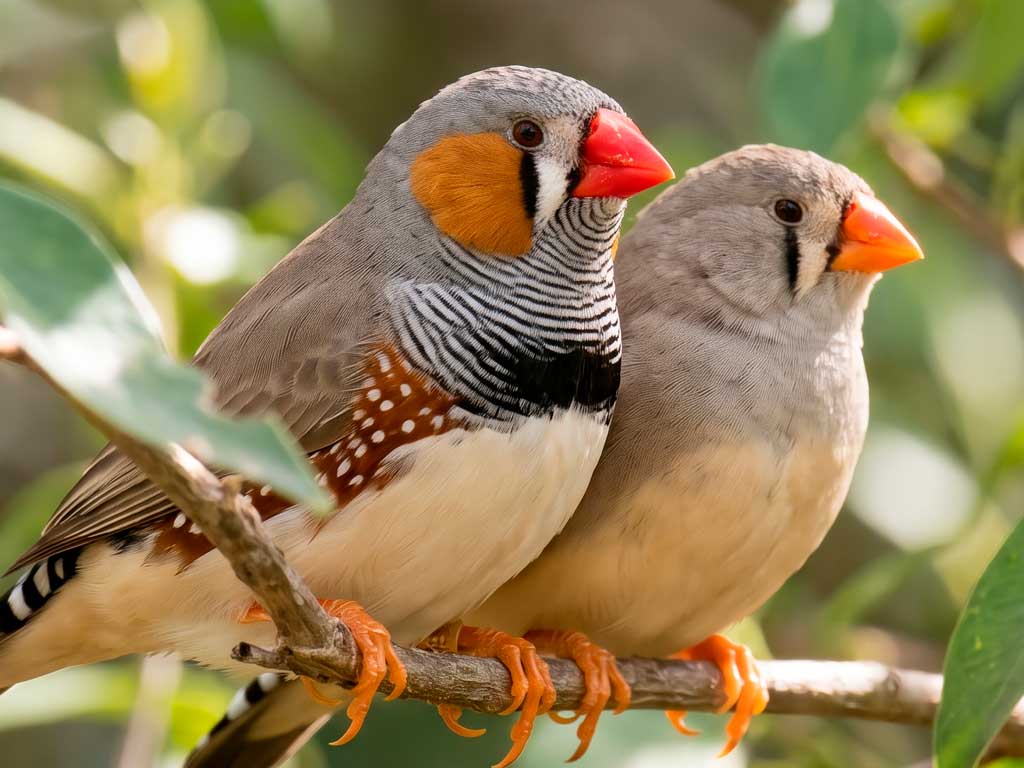
The wild-type bird shows off the pattern that gives the species its name: black and white striped tail feathers, a black chest bar, orange cheek patches, and brown flanks on the male, while females are a more uniform soft grey. Did you know only males show these bold markings? It’s one of the clearest examples of visual sexual dimorphism in the pet bird world, so telling males from females is usually easy at a glance.
Decades of selective breeding have produced color mutations well beyond the wild type, including white, black, fawn, pied, and the crested variety with a small feather tuft on the head. If you’re planning to keep a group, mixing a few color mutations makes it much easier to tell individual birds apart.
Where Zebra Finches Come From
This species is native to the dry grasslands and scrub of central Australia, where they live in large, loose flocks and breed opportunistically whenever rain brings a flush of seeding grasses. That flock instinct is exactly why a solitary zebra finch struggles, and it’s the single most important thing to understand before bringing one home.
Here’s a fact that surprises a lot of new owners: young males learn their song from their father during a short critical window early in life, then keep that basic pattern for the rest of their lives with small personal variations. Researchers have used this species as a model for studying vocal learning for decades, partly because the process looks a lot like how human infants pick up language.
Setting Up the Right Enclosure
A zebra finch needs a cage built for horizontal flight rather than height, since finches fly back and forth far more than they climb. A pair does well in a minimum of 30″ L x 18″ W x 18″ H, and a larger flight cage or aviary is worth the investment if you’re keeping more than two. Bar spacing should stay at 3/8 inch or smaller, since these birds are genuinely skilled at squeezing through gaps that look too small.
The Prevue Pet Products Steel Bird Flight Cage gives a small group real room to fly and is sized well for finches, canaries, and similar small birds. The ZENY 53-Inch Parakeet Bird Cage is a solid rolling-stand alternative if you want to move the cage between rooms.
Skip wood or galvanized wire enclosures, since both can expose your birds to toxic materials. Place the cage in a quiet, low-traffic area, since finches startle easily and don’t crave the same social interaction with people that parrots do. Keep it draft-free, off the floor, and away from direct sun or the kitchen.
Zebra Finch Diet and Nutrition
Their diet centers on a quality finch seed mix, ideally supplemented with a pelleted food to fill nutritional gaps that seed alone leaves behind. Fresh greens like dandelion leaves, kale, and chickweed round things out well, along with an occasional millet spray as a treat rather than a staple.
Separate dishes for dry food, fresh food, and water matter, especially in a group where competition for a single dish causes stress. Stainless steel feeding cups with a clamp holder stay clean easily and are hard for a small, determined beak to tip over. A cuttlebone should be available at all times for calcium, and never offer avocado, onion, chocolate, caffeine, or citrus, all of which are unsafe for birds.
Daily Care and Social Needs
This is the one rule that matters more than any other with this species: a zebra finch should never be kept alone. They’re a genuinely social flock bird, and a solitary finch shows real signs of stress over time. If you don’t want to breed them, keep a same-sex pair or small group instead of a male and female together.
Beyond companionship, they need less hands-on interaction than a parrot-family bird, but they still benefit from a stable routine, consistent lighting, and a calm environment. Playing quiet background talk or radio near the cage can help keep a small flock settled, especially in a new home.
Handling and Temperament
Here’s the honest expectation to set early: this species is not a hands-on pet, and most will never enjoy being held the way a budgie or cockatiel might. Occasionally a hand-raised bird will perch on a finger or shoulder, but forcing interaction just stresses the bird without building trust.
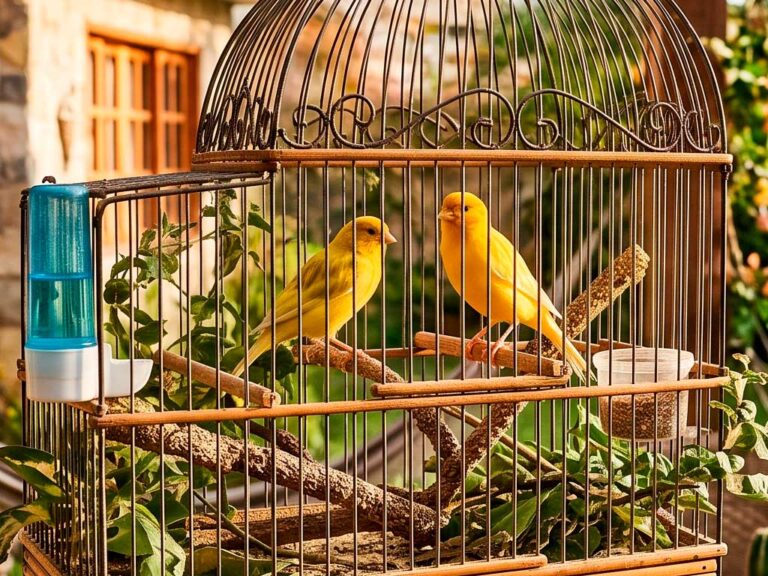
If you already keep a canary, you’ll find these birds are a similar kind of companion, better enjoyed by watching and listening than by handling. That’s part of the appeal for a lot of owners who want an active, colorful bird without a daily hands-on commitment.
Grooming Basics
They need to stay fully flighted, so their wing feathers shouldn’t be clipped the way some larger parrot species are. Most bathe readily if a shallow dish of lukewarm water is available a few times a week, and misting works as a gentle alternative for birds that don’t bathe on their own.
Nail trims are occasional rather than routine, and beak length typically stays in check through normal use. Leave both tasks to an avian-experienced vet or trained groomer to avoid injury.
Cleaning and Maintenance
Spot-clean the cage daily, removing droppings and leftover food before it accumulates. Wash food and water dishes every day, and replace substrate or liner at least weekly, more often for a larger group. Nature’s Miracle Small Animal Cage & Surface Cleaner works well for the bio-enzymatic side of cage cleaning, breaking down stains and odor without harsh chemicals that could irritate a bird’s sensitive respiratory system. Wash perches and toys whenever they look soiled, and let everything dry fully before it goes back in the cage.
Zebra Finch Health and Common Problems
This section is general guidance rather than veterinary advice, so treat any of the signs below as a reason to call an avian-experienced vet rather than wait and see. A healthy bird has bright eyes, smooth feathers, a strong appetite, and consistent droppings.
A couple of health issues show up specifically in this species. Scaly face, caused by skin mites, appears as white, crusty patches around the eyes, beak, and legs, and needs veterinary treatment rather than a home remedy. Air sac mites are a more serious respiratory parasite that often surfaces during periods of stress, and breathing changes should prompt an immediate vet visit. Feather plucking, overgrown nails, and overgrown beaks round out the more common issues, most of which respond well to prompt care. Annual wellness checkups catch problems early, well before they’re obvious at home.
Frequently Asked Questions
Can I keep just one zebra finch?
No. They’re a genuinely social species and should always be kept with at least one companion. A solitary bird experiences real stress over time, unlike some other pet bird species that can thrive alone.
How long do zebra finches live?
Most live 5 to 10 years with good care, and some individuals reach 15. Diet, cage setup, and regular vet visits all play a role in lifespan.
Are zebra finches good pets for beginners?
Yes. They’re widely considered one of the easiest pet birds to keep, with simple care needs and a low time commitment, as long as you’re prepared to keep them in pairs or groups.
Do zebra finches like to be held?
Generally, no. Most don’t enjoy handling and are better appreciated by watching and listening than by picking them up. Occasional hand-raised birds may perch on a finger.
Can male and female zebra finches be kept together without breeding?
Not reliably. A male and female pair will likely breed, sometimes prolifically. If you don’t want chicks, keep a same-sex pair or group instead.
What is scaly face in finches?
Scaly face is a mite infestation that causes white, crusty patches around the eyes, beak, and legs. It requires veterinary treatment and isn’t something to manage at home.
How big of a cage does a zebra finch pair need?
A pair needs a minimum of 30″ L x 18″ W x 18″ H, with a longer, wider cage always better than a taller one, since they fly horizontally rather than climbing.
What do they eat besides seed?
A balanced diet includes a quality finch seed mix, a pelleted supplement, and fresh greens like dandelion leaves and kale, with millet spray reserved as an occasional treat.
Are they loud?
Not disruptively. Their vocalizations are quiet chirps and trills rather than loud calls, making them a reasonable choice for apartments, though a group does chatter throughout the day.
Do they need a vet?
Yes. An annual wellness visit with an avian-experienced vet catches most issues early, and any of the warning signs covered above are worth a sooner appointment.
A zebra finch rewards a simple setup with a genuinely lively, colorful little flock. Get the group size, cage dimensions, and diet right from the start, and you’ll have one of the most active, low-maintenance pet birds around for years to come.
For a broader look at beginner-friendly species, our best pet birds for beginners guide covers how they compare to budgies, cockatiels, and canaries, and our complete guide to bird feeding goes deeper on nutrition basics across species.
Happy Pet Zone may earn a commission from qualifying purchases made through the Amazon links in this article, at no extra cost to you.