African cichlids of the Great Lakes
Tanganyika & Malawi
Diving into the world of African cichlids opens the door to some of the most intelligent, colorful, and active freshwater fish available in the hobby today.
These magnificent cichlids hail from the Great Rift Valley lakes of East Africa, where isolated evolutionary pressures have created an astonishing variety of species, behaviors, and coloration.
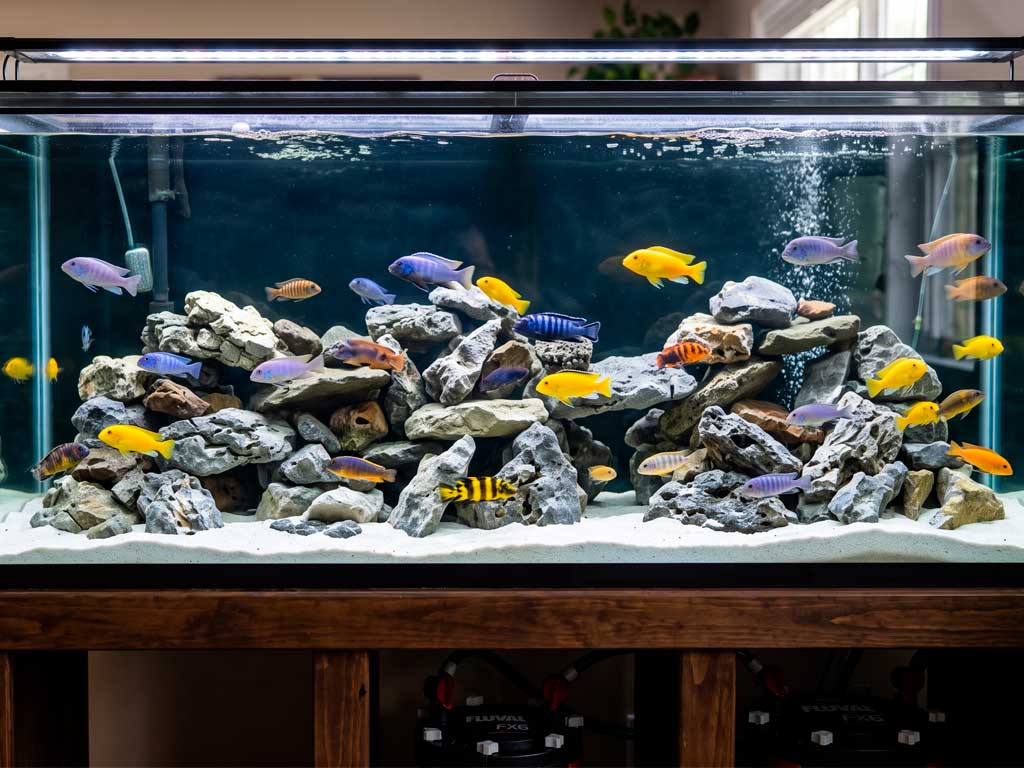
Whether you are captivated by the complex social structures of rock-dwelling inhabitants or the brilliant hues of open-water swimmers, setting up a biotope for these fish is an incredibly rewarding endeavor.
Understanding their distinct natural environments, water parameter requirements, and behavioral traits is the first step toward building a thriving, vibrant aquarium that showcases the true majesty of African lake ecosystems.
Lake Tanganyika
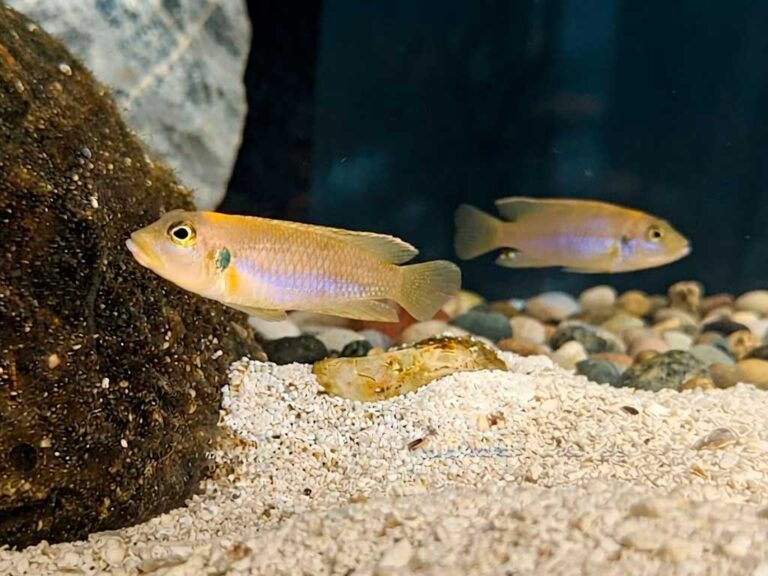
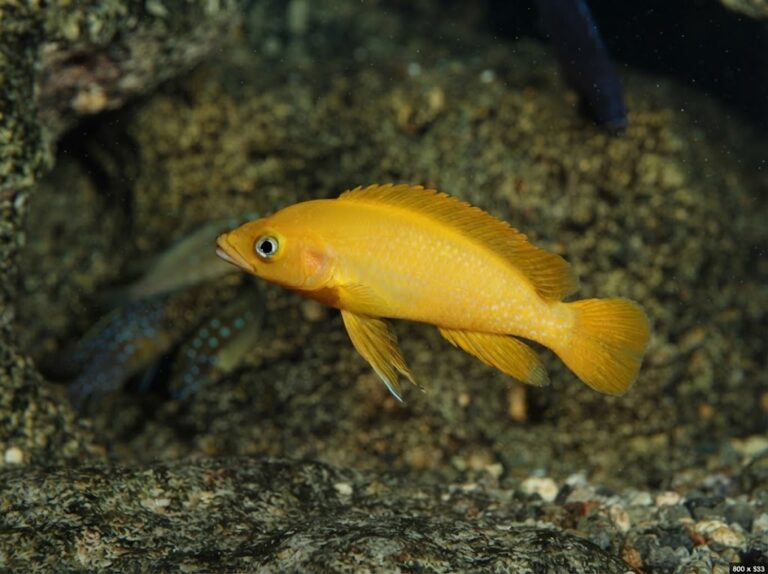
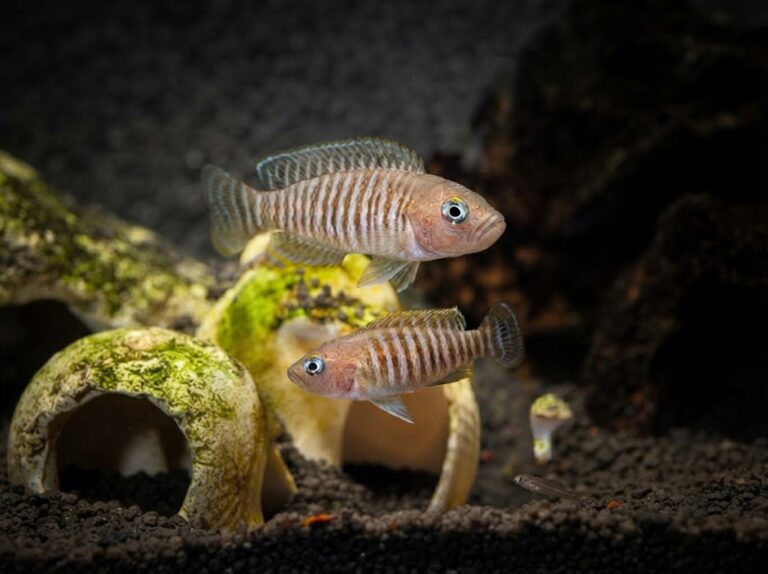
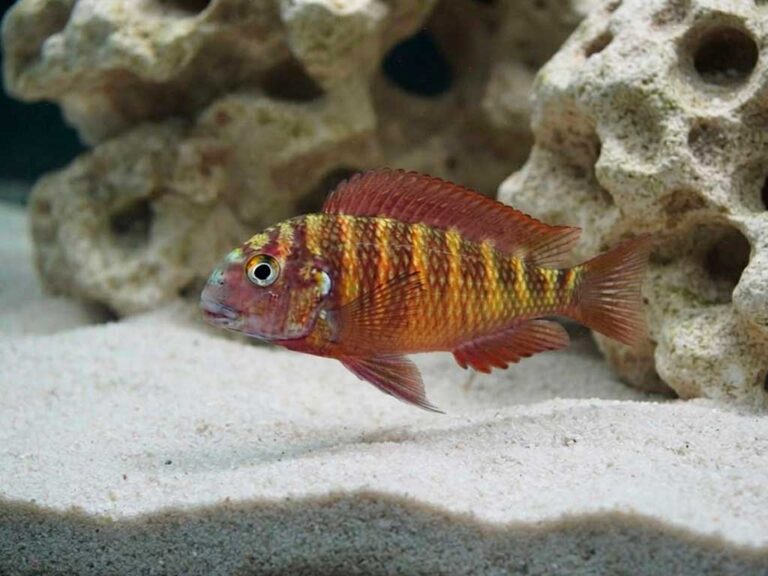
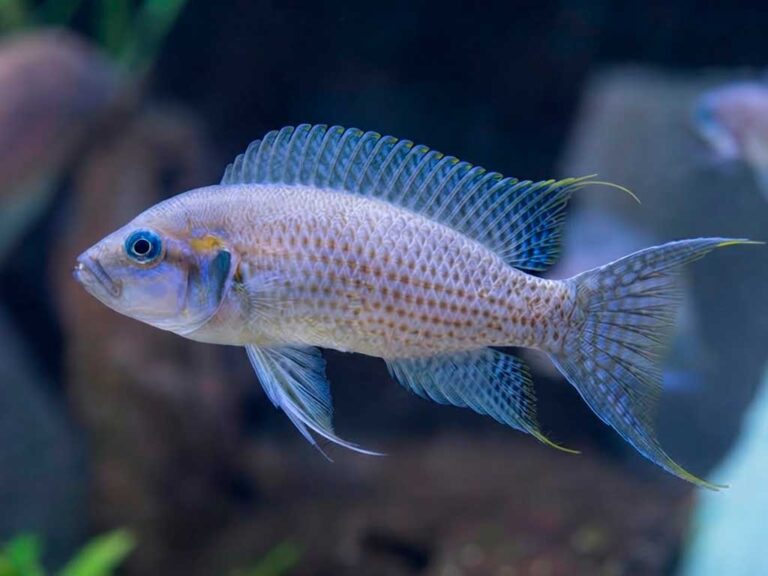
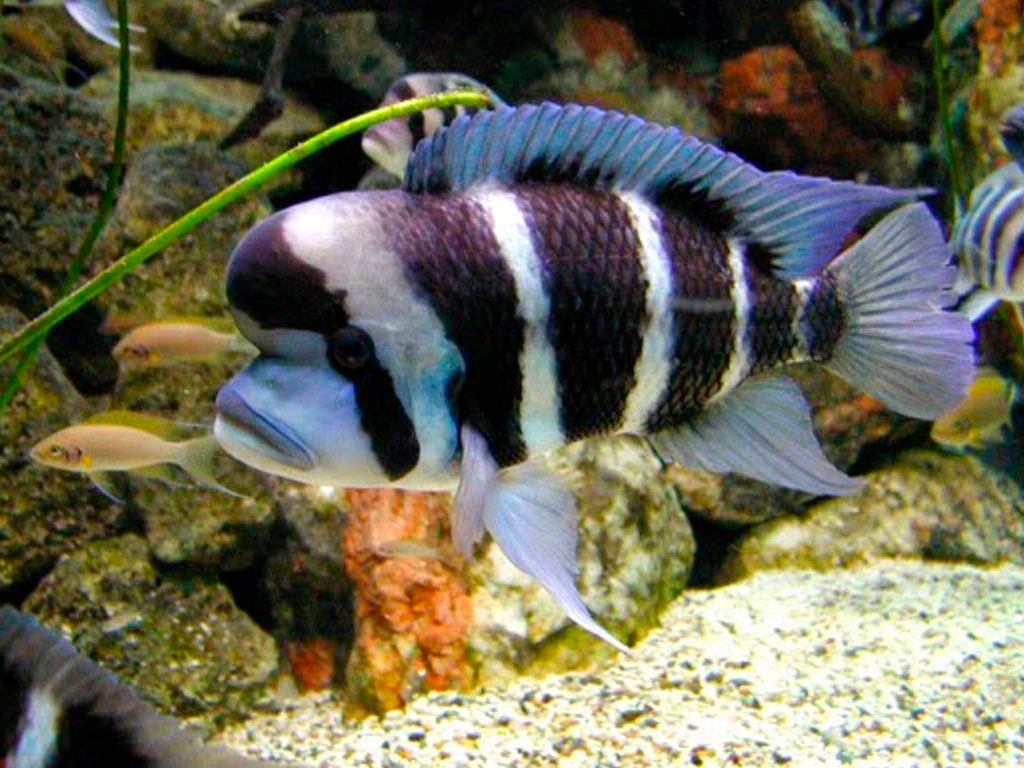
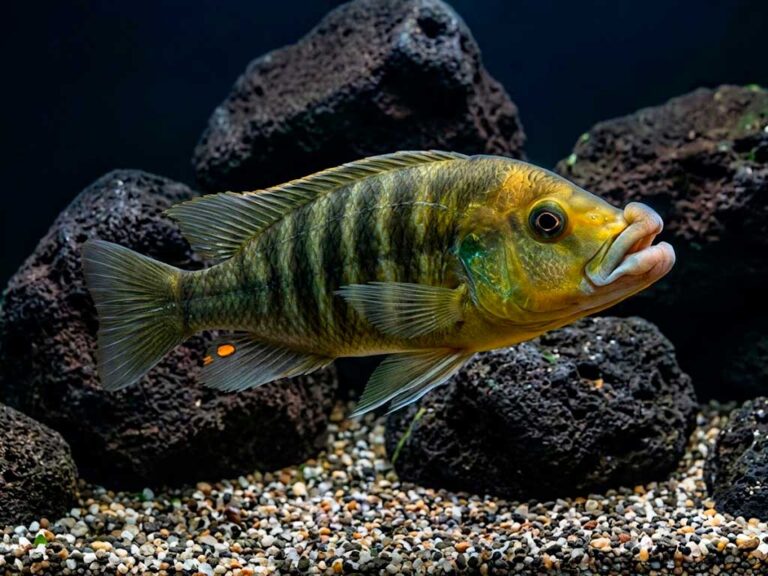
- Lake Tanganyika History & Age: Lake Tanganyika is noted as the oldest, deepest, and most voluminous of the Rift Valley lakes, maintaining a remarkably stable ecological environment for millions of years.
- Evolutionary Adaptations: This long-term stability has enabled cichlid inhabitants to evolve highly specialized survival strategies, intricate social hierarchies, and fascinating breeding behaviors.
- Diverse Inhabitant Personalities: From shell-dwellers occupying tiny snail shells on the lakebed to aggressive rock-huggers defending precise territories, Tanganyika species are renowned for distinct personalities.
- Water Chemistry Requirements: Successful home aquarium maintenance demands meticulous attention to water chemistry, characterized by hard, highly alkaline water with high mineral content to prevent chronic stress.
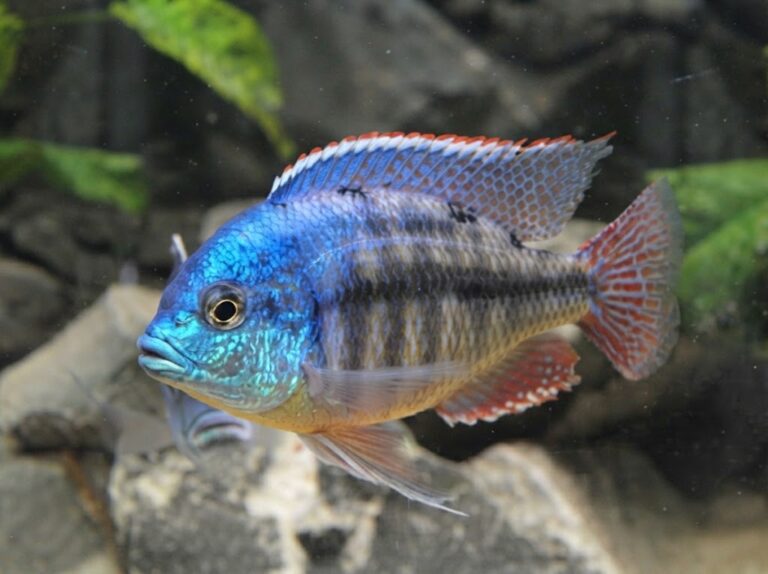
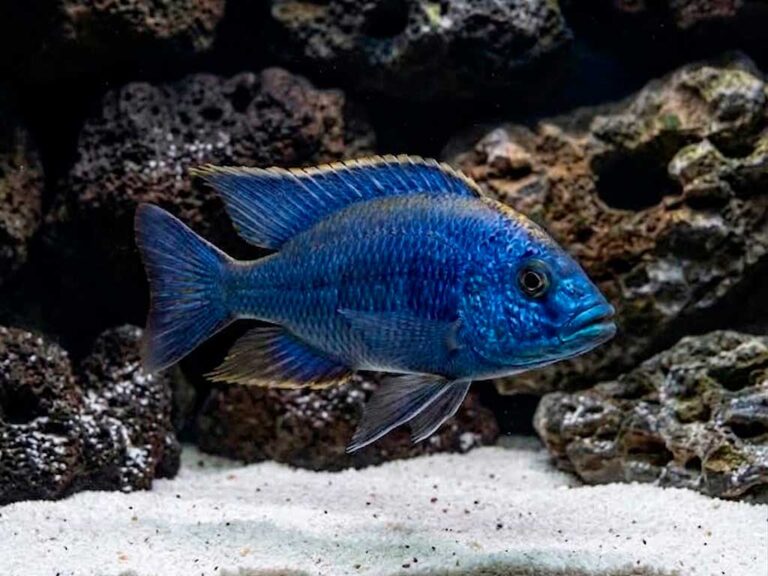
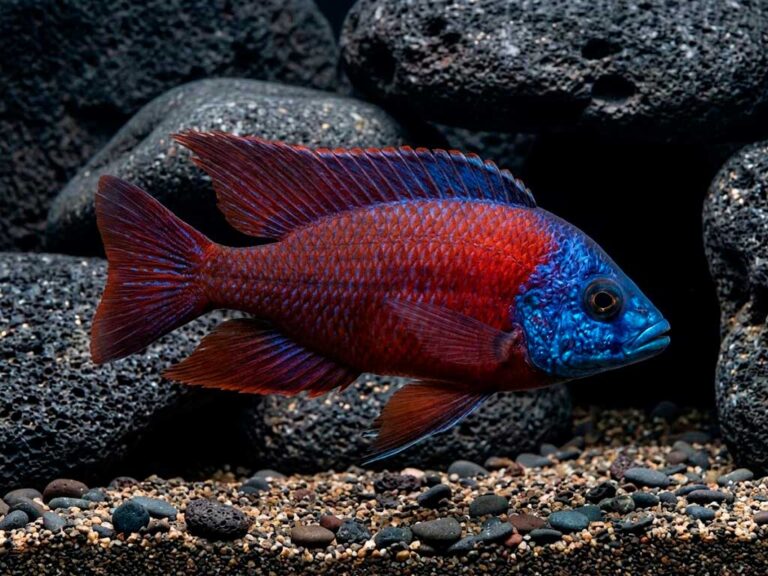
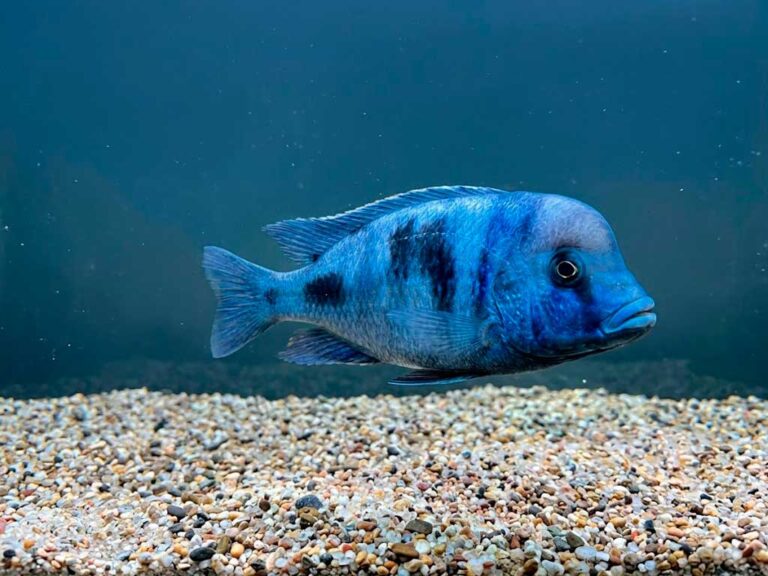
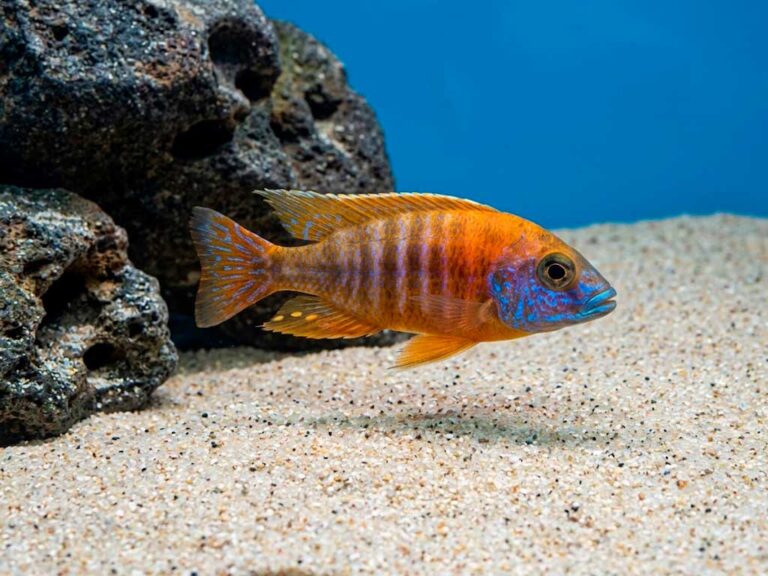
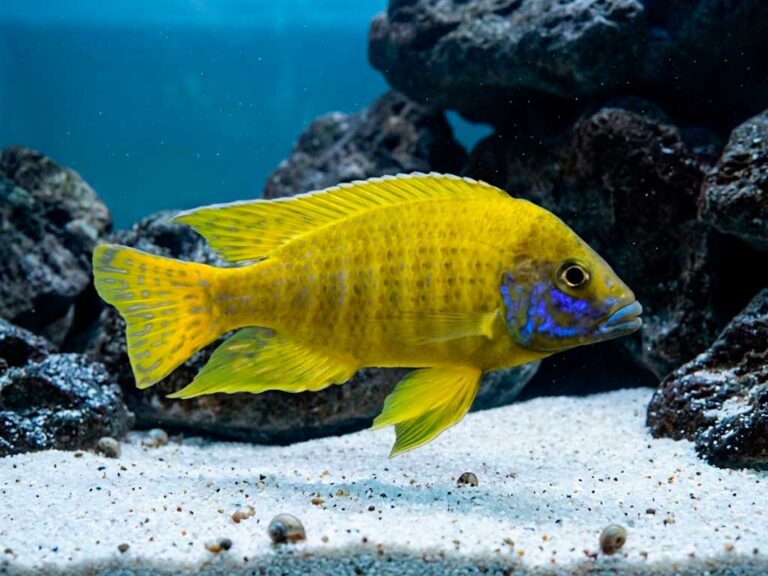
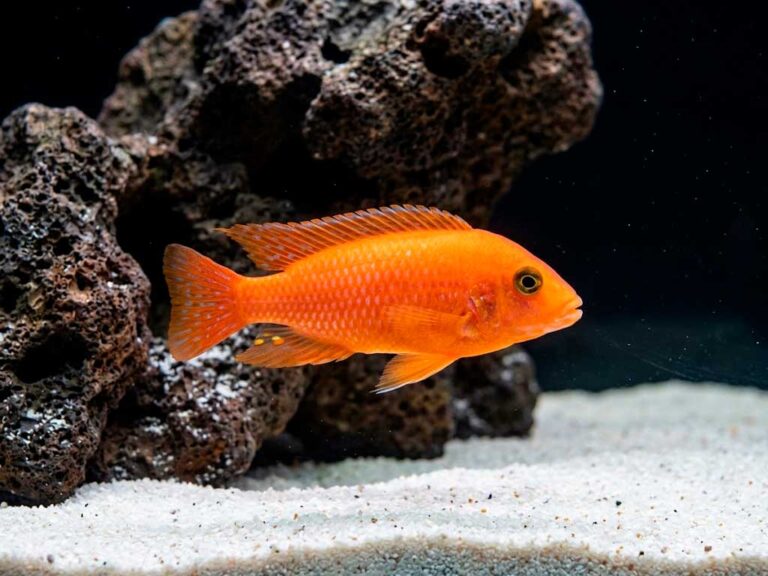
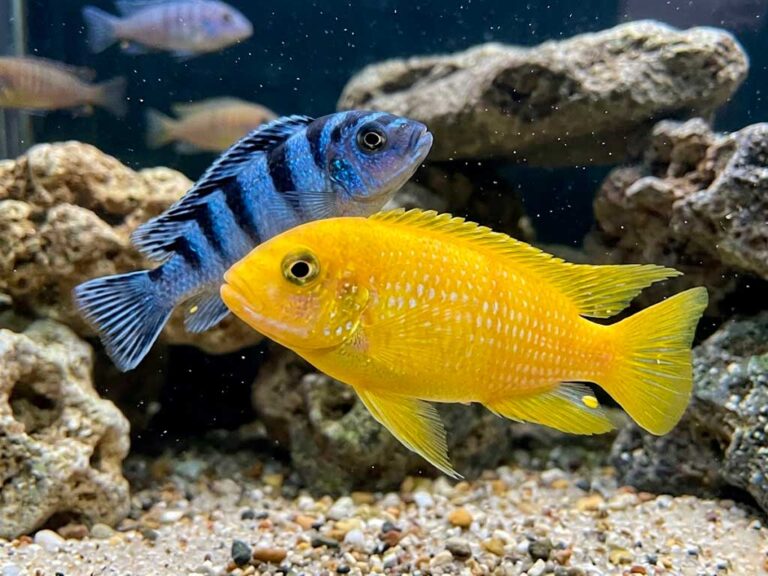
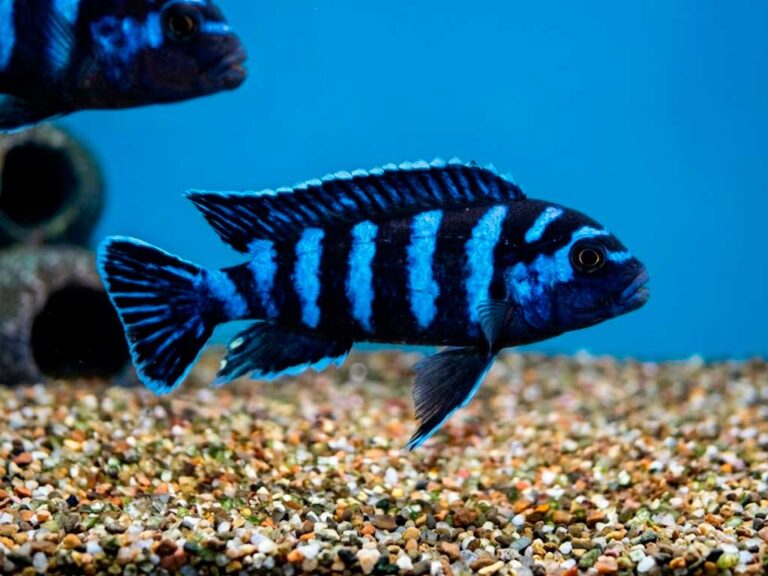
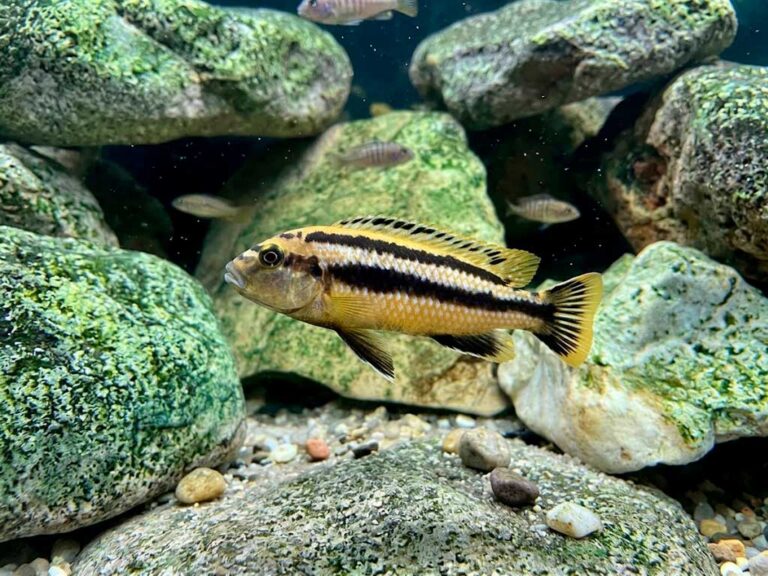
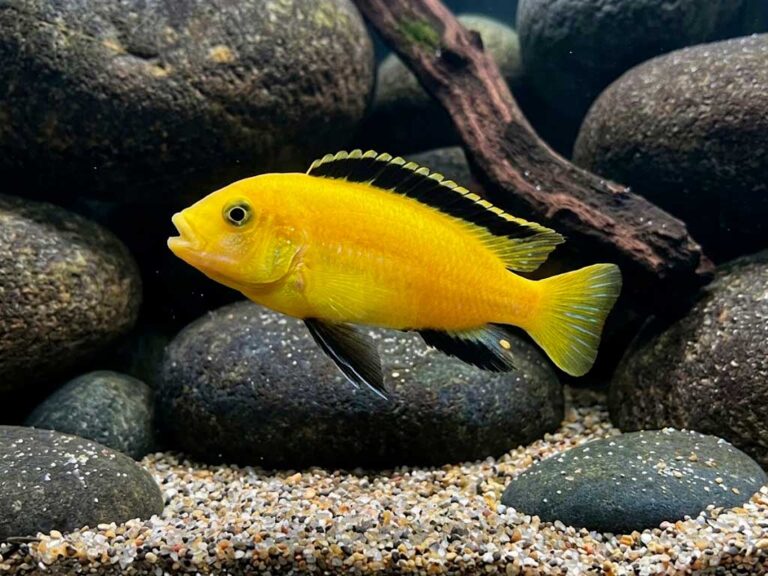
- Evolution & Diversity: Lake Malawi features hundreds of unique species created through rapid adaptive radiation.
- Main Groups: The population divides into Mbuna (rock-dwellers that scrape algae in shallows) and Utaka/non-Mbuna (open-water and sandy-expanse rovers).
- Visual Appeal: Their vibrant coloration makes these tanks comparable to saltwater reef setups.
- Stocking & Aquascaping: Managing aggression requires slight overstocking, vertical slate walls, caves, and sandy patches.
- Maintenance: High bioloads demand regular, substantial water changes and robust filtration.