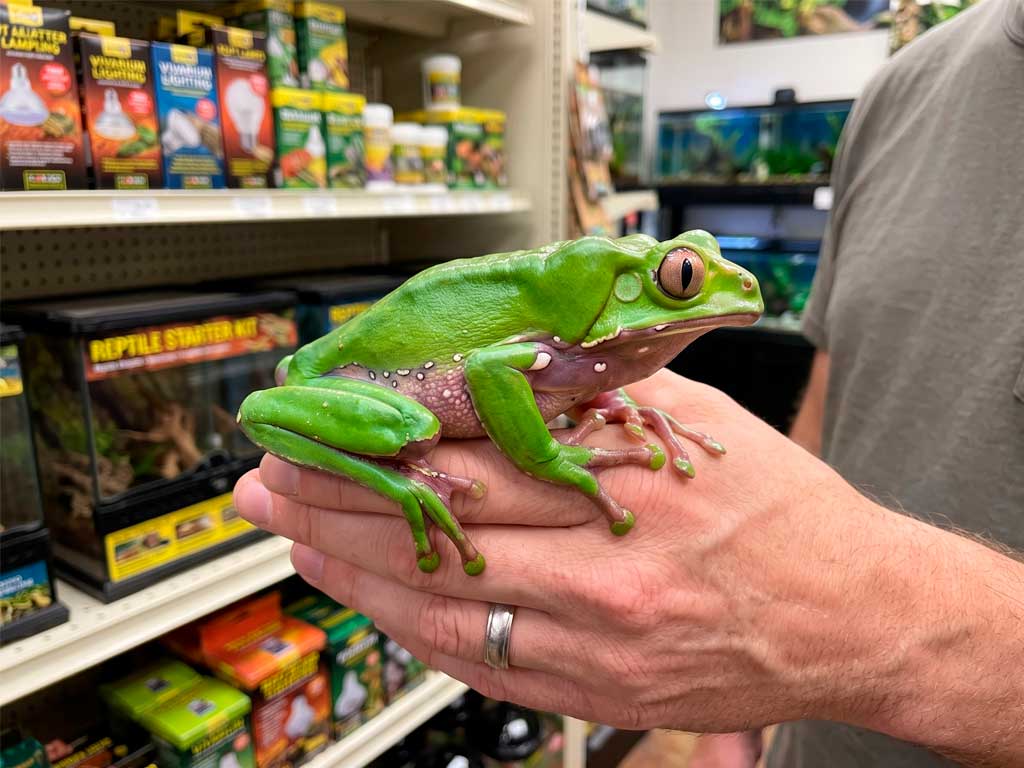
Reptile Care Guide: Everything You Need to Know Before You Buy One
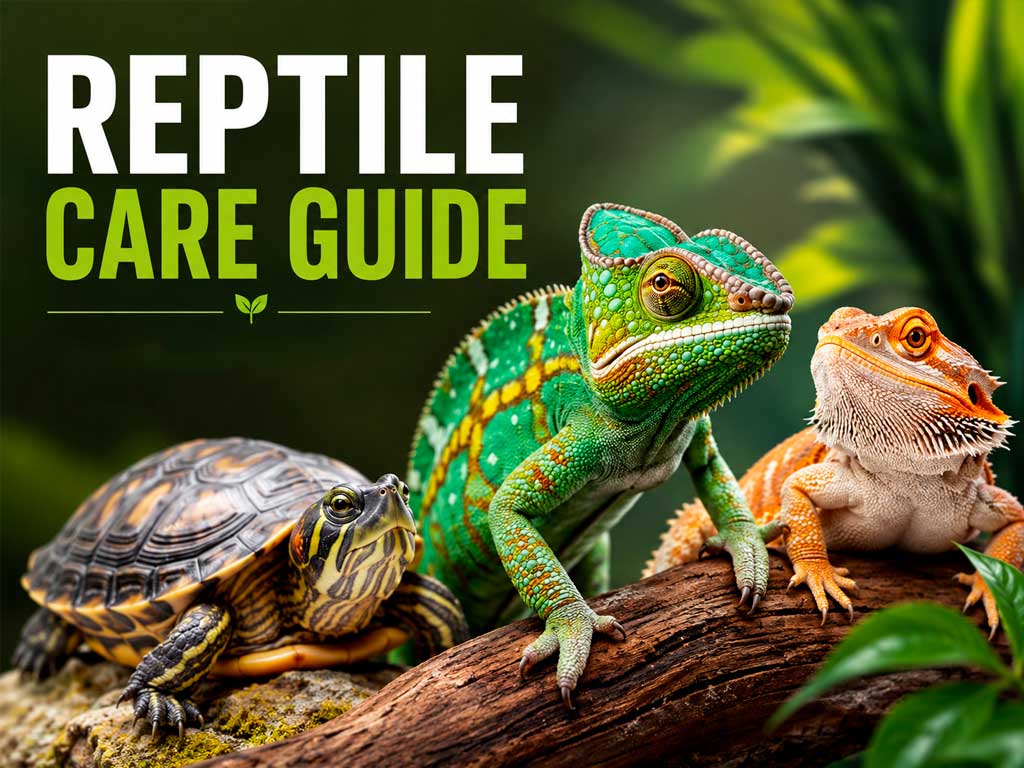
Contrary to what most pet stores tell you, a reptile is not the “easy pet” you get instead of a dog. This reptile care guide breaks down what actually goes into keeping one alive and thriving, and none of it is complicated once you understand the reasoning behind it.
I’ve worked with everything from leopard geckos to blue-tongue skinks, and almost every beginner mistake traces back to the same handful of gaps the wrong light, the wrong temperature gradient, or a diet that looks balanced but isn’t.
Here’s the myth: that reptiles need less attention than furry pets. What they actually need is different attention, precise and consistent, and easy to get wrong if nobody tells you the specifics.
This reptile care guide covers the full picture on purpose, not just the fun parts. That means habitat setup, lighting, diet, and the health red flags nobody mentions at the pet store checkout counter, because leaving any one of those out is exactly how a reptile ends up sick within its first year.
By the end, you’ll know how to set up a habitat that works with your reptile’s biology instead of against it, which species make sense for a first-timer, and the handful of mistakes that send more reptiles to the vet than anything else.
Quick answer: a beginner-friendly reptile setup needs a properly sized enclosure, species-appropriate UVB and heat, a calcium-and-D3 supplementation routine, and a diet matched to whether the species eats insects, greens, or both. Skip any one of those four pillars and problems show up eventually, even if the animal looks fine at first.
What Makes a Good First Reptile (and What Doesn’t)
Not every reptile sold as “beginner-friendly” actually is. Size at maturity matters more than size at the pet store a hatchling iguana looks manageable, but adults can hit five feet and need a room, not a tank.
Handling tolerance varies a lot by species, too. Leopard geckos and bearded dragons generally tolerate gentle handling once settled, while some chameleons and many snakes would rather be left alone entirely. If you want an animal you can interact with regularly, that distinction matters before you buy, not after.
Dietary complexity is the other filter people skip. Insectivores need a rotating supply of feeder insects, which means either breeding your own or a standing grocery bill. Herbivorous species need daily fresh greens, which is a different kind of commitment than a bowl of pellets.
Quick safety note: lifespan catches people off guard constantly. A leopard gecko can live 15-20 years, a tortoise can outlive its owner. Buying a reptile is closer to adopting a dog than picking up a goldfish, so plan for the decade-plus commitment before you fall for the cute hatchling at the store.
Budget matters too, and it’s the part most first-time buyers underestimate. The animal itself is often the cheapest line item a proper enclosure, UVB fixture, thermostat, and heat source usually run higher than the reptile’s purchase price, sometimes by a wide margin.
Factor in ongoing costs like feeder insects, fresh greens, and UVB bulb replacements every 6-12 months, and a realistic first-year budget looks nothing like the sticker price on the animal alone.
Setting Up the Habitat: Terrarium Basics
Get the enclosure right and most other problems become smaller. Get it wrong, and no amount of diet tweaking fixes it.
Tank Size and Enclosure Type
Bigger is almost always safer than smaller. A cramped enclosure stresses reptiles in ways that aren’t always obvious reduced appetite, hiding constantly, glass surfing along the walls.
Glass terrariums work well for species that need visible humidity and front-opening access. PVC or wood enclosures hold heat and humidity more efficiently for tropical species, which matters once you’re trying to keep a chameleon or tree frog-adjacent setup stable.
Screen-top enclosures suit desert species that need serious airflow and lower humidity, like uromastyx or many bearded dragons.
FROM AMAZON.COM
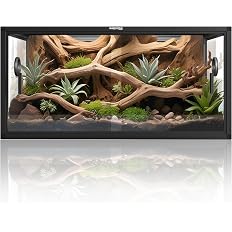
50 Gallon Reptile Enclosure — Aluminum Frame, Front Sliding Glass Door
Heavy-duty mesh top for ventilation, tempered glass sliding doors with handles for easy daily access and maintenance.
Buy on Amazon.comAs an Amazon Associate, we earn from qualifying purchases. Happy Pet Zone may earn a commission when you click through to Amazon.com, at no extra cost to you.
Substrate: What Works and What to Avoid
Loose substrates like sand marketed as “reptile-safe” cause real impaction problems in some species, particularly young or underweight animals.
Not as scary as it sounds if you match substrate to species bioactive soil blends work for humidity-loving species, while paper towel or reptile carpet is the safer default for anyone still learning a species’ habits.
Avoid cedar and pine shavings entirely. Both release aromatic oils that irritate a reptile’s respiratory system over time, and the damage builds slowly enough that owners often don’t connect it to the substrate at all.
Enrichment and Hides
A bare tank with a water bowl technically counts as an enclosure, but it isn’t good reptile care. Most species need at least two hides one on the warm end, one on the cool end so the animal can feel secure while still choosing its preferred temperature.
Climbing branches, basking platforms, and visual barriers all reduce stress measurably in species that display it through glass surfing or refusing to eat. Pixel, my leopard gecko, ignored her food entirely for the better part of a week after I moved her into a bare quarantine tank, and went straight back to normal once she had a hide to retreat into.
UVB Lighting and Heat: The Two Things Beginners Get Wrong
Most diurnal reptiles cannot survive long-term without UVB light, full stop. Skipping it isn’t a shortcut it’s the single fastest way to end up with a sick animal, because without UVB exposure, a reptile can’t synthesize the vitamin D3 it needs to actually use dietary calcium.
FROM AMAZON.COM
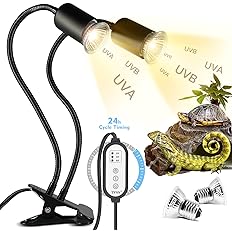
TFNN Reptile Heat Lamp — Double-Head UVA UVB Light, 25W + 50W
Clamp-on dual-head lamp with intelligent cycle timer. Covers both UVA and UVB needs for turtles, bearded dragons, lizards, and more.
Buy on Amazon.comAs an Amazon Associate, we earn from qualifying purchases. Happy Pet Zone may earn a commission when you click through to Amazon.com, at no extra cost to you.
Bulb placement trips people up constantly. Glass and most plastics block nearly all UVB output, so a lamp positioned over a screen top works while one behind glass does essentially nothing.
Here’s the myth that any warm bulb counts as a heat source. Reptiles need a temperature gradient, a hot basking spot on one end and a cooler retreat on the other, so the animal can move between zones and regulate its own body temperature the way it would in the wild.
A single bulb heating the whole tank evenly removes that choice entirely, and that’s a bigger welfare problem than most new owners realize.
Quick checklist for lighting and heat:
- UVB bulb rated for your species’ Ferguson Zone, replaced every 6-12 months
- Basking bulb positioned to create a real hot spot, not ambient warmth
- Digital thermometer and hygrometer at both ends of the enclosure, not just one
- A thermostat on any heat source stronger than a small basking bulb
Feeding and Diet Basics Across Species
Insectivorous species like leopard geckos and crested geckos need gut-loaded feeder insects, meaning the insects themselves eat a nutrient-dense diet for at least 24 hours before they’re offered.
A cricket straight from a bulk bag is nutritionally hollow compared to one that’s been gut-loaded properly.
Herbivorous reptiles, tortoises especially, do best on a rotating mix of dark leafy greens rather than the same lettuce every day.
Variety isn’t just for enrichment here different greens carry different calcium-to-phosphorus ratios, and rotating them evens out gaps that a single green leaves behind.
Feeding frequency shifts with age. Juveniles of most species eat daily because they’re growing fast, while adults often do fine on an every-other-day or few-times-a-week schedule depending on the species.
Overfeeding an adult insectivore is a quieter problem than underfeeding, since the weight gain sneaks up gradually and often goes unnoticed until a vet visit flags it.
Omnivorous species like bearded dragons split the difference, needing both regular greens and appropriately-sized insects in roughly the right ratio for their life stage. Younger dragons lean insect-heavy for growth, while adults shift toward mostly greens with insects as a smaller supplement get that ratio backwards for long enough and weight problems follow.
Calcium, Vitamin D3, and Reptile Care Mistakes That Cause MBD
Calcium and phosphorus need to stay roughly balanced in a reptile’s diet, and when that balance tips too far toward phosphorus, the body starts pulling calcium out of the bones to compensate. Left unaddressed, that process is exactly what causes Metabolic Bone Disease, a condition covered in depth in our complete guide to MBD in reptiles.
Dust feeder insects with a calcium supplement at nearly every meal for growing insectivores. Calcium with added D3 should be used more sparingly, since too much vitamin D3 can cause its own problems, and your vet is the right person to fine-tune that frequency for your specific animal.
This isn’t a topic to guess your way through. A reptile-experienced vet can check bone density and blood calcium levels well before symptoms become visible to an untrained eye, so a baseline checkup in the first year is worth the cost even if nothing looks wrong yet.
Humidity and Water: Getting the Balance Right
Desert species and tropical species need almost opposite humidity setups, and using the wrong one is a slow-burn problem rather than an immediate one. A desert species kept too humid develops respiratory issues over months; a tropical species kept too dry struggles to shed properly.
A hygrometer earns its cost here guessing humidity by eye is unreliable even for experienced keepers. Misting schedules, water dishes, and live plants all shift humidity differently, so the right combination depends entirely on what your specific species evolved to handle.
Standing water dishes need cleaning more often than most new owners expect. Bacteria builds up fast in warm, humid enclosures, and a dirty water source causes more low-grade illness than people tend to suspect.
Health Red Flags Every Reptile Owner Should Know
Lethargy that doesn’t resolve after a day or two is worth watching closely. So is a sudden drop in appetite that lasts more than a week in an adult, since reptiles hide illness well and often show almost nothing until a problem is fairly advanced.
Watch for tremors, dragging limbs, or a jaw that feels unusually soft these are classic early warning signs of MBD specifically. Swollen joints, visible weight loss despite normal eating, and discharge from the eyes or nose all warrant a vet visit rather than a wait-and-see approach.
Following the habits laid out in this reptile care guide catches most problems early, but health issues can still slip through even with solid husbandry. That’s exactly why the annual vet visit mentioned earlier matters, since it catches what daily observation alone sometimes misses.
This guide provides general educational information and isn’t a substitute for veterinary care. If your reptile shows any of the signs above, a reptile-experienced exotic vet is the right call, not a home remedy.
Ongoing Reptile Care: What Owning One Actually Looks Like Week to Week
The habits in this reptile care guide only work if they turn into a routine, not a one-time setup checklist. Most keepers underestimate how much of that routine happens weekly rather than daily, and that mismatch is where habits slip.
- Daily: spot-check the water dish, confirm the basking spot is holding its target temperature, and observe behavior for anything off reduced activity, refusing food, unusual hiding.
- Weekly: deep-clean water dishes, restock feeder insects or greens, and check UVB bulb output if you’re using a meter, since output degrades well before the bulb visibly dims.
- Monthly to yearly: replace UVB bulbs on schedule regardless of whether they still look fine, weigh the animal to track growth or unexplained loss, and book an annual exotic vet visit even when nothing looks wrong. That last one is the step people skip most often, and it’s the one that catches problems like early bone demineralization before symptoms appear.
Choosing Your First Reptile: Quick Picks by Experience Level
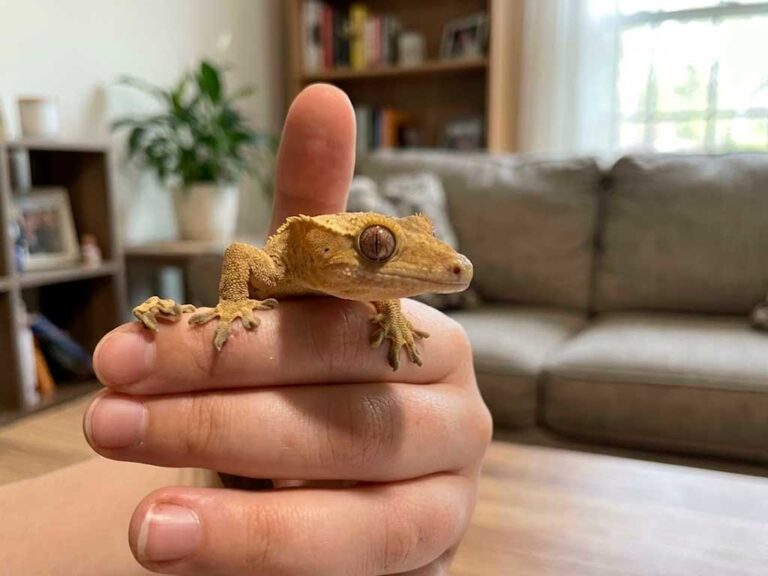
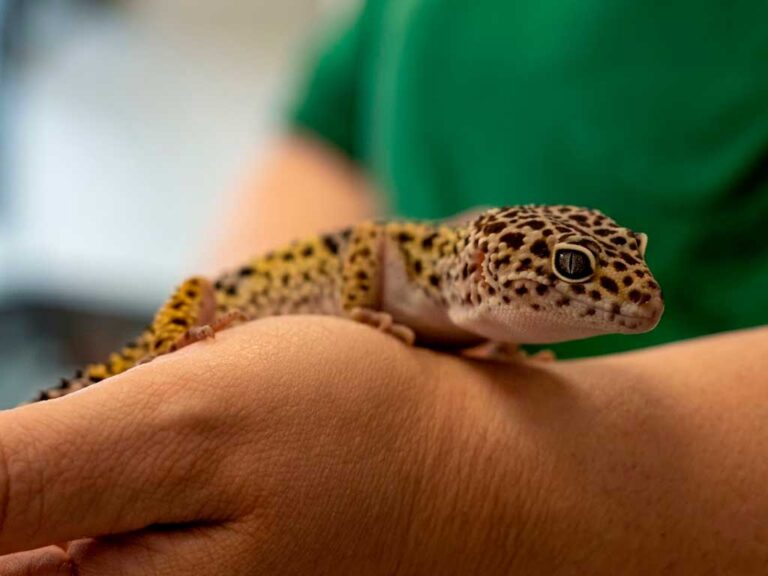
Absolute beginner: Leopard geckos and crested geckos handle beginner mistakes better than most species, largely because they’re forgiving of minor temperature swings and don’t require the intense UVB output that desert species do. Our top 5 beginner geckos breaks down the differences between them in more detail.
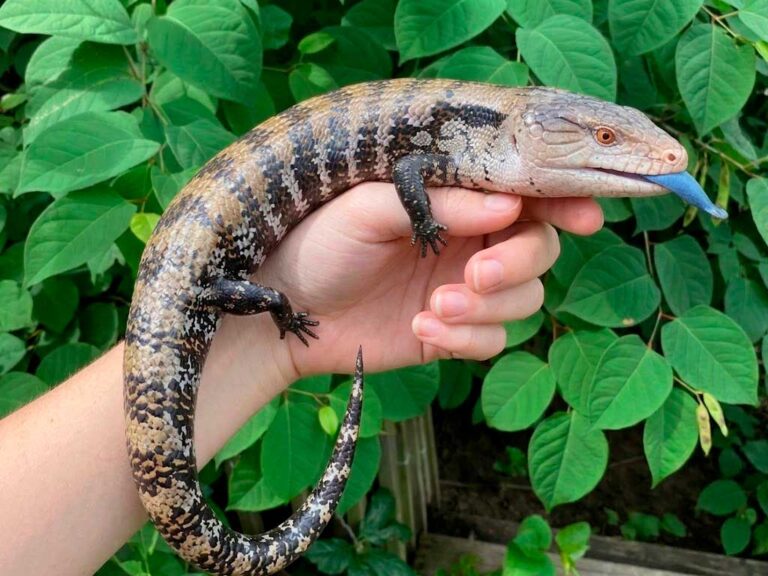
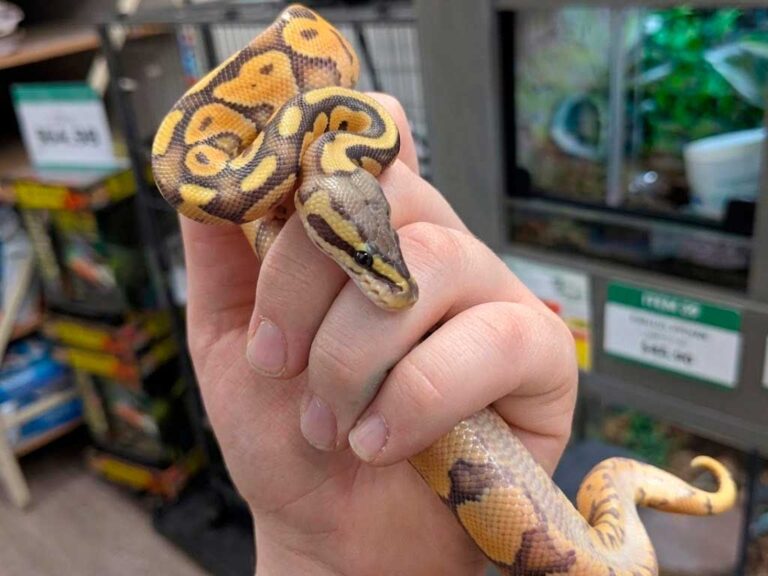
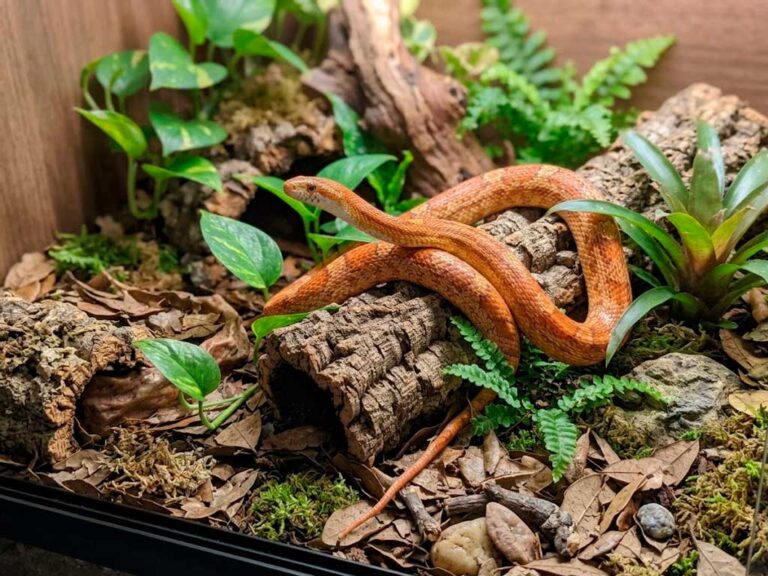
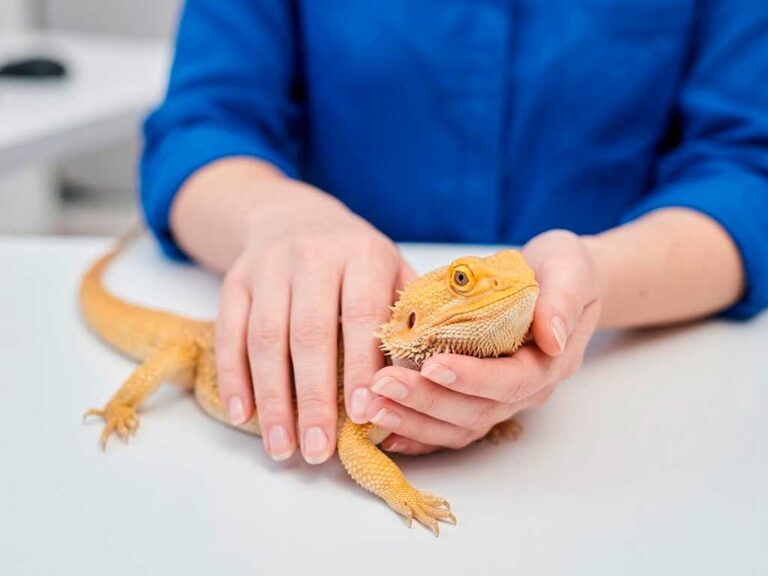
Ready for more structure: Bearded dragons reward owners who can commit to a proper UVB and feeding routine, and they’re genuinely interactive once settled. Blue tongue skinks are arguably even friendlier, if you have the floor space for one. Ball pythons and corn snakes work well here too for anyone drawn to snakes over lizards.
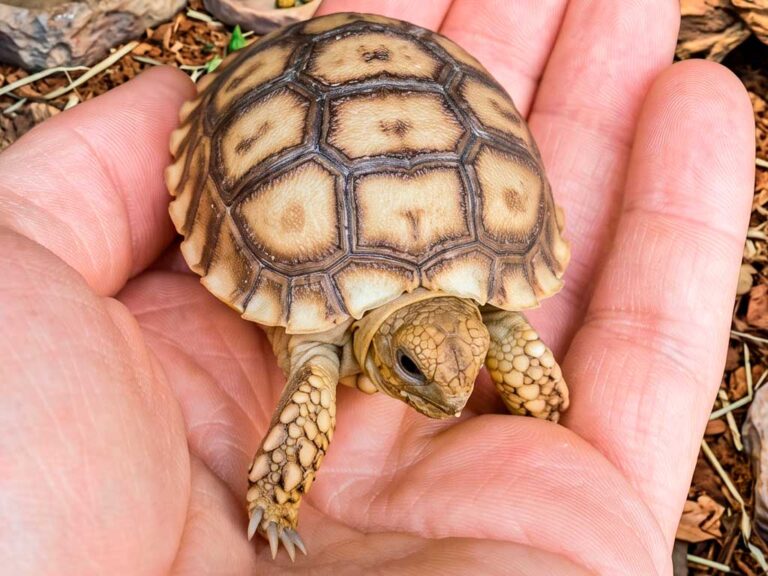
Comfortable with a long-term commitment: Tortoises live for decades and need outdoor access in most climates, which is a bigger ask than a glass tank on a shelf. If you’re weighing lizard species by adult size before committing, our guide to choosing a pet lizard by size is worth reading first.
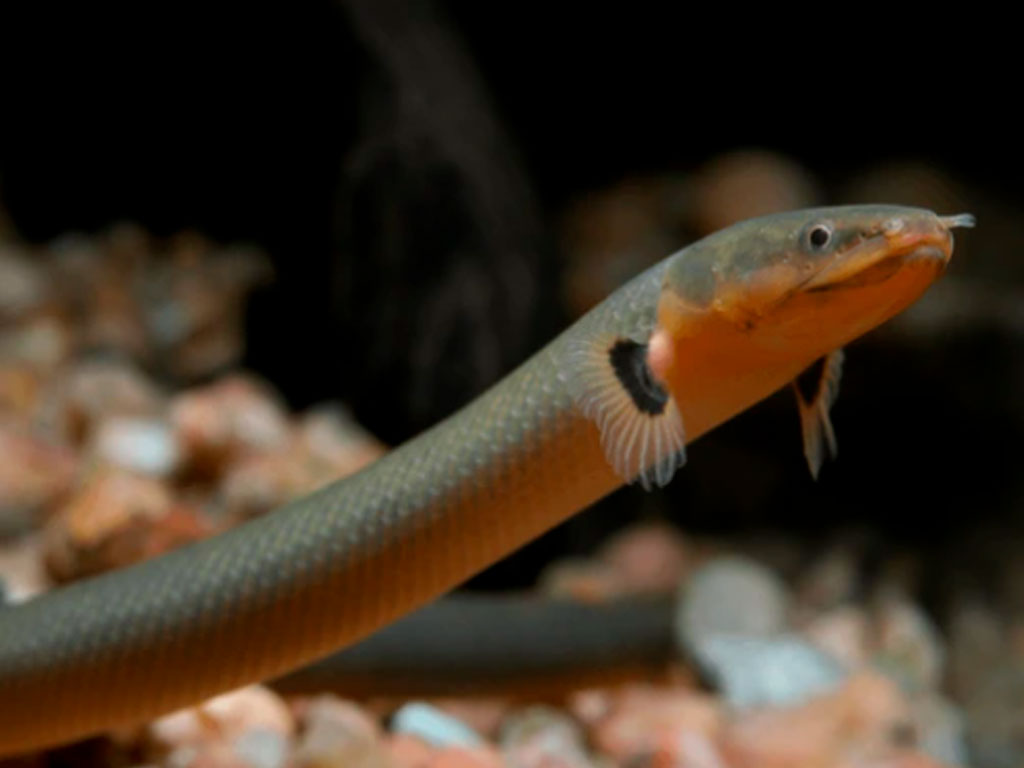
Looking outside the usual suspects: A handful of species get overlooked entirely despite being genuinely solid choices we cover several of them in the most underrated reptile pets for anyone who wants options beyond the pet store’s usual lineup. For something with more personality and a real handling history, Calabar pythons are a genuinely underrated pick worth a look too.
Common Reptile Care Mistakes First-Time Owners Make
Buying the enclosure before researching the species is the most common one, and it’s an expensive one to fix. A screen-top desert setup doesn’t work for a tropical species that needs high humidity, and swapping enclosures mid-ownership is stressful for the animal and the wallet both.
Skipping the thermostat is another. A basking bulb without a thermostat can run hot enough to cause burns, especially in smaller enclosures where the bulb sits closer to the animal than intended.
Guessing at supplementation frequency instead of following species-specific guidance causes slow, hard-to-notice problems that surface months later. And impulse-buying a reptile at an expo or big-box store without researching the species first is how most rehoming situations start, so give yourself a week to research before you commit to bringing one home.
Frequently Asked Questions
Ready to Bring One Home? Start With the Right Species
Every mistake covered in this reptile care guide traces back to the same root cause: buying first and researching second. Flip that order, match the species to your actual lifestyle and experience level, and most of the hard part is already behind you before the animal even gets home.
None of this requires expert-level knowledge on day one it requires the willingness to look things up before assuming, and to treat the habitat setup as seriously as the animal itself. That’s really the whole difference between a thriving reptile and a struggling one, and it’s well within reach for a first-time owner who takes it step by step.
Not as scary as it sounds, once you know what you’re looking for.