How to Care for a Tortoise: Complete Beginner Guide
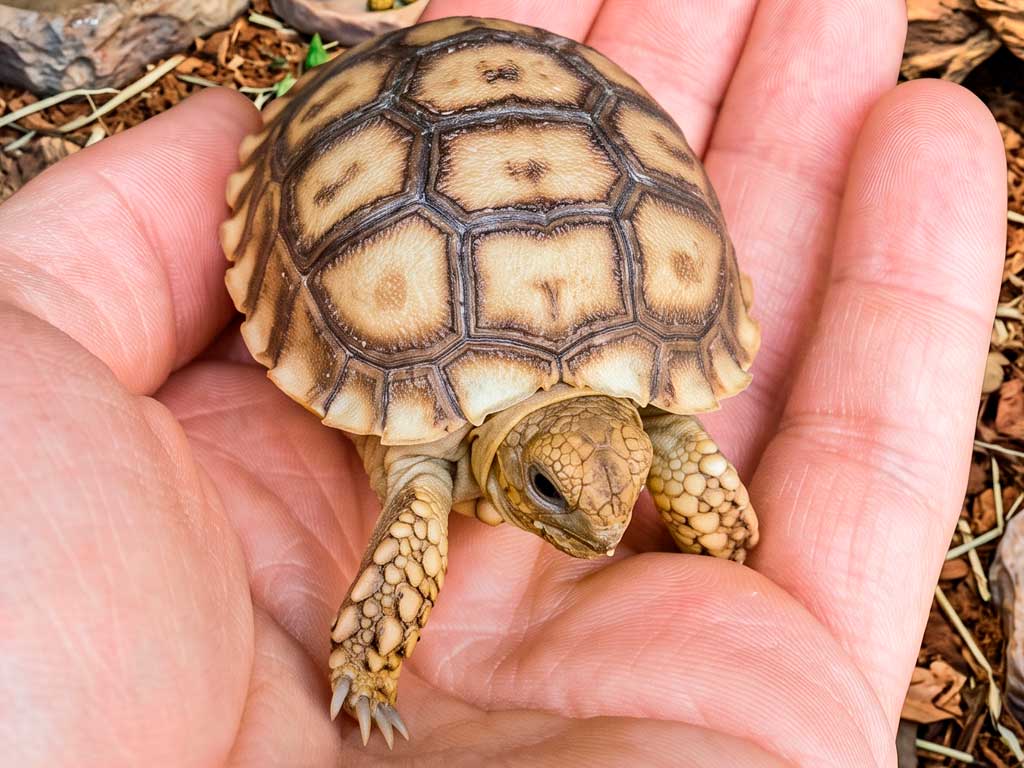
Contrary to what the “tortoises are basically rocks that eat lettuce” crowd will tell you, how to care for a tortoise properly is a bigger commitment than almost any other pet on this site and I mean that as a compliment to the animal, not a warning label.
I’ve worked with everything from leopard geckos to Sulcata tortoises, and tortoises are the one species where “did you actually think this through” matters more than any single piece of husbandry advice I can give you.
Quick facts: Pet tortoises commonly kept in the US and UK include Russian, Sulcata, Greek, and Red-Footed tortoises, with lifespans ranging from 40 years for a Russian to 80+ years for a Sulcata. They’re diurnal, mostly herbivorous, and need outdoor access or serious UVB exposure to thrive long-term.
Is a Tortoise Right for Your Family?
A tortoise is not a starter pet, and it’s genuinely not a great fit for young children as the primary caretaker, even though they’re often marketed that way. Handling stresses tortoises more than people expect, they’re not especially interactive compared to a dog or even a bearded dragon, and the decades-long lifespan means the adult in the household is the one truly signing up, not the kid asking for one.
Here’s the thing though: a child doing real research before bringing a tortoise home and deciding it’s not the right fit isn’t a failure, it’s exactly the outcome good research is supposed to produce.
I’ve talked to more than one parent whose kid dug into what tortoise ownership actually involves and backed off on their own, and every time, that’s a ten-year-old making a more informed decision than plenty of adults make about pets. That’s worth being proud of, not something to feel bad about.
If the family decides to move forward anyway, go in with clear eyes about the cost, the enclosure size, and the daily routine, and treat the tortoise as a household commitment rather than one kid’s responsibility. The rest of this guide covers how to care for a tortoise in detail, from housing through hygiene, so that commitment starts on solid ground.
Choosing a Species
Russian tortoises are the most apartment-friendly option, staying relatively small at 6-8 inches and tolerating cooler, drier conditions better than most species. Greek tortoises are similarly sized and similarly manageable, making both solid picks for a first-time keeper with limited space.
Sulcata tortoises are the opposite end of the spectrum genuinely cute as hatchlings, but they grow into 100+ pound animals that need a literal backyard, not a terrarium. Red-Footed tortoises fall in the middle, needing more humidity than Russians or Greeks and benefiting from some fruit in their diet, unlike the mostly-grazing species.
Whatever species you choose, buy from a reputable breeder rather than an unverified import. Wild-caught and improperly imported tortoises carry a much higher parasite load and a rougher start in captivity than captive-bred animals do.
Indoor vs. Outdoor Housing
Outdoor housing is the better long-term option for most species in a suitable climate, since it gives the tortoise real sunlight, room to graze, and space to actually move the way a tortoise wants to move. A secure, predator-proof enclosure with solid walls (tortoises dig and climb more than people expect) is non-negotiable if you go this route.
Indoor housing works too, especially through colder months, but skip glass aquariums entirely they trap heat poorly and restrict airflow in a way that causes real respiratory problems. A tortoise table or a large, low-sided wooden enclosure works much better than anything marketed as a standard reptile tank.
Size scales with species and age, but the general rule is three times the tortoise’s shell length by four times its width as a working minimum, sized up as the animal grows.
Substrate
Skip loose substrates that can’t hold moisture or that pose an impaction risk, including gravel, walnut shell, and cedar or pine bedding, all of which cause real harm if ingested. A mix of coconut coir and organic topsoil, or cypress mulch for humidity-loving species like Red-Foots, gives a safer surface that also supports natural digging behavior.
Keep the substrate damp but not soaked, since a properly humid microclimate is one of the more overlooked factors in preventing shell pyramiding, a permanent deformity where the shell’s scutes grow into raised, uneven bumps instead of lying flat.
Heat and UVB Lighting
Tortoises need a basking area between 85-100°F depending on species, with cooler zones elsewhere in the enclosure so the animal can self-regulate. Ambient temperature matters here too, since a tortoise that’s cold throughout can’t digest food properly even with a warm basking spot available.
UVB is essential unless the tortoise gets regular direct sunlight, since it’s the only practical way to produce the vitamin D3 needed to absorb dietary calcium. Without it, tortoises develop Metabolic Bone Disease, which in young or growing animals is frequently fatal and in adults causes permanent shell softening and limb deformities. Replace UVB bulbs every 6-12 months regardless of whether they still look fine, since output fades well before the bulb visibly dims.
Diet and Feeding
Most pet tortoise species are primarily grazers, eating dark leafy greens, edible weeds like dandelion and plantain, and a small amount of vegetables as the bulk of a healthy diet. Red-Footed and Hingeback tortoises are the exception, needing a bit of animal protein and more fruit than grazing species like Russians, Greeks, or Sulcatas.
Avoid feeding a high volume of fruit to grazing species, since it can cause intestinal upset over time, and skip animal protein entirely for those same species unless a vet specifically recommends otherwise. Dust food with calcium powder a couple times a week, and keep fresh water available at all times even though tortoises don’t drink from bowls as visibly as other pets do.
Toxic Plants and Foods
Several common garden plants are genuinely dangerous, including azaleas, foxgloves, buttercups, hydrangeas, daffodils, and morning glory. Avocado and citrus fruit belong on the same list, and neither should ever end up in a tortoise’s enclosure or diet.
If you’re keeping a tortoise outdoors with access to a garden, it’s worth doing a full pass of the yard before the enclosure goes up, since several of these plants are common enough that most yards have at least one.
Handling Your Tortoise
Pick a tortoise up with both hands under the shell, supporting its full weight rather than gripping the edges. Dropping a tortoise, even from a low height, can crack the shell and cause a life-threatening infection, so handling should always happen close to the ground and never while walking around.
Quick safety note: this is exactly why handling is a supervised, adult-guided activity when kids are involved, not something to leave a child managing solo. A tortoise’s instinct is to retreat into its shell or scratch at the air when lifted, and that startle response combined with a shell that can genuinely shatter is a real reason to keep handling calm, low, and infrequent.
Salmonella: What Every Tortoise Owner Should Know
This is worth covering properly, because most care guides mention it in a single throwaway line, and that does families a disservice. Tortoises, like nearly all reptiles, naturally carry Salmonella bacteria in their gut as part of their normal flora. This isn’t a sign of a sick or dirty animal it’s simply biology, and it’s true of essentially every pet tortoise, healthy or not.
The bacteria spreads through a fecal-oral route, meaning it’s transmitted by touching the tortoise, its enclosure, its water dish, or its habitat, and then touching your mouth or face without washing your hands in between. It is not spread through the air, and simply being near a tortoise or watching it from across the room carries no risk at all.
Public health guidance is specific about who should take extra precautions: households with children under 5, pregnant individuals, older adults, and anyone with a weakened immune system face a higher risk of serious illness if infected, and reptiles generally aren’t recommended as pets in those situations. A healthy ten-year-old handling a tortoise with consistent hygiene habits is a very different risk profile than a toddler who still puts hands in their mouth reflexively.
In practice, the precautions are straightforward and become routine fast:
- Wash hands thoroughly with soap and water immediately after handling the tortoise, its enclosure, or anything in its habitat
- Don’t let the tortoise roam freely through kitchens or anywhere food is prepared
- Clean the enclosure and water dish somewhere other than a kitchen sink
- Supervise handling for younger children and reinforce handwashing as a non-negotiable step, every time
- Avoid kissing or snuggling the tortoise close to your face
Taken together, these habits reduce the real risk to something manageable for the vast majority of households. A kid doing their own research and deciding a tortoise isn’t right for their family right now is a completely reasonable outcome, and it doesn’t mean tortoises are secretly dangerous pets — it means the research worked exactly as intended. Plenty of families read the same information, build the habit of washing hands after handling, and go on to keep tortoises safely for decades.
This section provides general educational information and isn’t a substitute for guidance from a pediatrician, physician, or veterinarian, particularly for households with young children or anyone with a weakened immune system.
Hibernation in Captivity
Several species, including Russian and Greek tortoises, hibernate in the wild, but captive hibernation isn’t necessary and carries real risk, especially in the first year of ownership. An underlying illness can turn hibernation fatal, and cold, wet winters in many parts of the US and UK are harsher than what these species evolved to handle.
A tortoise kept warm and properly lit through winter does not need to hibernate to stay healthy. If a tortoise stops eating, goes lethargic, and won’t open its eyes outside of a deliberate, vet-guided hibernation process, that’s not hibernation — it’s a health emergency that needs immediate attention.
Health Red Flags and When to See a Vet
Book an initial exam with a reptile-experienced exotic vet as soon as you bring a tortoise home, including a fecal test for parasites, since imported and even some captive-bred tortoises commonly carry them. Follow up with annual checkups after that, even when everything looks normal.
Watch for shell pyramiding, soft or flaking shell patches, discharge from the eyes or nose, and any reluctance to bear weight on the legs — these all warrant a vet visit rather than a wait-and-see approach. A tortoise that stops eating for more than a few days outside of a planned hibernation period needs attention quickly, since tortoises hide illness well and often look “fine” until a problem is fairly advanced.
This guide provides general educational information and isn’t a substitute for veterinary care. If your tortoise shows any of the signs above, a reptile-experienced exotic vet is the right call, not a home remedy.
Frequently Asked Questions
How long do pet tortoises live?
It varies widely by species, from around 40 years for a Russian tortoise to 80 years or more for a Sulcata, so a tortoise is a genuine multi-decade commitment.
Is it safe for kids to have a pet tortoise?
Yes, for most healthy children over five, provided handling is supervised and handwashing after contact is a consistent habit. Extra caution applies for households with children under 5 due to Salmonella risk.
Do tortoises carry Salmonella?
Nearly all reptiles, including tortoises, naturally carry Salmonella as part of their normal gut bacteria. It spreads through contact with feces followed by touching your face, not through the air or casual proximity.
Do pet tortoises need to hibernate?
No. While some species hibernate in the wild, captive tortoises kept warm and properly lit through winter don’t need to hibernate to stay healthy.
What do tortoises eat?
Most species are primarily grazers, eating dark leafy greens and edible weeds, with Red-Footed and Hingeback tortoises needing more fruit and some animal protein as exceptions.
How big of an enclosure does a tortoise need?
It depends heavily on species, from a modest tortoise table for a Russian to a literal backyard for an adult Sulcata, so research adult size before choosing a species.
Can tortoises live outdoors?
Yes, and outdoor housing is often the better long-term option in a suitable climate, provided the enclosure is secure and predator-proof.
What plants are toxic to tortoises?
Azaleas, foxgloves, buttercups, hydrangeas, daffodils, and morning glory are all dangerous, along with avocado and citrus fruit.
Why shouldn’t I drop or grip my tortoise by the shell edges?
A dropped tortoise can crack its shell, which can lead to a life-threatening infection. Always support the full weight of the shell close to the ground.
How do I know if my tortoise is sick?
Watch for shell pyramiding or soft patches, discharge from the eyes or nose, reluctance to bear weight, and appetite loss lasting more than a few days outside of hibernation.
Getting Tortoise Care Right From the Start
Every mistake covered in this guide to how to care for a tortoise comes back to the same handful of gaps: an enclosure too small for the species chosen, UVB skipped because sunlight seemed like enough, or hygiene habits that never became routine. Fix those and tortoise care turns out to be exactly as manageable as decades of dedicated keepers have shown it to be.
Not as scary as it sounds, once the basics including the ones about hygiene, not just heat lamps are actually in place.