Crested Gecko Care: The Complete Beginner Guide

Contrary to what the “just mist it and walk away” reputation suggests, crested gecko care isn’t low-effort so much as it’s differently structured from most reptile care less about heat lamps, more about humidity and vertical space.
I’ve kept everything from bearded dragons to Sulcata tortoises, and crested geckos are honestly one of the few species where getting the temperature wrong usually means going too hot, not too cold, which trips up people coming from other reptiles.
Quick facts: Crested geckos (Correlophus ciliatus) are native to New Caledonia, an island near Australia, and were believed extinct until being rediscovered in 1994. They grow 6-10 inches long, live 15-20 years in captivity, and are arboreal, nocturnal, and largely diet-driven rather than lighting-driven when it comes to preventing health problems.
Choosing a Crested Gecko
Buy from a reputable breeder or a store with clean, well-maintained enclosures rather than the cheapest listing available. A healthy crested gecko has clear eyes, a plump tail if it still has one, and grips surfaces firmly rather than looking weak or unresponsive when it moves.
Budget for the enclosure, misting setup, and initial supplies costing more than the gecko itself in most cases, and factor in ongoing costs for commercial powdered diet and feeder insects.
Crested geckos are one of the more affordable reptiles to maintain long-term once the initial setup is in place, since the diet is simple and the temperature needs don’t require expensive heating equipment.
Enclosure Setup: Tall, Not Wide
Crested geckos are climbers first and foremost, so a tall enclosure beats a wide one every time. A 20-gallon tall tank works for one adult, with a minimum footprint around 18x18x24 inches, and taller is always better than wider if you’re choosing between two similar-volume options.

FROM AMAZON.COM
16x16x24 PVC Reptile Terrarium — 25 Gallon, Front-Opening Door
PVC build with metal mesh top, front-opening door, and upgraded handles. A practical habitat for geckos and other adult reptiles.
Buy on Amazon.comAs an Amazon Associate, we earn from qualifying purchases. Happy Pet Zone may earn a commission when you click through to Amazon.com, at no extra cost to you.
Fill the vertical space with branches, vines, and cork bark rather than leaving the middle of the tank empty. Crested geckos spend the overwhelming majority of their time off the ground, so floor space matters far less here than it does for a terrestrial species like a leopard gecko.
Substrate and the Bioactive Option
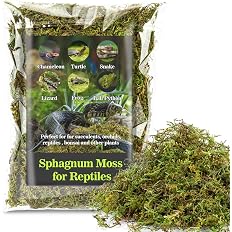
Paper towels or reptile carpet work fine and make cleaning simple, but crested geckos are genuinely one of the easiest species to keep in a bioactive setup if you want to go that route. Their humidity needs align naturally with what live plants and cleanup crews like springtails and isopods need to thrive.
FROM AMAZON.COM
Sukh Sphagnum Moss for Reptiles — Green Terrarium Substrate, 5 oz
Natural green moss bedding that retains moisture and supports humidity. Works for geckos, snakes, turtles, frogs, chameleons, and more.
Buy on Amazon.comAs an Amazon Associate, we earn from qualifying purchases. Happy Pet Zone may earn a commission when you click through to Amazon.com, at no extra cost to you.
Avoid dry, particulate substrates like sand or wood shavings entirely, since they dry out the enclosure and cause shedding problems. If you’re using a loose substrate at all, keep it damp and paired with drainage, not bone dry.
Temperature: Cooler Than You Might Expect
Here’s the myth worth clearing up: that every reptile needs a hot basking spot the way a bearded dragon does. Crested geckos actually do best around 72-80°F, with anything sustained above 85°F becoming a real risk rather than a benefit.
Skip basking lamps and heat rocks entirely both are more likely to burn a crested gecko or dry out the enclosure than help it. If your home runs cold, a low-wattage ceramic heat emitter on a thermostat is the safer way to nudge the ambient temperature up a few degrees. Also skip red or “night” bulbs for supplemental heat, since reptiles can see red light and it disrupts their natural sleep cycle even when it looks dim to us.
Humidity: The Detail That Actually Matters Most
Aim for 60–80% humidity, with brief spikes even higher right after misting, then let the enclosure dry out somewhat between mistings rather than staying constantly wet. A daily dry-out period matters here almost as much as the humidity itself, since permanently soggy conditions invite bacterial and fungal problems.
Mist once or twice daily depending on your climate, and consider an automatic misting system if manual misting becomes inconsistent. The YOUENKITY Automatic Humidity Reptile Mister is one practical option if you want to automate misting and keep a more consistent routine.
An automatic mister can save you from having to remember every misting, but it shouldn’t replace a hygrometer. Set the misting schedule around your enclosure’s actual humidity levels, and make sure the enclosure still gets a proper dry-out period between misting cycles.

FROM AMAZON.COM
Automatic Humidity Reptile Mister, Custom Humidifier Fogger
Automatic Humidity Control with Sensor, Multi-Level Settings & Custom Settings for Home, Plants, Reptiles, and Terrariums
Buy on Amazon.comAs an Amazon Associate, we earn from qualifying purchases. Happy Pet Zone may earn a commission when you click through to Amazon.com, at no extra cost to you.
A digital hygrometer is worth the small cost, since guessing humidity by eye is unreliable even for experienced keepers.
The UVB Debate
Unlike a bearded dragon, where UVB is completely non-negotiable, crested geckos convert vitamin D3 dietarily and can survive without it entirely. That said, a growing number of keepers add a low-output 2-5% UVB bulb anyway, since it may support overall health even when it isn’t strictly required for survival.
If you do add UVB, keep it low-output and positioned outside the mesh lid, and never pair it with a strong basking bulb, since that combination fights against the cooler temperatures crested geckos actually need.
Diet: The Powdered Formula That Changed Everything
Crested gecko care became much easier once complete powdered diets like Pangea and Repashy became widely available. These formulas are mixed with water to make a paste and can provide complete nutrition on their own, which is part of why metabolic bone disease is relatively uncommon in crested geckos compared with species that depend heavily on precise supplementation.
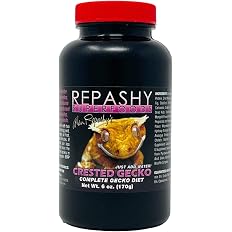
Repashy Crested Gecko Diet is a convenient option if you want a complete powdered diet that is easy to mix and serve. The banana flavor is also a simple choice for keepers looking for a ready-made staple rather than building a diet from individual ingredients and supplements.
Live insects aren’t strictly necessary, but they’re still worth offering, especially for younger geckos. The hunting behavior itself provides useful enrichment and gives your gecko something different to do at feeding time.
If you offer feeder insects, gut-load them for 24–48 hours beforehand and stick with appropriately sized, softer-bodied options such as small dubia roaches. Avoid oversized or particularly hard-shelled insects that may be more difficult for a crested gecko to digest.
FROM AMAZON.COM
Repashy Crested Gecko Diet — Banana, 6 oz
Complete meal replacement powder with banana flavor. Just mix with water — no live insects needed for a balanced crested gecko diet.
Buy on Amazon.comAs an Amazon Associate, we earn from qualifying purchases. Happy Pet Zone may earn a commission when you click through to Amazon.com, at no extra cost to you.
The important distinction is that insects are an optional addition to a complete powdered diet, not something you need to provide at every meal.
The Tail That Doesn’t Grow Back
This is the detail that trips up keepers coming from leopard geckos: crested geckos drop their tails under stress just like many other geckos, but unlike leopard geckos, that tail does not regenerate. Once it’s gone, it’s gone for good, and a fully grown adult tailless crested gecko is common enough in the hobby that it’s not considered a health crisis, just a permanent cosmetic change.
Never grab a crested gecko by the tail, and handle gently enough that a startled jump doesn’t turn into a stress-triggered drop. The good news is that a tailless crested gecko typically goes on to live a completely normal, active life.
Handling and “Firing Up”
Start with short sessions, just a few minutes at a time, and let your gecko climb onto your hand rather than grabbing it directly. Crested geckos can jump surprisingly far, so always handle them close to a safe, soft landing area in case yours suddenly decides to take off.
Watch for “firing up,” a normal behavior where a gecko’s colors become much more intense, with dark areas getting darker and lighter areas becoming more pronounced. It’s a striking thing to see.
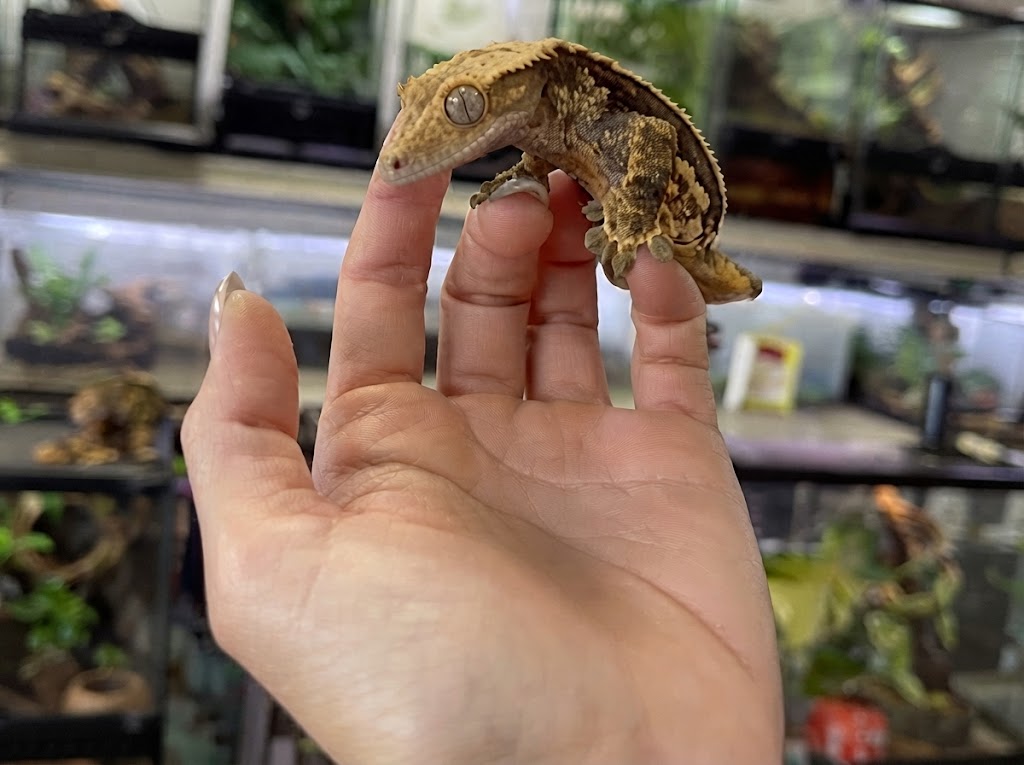
If your gecko repeatedly shows signs of stress during handling, shorten the sessions and give it more time to settle between attempts. Every gecko has its own tolerance for handling, so there’s no prize for turning a five-minute session into twenty.
Health Red Flags and When to See a Vet
Burns are one of the more preventable emergencies in this species, almost always caused by a basking bulb or heat rock that was never appropriate for a crested gecko’s cooler temperature needs in the first place. Skip both entirely rather than trying to manage the risk.
Watch for stuck shed around the toes and tail, which is common in low-humidity setups and can cut off circulation if left alone. Lethargy, weight loss, cloudy or swollen eyes, and any kinking in the spine or limbs all warrant a vet visit rather than a wait-and-see approach.
This guide provides general educational information and isn’t a substitute for veterinary care. If your crested gecko shows any of the signs above, a reptile-experienced exotic vet is the right call, not a home remedy.
Frequently Asked Questions
Getting Crested Gecko Care Right From the Start
Every mistake covered here comes back to the same handful of gaps: heat sources meant for a different species, humidity that swings too far in either direction, or handling that doesn’t respect how easily a startled gecko drops its tail. Fix those and crested gecko care turns out to be refreshingly manageable once the routine is dialed in.
Not as scary as it sounds, once the basics are actually in place.