Your First Aquarium: The Complete Beginner’s Setup Guide
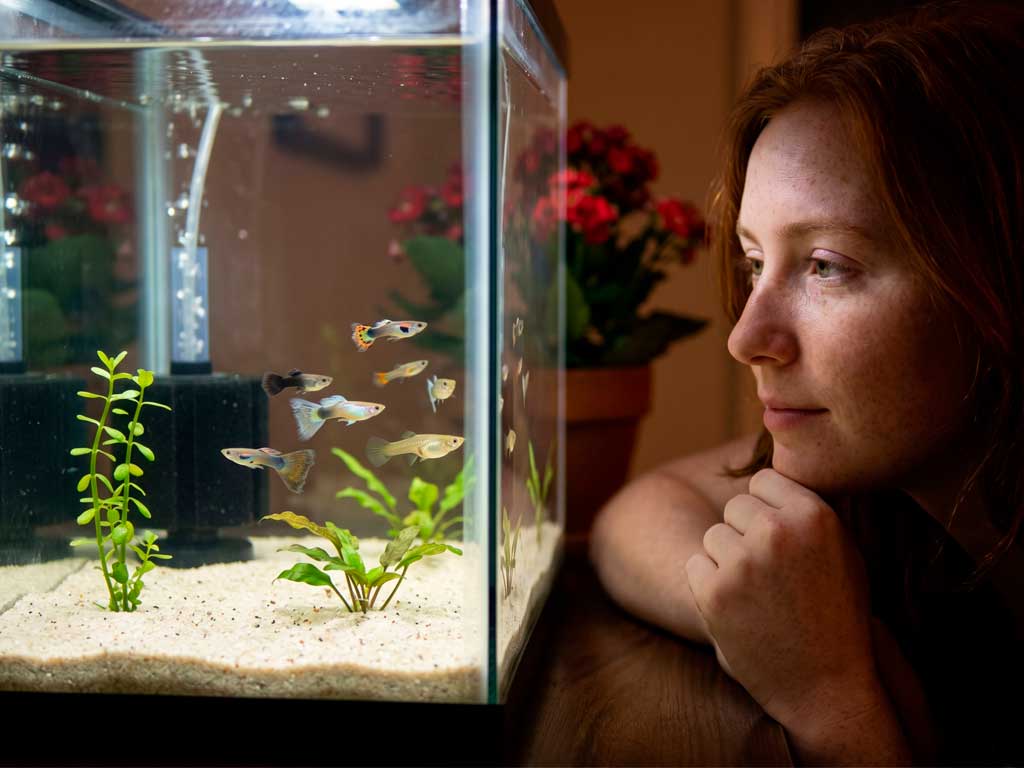
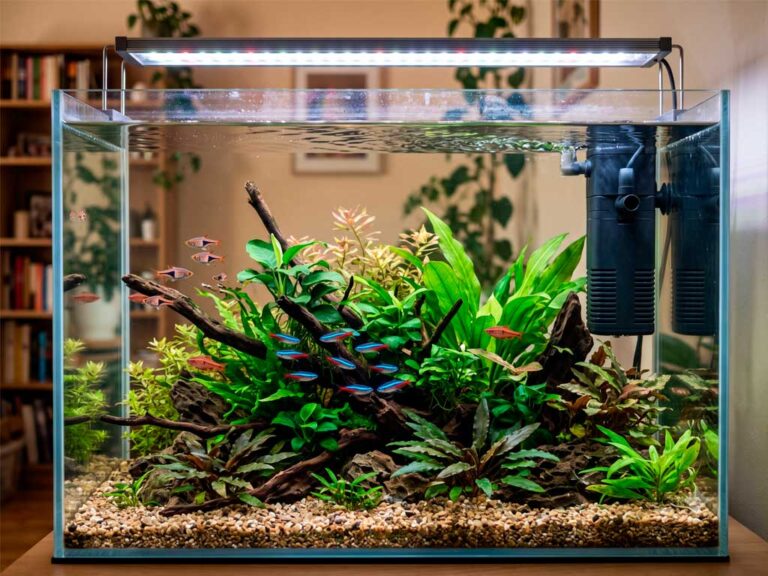
Setting up your first aquarium is one of the most rewarding projects a new pet owner can take on.
This guide walks you through everything you need, from choosing the right tank size to cycling your water safely before your fish ever arrive.
You’ll also learn which mistakes trip up almost every beginner, so you can skip the trial and error entirely.
Quick Facts
- Recommended starter size: 20 gallons or larger for the most stability
- Typical cycling time: often 4 to 6 weeks; test results determine readiness
- Best beginner fish: bettas, guppies, tetras, corydoras catfish
- Weekly maintenance: varies with tank size, stocking, and water conditions
- Average startup cost: $80 to $250 for a complete kit
Choosing the Right Size for Your First Aquarium
Bigger is almost always better when picking a first aquarium. Small tanks look manageable, but they’re actually harder to keep stable. Water chemistry shifts fast in a small volume, and even a minor mistake can stress your fish quickly.
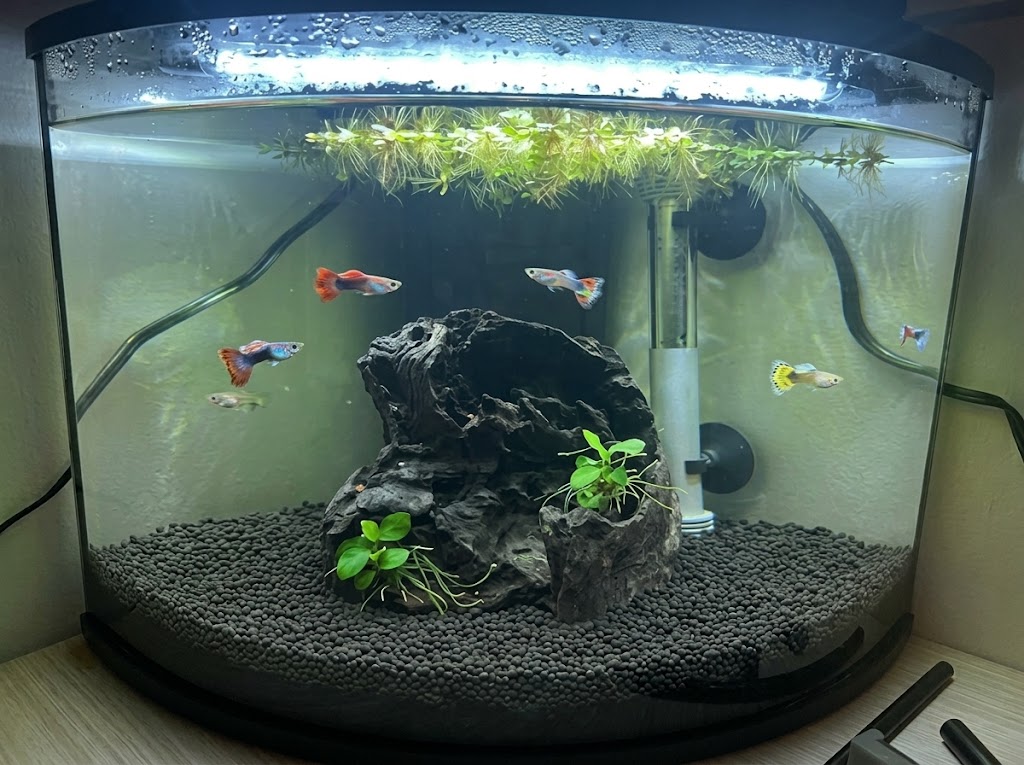
A 20-gallon tank gives you enough water volume to absorb small errors without a crisis. It also gives you more flexibility in fish selection. Here’s a quick reference for common beginner sizes.
| Tank Size | Best For |
|---|---|
| 3-5 gallons | Limited setups, such as a carefully planned shrimp aquarium; few fish options |
| 10 gallons | Some carefully selected small species; stocking depends on adult size, behavior, and group needs |
| 20 gallons | Most beginners; balances stability and space |
| 29-40 gallons | Growing communities or larger species |
Consequently, if your budget and space allow it, start closer to 20 gallons rather than 5. You’ll spend less time troubleshooting and more time enjoying the hobby.
Aquarium Weight and Support Considerations
A filled aquarium is heavier than most people expect. Water weighs roughly 8.3 pounds per gallon, so a 20-gallon tank can weigh over 200 pounds once you add substrate, decorations, and equipment.
Because of this, never place a first aquarium on furniture that wasn’t built to hold that weight. Standard bookshelves and cabinets often aren’t rated for it.
- Use a proper aquarium stand. These are built specifically to distribute the load evenly.
- Check your floor’s load capacity. This matters most for tanks over 40 gallons on upper floors.
- Keep the stand level. An uneven stand puts stress on the glass seams over time.
Glass or Acrylic: Which Material Fits a First Aquarium?
Most beginner tanks are made from glass or acrylic, and each material comes with tradeoffs worth understanding before you buy.
| Material | Pros | Cons |
|---|---|---|
| Glass | Scratch-resistant, budget-friendly, won’t yellow over time | Heavier, more prone to cracking on impact |
| Acrylic | Lightweight, clearer optical view, more impact-resistant | Scratches easily, costs more, can yellow with age |
For a first aquarium, glass is usually the safer choice. It’s more forgiving if you accidentally scrub too hard while cleaning, and it costs less if you’re still deciding whether the hobby is for you.
Essential Equipment for Your First Aquarium
Beyond the tank itself, a handful of core pieces of equipment make the difference between a thriving aquarium and a frustrating one.
- Filter: Mechanical filtration traps suspended particles, while biological filtration provides surface area for beneficial bacteria that process ammonia and nitrite. Choose a filter suited to your tank volume, stocking, and the needs of your fish.
- Heater: Most tropical fish need stable water between 74-80°F. A heater with a built-in thermostat prevents dangerous swings.
- Lighting: Supports live plants if you add them, and makes your fish’s colors pop.
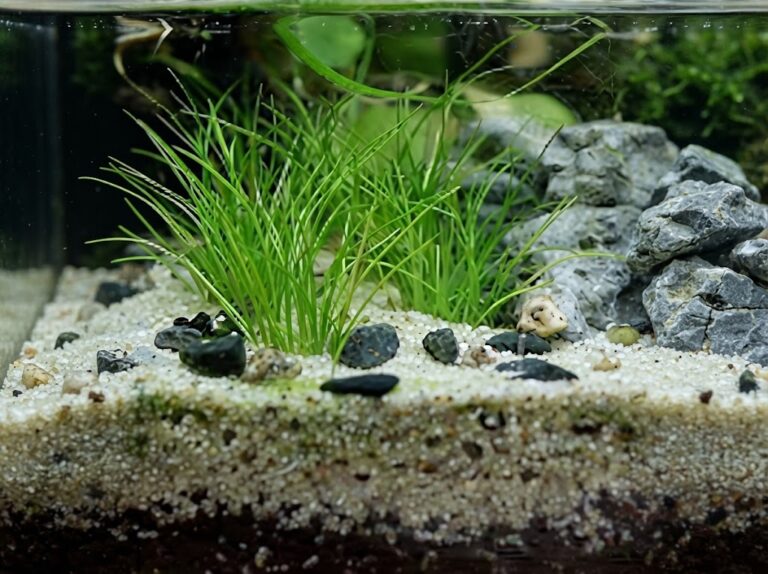
- Substrate: Gravel or sand at the bottom of the tank, which also houses beneficial bacteria.
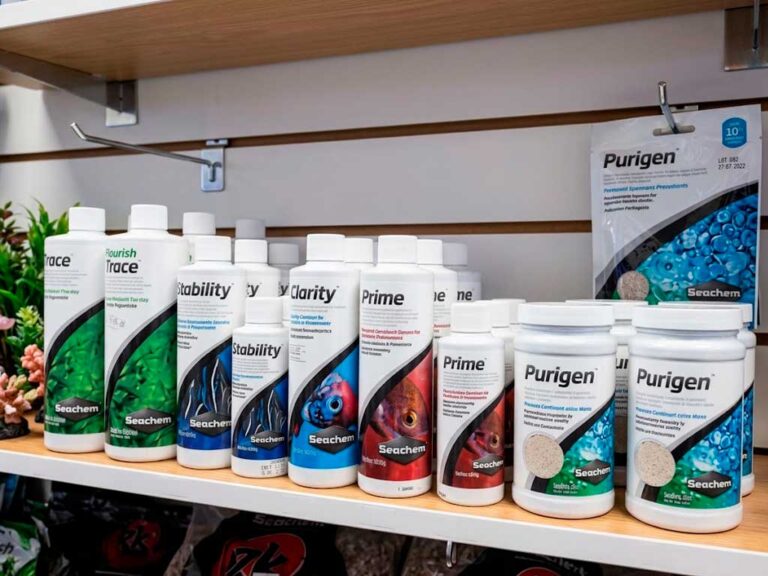
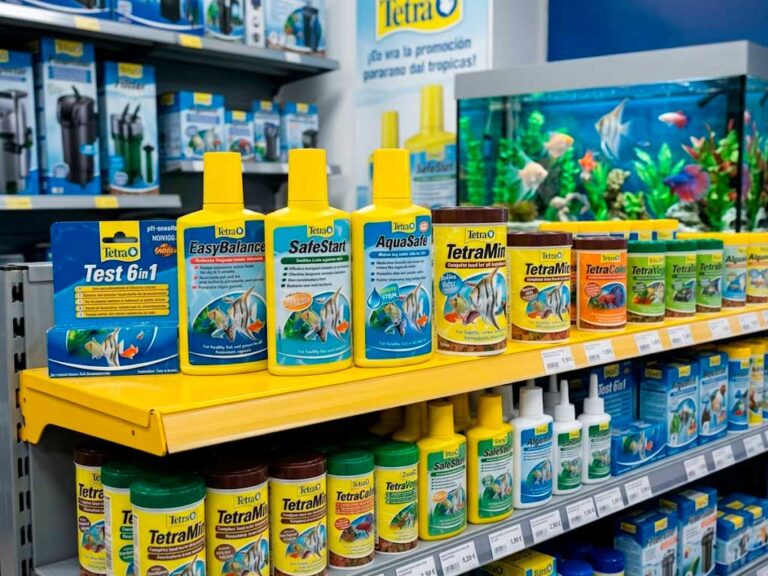
- Water conditioner: Neutralizes chlorine and chloramine in tap water before it touches your fish.
For beginners who want the main equipment in one purchase, the Tetra 20 Gallon Complete Tropical Fish Tank Kit is a practical starting point. It includes a glass aquarium, LED lighting, a filter, a heater, a thermometer, and several basic accessories, so you can spend less time comparing individual pieces of equipment. A complete kit still needs planning.

FROM AMAZON.COM
Tetra 20 Gallon Complete Tropical Fish Tank Kit
Everything included: 20-gallon glass tank with hinged hood, LED light, filter, filter cartridge, and décor. Ready for freshwater fish.
Buy on Amazon.comAs an Amazon Associate, Happy Pet Zone earns from qualifying purchases, at no extra cost to you.
Check the exact listing to confirm what is included, choose a suitable substrate, prepare the water, and allow the aquarium to cycle before adding fish. The equipment gets you started; it does not remove the need to establish a healthy environment.
The Nitrogen Cycle: Why You Can’t Add Fish Right Away
This is the step most beginners skip, and it’s the one responsible for the majority of early fish deaths. A brand-new aquarium doesn’t yet contain the beneficial bacteria needed to break down fish waste.
Fish produce ammonia, which is toxic even in small amounts. Beneficial bacteria convert ammonia into nitrite, which is still harmful, and then into nitrate, which is less toxic and managed through regular water changes.
This process is called cycling, and it often takes 4 to 6 weeks, although the timeline varies from tank to tank. Some bottled bacteria products may help establish biological filtration, but test results should determine when the aquarium is ready.
Confirm that ammonia and nitrite reach zero under an appropriate cycling test before adding fish.
- Run your filter continuously from day one, even before fish arrive.
- Add a source of ammonia (fish food or a bottled product) to feed the bacteria colony.
- Test your water every few days to track the ammonia-to-nitrite-to-nitrate progression.
- Only add fish once ammonia and nitrite both read zero consistently.
Skipping this step is the single biggest reason new tanks crash within the first two weeks. If your levels seem stuck and won’t budge, our guide on why your aquarium isn’t cycling walks through the most common causes and fixes.
Testing Your Water Parameters
Once your aquarium is cycled, testing doesn’t stop. Weekly checks catch small problems before they become emergencies.
A liquid test kit gives more accurate readings than test strips and tracks four core parameters: ammonia, nitrite, nitrate, and pH. Ideally, ammonia and nitrite should read zero, nitrate should stay under 20-40 ppm, and pH should stay stable rather than swinging up and down. For a deeper breakdown of what each reading means for your fish, see our full guide to mastering aquarium water chemistry.
Choosing the Right Location for Your First Aquarium
Where you place your tank affects both its stability and your fish’s health. A poor location can quietly undermine even a well-cycled aquarium.
- Avoid direct sunlight. Windows and skylights accelerate algae growth and cause temperature swings.
- Stay away from heat and air conditioning vents. Sudden temperature changes stress fish more than most owners realize.
- Pick a low-traffic spot. Constant vibration and tapping on the glass startles fish and adds unnecessary stress.
- Keep it near an outlet. Filters, heaters, and lights all need power, and extension cords near water aren’t ideal long-term.
Best Fish for a First Aquarium
Not every species tolerates a beginner’s learning curve well. Hardy fish forgive small mistakes while you’re still getting a feel for water changes and feeding schedules.
- Bettas: Colorful, low-maintenance, and comfortable in smaller tanks.
- Guppies: Active, easy to breed, and tolerant of a range of water conditions.
- Neon tetras: Peaceful schooling fish that add movement and color.
- Corydoras: Peaceful bottom-dwelling fish that need a suitable substrate and a group of their own species. They still require regular feeding and water maintenance.
Whether your first aquarium ends up freshwater or saltwater also shapes which fish make sense. Saltwater tanks generally demand more experience, more equipment, and tighter water parameters, so most beginners get better results starting freshwater and moving to saltwater once they’ve built confidence.
Common Mistakes First-Time Aquarium Owners Make
Almost every aquarist makes at least one of these mistakes early on. Knowing them in advance saves you the headache.
- Adding fish too soon, before the tank has finished cycling.
- Overfeeding, which spikes ammonia and clouds the water.
- Overstocking, cramming in more fish than the filter can support.
- Skipping water changes, letting nitrate and waste build up silently.
- Cleaning the filter too aggressively, which wipes out the beneficial bacteria it took weeks to grow.
If you want a filter that makes weekly maintenance easier rather than harder, our comparison of the best hang-on-back aquarium filters breaks down which models balance flow rate with easy cleaning.
What I Learned From My First Aquariums
My interest in aquariums started when I bought a small, round fishbowl for my daughter. It held two swordtail fish, and I made a mistake that many beginners make: I chose a setup that was too small and had no filter. I ended up changing the water every day, and the routine quickly became a challenge.
My daughter eventually lost interest in the fish, but I found myself becoming more curious about their care. That small bowl led me to a 100-liter aquarium, a filter that was too small for the setup I wanted, and a growing interest in keeping different species.
I made more mistakes as I learned. I added fish without researching compatibility and kept male guppies with male bettas in the same aquarium. I also set up my 100-liter tank for African cichlids without fully understanding how much space many of them need.
Those decisions taught me to research adult size, behavior, territory, and stocking requirements before buying fish. Read our guide to guppy care and compatibility requirements and our overview of African cichlid tank requirements before choosing species.
Another lesson was patience. I underestimated how important it was to let a new aquarium complete its nitrogen cycle before adding fish. Some products can help establish beneficial bacteria, but I now treat water testing as the deciding factor rather than relying on a product or a fixed number of days.
If I were starting again, I would choose a 20-gallon aquarium, use appropriately sized equipment, research compatible fish, and plan the stocking before buying anything. Once you understand the basics, you can gradually explore larger freshwater setups or even setting up a saltwater aquarium.
And one last thing I had to learn: enjoy the hobby. I sometimes became so focused on improving the aquarium that I forgot to enjoy watching it. A well-planned tank should make fishkeeping more rewarding, not turn every day into a troubleshooting session.
Setting up your first aquarium takes patience, but the payoff is a thriving miniature ecosystem in your home. Start by choosing your tank size and running the cycle before anything else.
Once your water tests clean, you’ll be ready to stock it with confidence. For your next step, check out our guide to complete fish tank maintenance to keep your new aquarium healthy long term.