Goldfish Health Problems: Swim Bladder, Fin Rot, Bloating & More
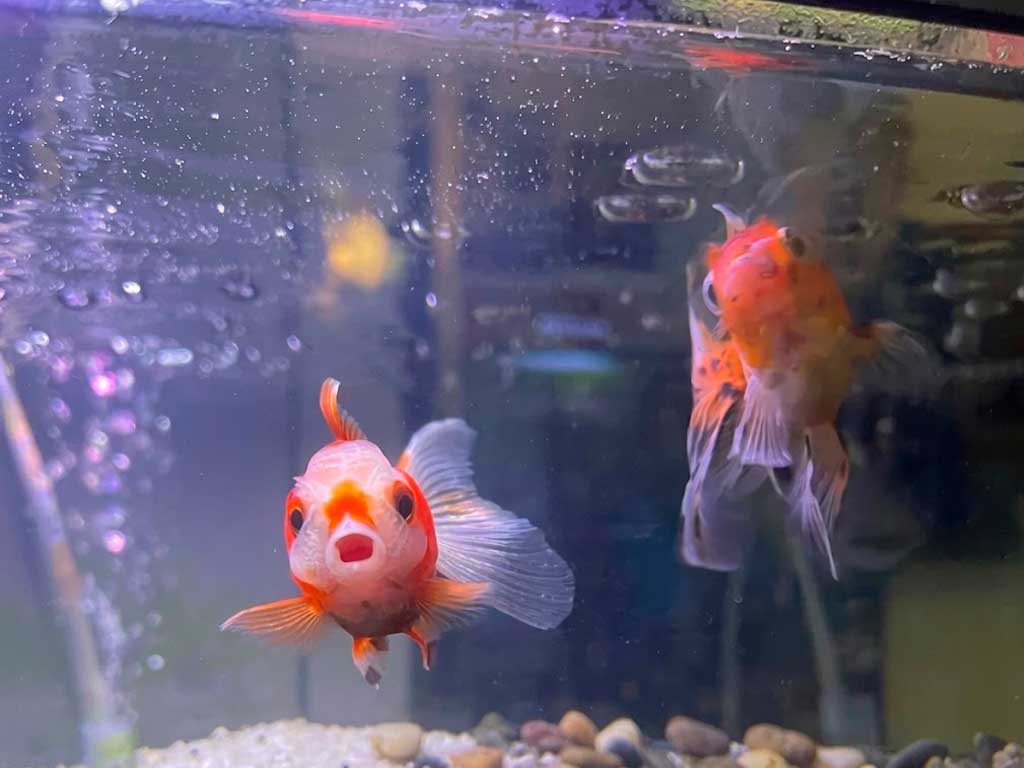
Goldfish health problems trace back to a small handful of root causes far more often than owners expect, and nearly all of them connect to water quality, tank size, or diet.
In practice, most of what looks like a mysterious illness is actually one of a handful of well-documented conditions, several of which get confused with each other constantly.
This guide covers what actually distinguishes them, what genuinely helps, and one confusion in particular, bloating versus dropsy, that matters more than almost any other distinction on this page.
This is general information for goldfish keepers, not a substitute for guidance from an aquatic veterinarian. Anything beyond mild, early-stage symptoms deserves a professional opinion, especially given how fast some of these conditions progress.
Quick Reference
| Condition | Key sign | Usual cause |
| Swim bladder disorder | Floating sideways, upside down, or struggling to stay upright | Overfeeding, constipation, poor diet |
| Fin rot | Ragged, discolored, or shredding fin edges | Poor water quality, stress, injury |
| Bloating (constipation) | Swollen belly, scales lying flat | Overfeeding, low-fiber diet |
| Dropsy | Swollen belly plus “pineconing” raised scales | Bacterial infection, often kidney failure |
| Ich (white spot) | Small white grains across body and fins | Parasite, often triggered by stress |
| Fungal infection | Cotton-like growths on body or fins | Poor water quality, secondary to injury |
Recognizing Early Signs of Illness
Goldfish tend to hide illness until a condition has already progressed, which makes early observation genuinely important. Reduced swimming activity, loss of appetite, clamped fins, or erratic movement are usually the first behavioral signs something is wrong, often showing up before any visible physical symptom does.
Before assuming disease, it’s worth ruling out normal breed traits first. The fancy goldfish types guide covers features like the oranda’s wen, the bubble eye’s fluid sacs, and the telescope eye’s protruding eyes, all of which get mistaken for illness by new keepers regularly. None of those are symptoms on their own.
Swim Bladder Disorder
The swim bladder is an internal, gas-filled organ that controls buoyancy. When it malfunctions, a goldfish may float sideways, sink to the bottom, or struggle to hold a normal upright position in the water.
Common causes include overfeeding, low-fiber diets, dry pellets expanding in the digestive tract, and general constipation. Genetic buoyancy issues, particularly common in rounder fancy varieties, sometimes have no real fix at all.
The standard first response is a short fasting period, typically around three days, followed by feeding skinned peas or other high-fiber foods to help clear any digestive blockage. Water quality should be checked and corrected at the same time, since poor conditions make an existing swim bladder problem worse.
Fin Rot
Fin rot is a bacterial infection, usually secondary to stress, injury, or poor water quality, that causes fin edges to fray, discolor, or develop a reddish streak. Left untreated, it can progress until fins deteriorate down to the body itself, and damage that reaches the fin base won’t regrow.
The first and most important step is correcting water quality, since healing genuinely can’t start in a poor environment. Aquarium salt at a mild dose is a common first-line approach, with commercial antibacterial treatments reserved for cases that don’t improve after several days. Catching fin rot early, while it’s still limited to the fin edges, gives the best chance of a full recovery.
Bloating, Dropsy, and Pregnancy: Telling Them Apart
Here’s what actually matters more than almost anything else in this guide: a swollen goldfish belly can mean several genuinely different things, and mixing them up has real consequences. Simple bloating from overfeeding or constipation looks similar to dropsy at first glance, but the two carry very different outlooks.
The key diagnostic sign is the scales, checked from directly above the fish. In simple bloating or constipation, scales lie flat against the body, and the fish is usually still active and eating. In dropsy, scales lift away from the body in a “pineconing” pattern, visible as a rough, bristled silhouette from above, often alongside bulging eyes, pale gills, and lethargy.
Dropsy is a symptom of serious internal organ failure, most often kidney-related, rather than a disease in itself, and survival rates drop sharply once pineconing is visible. Simple bloating responds well to fasting and a fiber-rich diet; dropsy needs prompt attention from an aquatic vet, and even then, outcomes are often poor.
Ich (White Spot Disease)
Ich shows up as small white spots resembling grains of salt scattered across the body and fins, usually accompanied by heavy breathing and scratching against tank surfaces or decor. It’s a parasitic infection that frequently follows the stress of a recent move or shipment, making newly purchased goldfish especially vulnerable.
A salt-and-heat approach, raising water temperature gradually while adding aquarium salt, is a commonly used first response, with copper-based treatments considered if that doesn’t clear things up within a week. Treatment should continue several days past the last visible spot, since ich can return if stopped too early.
Fungal Infections
Cotton-like growths along the body or fins signal a fungal infection, which typically takes hold in fish already weakened by poor water quality, an existing wound, or another illness. Left untreated, fungal infections can spread and become fatal.
Unlike some parasitic conditions, fungal infections aren’t considered contagious, so isolating an affected fish in a hospital tank is a reasonable step before starting treatment. Methylene blue is a commonly used treatment, often combined with aquarium salt to support the fish’s slime coat while it recovers.
Other Parasites Worth Knowing
Velvet (gold dust disease) produces a fine, golden dusting on the skin, often starting along the back, and responds to a similar salt-and-heat approach as ich. Anchor worm and fish lice are both crustacean parasites rather than true worms or insects, visible as small attached organisms causing redness and irritation at the attachment site, more common in ponds than indoor aquariums.
Both generally require a course of commercial parasite treatment alongside careful, gentle physical removal where visible.
Prevention Matters More Than Treatment
Nearly every condition covered here traces back to the same handful of root causes: an undersized tank, inadequate filtration, poor water quality, or an unbalanced diet. The tank and pond setup guide and the main care guide cover getting those fundamentals right from the start, which does more to prevent illness than any treatment covered on this page.
Quarantining new fish for at least two weeks before introducing them to an established tank also catches a meaningful share of problems, including ich, velvet, and parasites, before they ever reach the main aquarium.