The Best Decorations for Your Aquarium: Rocks, Gravel, Wood, and More
A bare tank stresses fish out faster than most owners realize. Decorations do more than fill empty space — they shape water chemistry, give nervous fish somewhere to retreat, and turn a glass box into something that resembles an actual habitat. Pick the wrong substrate or driftwood, though, and you’re fighting pH swings or tannin-stained water for weeks.
In practice, most tank makeovers fail for the same reason: people buy on looks alone and skip the part where the material interacts with their water. Below is a rundown of rock, substrate, and driftwood that hold up in a real tank, not just in a product photo.
Quick Facts: Aquarium Decorations
- Always test rocks first: Vinegar test for calcium content before adding any natural rock
- Ideal planted gravel size: 2 to 5mm for healthy root growth
- New driftwood: Pre-soak for days to weeks to reduce tannin discoloration
- Best for plant-eating fish: Silk artificial plants over live ones
- Rule of thumb: Leave open swimming space; don’t decorate more than half the tank
Aquarium Rocks: Stability and Natural Aesthetics
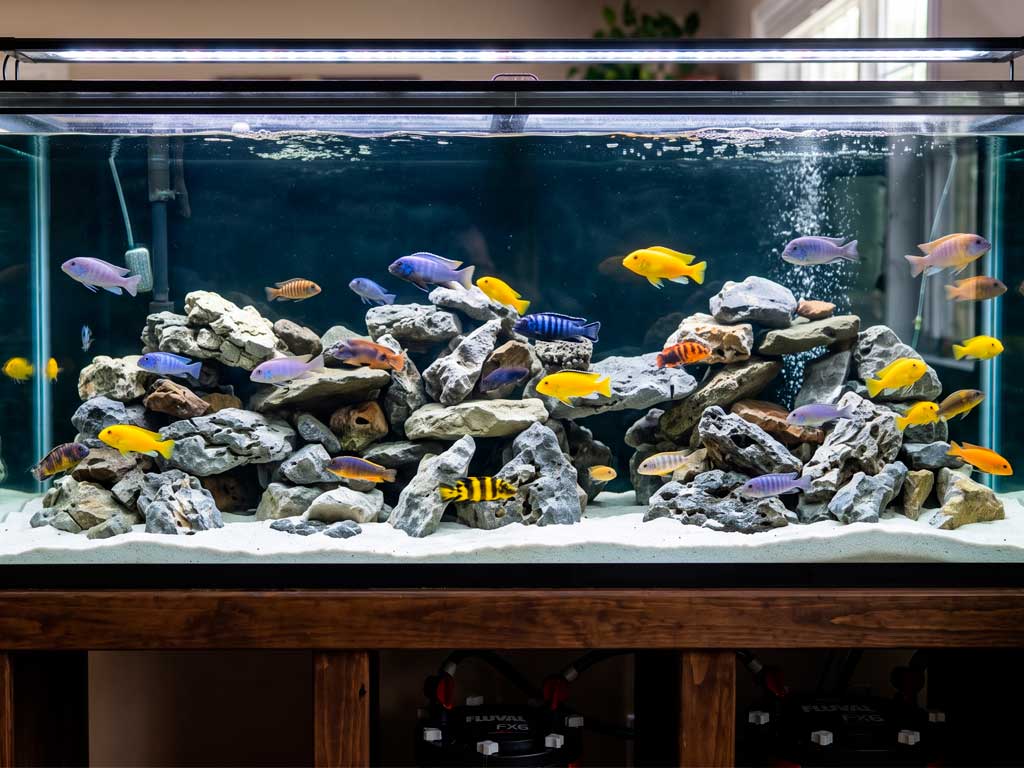
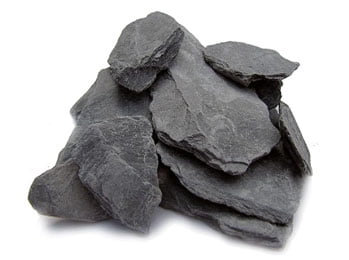
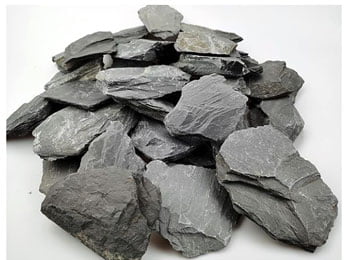
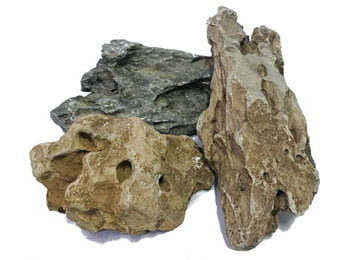
Rocks are a popular choice for decorating aquariums, offering both beauty and functionality. It’s important to ensure the rocks are safe and non-reactive, since calcium-heavy rocks like limestone can gradually raise your water’s pH and hardness over time.
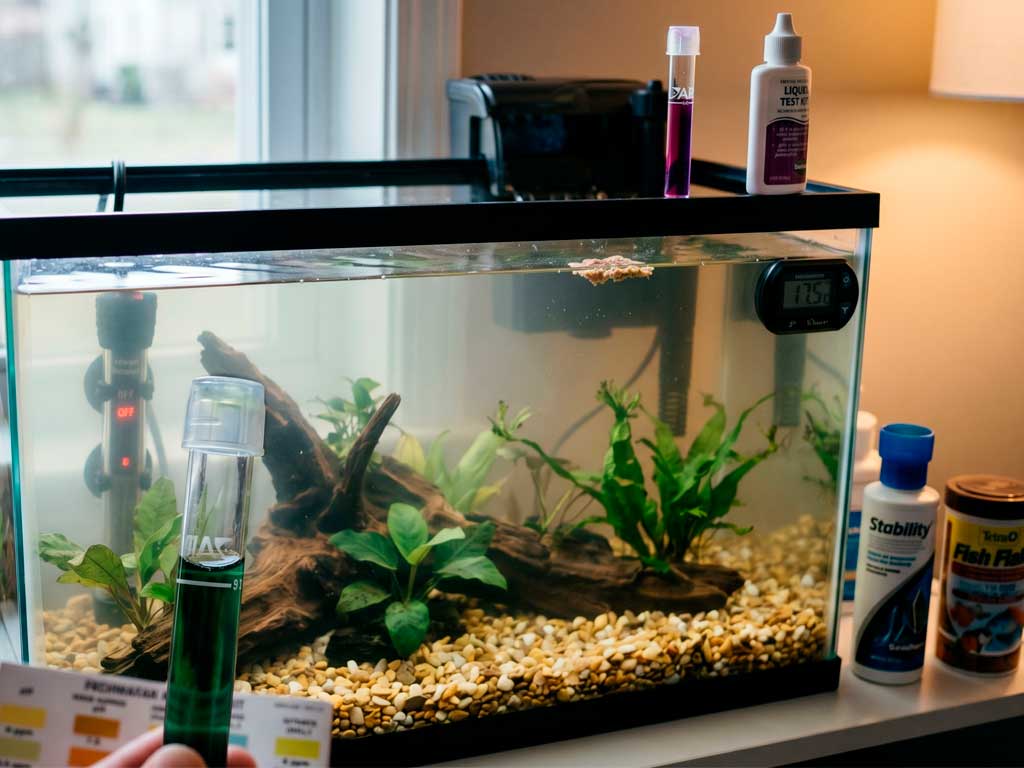
Opt for rocks specifically designed for aquariums, or test natural rocks by dripping vinegar on them; visible fizzing means the rock contains calcium carbonate and could affect your tank’s chemistry. For a full breakdown of how to monitor and adjust these parameters, our aquarium water chemistry guide covers it in depth.
- Safety and Stability: Ensure rock structures are stable to avoid collapses.
- Limited Variety: Use one or two types of rocks and group them for a natural look.
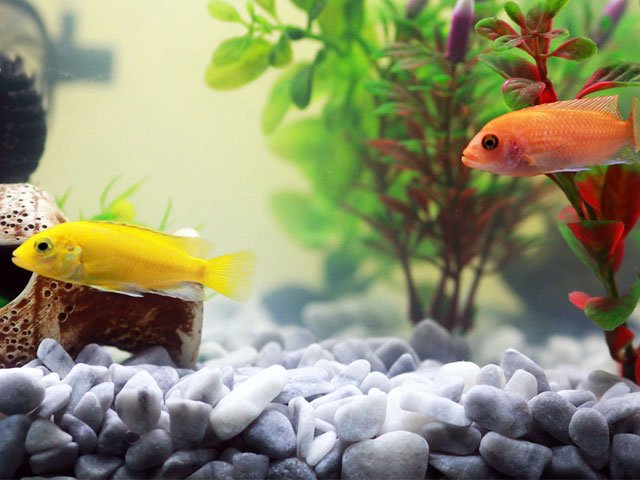
- Smooth Pebbles: Available in various colors, smooth pebbles enhance your aquarium’s aesthetics.
As an Amazon Associate, we earn from qualifying purchases.
Gravel: The Foundation of Aquascaping
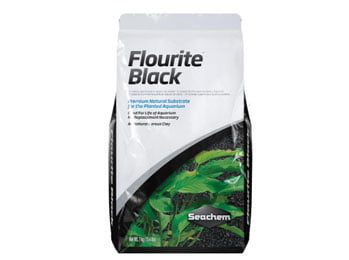
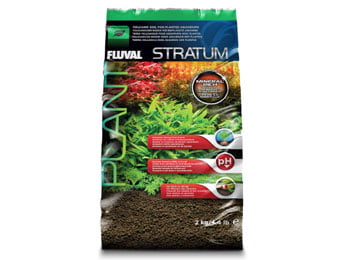
Gravel is essential for creating an attractive and healthy aquascape, especially in planted aquariums, and it doubles as a home for the beneficial bacteria your filtration relies on. Keeping it properly maintained matters just as much as picking the right type; our fish tank maintenance guide covers how often to gravel-vacuum without disrupting your tank’s biological balance.
- Ideal Size: For planted aquariums, use gravel of 2 to 5 mm.
- Avoid Strong Colors: Prefer natural colors to highlight the colors of the fish.
- Epoxy Coating: If using coated gravel, avoid washing it with hot water to preserve the coating.
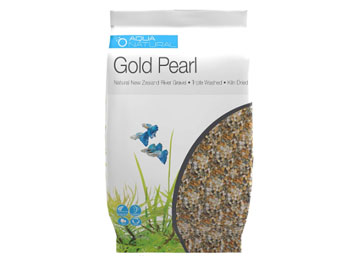
As an Amazon Associate, we earn from qualifying purchases.
Wood Decorations: Adding Dimension and Functionality
Wood, especially hard wood roots, is an excellent addition for many types of natural aquariums.
- Wood Condition: Regularly check the wood to avoid water quality issues.
- Natural Decomposition: It’s normal for wood to discolor the water initially, since driftwood releases tannins that create a light tea-colored tint. Pre-soak it for several days to weeks and use activated carbon to mitigate this effect, or lean into it as a natural “blackwater” aesthetic. Some aquarists intentionally add Indian almond leaves for the same tannin effect, since they also offer mild antibacterial benefits.
- Natural Maintenance: Fish like Ancistrus or Plecostomus help keep the wood clean.
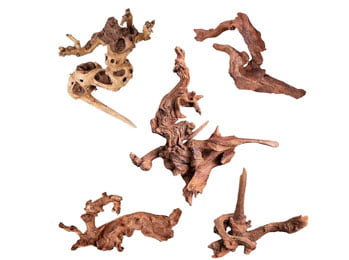
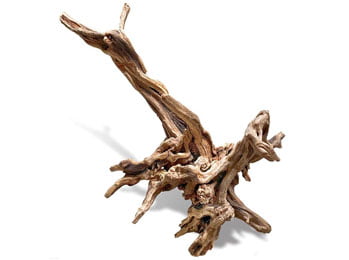
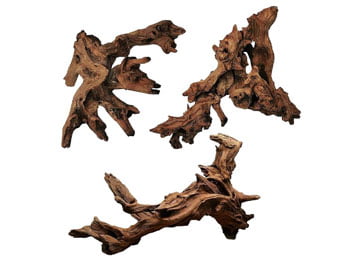
As an Amazon Associate, we earn from qualifying purchases.
Polyresin Ornaments and Rocks: Practical and Aesthetic
Polyresin ornaments and rocks are practical and aesthetically pleasing options.
- Natural Appearance: Polyresin rocks do not react with water and provide a natural environment.
- Ease of Use: These rocks allow you to move plants without disturbing their roots.
Artificial Plants: Durability and Realism
Artificial plants are ideal for aquariums with fish that uproot or eat live plants, such as cichlids and goldfish.
- Silk Plants: Offer a more natural movement in the water.
- Secure Fixation: Attach plants to rocks or wood to prevent fish from uprooting them.
Aquarium Backgrounds: The Finishing Touch
Aquarium backgrounds not only hide cables and hoses but also complement the aquarium’s decoration, enhancing the beauty of the fish and plants.
- Contrast and Complement: Choose a background that contrasts or complements your aquarium’s decorations.
- Hide Clutter: Use backgrounds to conceal unsightly elements and create a cleaner, more attractive environment.
Decorating your aquarium is an essential part of creating a healthy and beautiful environment for your fish. You can transform your aquarium into a vibrant and attractive ecosystem. Remember to consider the safety and stability of the decorations, as well as their impact on water quality and the health of your fish.
How Much Is Too Much? Balancing Decor and Swimming Space
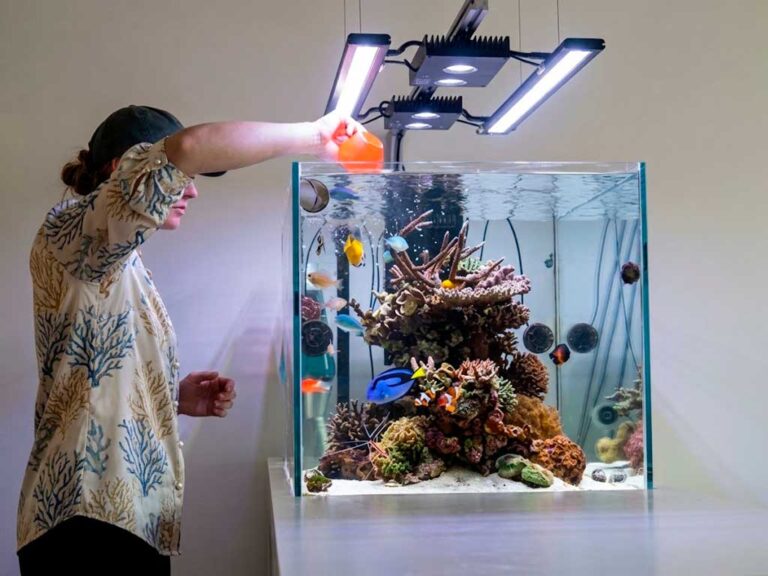
It’s easy to get carried away once you start aquascaping. As a general rule, leave at least half the tank as open swimming space, especially for active species.
Overcrowding a tank with rocks, wood, and ornaments can stress territorial fish and make routine maintenance, like gravel vacuuming, genuinely difficult. If you’re still finalizing your setup, our guide to choosing your first aquarium covers how tank size and shape should inform how much decor actually fits.