Panda Corydoras Care Guide: Tank Setup & Tank Mates
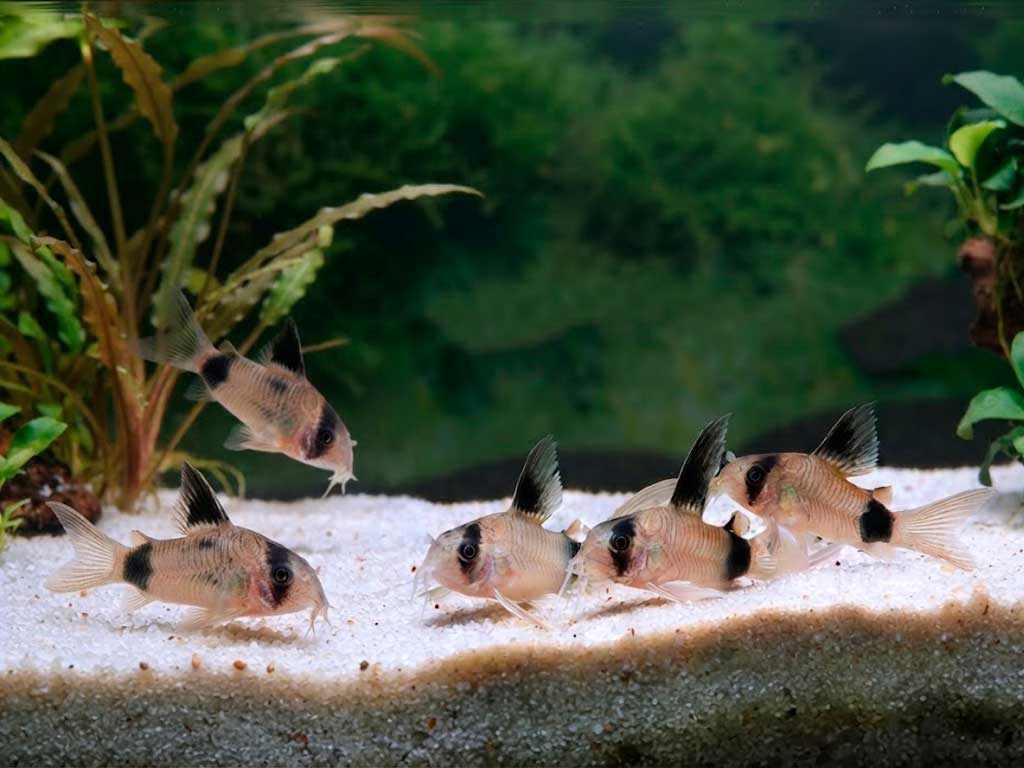
Panda Corydoras (Corydoras panda) grow to around 2 inches (5 cm) and need a group of at least six, clean water, and a soft substrate to thrive. Their preferred temperature is approximately 72–77°F (22–25°C), making them a particularly good choice for peaceful freshwater aquariums that stay on the cooler side of the tropical range.
These small catfish spend much of their time exploring the bottom, searching for food with their sensitive barbels. Their black eye patches, pale body, and distinctive dorsal-fin marking make them easy to recognize, even in a planted community tank.
The key to keeping them successfully is getting the environment right before adding tank mates. This guide covers their aquarium requirements, feeding routine, behavior, and four compatible fish species that already have care guides on Happy Pet Zone.
Panda Corydoras at a Glance
| Care requirement | Recommended details |
|---|---|
| Common name | Panda Corydoras, Panda Cory Catfish |
| Scientific name | Corydoras panda |
| Fish type | Freshwater bottom-dwelling catfish |
| Adult size | Around 2 inches (5 cm) |
| Minimum aquarium | 20 US gallons (75 liters) recommended |
| Group size | At least 6 individuals |
| Temperature | 72–77°F (22–25°C) |
| pH | 6.0–7.5 |
| General hardness | Approximately 2–12 dGH |
| Temperament | Peaceful and social |
| Swimming level | Bottom |
| Diet | Omnivorous |
| Difficulty | Moderate; sensitive to poor water quality |
| Lifespan | Often 5–10 years or longer with good care |
| Best substrate | Fine sand or smooth, rounded gravel |
| Best tank mates | Small, peaceful fish with overlapping water requirements |
What Do Panda Corydoras Look Like?
Panda Corydoras have a pale cream or pinkish-white body with dark markings that resemble a giant panda’s face. One black patch covers each eye, another marks the dorsal fin, and a third appears near the base of the tail.
Their compact body is protected by bony plates instead of typical fish scales. Around the mouth, sensitive barbels help them locate food among sand, leaves, and other material on the aquarium floor.
Adults usually reach approximately 2 inches, although individual size can vary with genetics, diet, and rearing conditions. Males tend to be slimmer, while females often develop a broader, rounder body, particularly when carrying eggs. Viewing the fish from above can make these differences easier to notice.
Where Do Panda Corydoras Come From?
Panda Corydoras originate from tributaries of the upper Amazon basin in Peru. Their natural habitat includes flowing streams with clean, oxygen-rich water, sandy areas, and rocky sections.
These conditions help explain several important aspects of their aquarium care. They benefit from good oxygenation, stable water chemistry, and a substrate that allows them to forage without damaging their barbels.
Their temperature preference also deserves attention. Panda Corydoras generally do better in cooler conditions than many commonly kept tropical fish, so a tank maintained at 82°F (28°C) is a poor long-term choice.
Panda Corydoras Tank Size and Setup
A 20-gallon aquarium is a sensible starting point for a group of Panda Corydoras, particularly when you plan to keep other fish. A longer aquarium provides more useful bottom space than a tall tank with the same volume.

FROM AMAZON.COM
Tetra 20 Gallon Complete Tropical Fish Tank Kit
Everything included: 20-gallon glass tank with hinged hood, LED light, filter, filter cartridge, and décor. Ready for freshwater fish.
Buy on Amazon.comAs an Amazon Associate, Happy Pet Zone earns from qualifying purchases, at no extra cost to you.
Their small adult size can make them look suitable for almost any aquarium, but they still need room to forage together and establish a comfortable group.
Substrate: Why Sand Is the Better Choice
Fine sand is the preferred substrate for Panda Corydoras because it lets them search for food naturally while reducing the risk of abrasion around their mouths.
Smooth, rounded gravel can also work when the pieces are small and have no sharp edges. Avoid coarse gravel, sharp stones, and rough decorative material where the fish spend most of their time feeding.

FROM AMAZON.COM
Aqua Natural Sugar White Sand Bio-Substrate 5lb
Freshwater aquarium sand pre-seeded with live nitrifying bacteria to jump-start your tank’s nitrogen cycle from day one.
Buy on Amazon.comAs an Amazon Associate, Happy Pet Zone earns from qualifying purchases, at no extra cost to you.
Check the substrate during routine maintenance. If you notice damaged or shortened barbels, review both the substrate and water quality rather than assuming the problem comes from an injury alone.
Plants, Hiding Places, and Water Flow
A well-planned Panda Corydoras aquarium offers open feeding areas alongside shelter. Plants, driftwood, smooth rocks, and shaded corners provide cover without taking away all the space they need to move.
- Fine sand or smooth, rounded gravel.
- Live plants arranged around open areas.
- Driftwood and smooth decorations for shelter.
- Reliable filtration with good oxygen exchange.
- Moderate water movement without excessive current in every part of the aquarium.
- A shaded resting area where the fish can retreat when lighting is bright.
A filter should keep the water clean without creating a current so strong that the fish struggle to rest or forage.
Panda Corydoras Water Parameters
Stable water conditions matter more than chasing an exact pH number every day. Panda Corydoras can tolerate some variation within a suitable range, provided changes occur gradually and the aquarium remains clean.
| Parameter | Target range |
|---|---|
| Temperature | 72–77°F (22–25°C) |
| pH | 6.0–7.5 |
| General hardness | 2–12 dGH |
| Ammonia | 0 ppm |
| Nitrite | 0 ppm |
| Nitrate | Preferably below 20 ppm |
| Oxygen | Well oxygenated |
| Water changes | Usually 20–30% weekly, adjusted to test results and stocking |
Temperature is one of the most important compatibility factors. Some community fish prefer warmer water than Panda Corydoras, even when their temperament seems suitable. Aim for a stable temperature within the shared comfort zone of every species in the aquarium.
Ammonia and nitrite should remain undetectable in an established aquarium. Test regularly, particularly after adding fish, changing filtration, or noticing unusual behavior.
Weekly partial water changes are a useful starting point. Adjust the amount and frequency according to nitrate readings, feeding levels, and the number of fish in the tank.
How Many Panda Corydoras Should You Keep?
Keep at least six Panda Corydoras together. They are social catfish, and a proper group helps them feel secure and display more natural foraging behavior.
When space and filtration permit, a larger group can be even more rewarding to observe. The fish often move around the bottom together, investigate the same feeding areas, and become more visible when they feel secure.
A group of two or three may survive, but it does not provide the same social environment. Avoid purchasing a single Panda Corydoras simply because you want a small bottom-dwelling fish to finish an aquarium stocking plan.
Before increasing the group, check the available floor space and the aquarium’s biological capacity. Six catfish still need adequate room and consistent maintenance, especially when combined with another school of fish.
What Do Panda Corydoras Eat?
Panda Corydoras are omnivores. Their diet includes small invertebrates, insect larvae, worms, and other edible material found along the bottom.
In an aquarium, they need their own food rather than relying on whatever the other fish leave behind. A fish that constantly searches the substrate can still become underfed if food never reaches the bottom in sufficient quantities.
- Sinking catfish pellets: A convenient staple formulated for bottom-feeding fish.
- Sinking wafers: Useful when feeding several fish together.
- Frozen bloodworms: An occasional protein-rich addition.
- Brine shrimp and daphnia: Useful foods for variety.
- Appropriately sized live foods: An optional way to encourage natural foraging behavior.
Feed an amount the fish can consume promptly, and remove excess food before it decomposes. Once-daily feeding is a reasonable starting point for healthy adults, although the appropriate amount depends on the food and the condition of the fish.
Observe the group during feeding. If more dominant fish consume everything before the Panda Corydoras reach it, distribute food in several locations or feed after the main school has moved away.
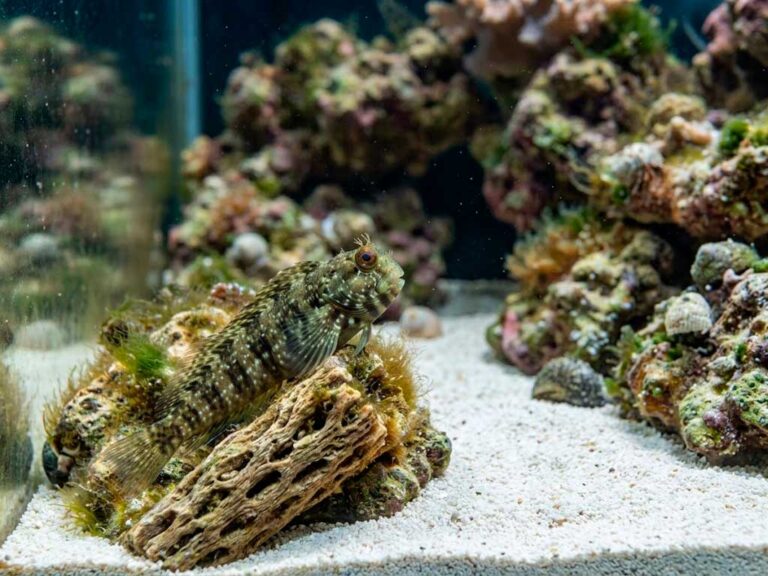
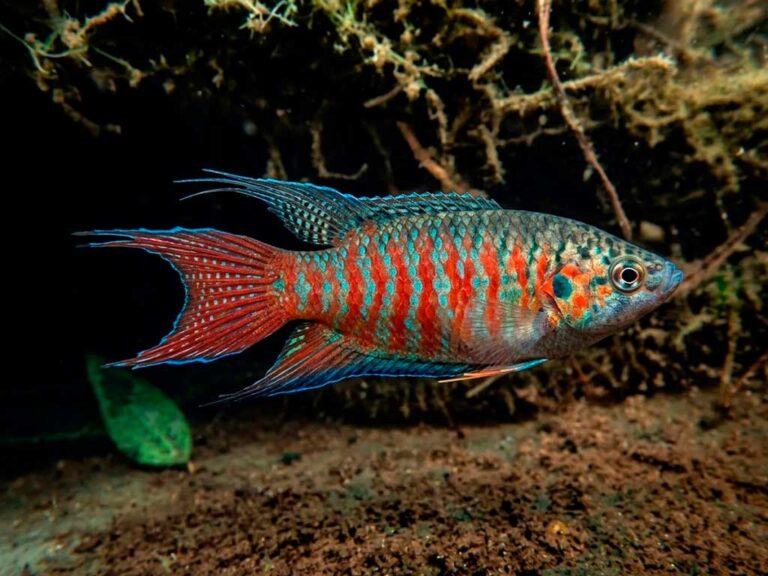
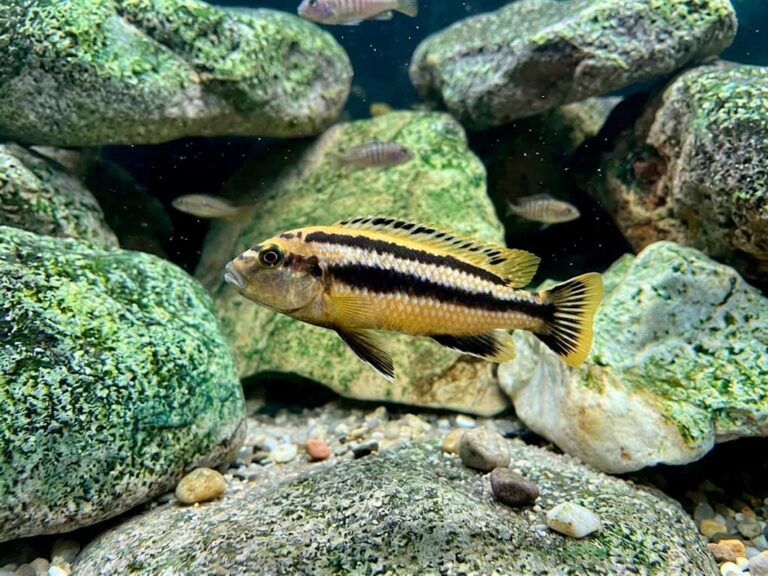
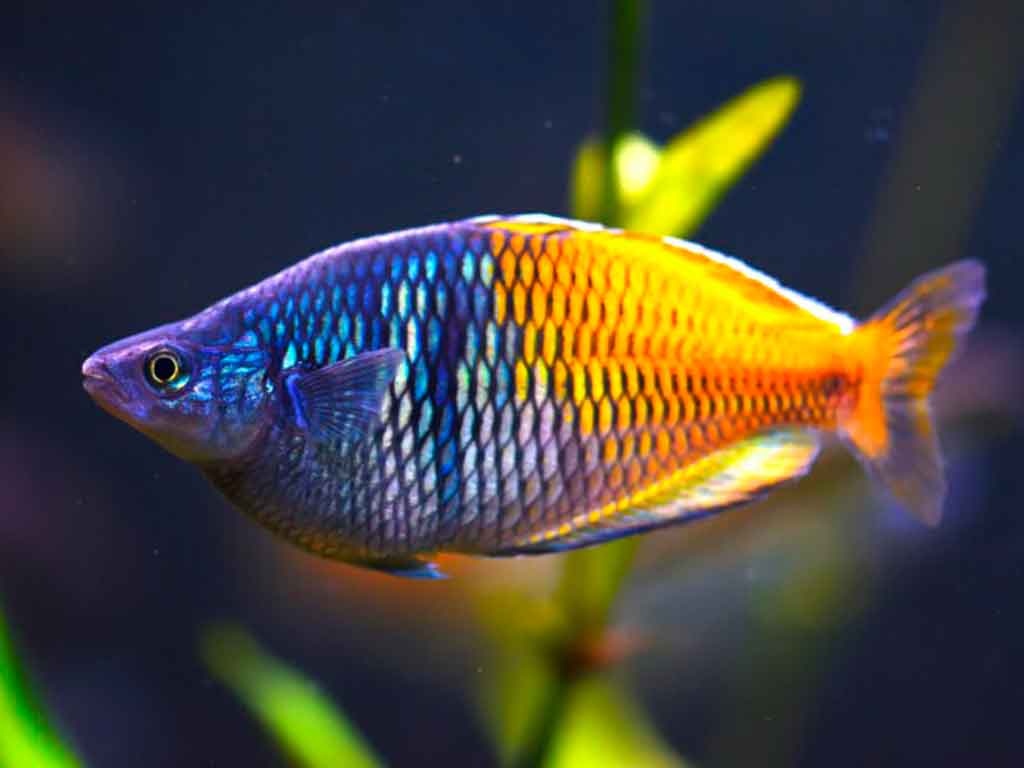
Four Compatible Panda Corydoras Tank Mates
Panda Corydoras generally do well with peaceful fish that occupy the middle or upper parts of the aquarium. The best companions also tolerate the same temperature range, have suitable adult sizes, and do not compete aggressively for food or territory.
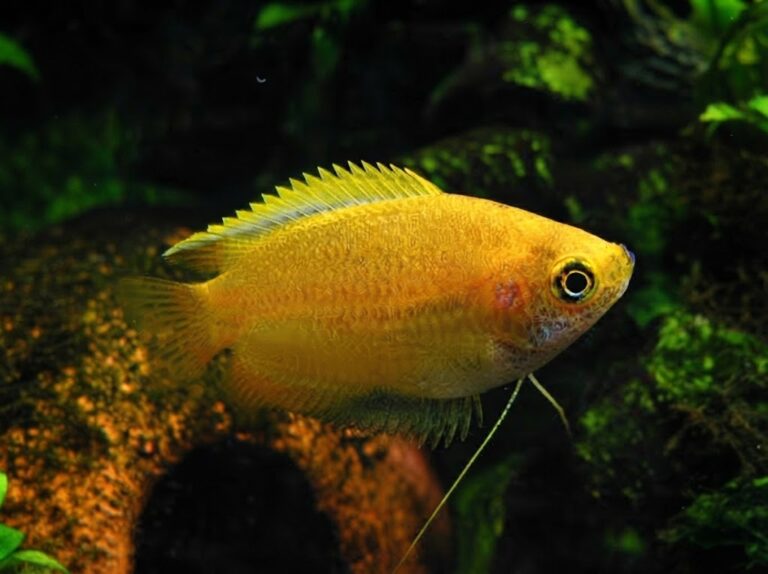
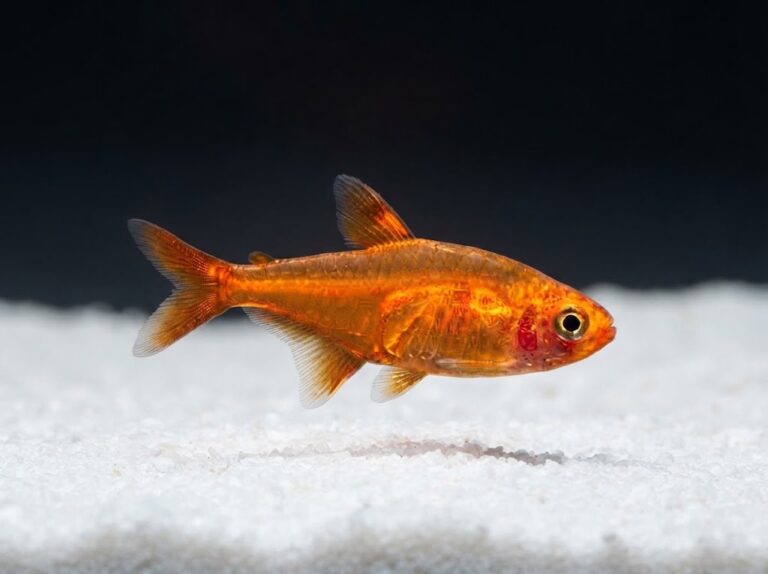
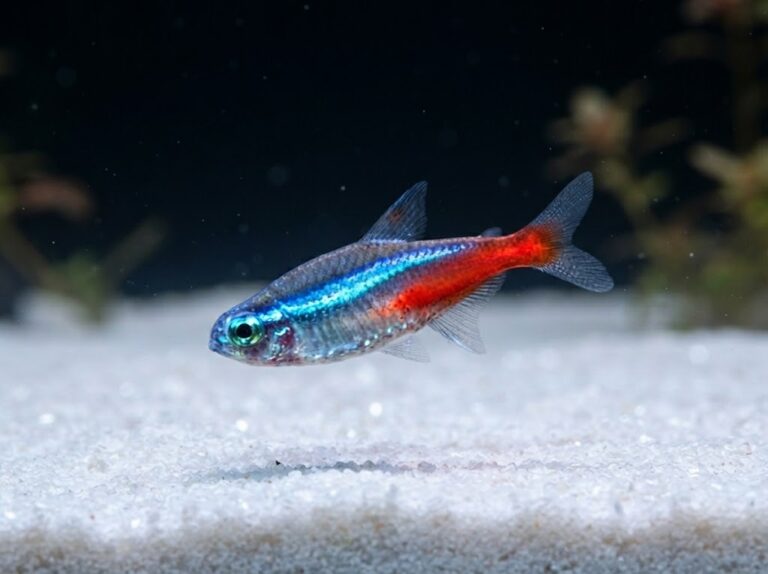
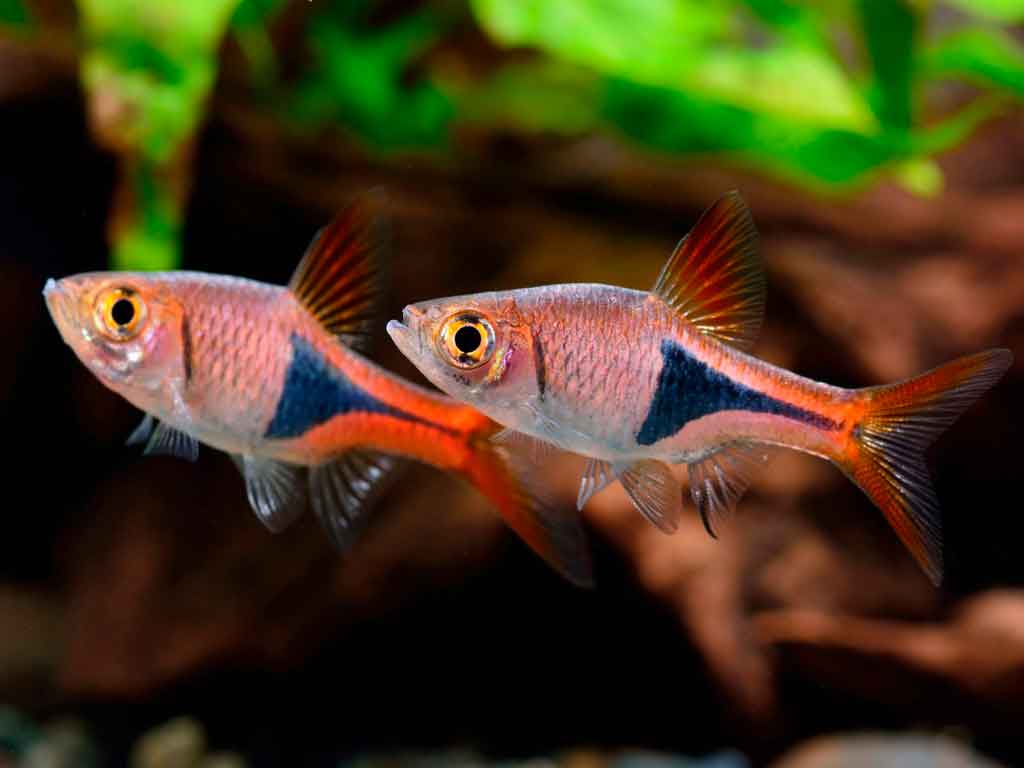
These are compatible choices rather than a recommendation to keep all four species in every tank. Aquarium volume, adult stocking levels, filtration, and the number of fish in each school determine whether a particular combination is appropriate.
Fish That Are Poor Choices for Panda Corydoras
A fish can be peaceful in general and still be unsuitable for a Panda Corydoras aquarium. Temperature, adult size, feeding behavior, and competition for bottom space all affect compatibility.
| Fish type | Reason to avoid |
|---|---|
| Large predatory fish | May eat or injure small catfish. |
| Aggressive cichlids | Can harass the catfish or defend territory aggressively. |
| Fish requiring sustained temperatures above the Panda Corydoras range | Their preferred conditions do not overlap sufficiently. |
| Aggressive bottom-dwelling fish | May compete for shelter and feeding space. |
| Persistent fin-nippers or bullies | Can cause stress and physical injury. |
Do not choose tank mates based on temperament alone. A peaceful fish that requires warmer water can be a worse choice than another species with a similar diet but compatible environmental needs.
Can Panda Corydoras Live With Shrimp and Snails?
Panda Corydoras are generally peaceful toward aquarium invertebrates. Adult Amano Shrimp, many other suitably sized freshwater shrimp, and Nerite Snails can be reasonable companions when their environmental requirements overlap.
Very small shrimp fry may occasionally be eaten if the catfish encounter them while foraging. If breeding shrimp is a priority, provide dense moss and other cover where young shrimp can hide.
Snails can also share the aquarium, but their presence does not remove the need to feed the catfish properly. A clean-up crew cannot replace routine maintenance or an appropriate diet.
Common Panda Corydoras Health Problems
Panda Corydoras can be sensitive to poor water quality, abrupt environmental changes, and unsuitable substrate. Changes in behavior are often the first sign that something needs attention.
- Damaged barbels: May indicate abrasion, injury, or poor water conditions.
- Loss of appetite: Can follow stress, illness, or competition during feeding.
- Persistent lethargy: May signal unsuitable temperature, poor water quality, or disease.
- Rapid breathing: Can indicate low oxygen, gill problems, or harmful water conditions.
- White spots or unusual skin changes: May indicate a disease that needs prompt assessment.
- Repeated hiding and loss of normal activity: Can reflect stress or an inadequate group.
Panda Corydoras occasionally dart to the surface to take a gulp of air. This can be normal behavior for the species, but frequent gasping combined with rapid breathing or lethargy warrants an immediate water-quality and oxygen check.
If symptoms develop, test the water first and consider whether any recent change could explain the problem. Avoid adding medication blindly, especially when the cause remains unclear.
Panda Corydoras Care and Maintenance Routine
Consistent maintenance helps prevent many of the problems associated with sensitive bottom-dwelling fish. A simple schedule also makes it easier to notice changes before they become serious.
| Frequency | Recommended task |
|---|---|
| Daily | Check appetite, swimming behavior, and breathing. |
| Daily | Confirm that food reaches the bottom and is being eaten. |
| Weekly | Test water parameters and inspect nitrate levels. |
| Weekly | Perform an appropriate partial water change and remove debris. |
| Weekly | Inspect the substrate and barbels for signs of damage. |
| Monthly, or as needed | Inspect filter performance and clean filter media appropriately without disrupting beneficial bacteria. |
| Whenever new fish arrive | Quarantine new arrivals when possible and observe them before introduction. |
Maintenance needs vary with the aquarium’s size, stocking level, and feeding routine. Use test results and the condition of the fish to guide adjustments instead of relying on a rigid schedule alone.
Are Panda Corydoras Suitable for Beginners?
Panda Corydoras can be suitable for a beginner who has an established, properly maintained aquarium and is willing to monitor water quality.
Their peaceful temperament and manageable adult size make them appealing, but they are less forgiving of poor conditions than some hardier catfish. Beginners should establish the aquarium’s biological filtration before buying them and avoid placing them in a newly set-up, uncycled tank.
They are a particularly good choice for someone who enjoys observing natural group behavior. A healthy school searching through soft sand is often more interesting than a single fish sitting in a corner.
Frequently Asked Questions
Set Up the Aquarium Before Buying Your Panda Corydoras
Start with an established aquarium of around 20 US gallons or larger, a group of at least six Panda Corydoras, and a temperature near 74°F (23°C). Use fine sand, provide good oxygenation, and confirm that ammonia and nitrite remain at 0 ppm before introducing the fish.
Then choose one or more compatible tank mates from the four species listed above, checking the final stocking plan against the available space and the needs of every fish. That gives your Panda Corydoras the best chance of settling in, feeding normally, and displaying the group behavior that makes them such enjoyable aquarium residents.