Catalan Sheepdog: A Shaggy, Independent-Minded Herder
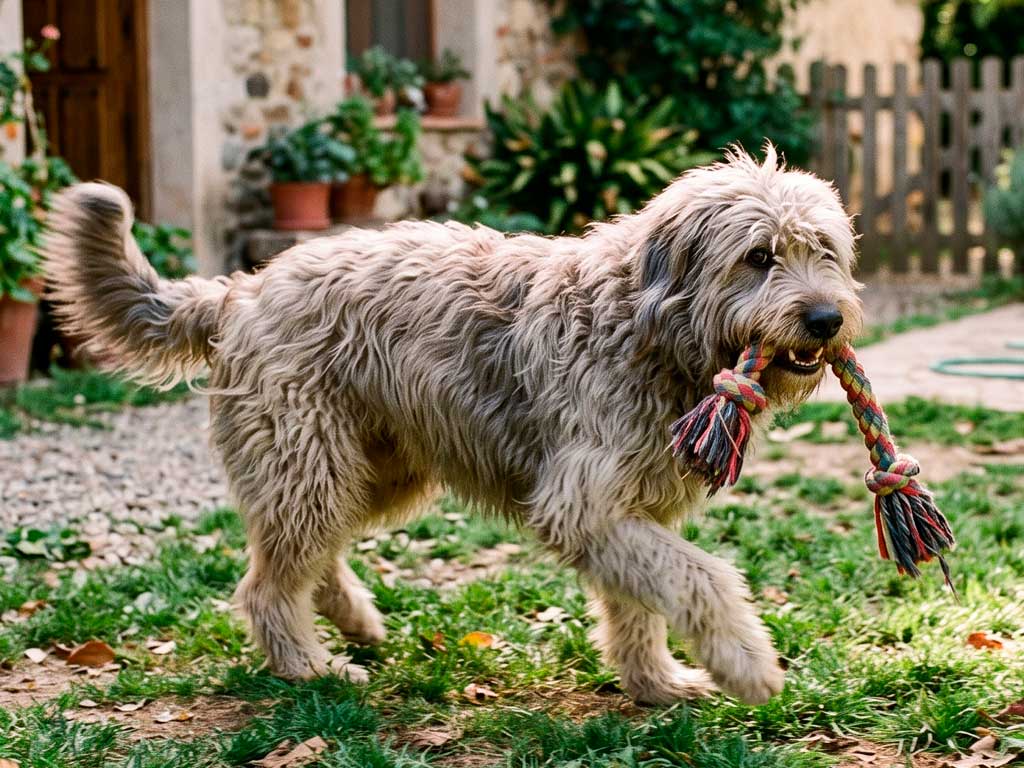
Ever met a dog that looks perpetually windswept and never quite finished growing its coat? That’s the Catalan Sheepdog, a scruffy, clever herder from northeastern Spain. This guide covers everything a prospective owner needs, from the breed’s centuries-old working history to its daily grooming routine.
Along the way, you’ll find out why this dog rarely warms to other pets, and what that means for multi-pet households. Stick around for the training section, since this breed’s independent streak catches new owners off guard.
History and Origin
Bred to herd and guard sheep across Catalonia in northwestern Spain, this breed likely shares ancestry with the Briard, Picardy Shepherd, Pyrenean Shepherd, and Beauceron.
Legend ties the breed to Charlemagne’s black, long-haired dogs, some depicted in tapestries dating between the eighth and twelfth centuries.
For centuries the Catalan Sheepdog worked as a flexible farmhand, herding livestock, guarding homes, and even serving as a messenger and sentry during the Spanish Civil War.
Both world wars hit the breed hard, and the decline continued as Spanish farms closed and rural families moved to cities during the 1950s and 1960s.
Dedicated breeders revived the line during the 1970s. The FCI and the UK Kennel Club both recognize the breed today, though it remains uncommon outside Spain.
Physical Characteristics
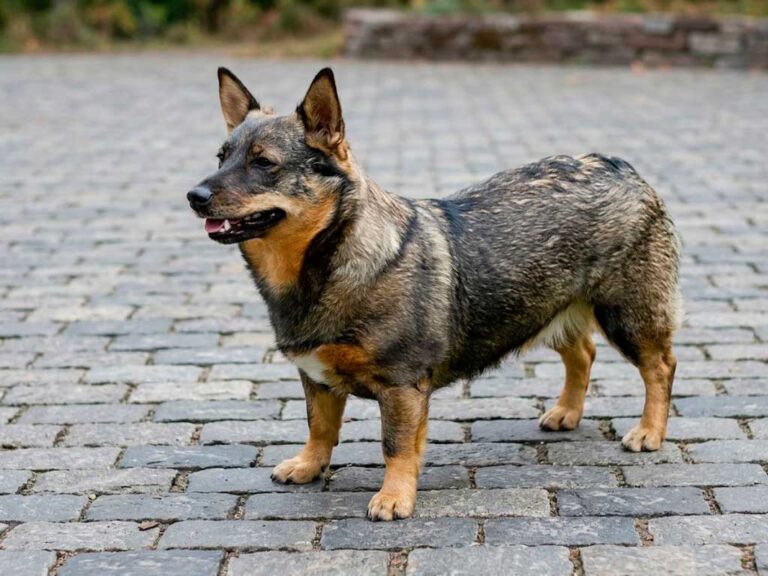
This is a medium-sized, sturdy dog, slightly longer than tall, with a coat of moderate length that can be straight or gently wavy.
Males typically stand 47 to 55 centimeters tall, while females measure 45 to 53 centimeters. Adults weigh between 16 and 20 kilograms.
Long fur around the eyes and chin gives the breed its trademark sweet, shaggy expression. A dense undercoat insulates against both heat and cold.
Coat colors range across wheat, sand, and every shade of grey, along with black and mixed wheat-grey tones. Most Catalan Sheepdogs live 12 to 14 years, a longer lifespan than many medium breeds enjoy.
Temperament and Personality
Clever, resourceful, and confident, the Catalan Sheepdog can manage livestock entirely on its own. At home, that same independence shows up as deep loyalty toward family.
Strangers take longer to earn this dog’s trust. Rather than react aggressively, though, the breed prefers to stay alert and simply watch.
Dog sports suit this breed particularly well. Agility, obedience, and similar activities give an outlet to a mind that never fully switches off.
Care Guide for the Catalan Sheepdog
Diet and Nutrition
A balanced diet covering every major nutrient group keeps this active breed in good condition. Fresh water should always be available.
Feed at least twice a day, following the guidelines on your chosen food. Regular body checks help you catch weight changes before they become a problem.
Exercise Requirements
Two hours of daily walks, combined with training and scattered play sessions, keeps a Catalan Sheepdog content. More exercise is always welcome, though less rarely goes well.
This breed genuinely needs a job. Agility, obedience, or flyball all work, since the specific task matters far less than simply having one.
Grooming Needs
Brush several times a week to clear loose hair and undercoat while stimulating the skin underneath. Skipping sessions lets mats form quickly in that moderate-length coat.
Check the eyes, ears, and paws after every walk. A coat this thick collects burrs, seeds, and other debris on nearly every outing.
Training and Education
Positive reinforcement works best with this breed, and a strong bond speeds up every lesson. A Catalan Sheepdog will work tirelessly for someone it trusts and respects.
Early socialization with people, livestock, and other animals matters enormously here. Skipping that step tends to sharpen the breed’s natural wariness of strangers.
Recall training deserves extra attention. This breed tends to make its own decisions, especially the moment it senses hesitation from its handler.
Health and Longevity
This breed generally stays healthy throughout its life. Hip dysplasia remains the main condition to screen for, and the Kennel Club recommends a dedicated hip dysplasia testing program for breeding dogs.
This information is educational and does not replace professional veterinary advice. Regular checkups with a licensed veterinarian catch developing joint issues early.
Is a Catalan Sheepdog the Right Dog for You?
Owners already familiar with independent herding breeds tend to find this dog deeply rewarding. Everyone else should know what they’re signing up for first.
A rural or semi-rural home with a secure garden fits this breed best. City living tends to frustrate a dog that barks at anything it considers suspicious.
Families with older children usually do better than households with toddlers, mainly because keeping a Catalan Sheepdog entertained takes real time every single day.
Multi-pet households deserve a pause here. This breed doesn’t naturally warm to other pets, so careful introductions and realistic expectations matter from day one.
Frequently Asked Questions
Is the Catalan Sheepdog good with children?
Generally yes, especially with older kids who understand how to interact with dogs respectfully. Adults should still supervise every interaction between dogs and young children.
Does the Catalan Sheepdog get along with other pets?
Not always. This breed scores notably low on compatibility with other animals, so slow, careful introductions matter more here than with many other herding breeds.
How much grooming does this breed need?
Several brushing sessions a week keep the moderate-length coat free of mats and loose hair. Shedding itself stays fairly light compared with many double-coated breeds.
How much exercise does a Catalan Sheepdog need?
About two hours of walking daily, plus training and mental work. This breed also benefits enormously from having a regular job or sport to focus on.
Can this breed be left alone during the day?
With proper training, many Catalan Sheepdogs handle alone time reasonably well. Early conditioning still makes the biggest difference in how comfortable a dog becomes with solitude.
Start training and socializing early, and keep this breed’s mind as busy as its body. That combination shapes a Catalan Sheepdog into the loyal, capable companion it’s bred to be.
Curious how this breed compares with other independent herders? Browse our full dog breeds hub for more guides like this one.