Swiss White Shepherd: The Complete Guide to a Striking, Loyal Breed
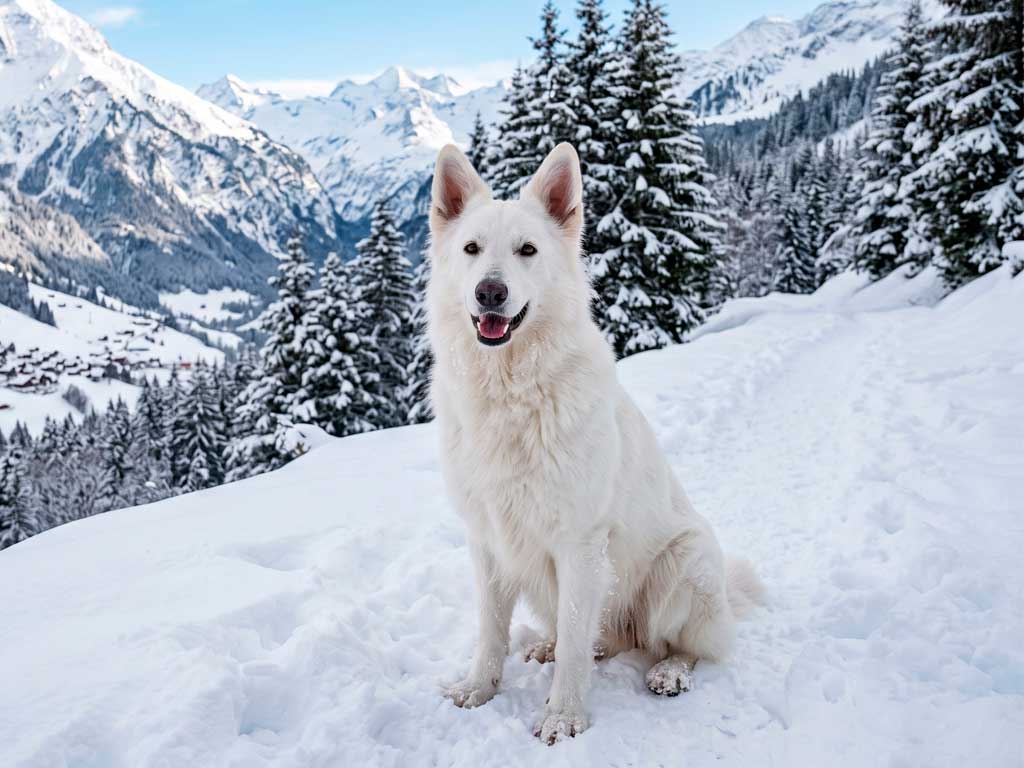
The Swiss White Shepherd is a striking, snow-white cousin of the German Shepherd, prized for its intelligence and unwavering loyalty. This guide walks you through everything from temperament to daily care, drawing on official breed data and real owner experience.
You’ll learn why this breed sheds so heavily, how much exercise it truly needs, and whether your household is the right fit. Keep reading, because the training section covers a mistake that trips up even experienced dog owners.
History and Origin
The Swiss White Shepherd descends directly from white-coated German Shepherds. Breeders disqualified white puppies from German Shepherd shows, yet the striking coat won over dedicated fans who wanted to keep breeding it.
The first white dogs appeared in the United States and earned Kennel Club registration back in 1917. Switzerland later took up the breed and shaped the modern standard we know today.
In 1966, a male named Lobo, imported from the US, became the foundation sire of the Swiss line. Additional American imports followed, widening the gene pool for future generations.
Switzerland’s breed club recognized the Swiss White Shepherd as a distinct breed in 1991. The Fédération Cynologique Internationale followed a few years later, and the UK now lists it on the import register within the pastoral group.
This remains a relatively young breed. Several celebrities have kept Swiss White Shepherds, including Tom Hanks, Jennifer Aniston, and author Neil Gaiman.
Physical Characteristics
Expect a medium-to-large dog with an athletic, slightly rectangular build. A fully grown Swiss White Shepherd stands 53 to 66 centimeters tall and weighs between 25 and 40 kilograms.
Two coat lengths exist within the breed: medium and long. Both carry a dense double coat, and long-coated dogs grow a distinctive mane around the neck.
The coat comes in pure white only, and breed standards penalize any hint of cream, yellow, or beige. Triangular, mobile ears complete an alert, intelligent expression.
Most dogs of this breed live between 10 and 12 years. Good breeding and consistent care both play a role in reaching the higher end of that range.
Temperament and Personality
This breed is lively, sharp witted, and constantly reading its surroundings. Compared with its German Shepherd relatives, the Swiss White Shepherd tends to warm up faster to strangers.
Many owners describe it as a one-person dog. Whoever feeds, trains, and spends the most time with the dog usually becomes its clear favorite.
Group instinct runs deep in this breed. Historically that group meant a flock of sheep, but today a family works just as well for a dog bred to watch and protect.
Boredom brings out the worst in a Swiss White Shepherd. Without enough physical and mental stimulation, the dog will invent its own entertainment, and you probably won’t approve of the results.
Care Guide for the Swiss White Shepherd
Diet and Nutrition
Large-breed dogs need a different nutrient balance than smaller breeds, particularly around the minerals and vitamins that support joint health. Choose a food formulated for large or giant breeds whenever possible.
This breed can be prone to bloat and other stomach issues, so smaller, more frequent meals often help reduce that risk. Avoid heavy exercise right before or after meals.
This article offers general guidance only and does not replace veterinary advice. Talk with your vet before changing your dog’s diet, especially if you notice digestive symptoms.
Exercise Requirements
Plan on roughly two hours of exercise every day, plus additional time for training and mental games. Puzzle toys and obedience work tire the mind just as much as the body.
Puppies and young dogs need gentler activity. Skip stairs, steep slopes, and excessive jumping until their joints finish developing.
Herding instinct runs strong here, though it looks different from a Border Collie’s style. Instead of gathering a flock, this breed patrols an invisible boundary and holds it with remarkable stamina.
Grooming Needs
Weekly brushing keeps the medium coat under control, while long coats benefit from two sessions a week. Professional grooming isn’t necessary for this breed.
Shedding, however, is relentless. Hard flooring and a daily vacuum session quickly become part of life with a Swiss White Shepherd.
Check paws and legs regularly for scratches, cuts, or trapped debris after outdoor time. Quick checks catch small problems before they turn into vet visits.
Training and Education
The Swiss White Shepherd matures slowly and feels far more sensitive than its imposing size suggests. Harsh corrections backfire, leaving the dog confused and anxious rather than obedient.
Positive reinforcement gets far better results with this breed. Reward-based methods build trust while still producing a well-mannered adult dog.
Early socialization matters enormously. Introduce puppies to children, other pets, and livestock so they grow into confident, adaptable adults.
Reliable recall deserves special attention during training sessions. A dog this size and this driven needs to come back every single time it’s called off leash.
Health and Longevity
Overall, the breed enjoys good general health. Hip and elbow dysplasia remain the two conditions to watch for, so ask breeders about health testing on both parents.
This information is educational and does not replace professional veterinary advice. Schedule regular checkups with a licensed veterinarian to catch any joint or health issues early.
Is a Swiss White Shepherd the Right Dog for You?
This breed suits people already drawn to German Shepherds and other large working or herding breeds. Ideal owners bring genuine experience training intelligent, driven dogs.
A moderate house works fine as long as it comes with a securely fenced garden. Village life or the countryside suits this breed better than a busy city center.
Families with older children and a calmer household routine tend to do best. Young Swiss White Shepherds can be clumsy enough to knock over toddlers by accident.
Shedding rules this breed out for neat freaks and allergy sufferers alike. Budget for a strong vacuum and frequent cleaning before you commit to bringing one home.
Frequently Asked Questions
Are Swiss White Shepherds good family dogs?
Yes, particularly with older children and consistent training. Supervision around toddlers still matters, given the breed’s size and early clumsiness.
How much does a Swiss White Shepherd shed?
Heavily, and year-round. Expect daily vacuuming, and invest in grooming tools designed for heavy-shedding double coats.
Is the Swiss White Shepherd the same as a white German Shepherd?
Not officially. Purebred German Shepherds with white coats are disqualified under most breed standards, while the Swiss White Shepherd developed into its own recognized breed with a distinct standard.
How much exercise does this breed need?
Around two hours daily, plus mental stimulation through training and puzzle games. Without it, boredom quickly turns into destructive behavior.
Can a Swiss White Shepherd be left alone?
With proper training and gradual conditioning, yes. That said, this breed generally prefers staying close to its family and may struggle with long stretches of solitude.
Start with early socialization and reward-based training. That single habit shapes nearly everything else about how this breed turns out as an adult.
Ready to compare this breed against other large working dogs? Browse our full dog breeds hub for more guides like this one.