Shar Pei Dog Breed: What Those Wrinkles Actually Mean
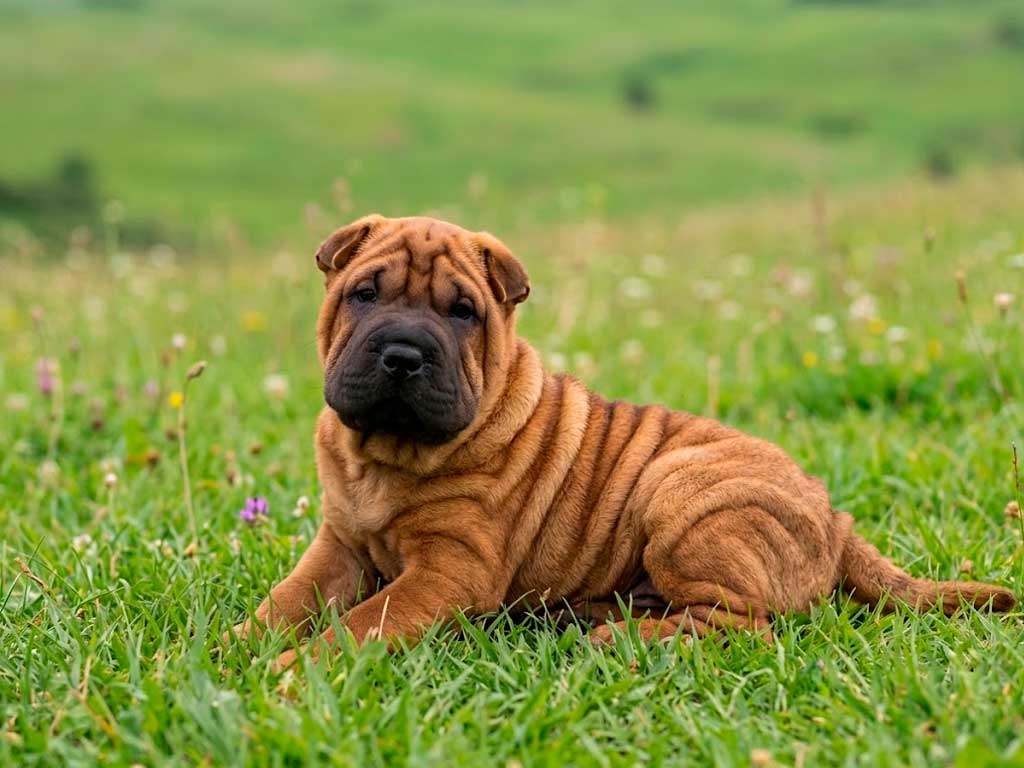
Those famous wrinkles are the first thing everyone notices about a Shar Pei dog breed, and they photograph beautifully. Here’s the thing — skin folds that look adorable in photos also come with real health considerations most new owners don’t expect.
This isn’t a breed to bring home on a whim. Understand what you’re signing up for first, and a Shar Pei can be an incredibly loyal, devoted companion.
What Makes the Shar Pei Dog Breed Unique
This breed descends from an old cross of English Mastiff with northern Chinese dogs, and it shares a striking trait with the Chow Chow: a blue-black tongue, along with actual bloodline ties between the two breeds.
At one point in China, Shar Peis were treated almost as a delicacy, and a ban on keeping them as pets nearly wiped the breed out. Trust me on this one: a breeder named Matgo Law is the reason this breed exists today. He sparked Western interest in the 1970s, when Shar Peis were considered one of the rarest dogs in the world.
Even those trademark wrinkles have a purpose. They developed during the breed’s history as a fighting dog — loose skin made it harder for an opponent to get a solid grip.
Common Challenges and How to Handle Them
Skin Fold Care
Those wrinkles need real maintenance. Moisture and debris can get trapped inside the folds, which makes skin and ear infections one of the most common health issues in this breed.
Check the folds regularly, especially around the face and tail, and keep them clean and dry. Give it time to become routine, and it stops feeling like a chore.
Brachycephalic Health Considerations
Shar Peis are considered a brachycephalic breed, meaning their shortened muzzle can lead to breathing difficulties, sometimes serious ones, especially during exercise or heat. Eye issues are common too, including painful ulcers and eyelids that roll inward or outward due to all that extra facial skin.
Ask any breeder directly about how they screen for these issues. Responsible breeding matters enormously here, and a good breeder won’t dodge the question.
Their Independent, Territorial Streak
Shar Peis are naturally wary of strangers and can be territorial without early, consistent socialization. They’re also known to be stubborn, so training takes patience and firm, positive leadership from day one.
They tend to do fine with cats they grew up around, but introductions to other dogs can go poorly without careful management. Early socialization with other dogs matters more with this breed than with most.
Daily Care Essentials
Diet and Nutrition
A Shar Pei needs a properly balanced diet with all the core nutrient groups in the right proportions, plus fresh water always available. Feed twice a day following your specific food’s guidelines, and check in regularly to keep your dog at a healthy weight. Our full nutrition guide covers the basics if you want to go deeper.
Exercise Requirements
This breed is more moderate than the sporting breeds you might expect from that muscular build. Around an hour of daily exercise is usually plenty, through free play rather than forced activity.
Because of their brachycephalic airways, avoid intense exercise in hot or humid weather. Watch for excessive panting or labored breathing and stop activity immediately if you see it.
Grooming Needs
The coat itself is easy — a simple weekly brush with a soft brush is enough. The real grooming work is in the folds, the ears, and the tail area, all of which need daily eye checks and regular fold cleaning.
Health Considerations
Most Shar Pei health problems trace back to extreme breeding for those exaggerated wrinkles. Skin fold infections and various eye conditions are the most common, alongside a hereditary condition called Shar Pei fever, which causes recurring high temperatures and joint inflammation.
This isn’t meant as medical advice, just a heads-up worth knowing before you commit. Ask about eye and skin screening at your vet visits, and steer clear of breeders who push extreme wrinkle traits without regard for health.
Frequently Asked Questions
Is a Shar Pei a good dog for first-time owners?
Not usually. Purina and most breed experts recommend this breed for owners with some prior dog experience, given the training, socialization, and health-monitoring demands involved.
Do Shar Peis get along with kids?
They can, but this breed often needs extra supervision around children compared to more easygoing breeds. Early socialization makes a real difference here.
Why does a Shar Pei have a blue tongue?
It’s a genetic trait shared with the Chow Chow, and the two breeds are believed to share bloodline history. No other dog breeds have this coloring.
How much grooming does a Shar Pei need?
Weekly brushing covers the coat itself, but the skin folds, ears, and eyes need daily attention to prevent infections and irritation.
Final Verdict: Is It a Good Fit?
A Shar Pei dog breed suits an experienced owner who’s genuinely prepared for consistent training, fold maintenance, and close attention to brachycephalic health risks. If that sounds like a lot rather than a rewarding routine, this probably isn’t your first dog.
Curious about other distinctive-looking breeds? The Chow Chow shares that same blue tongue and a real bloodline connection, while the Pug and French Bulldog are two other brachycephalic breeds worth understanding before you choose. Browse the full dog breed library or try the Dog Breed Quiz to keep exploring.